The Stadium That Changed Expectations
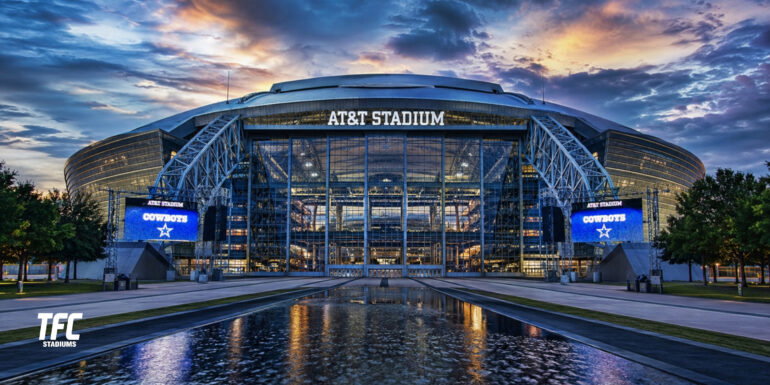
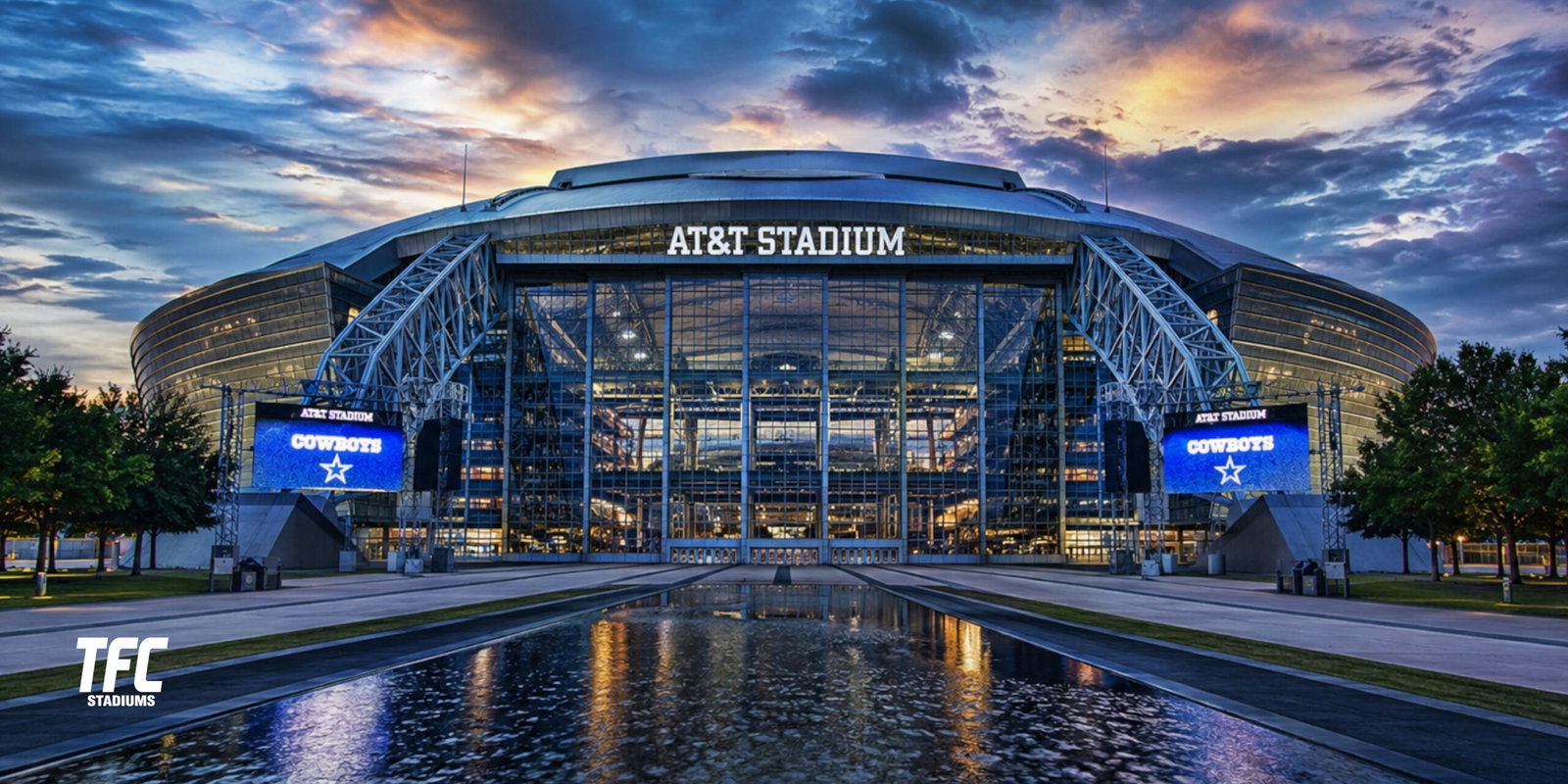
When AT&T Stadium opened in 2009, it was not introduced quietly. Jerry Jones did not build a football stadium. He built a Texas-sized statement piece with a football field conveniently placed in the middle.
Originally opening as Cowboys Stadium before gaining the AT&T name in 2013, the Arlington venue immediately changed conversations around what a modern sports arena could be. It combined NFL tradition with entertainment, luxury, technology and the kind of ambition usually reserved for Las Vegas.
More than 15 years later, the stadium has continued to evolve. New screens, upgraded experiences, major events and changing fan expectations have kept it near the top of the sports venue world.
The scoreboard is still enormous, the building is still outrageous, and somehow Jerry Jones still probably thinks there is room to add something bigger.
2009: The Arrival of Jerry World
When the Dallas Cowboys moved from Texas Stadium to their new home, the difference was dramatic.
The numbers immediately stood out:
| Feature | Opening Specification |
|---|---|
| Opened | 2009 |
| Construction cost | Around $1.2 billion |
| Standard capacity | Around 80,000 |
| Expandable capacity | Over 100,000 |
| Retractable roof | Yes |
| Largest video board at opening | Approximately 160 feet wide |
The stadium represented a new era. Traditional NFL venues focused heavily on the game itself. AT&T Stadium pushed the idea that fans were buying a full-day entertainment experience.
The famous centre-hung video board became almost as recognisable as the team. Some joked fans spent more time watching the screen than the actual field. The annoying part? They were not completely wrong.
The Technology Revolution
AT&T Stadium opened ahead of its time technologically, but the challenge with technology is simple. Yesterday’s futuristic gadget becomes tomorrow’s old phone sitting in a drawer.
The Cowboys have continued investing in improvements across:
- High-speed connectivity
- Digital displays
- Broadcast infrastructure
- Stadium operations technology
- Premium area enhancements
The giant video board remains the signature attraction, but the bigger change has been behind the scenes. Modern stadiums now depend on data, mobile ticketing, instant communication and personalised fan services.
A venue built in 2009 has had to operate like one built yesterday.
The Growth of Luxury and Premium Experiences
One of the biggest changes at AT&T Stadium has been the continued expansion of premium hospitality.
Modern sports economics have shifted. Ticket sales matter, but luxury revenue is the heavyweight champion.
The stadium features:
- Field-level suites
- Private clubs
- Premium lounges
- Corporate hospitality spaces
- VIP experiences
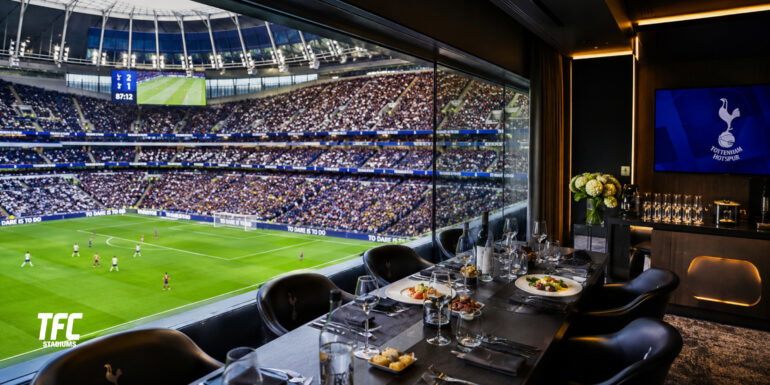
AT&T Stadium helped accelerate the idea that the biggest sports venues are part stadium, part luxury hotel and part entertainment complex.
Some fans want cheap seats, a hot dog and three hours of football. Others apparently want leather chairs, fine dining and the ability to watch a linebacker collision while discussing quarterly sales targets.
Both groups help pay the bills.
Becoming More Than a Cowboys Stadium
The smartest part of AT&T Stadium’s evolution has been turning the building into a year-round destination.
Since opening, it has hosted:
- Super Bowl XLV
- College Football Playoff games
- NCAA Final Four events
- Major boxing cards
- WrestleMania
- International football matches
- Major concerts
The Cowboys play around ten home games a season including preseason. A billion-dollar building cannot survive on that alone.
AT&T Stadium became an events machine.
Record Crowds and Unforgettable Moments
AT&T Stadium was designed for scale, and it has repeatedly shown that ability.
Some landmark events include:
2010 NBA All-Star Game
The stadium hosted one of the largest basketball crowds ever recorded, with more than 100,000 spectators watching inside an NFL venue.
Super Bowl XLV
The Green Bay Packers defeated the Pittsburgh Steelers in 2011, giving the stadium its first Super Bowl showcase.
Major Boxing Events
Fighters such as Canelo Álvarez and Manny Pacquiao have helped turn the venue into one of America’s biggest boxing stages.
Big events feel bigger in Arlington. That was always the point.
How the Fan Experience Has Changed
The fan arriving in 2009 and the fan arriving today experience the stadium differently.
The evolution includes:
- More mobile-first entry systems
- Improved food and beverage options
- More interactive areas
- Expanded tours
- Greater focus on social media moments
Modern venues compete with 70-inch televisions, affordable streaming and refrigerators located dangerously close to the couch.
The question stadiums now ask is not simply “Can fans watch the game?”
It is “Why should they leave home?”
AT&T Stadium has spent years trying to answer that.
The 2026 FIFA World Cup Era
One of the biggest chapters in the stadium’s history arrives with the 2026 FIFA World Cup.
AT&T Stadium will become one of the tournament’s most important venues, introducing it to a massive global audience.
Preparing for football at this scale requires adjustments, including:
- Pitch modifications
- International broadcast upgrades
- Hospitality changes
- Operational improvements for global visitors
Hosting NFL games is one thing. Hosting the world’s biggest sporting tournament is another level entirely.
Even Jerry World gets a bigger stage.
Criticism and Challenges
Despite its success, AT&T Stadium has never escaped criticism.
Common complaints include:
- The atmosphere can sometimes feel corporate
- Luxury areas create a different energy compared with older NFL venues
- The stadium’s huge scale can reduce traditional football intimacy
- The famous sunlight issue can affect visibility during certain games
Old venues like Lambeau Field are football churches. AT&T Stadium is more like a football spaceship.
Both have their believers.
The Business Impact of AT&T Stadium
From a financial perspective, the stadium has been a huge success.
It helped transform the Dallas Cowboys into one of the most valuable sports organisations in the world. The building generates revenue far beyond NFL Sundays through events, sponsorships, tours and hospitality.
The Cowboys were already “America’s Team.”
AT&T Stadium helped turn them into one of America’s biggest sports businesses.
What Comes Next?
The next evolution will likely focus less on building bigger and more on building smarter.
Future improvements may include:
- More artificial intelligence in stadium operations
- Faster personalised services
- Improved sustainability technology
- Enhanced augmented reality experiences
- More premium hospitality innovation
The original question in 2009 was whether Jerry Jones had gone too big.
Years later, the answer seems obvious.
He built the type of stadium everyone else started chasing.
About the Author