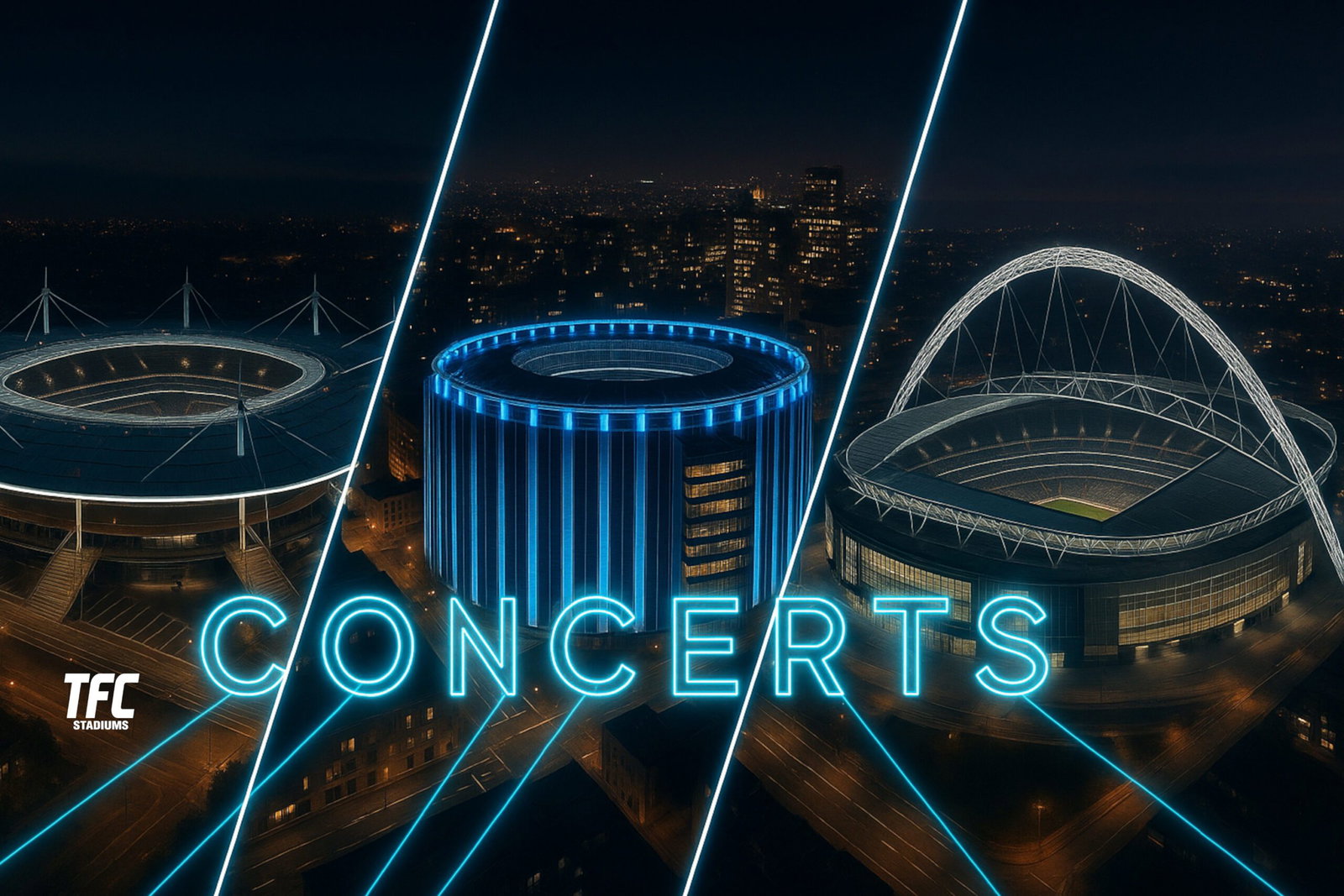
Not all stadiums are created equal when it comes to live music. Some were designed with acoustics and visual staging in mind, while others have earned their place through decades of unforgettable performances. These ten stadiums represent the pinnacle of large-scale concert venues, offering exceptional experiences for both artists and audiences.
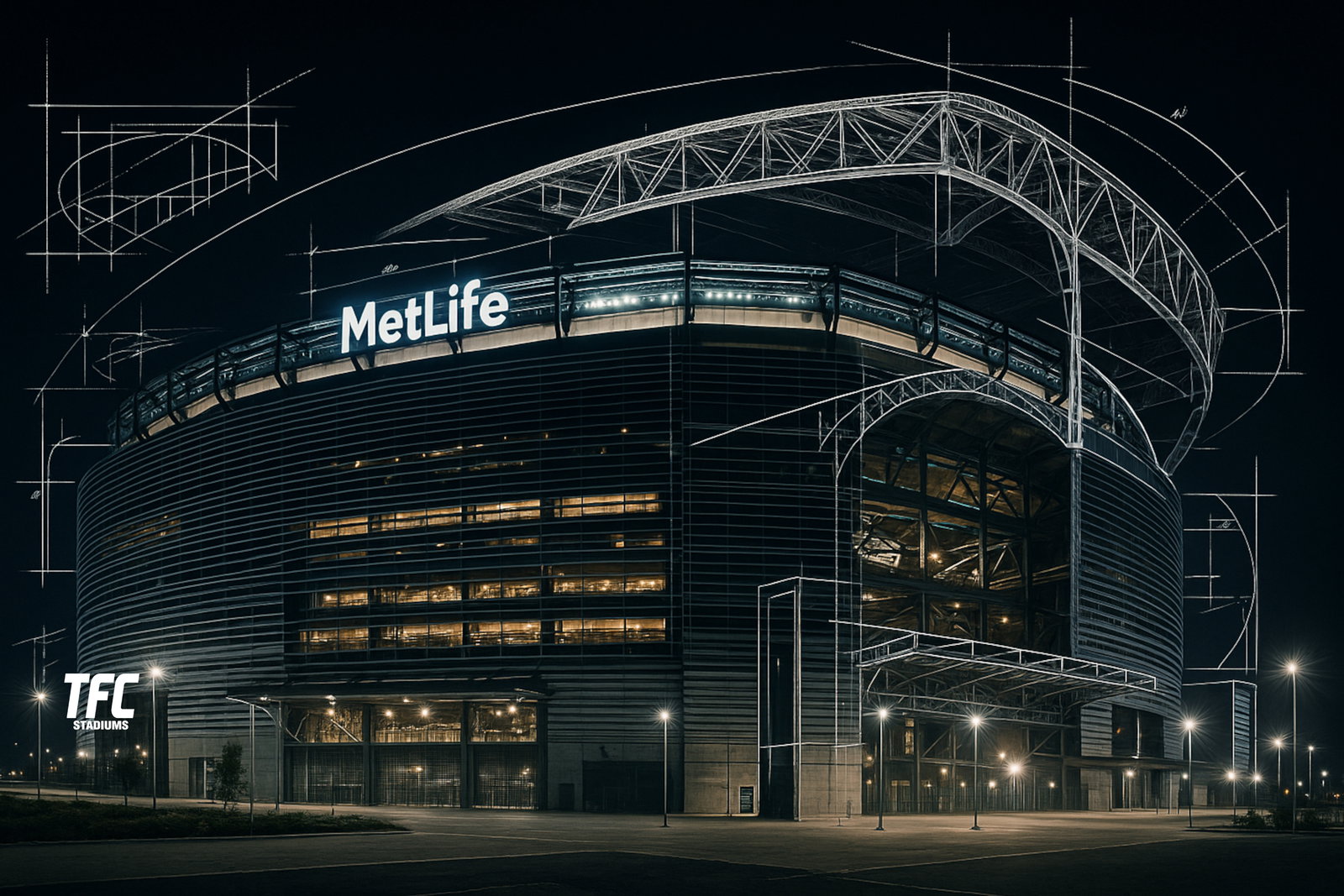
10. MetLife Stadium – East Rutherford, New Jersey, USA
MetLife Stadium has become one of North America’s most important concert venues due to its scale and logistical flexibility. Built to handle major global events, it supports vast stage builds and multi-night runs with ease.
Recent headline shows by Taylor Swift, Beyoncé and BTS have demonstrated how well it suits modern stadium touring.
Acoustically, MetLife favours power and volume. Sound clarity is strongest in lower tiers and floor sections, while upper levels benefit from large-scale visual production. Atmosphere is shaped by sheer crowd size, with nights often feeling monumental rather than intimate.
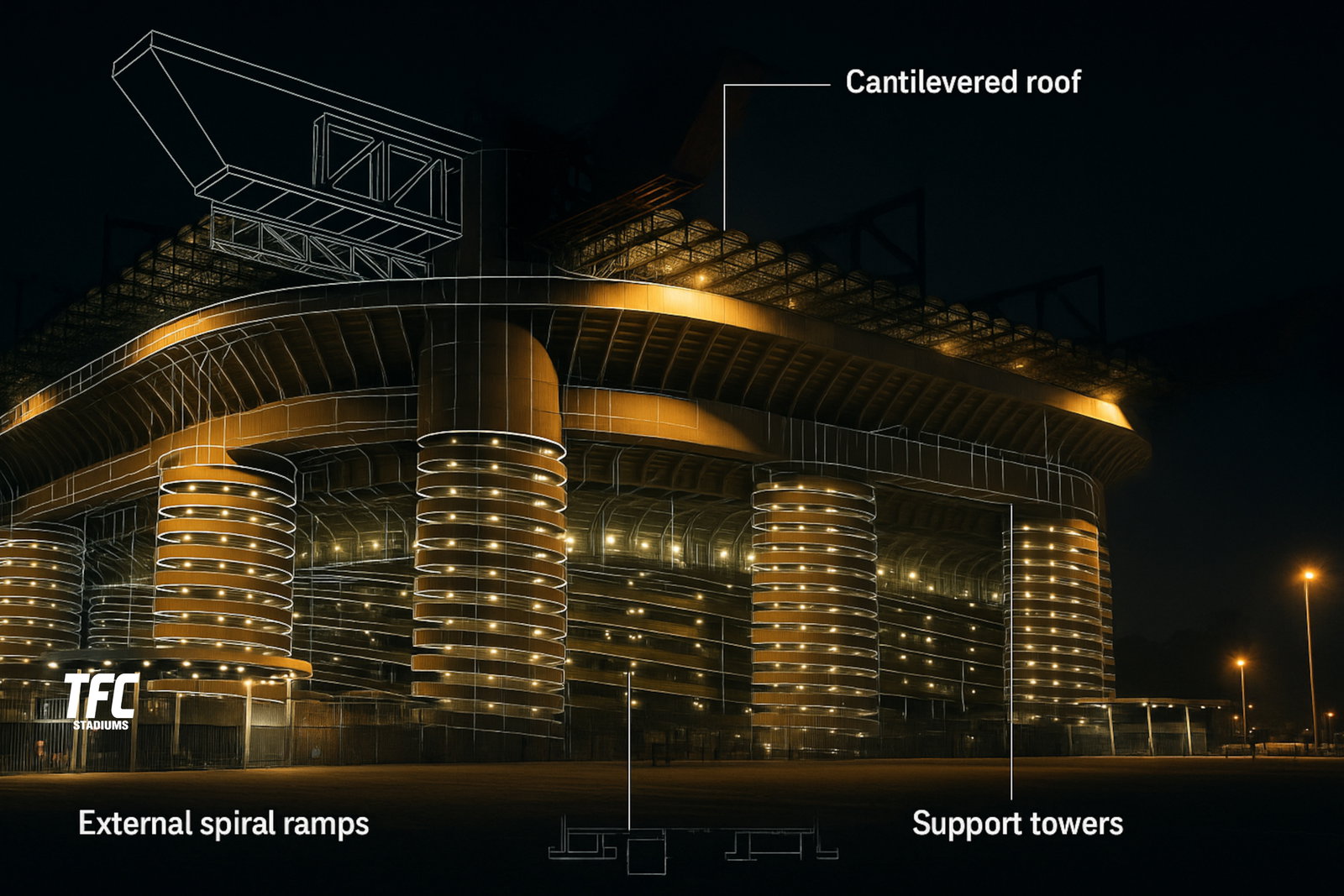
9. San Siro – Milan, Italy
San Siro trades acoustic finesse for legacy and presence. Its open structure demands heavy sound reinforcement, but few venues feel as culturally loaded.
Concerts by U2, Bruce Springsteen and Madonna have drawn enormous crowds.
Italian audiences bring theatrical energy, turning concerts into events that feel closer to festivals than stadium shows.
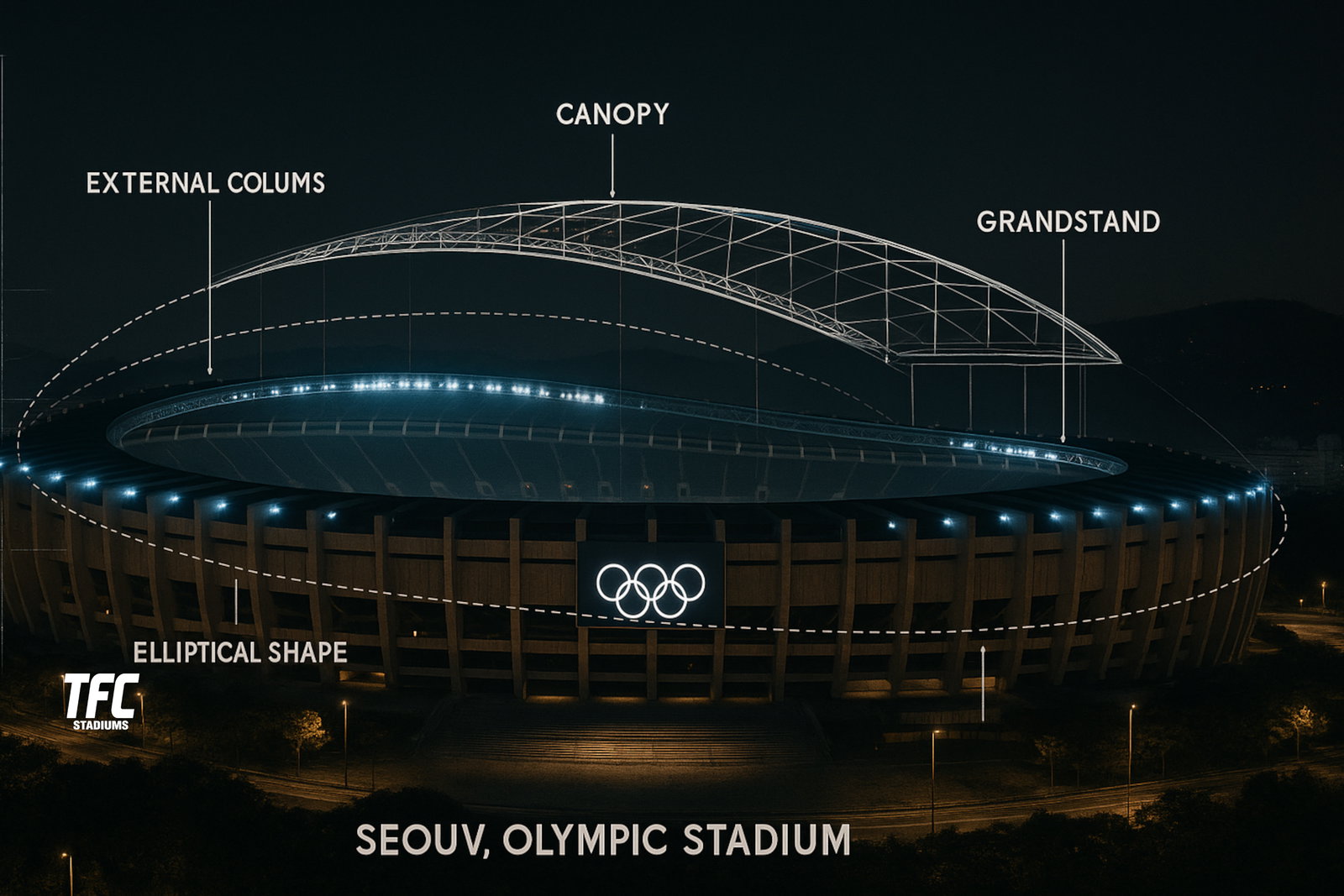
8. Olympic Stadium – Seoul, South Korea
Seoul Olympic Stadium is a cornerstone of Asian touring routes. It supports large, complex stage builds and huge audiences.
Acts such as BTS and Coldplay have demonstrated its full potential.
The bowl is wide and open, so sound engineers focus on balance and delay control. Crowd enthusiasm is high and well coordinated, giving shows a strong sense of momentum.
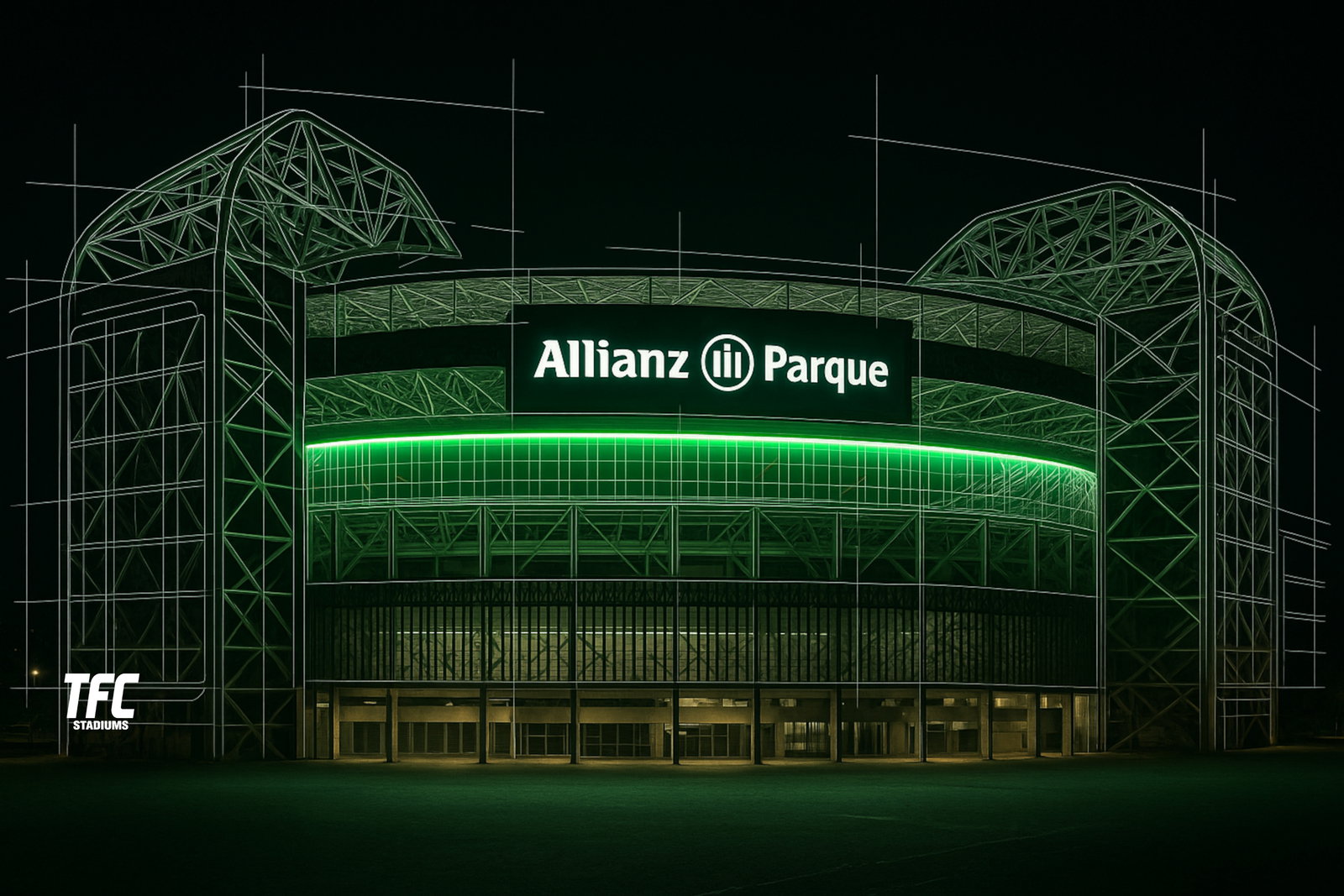
7. Allianz Parque – São Paulo, Brazil
Allianz Parque is one of South America’s most reliable modern concert stadiums. Its structure supports strong sound projection without excessive echo.
Performances by Paul McCartney, Metallica and Coldplay highlight how well it handles different genres.
The atmosphere is intense and joyful. Brazilian crowds sing constantly, which becomes part of the soundscape rather than a distraction.
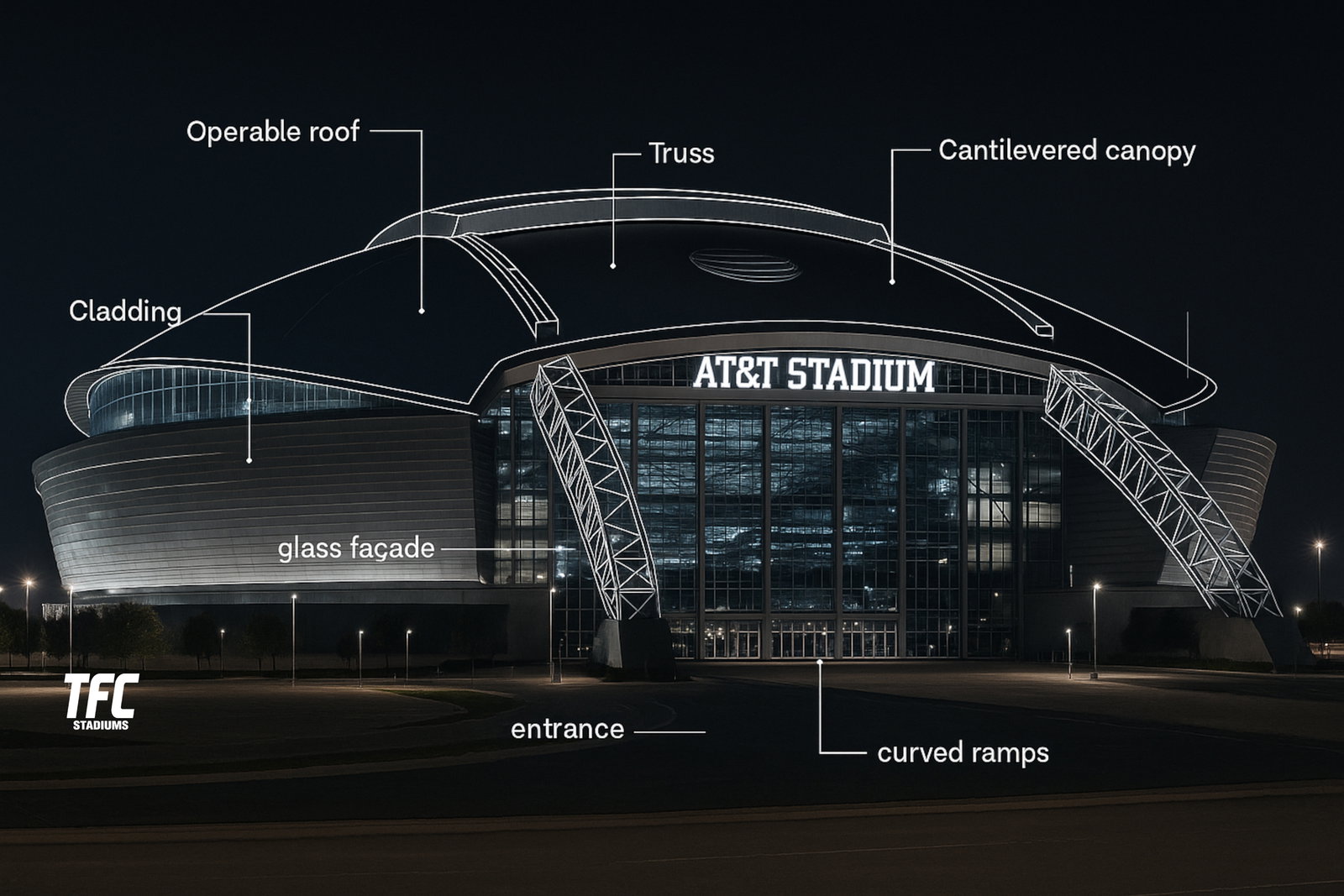
6. AT&T Stadium – Arlington, Texas, USA
This stadium was built with spectacle in mind. The massive retractable roof and enormous HD screen are more than just novelties; they provide practical advantages for large-scale concerts. With over 80,000 seats, advanced lighting systems and a consistent focus on production quality, it has hosted some of the most visually ambitious performances in the US.
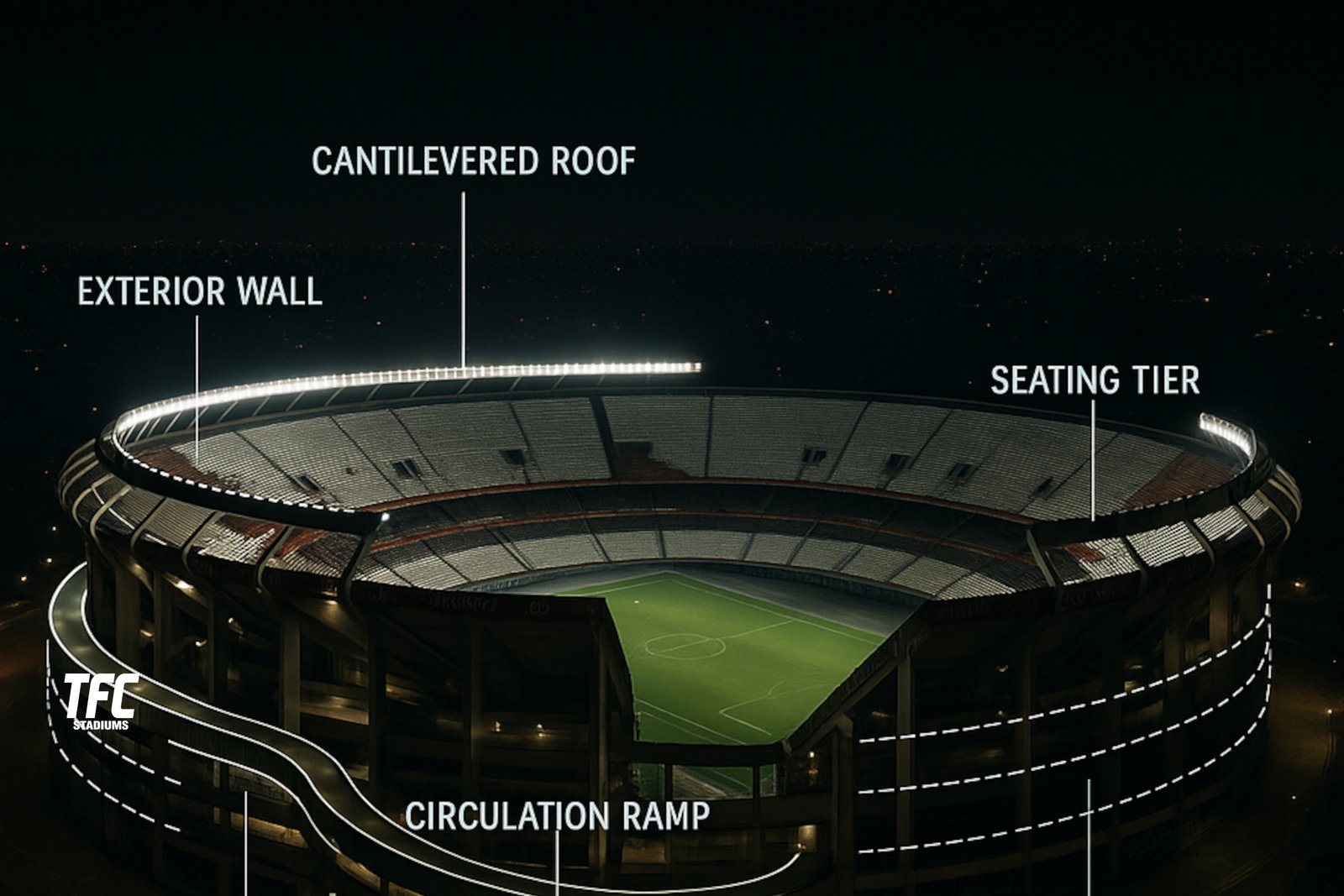
5. Estadio River Plate – Buenos Aires, Argentina
Known simply as River Plate, this stadium is defined by emotion. Technical perfection is not its calling card, but crowd energy more than compensates.
Historic performances by AC/DC and The Rolling Stones are still talked about decades later.
Sound systems are typically reinforced heavily to manage the open bowl, yet the atmosphere often overwhelms any imperfections. Few venues feel this alive.
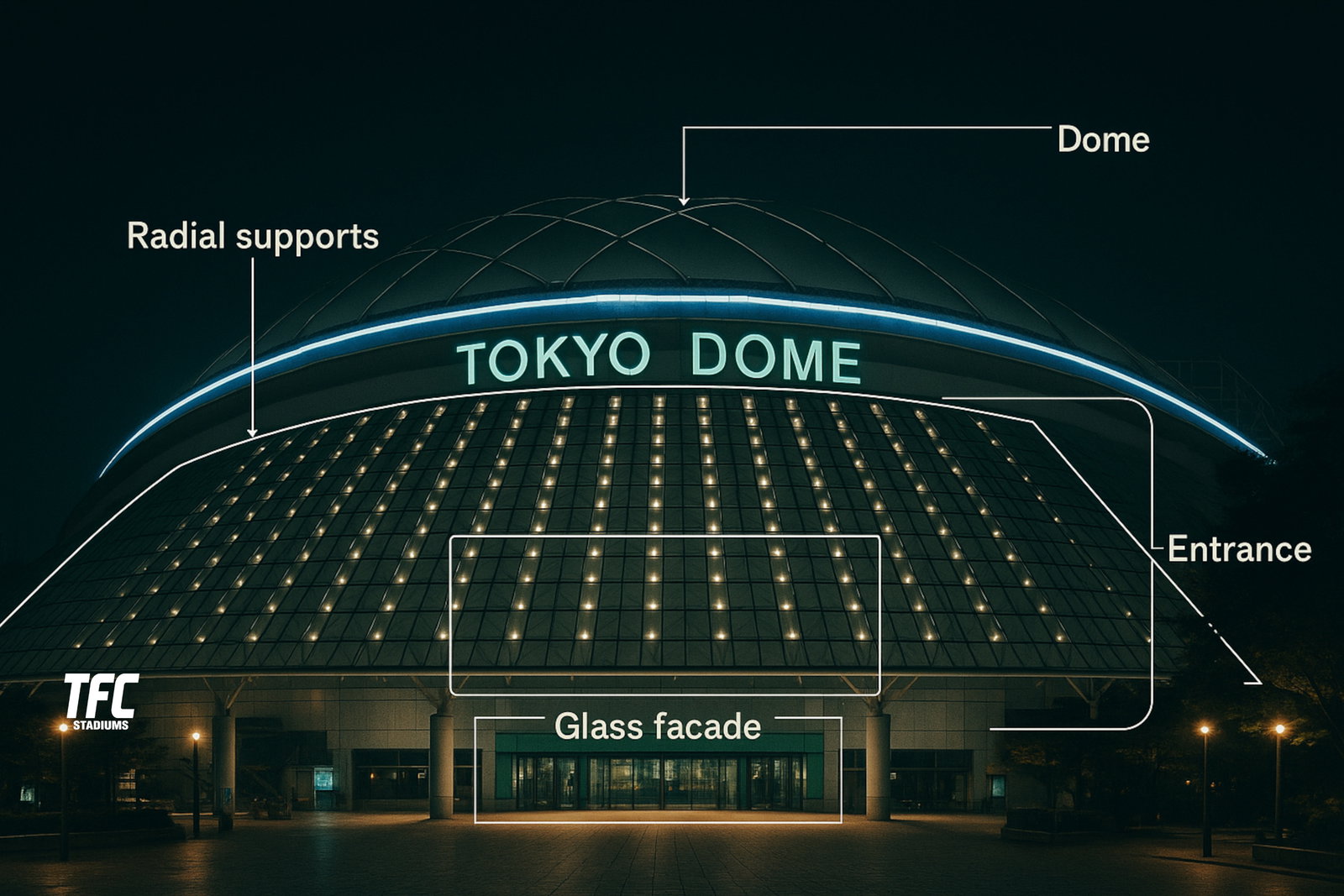
4. Tokyo Dome – Tokyo, Japan
The Tokyo Dome benefits from being fully enclosed, giving sound engineers far more control than open-air venues. This produces consistency across seating tiers.
It has hosted global acts alongside Japan’s biggest artists, with shows by Paul McCartney and BTS drawing huge crowds.
Audience behaviour is distinctive. Crowds listen closely during songs, then erupt between them, creating a clear rhythm to the night rather than constant noise.
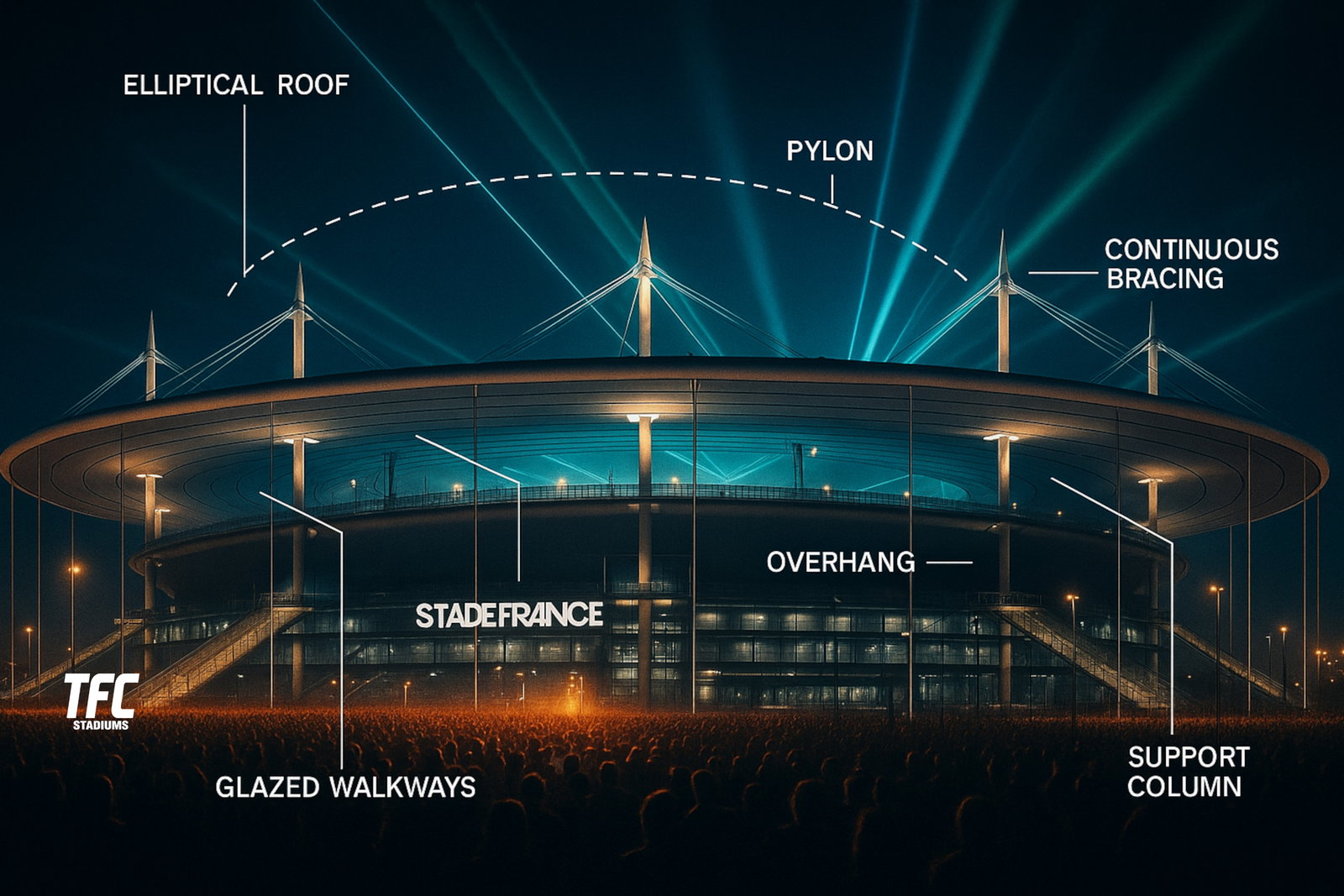
3. Stade de France – Paris, France
Stade de France is built for scale. It handles huge productions cleanly and remains one of Europe’s most reliable stadium stops for world tours.
Artists such as Beyoncé, U2 and The Rolling Stones have filled it repeatedly.
Acoustics favour power over nuance, though modern line-array systems keep vocals present across the bowl. The Paris crowd balances enthusiasm with attention, which suits stadium-scale pop and rock equally well.
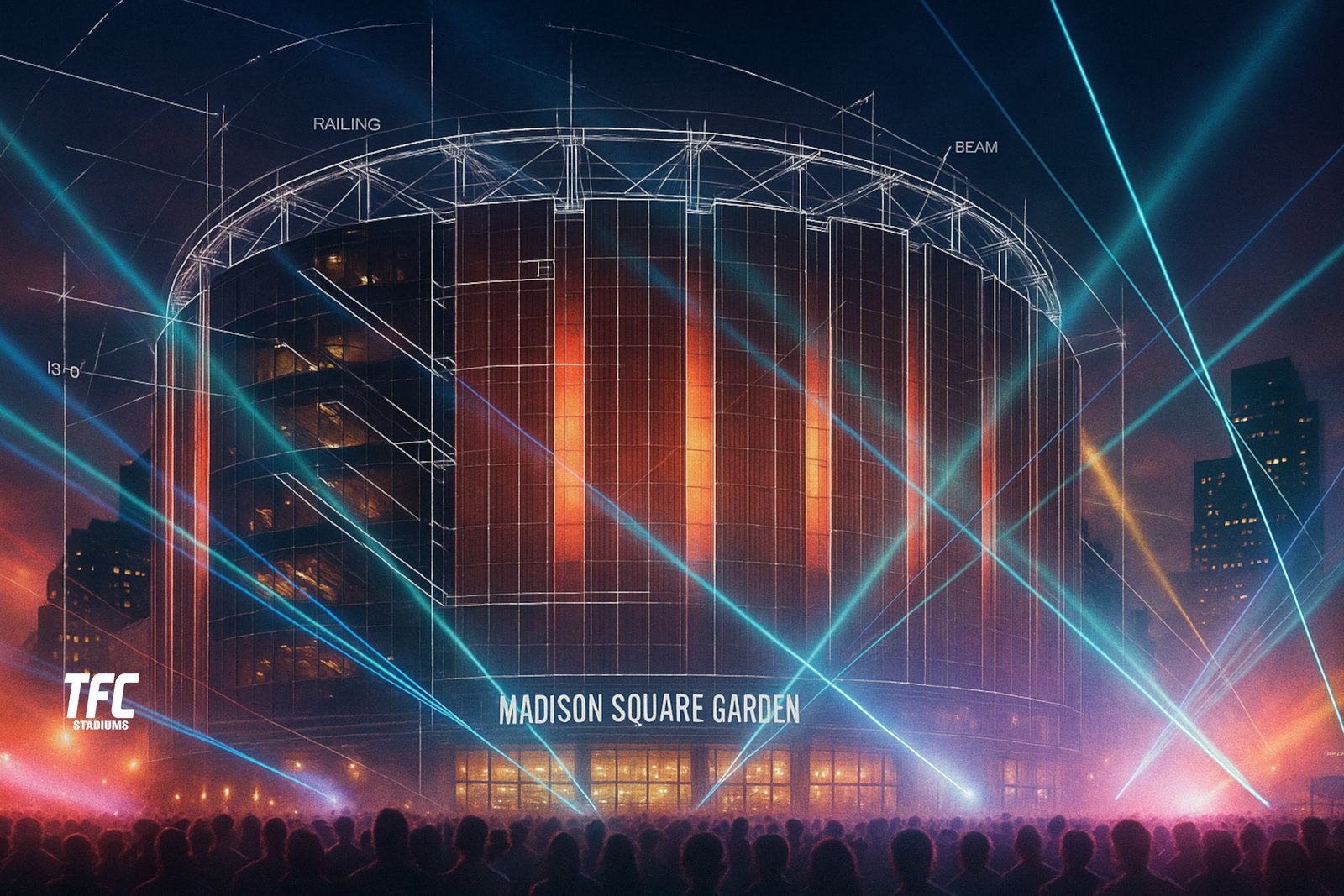
2. Madison Square Garden – New York City, USA
MSG is not the biggest venue on this list, but it may be the most reliable. Its bowl design creates even sound distribution and a tight, focused crowd response that touring artists love.
Artists who have played here include Bruce Springsteen, Billy Joel, Prince, Elton John, and The Rolling Stones.
Acoustics are clear and consistent across most sections, which is rare at this capacity. The atmosphere feels intense rather than sprawling, helped by the vertical seating and famously knowledgeable New York crowd.
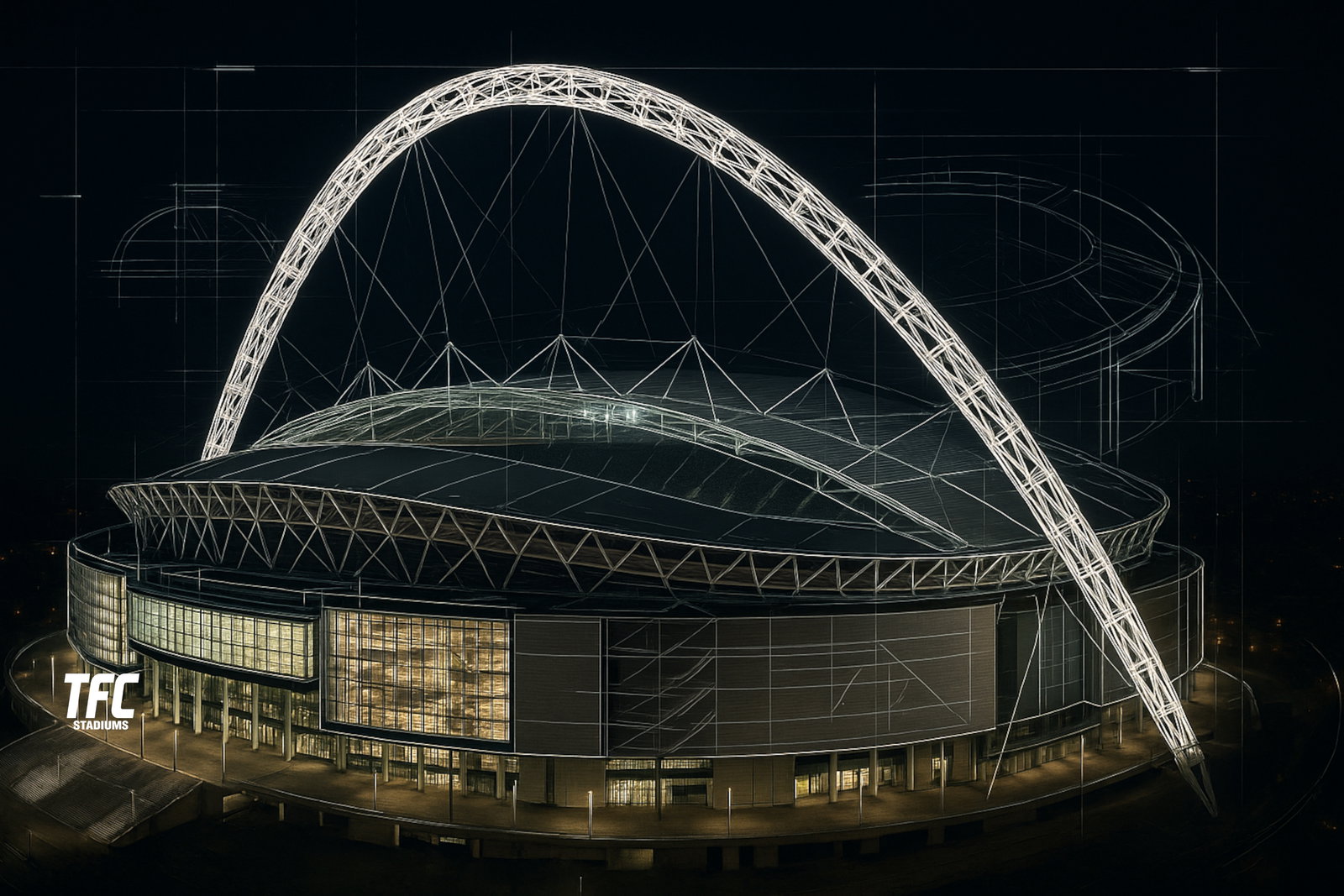
1. Wembley Stadium – London, UK
Wembley is vast, unapologetically loud, and built for moments that feel historic while they are happening. The modern rebuild fixed many of the acoustic issues that plagued the old stadium, especially with improved roof geometry and touring-grade sound reinforcement.
Artists who have played here include Taylor Swift, Adele, Ed Sheeran, Coldplay, and U2.
Acoustics lean powerful rather than delicate, with best sound usually coming from mid-tier lower seating or the front half of the pitch. Atmosphere is overwhelming in the best sense. When Wembley gets it right, the crowd becomes part of the performance.
Venue comparison table
| Venue | Typical concert capacity | Acoustic character | Atmosphere |
|---|---|---|---|
| Wembley Stadium | Up to 90,000 | Powerful, modern stadium sound | Unified and anthemic |
| Madison Square Garden | Around 20,000 | Clear, controlled | Intense and focused |
| Stade de France | 80,000+ | Loud, production-driven | Big European energy |
| Tokyo Dome | Around 55,000 | Consistent, enclosed | Polished with dramatic peaks |
| River Plate | 70,000+ | Reinforced, raw | Exceptionally emotional |
| AT&T Stadium | 80,000+ | Cinematic, visual-led | Spectacle-heavy |
| Allianz Parque | 70,000+ | Strong and balanced | Constant crowd engagement |
| Olympic Stadium Seoul | 60,000+ | Open, carefully managed | Highly enthusiastic |
| San Siro | 75,000+ | Historic, supplemented | Passionate and theatrical |
| MetLife Stadium | 80,000+ | Loud, expansive | Monumental scale |
Where to buy concert tickets
For most major stadium and arena shows, tickets are released in waves. Early access is often tied to artist fan clubs or venue mailing lists, followed by general sale.
Primary ticket sellers remain the safest option for face value pricing and buyer protection. These include venue box offices and major ticketing platforms commonly used in each region. For sold-out shows, reputable resale platforms can be useful, but prices fluctuate heavily based on demand, seating location, and timing.
A practical approach is to sign up to venue newsletters, follow touring announcements closely, and avoid buying on release day panic unless demand is clearly extreme. Many stadium shows release additional seats closer to the event once staging layouts are finalised.
TFC Takeaway
Great concert venues share a few traits. They respect sound, they understand crowd flow, and they allow scale without losing intimacy. Whether it is Wembley shaking under 90,000 voices or Red Rocks letting the music breathe into open air, the best venues do not just host concerts. They shape how those concerts are remembered.
About the Author