A Global Stage Reawakens as American Football Finds Its Way
Back to Mexico’s Loudest, Proudest Stadium
The Venue That Comes With Massive Moments
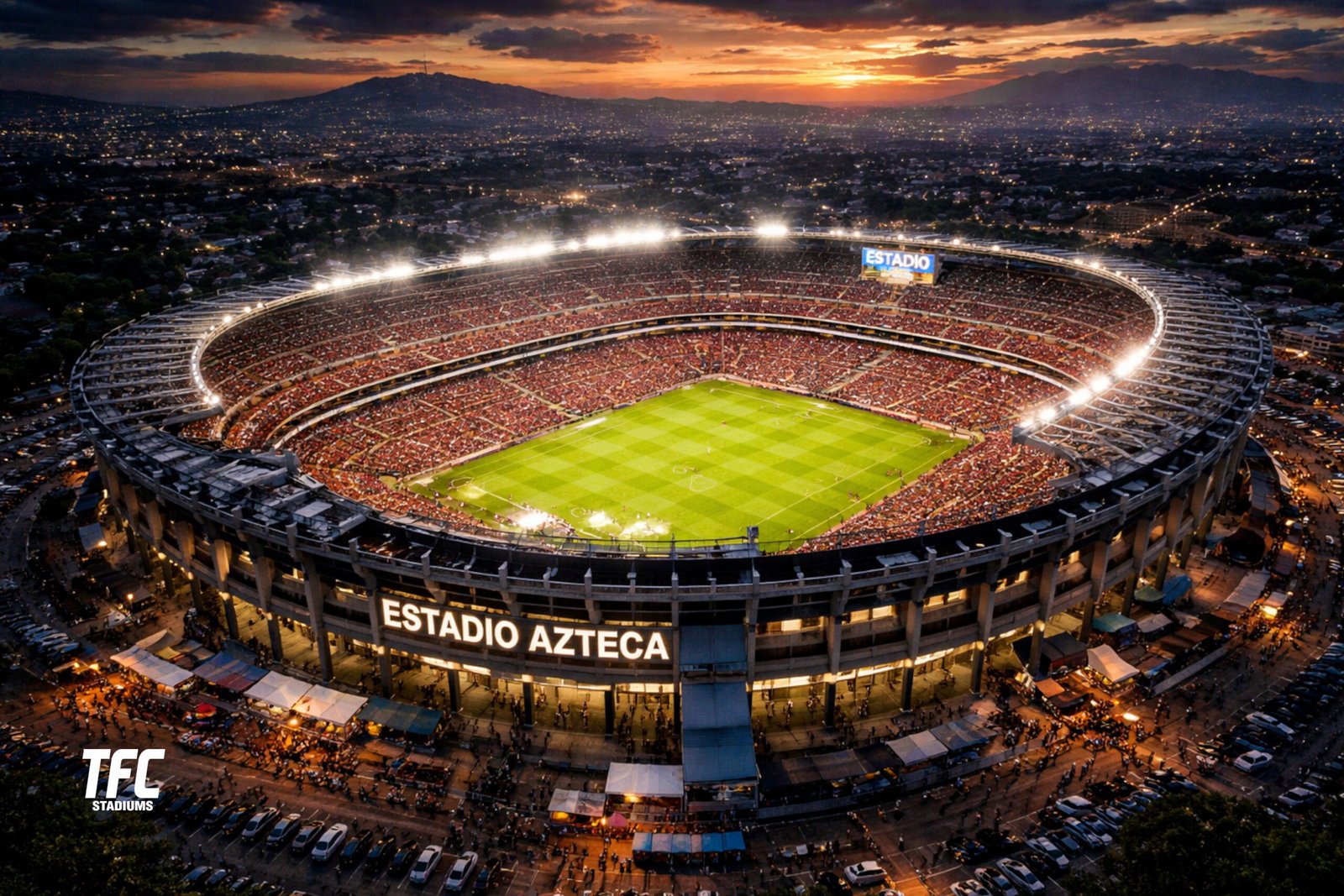
There are stadiums, and then there are places that feel alive long before kickoff. Estadio
Azteca in Mexico City has always been the latter. It is not just concrete and seats. It is memory stacked on memory. World Cups. Historic fights. Deafening crowds. So when the NFL returns here, it does not land like a sideshow or a one-off international stunt. It feels earned, and like the NFL should be there.
When American football comes back to Estadio Azteca in Mexico City in 2026, it will carry a different weight. This is not about checking a box for global expansion. It is about returning to a venue that already understands what massive moments are supposed to feel like. The scale and noise hit first. Then the realization that this crowd did not come to be polite. They came to be heard.
Fans tracking upcoming matchups and seeking the latest NFL betting lines can head to the BetUS sportsbook to explore current odds and betting options. International games, especially NFL games played in Mexico City, often bring unique spreads and totals that feel a little different from a standard Sunday slate, which only adds to the intrigue.
Why Estadio Azteca Hits Different for the NFL
History matters here. Estadio Azteca in Mexico City is one of the few venues on the planet
that has hosted multiple World Cup finals, legendary boxing bouts, and the NFL’s first
international regular-season game back in 2005. That game alone proved something important. This city did not need convincing. The record-setting crowd already knew how to show up.
Every time the league schedules NFL games played in Mexico City, the ripple effects show up fast. Youth football programs grow. Jerseys flood the streets, sports talk shifts tone. For a stretch, NFL coverage rivals the biggest Liga MX storylines. This is not a short visit. It is a long conversation that the league keeps choosing to continue.
Then there is the physical challenge. Teams feel it almost immediately. Preparation changes
and practice schedules shift. The altitude of over 7,200 feet makes the air much thinner than
any stadium in the US. This makes legs seem a step heavier late in games, and hydration
becomes a priority. Even play-calling tempo gets reconsidered. That edge, that discomfort, is part of what makes these games unpredictable and compelling.
The Crowd Is the Main Event
If anyone still wonders why Estadio Azteca in Mexico City remains a priority for the NFL, the answer sits in those 87,000 seats. The crowd brings its own rhythm. Traditional NFL chants collide with local sounds. The result is loud, layered, and relentless in the best way.
You see jerseys from every era and every franchise. Old Cowboys gear mixed with modern
Chiefs looks. Plenty customized with Mexican flags, nicknames, and personal touches. It feels less like a neutral site and more like a football festival that just happens to be hosting an NFL game.
Tailgating follows the same pattern. Familiar ideas, local flavor. American-style rituals mixed with regional food, music, and family gatherings. For many fans, Estadio Azteca events tied to the NFL are not just about four quarters. They are about being part of something that blends cultures without forcing it.
That atmosphere has quietly answered a question the league has wrestled with for years. Can American football truly thrive outside the United States? Every triumphant return to Mexico City nudges that answer closer to yes.
A Cornerstone of the NFL’s International Vision
Among all NFL international series stadiums, Estadio Azteca occupies a space no other venue quite matches. London brings tradition. Germany brings precision. Mexico City brings emotion, volume, and a sense that something bigger is happening the moment the teams take the field.
The NFL’s repeated returns are no longer experiments. They are commitments because ticket demand holds firm. Ratings follow, and fan engagement continues to climb. Players, meanwhile, often describe these games as some of the loudest environments they will ever experience, regardless of where else they play.
As the league looks ahead, Estadio Azteca in Mexico City remains a blueprint not just for
hosting international games, but for making them feel meaningful to the local audience rather than imported entertainment.
What This Return Really Signals
The NFL’s return is more than a date on the calendar. It is a statement. It reinforces Mexico City as a permanent part of the league’s global identity, not a temporary stop on a rotating tour. It also shows how Estadio Azteca events have evolved from rare spectacles into reliable, headline-level showcases.
For fans, the return means access and representation. For teams, it means preparing for a test that goes beyond the playbook. For the league, it is another step toward proving that football’s future does not stop at borders.
NFL games have been absent from Estadio Azteca since 2023 while the stadium undergoes
renovations ahead of the World Cup. But when kickoff finally returns to Mexico City in 2026, it will not feel like the league is stepping onto unfamiliar ground. It will feel like it is picking up right where it left off, on a stage that has been waiting patiently the whole time.
About the Author