A Stadium Built For The Smartphone Era
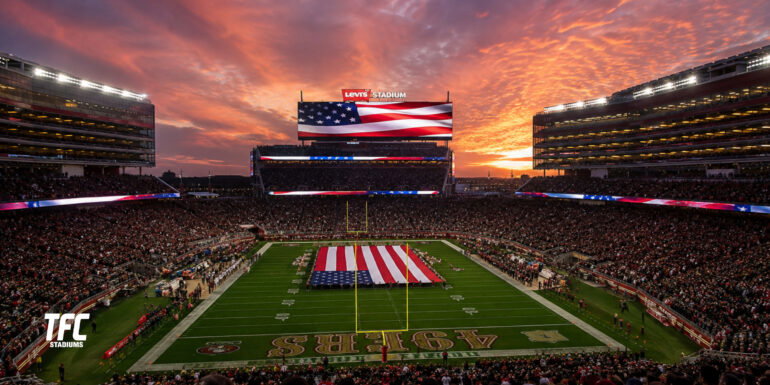
When Levi’s Stadium opened in 2014, it had a pretty unusual challenge. It was not enough to build a great football venue. It was opening in Santa Clara, the heart of Silicon Valley, where fans were probably more likely to complain about a slow upload than a long queue for nachos.
Home to the San Francisco 49ers, Levi’s Stadium was designed around digital connectivity from the beginning. While many older stadiums had to retrofit Wi-Fi systems into concrete structures built decades earlier, Levi’s Stadium arrived with technology woven into its foundations.
The goal was ambitious: allow tens of thousands of fans to stream, post, message, check fantasy scores, watch replays and use stadium services at the same time.
For a venue that regularly holds around 68,500 spectators and can expand beyond 70,000 for major events, that is a serious engineering challenge.
Why Stadium Wi-Fi Is So Difficult
At home, a handful of devices might share one router. Inside a major NFL stadium, the situation is completely different.
A typical event can involve:
- More than 60,000 connected fans
- Multiple devices per visitor
- Thousands of simultaneous video uploads
- Mobile ticket scanning
- Digital payments
- Stadium operations
- Media and broadcast requirements
The biggest problem is density. Everyone is packed into a relatively small area, often trying to use data at exactly the same moments.
The biggest spikes usually happen:
- Before kickoff when fans enter and share photos
- During big plays and touchdowns
- At halftime
- Immediately after the game
Basically, the exact moments when everyone wants their phone to work.
The Technology Behind Levi’s Stadium Wi-Fi
Levi’s Stadium was built with one of the most ambitious stadium wireless networks of its era.
The original system included:
| Feature | Purpose |
|---|---|
| Over 1,000 wireless access points | Provide coverage throughout seating areas and concourses |
| High-density Wi-Fi design | Support thousands of simultaneous connections |
| Under-seat access points | Improve signal strength close to fans |
| Distributed antenna systems (DAS) | Improve cellular connectivity |
| Fibre infrastructure | Move huge volumes of data quickly |
One of the smartest decisions was placing many access points underneath seats rather than relying only on overhead equipment. Stadium crowds create a unique problem because human bodies absorb radio signals. A full stadium behaves very differently from an empty one.
Yes, engineers effectively had to plan around 70,000 people becoming walking signal blockers. Technology is glamorous until you remember humans are mostly inconvenient bags of water.
Wi-Fi Performance And Data Usage
Levi’s Stadium has regularly ranked among the strongest NFL venues for wireless performance.
During major events, the network has handled enormous data demands. Super Bowl 50 in 2016 became an important test case, with fans generating record-breaking wireless traffic for the time.
Approximate major event usage examples:
| Event Type | Data Demand |
|---|---|
| Regular NFL games | Multiple terabytes of Wi-Fi traffic |
| Playoff games | Higher spikes due to increased sharing |
| Super Bowl events | Among the largest single-day stadium network loads |
Modern expectations have only grown. A fan in 2014 might upload a few photos. A fan today may stream video, upload 4K clips, check live betting data, watch highlights and message throughout the game.
The stadium network has needed to evolve because fans do not simply attend games anymore. They document them.
The Levi’s Stadium App Experience
Connectivity was designed to support the wider digital stadium ecosystem.
The Levi’s Stadium app has offered features such as:
- Mobile ticket management
- Digital stadium maps
- Food and drink information
- Team content
- Event updates
- Parking information
Earlier versions pushed even further, experimenting with options such as in-seat delivery and instant replay features.
Not every idea became a permanent part of the matchday experience, but the stadium acted almost like a testing ground for what the future of live sport could become.
How It Compares With Other NFL Stadiums
Levi’s Stadium helped raise expectations across the league.
| Stadium | Technology Reputation |
|---|---|
| Levi’s Stadium | Built around Silicon Valley connectivity and data-heavy usage |
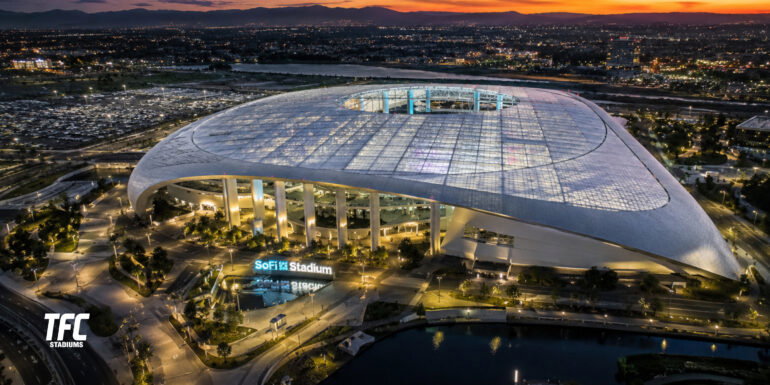
| SoFi Stadium | Modern infrastructure supporting huge media demands |
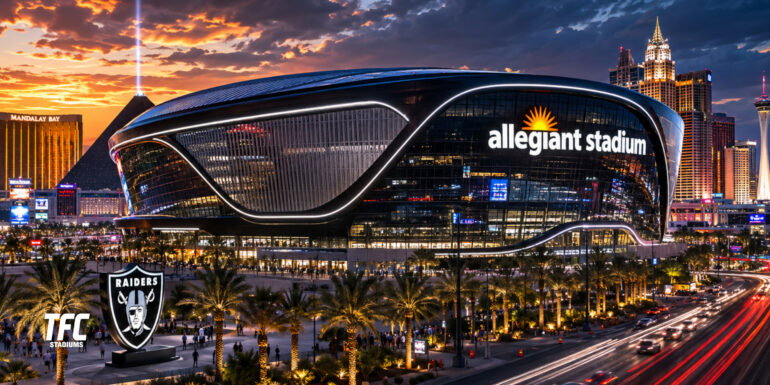
| Allegiant Stadium | Strong mobile-first fan experience |
| Mercedes-Benz Stadium | Advanced digital systems and fan technology |
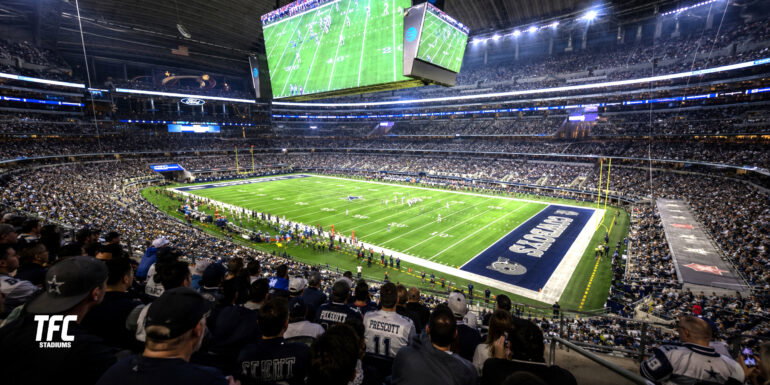
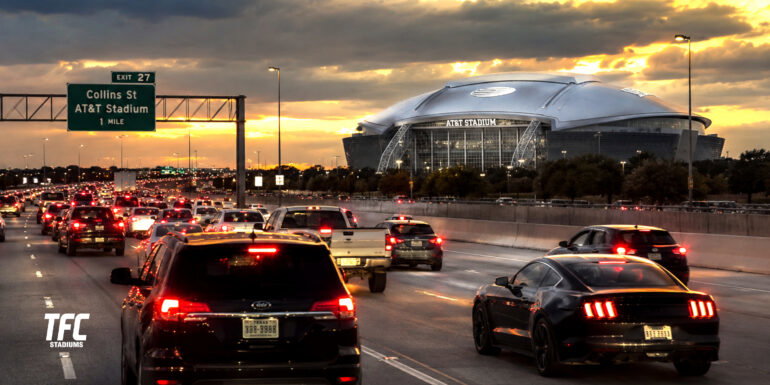
| AT&T Stadium | Large-scale screens and entertainment technology |
Newer venues have caught up in several areas, but Levi’s Stadium deserves credit for forcing the conversation forward.
Before stadium Wi-Fi became normal, many venues treated connectivity as a bonus. Levi’s Stadium treated it as part of the building.
Challenges And Criticism
The technology has not removed every frustration.
Common stadium connectivity problems can still include:
- Slower speeds during peak moments
- Device compatibility issues
- Login problems
- Heavy network congestion during major events
There is also an interesting debate about whether constant connectivity improves the live experience.
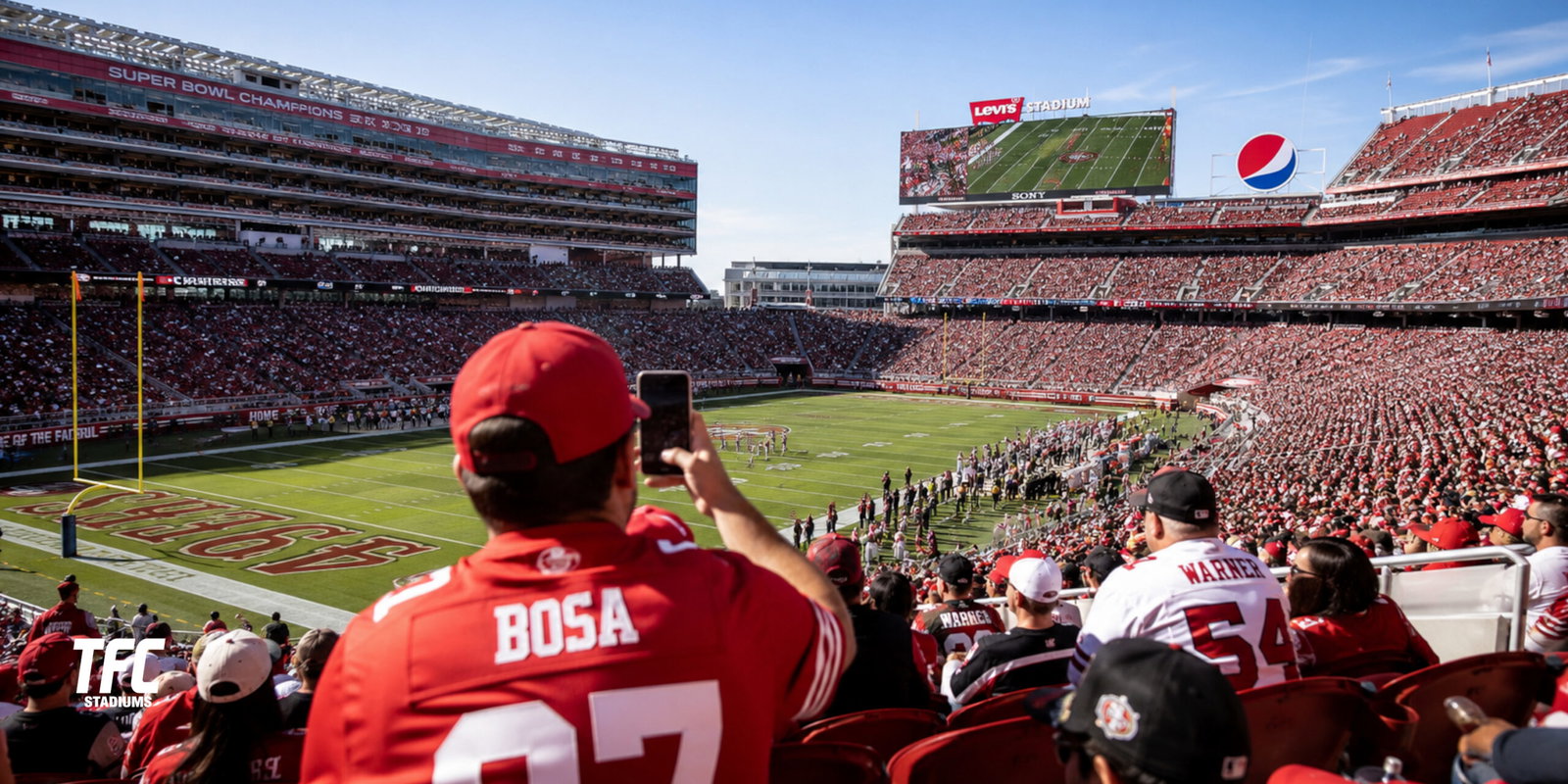
Some fans love instantly sharing every moment. Others argue that watching a touchdown through thousands of raised phone screens takes something away from being there.
The truth is probably somewhere in the middle. Great Wi-Fi should support the experience without becoming the experience.
Future Wi-Fi And Connectivity Upgrades
The next phase of stadium technology is moving beyond basic internet access.
Future improvements are likely to focus on:
- Wi-Fi 6 and newer wireless standards
- Better augmented reality features
- Faster mobile ordering
- More personalised stadium apps
- Real-time crowd information
- Improved security and operations
With major global sporting events coming to the United States, including the 2026 FIFA World Cup, venues like Levi’s Stadium are under pressure to provide flawless digital experiences.
Fans expect the same connection quality they get at home while surrounded by tens of thousands of people. It is a ridiculous technical request, but modern stadium engineers somehow have to make it happen.
Levi’s Stadium Changed What Fans Expected
Levi’s Stadium was not perfect when it opened, and technology moves too quickly for any venue to stay ahead forever. However, its approach to connectivity was genuinely influential.
The 49ers built a stadium where Wi-Fi was considered as important as food service, seating and video boards. That sounds obvious today, but it was a major shift at the time.
In many ways, Levi’s Stadium became less like a traditional sports venue and more like a giant connected device with a football field in the middle.
For better or worse, it predicted exactly where modern sport was heading.
About the Author