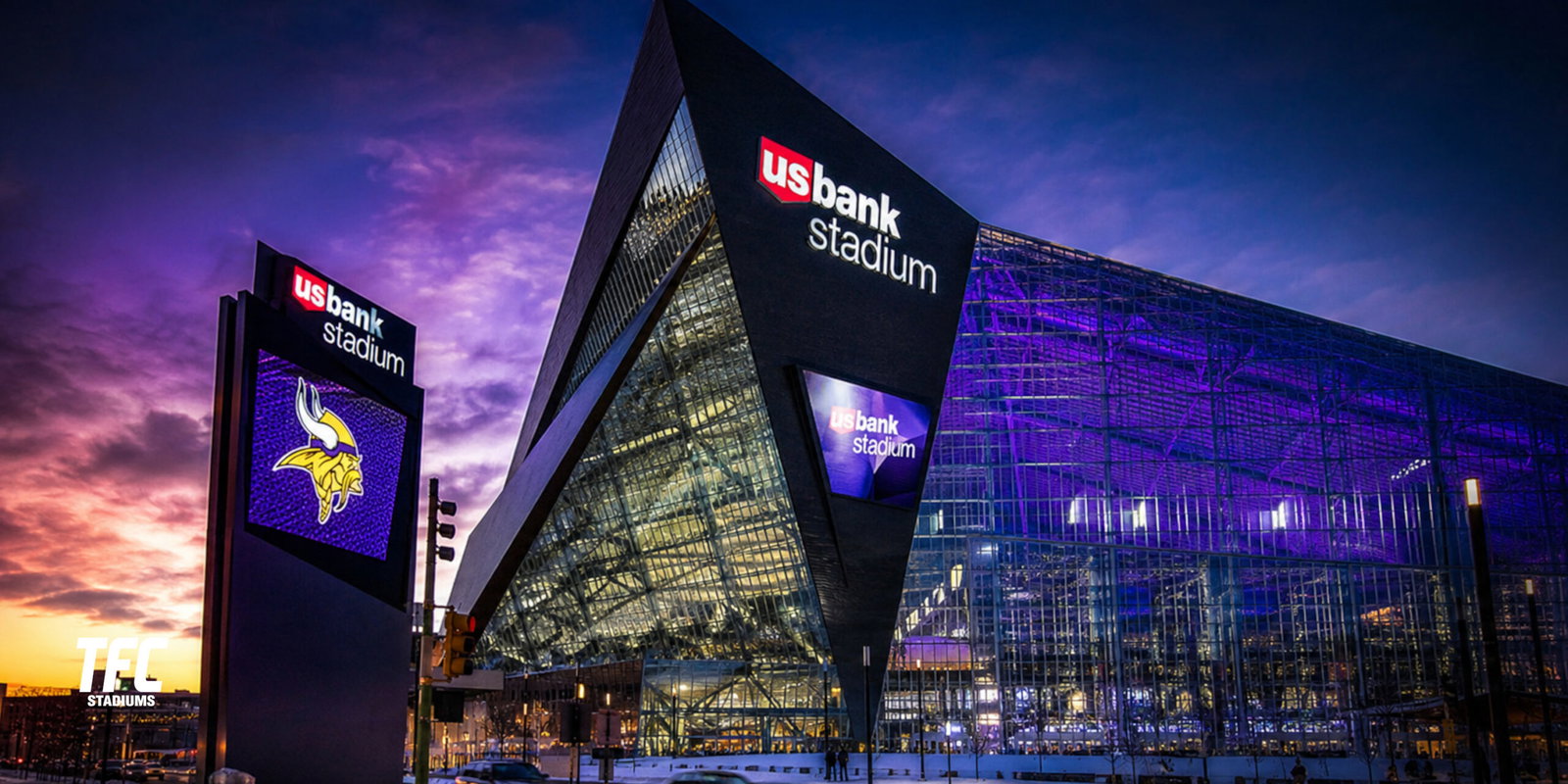
A Stadium Built to Defeat a Minnesota Winter
Minnesota does not mess around when it comes to winter. This is a place where temperatures can drop below zero, snowstorms become personality tests, and locals describe weather that would terrify Californians as “a little chilly.”
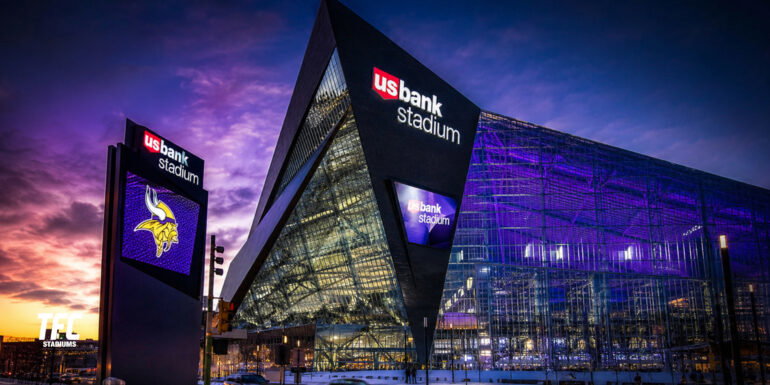
When U.S. Bank Stadium opened in Minneapolis in 2016, the goal was not simply to replace the old Metrodome. The Minnesota Vikings needed a modern NFL venue capable of handling one of America’s toughest climates while still feeling connected to the city outside.
The solution was a fixed-roof stadium packed with advanced heating, ventilation and climate technology. While fans outside might be battling icy winds, the 66,000-plus people inside can watch football in controlled comfort.
Basically, Minnesota built a giant Viking ship that laughs at winter.
Why U.S. Bank Stadium Does Not Have a Retractable Roof
One of the first questions fans ask is why the stadium does not simply open and close like other modern NFL venues.
The answer is simple. Minnesota.
A retractable roof sounds great until you remember that Minneapolis winters bring:
- Heavy snowfall
- Ice accumulation
- Sub-zero temperatures
- Powerful winds
- Major heating demands
Adding a movable roof would have increased construction costs, maintenance requirements and engineering complexity. Instead, designers created a fixed transparent roof using ETFE, a lightweight plastic material.
This allows natural light into the stadium while protecting everyone inside from the elements.
Fans get the bright outdoor feel without needing five layers, hand warmers and a survival strategy.
How the Heating System Works
U.S. Bank Stadium uses a sophisticated HVAC system designed around efficiency and consistency.
The stadium’s heating technology includes:
- High-capacity air handling systems
- Automated temperature controls
- Efficient air distribution
- Advanced insulation
- Energy monitoring systems
Rather than simply blasting hot air into a huge space, the system manages different zones throughout the building.
Areas such as:
- Seating bowls
- Suites
- Concourses
- Locker rooms
- Restaurants
- Media spaces
can be controlled individually.
That matters because heating a modern NFL stadium is not like turning up the thermostat at home. It is closer to managing the climate inside a small city that happens to host football games.
The Role of the ETFE Roof
The stadium’s roof is one of its smartest design features.
ETFE panels cover much of the structure and help create a greenhouse-style effect. Sunlight enters the building, adding natural warmth and reducing reliance on artificial lighting during daytime events.
Benefits include:
- Better natural lighting
- Reduced structural weight
- Lower energy demands compared with traditional glass
- Improved temperature control
The roof also prevents the snow problems that famously affected the old Metrodome, where a 2010 snowstorm caused the inflatable roof to collapse.
The Vikings learned their lesson. Snow belongs outside the stadium, not becoming the halftime entertainment.
Heating the Field Surface
Unlike open-air northern NFL stadiums, U.S. Bank Stadium does not need an underground heating system to keep the playing surface from freezing.
The controlled indoor environment protects the field, allowing the artificial turf system to remain consistent throughout the season.
This gives players:
- Reliable footing
- Predictable conditions
- No frozen surface issues
- Fewer weather-related disruptions
Some football traditionalists love a snowy battlefield, and there is something magical about those games. But when you are protecting a multi-million-dollar roster, avoiding an ice rink disguised as a football field has advantages.
Energy Efficiency and Sustainability
Keeping a huge stadium warm through a Minnesota winter requires serious planning.
U.S. Bank Stadium was designed with sustainability in mind and became the first professional sports stadium to achieve LEED Platinum certification for operations and maintenance.
Efficiency features include:
- LED lighting systems
- Water conservation technology
- Energy tracking systems
- High-performance building materials
- Waste reduction programmes
The heating system works as part of a larger environmental strategy rather than simply overpowering the weather.
It is less “turn everything to maximum” and more “outsmart the cold.”
How Warm Is U.S. Bank Stadium During Vikings Games?
Although temperatures vary depending on the event, indoor conditions are designed to remain comfortable for spectators.
Fans can usually attend Vikings games wearing normal indoor clothing rather than dressing for a January expedition across frozen Minnesota.
Compare the experience:
| Stadium | Winter Conditions |
|---|---|
| U.S. Bank Stadium | Climate controlled indoor environment |
| Lambeau Field | Outdoor cold, snow and wind |
| Soldier Field | Outdoor exposure |
| Highmark Stadium | Heavy snow potential |
There is beauty in old-school football weather, but there is also beauty in watching a fourth quarter without losing feeling in your toes.
How It Compares With Other Modern NFL Stadiums
U.S. Bank Stadium belongs to a generation of NFL venues where engineering is almost as important as seating capacity.
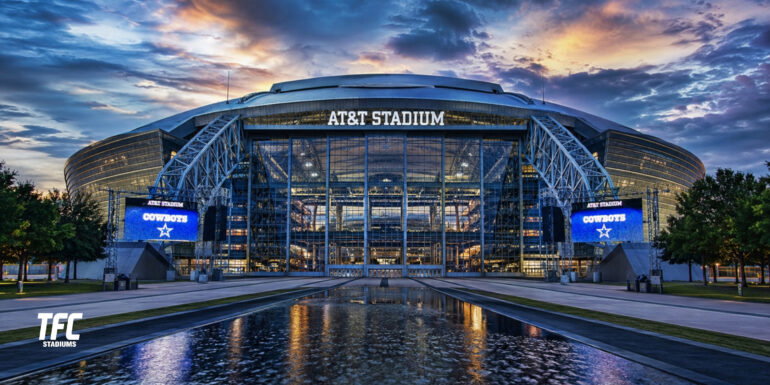
Compared with stadiums like SoFi Stadium, Allegiant Stadium and AT&T Stadium, it had a different challenge.
Those venues deal with heat, sunlight and desert climates.
Minnesota’s problem was survival mode winter.
The design philosophy was clear:
Build something bold.
Let fans feel connected to the outside.
Never let the outside actually win.
The Future of Stadium Climate Technology
Future NFL stadiums will likely become even smarter, using more advanced sensors, renewable energy integration and automated systems that adjust conditions in real time.
U.S. Bank Stadium already showed how climate design can become part of a venue’s identity.
It is not just where the Vikings play. It is proof that modern engineering can take one of the harshest environments in American sports and make it comfortable.
Minnesota still gets the freezing temperatures, the snow and the brutal winters.
The difference?
The Vikings finally found a way to put a roof over Valhalla.
About the Author