Signal Iduna Park in Dortmund is more than a stadium. It is a living monument to the culture of German football. Known for its electrifying atmosphere and the famous Yellow Wall, this venue stands as a symbol of unity, identity, and passion. Built on working-class foundations and fuelled by generations of loyal fans, the stadium captures the essence of what football means in Germany.
The Stadium Itself
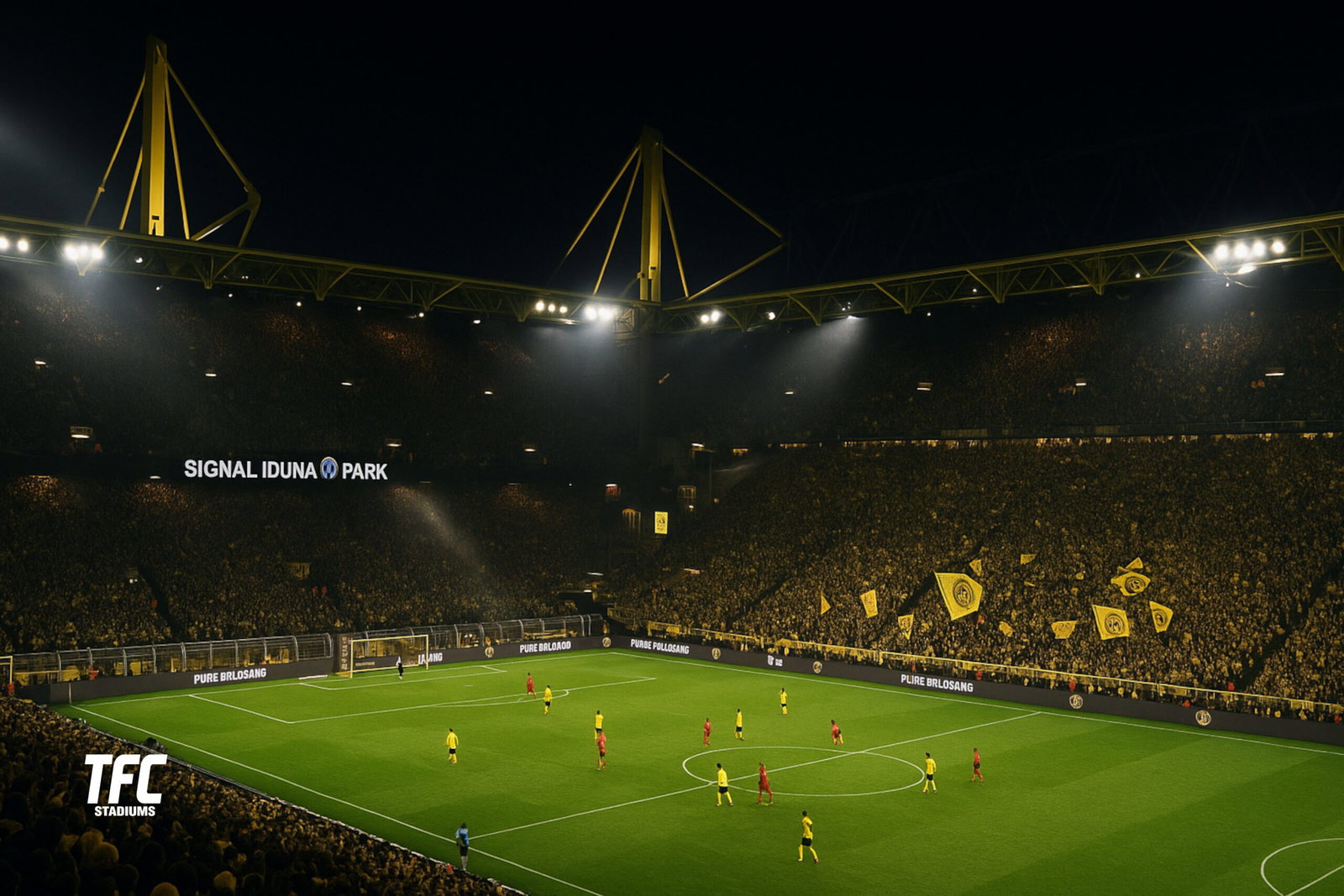
Signal Iduna Park, originally opened in 1974 as Westfalenstadion, is the largest stadium in Germany, with a capacity exceeding 81,000. Its steep stands, compact bowl, and exposed steel trusses create an atmosphere that is both intimidating and intimate.
Key features include:
- The Yellow Wall: The Südtribüne, Europe’s largest standing terrace, holding around 25,000 fans.
- Architectural Design: Modular and purpose-built for football, ensuring every fan feels close to the pitch.
- Modern Upgrades: Despite its age, the stadium continues to evolve with new hospitality zones, improved acoustics, and enhanced accessibility.
It strikes a rare balance between old-school football charm and modern engineering efficiency, setting a benchmark for stadium design across Europe.
The Yellow Wall
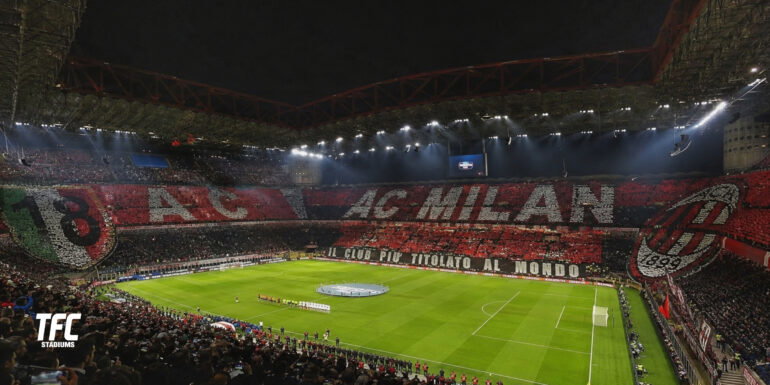
The Südtribüne is not just a stand. It is a living organism that breathes rhythm into every matchday. The fans choreograph vast displays, wave banners that span multiple tiers, and sing with unity that shakes the steel structure.
The sound from the Yellow Wall is famous for its depth and timing. Unlike the scattered noise of many modern arenas, Dortmund’s chanting follows the pulse of the game. It rises and falls naturally, pulling the team forward. Players, even opponents, often describe it as overwhelming.
A Community, Not a Brand
German football operates on a fan-first philosophy that contrasts sharply with many other European leagues. The 50+1 ownership rule ensures supporters retain majority control, and Signal Iduna Park embodies that democratic spirit. Tickets remain affordable, and local fans take priority over corporate guests.
Matchdays are civic events in Dortmund. The pubs, trams, and squares around the city fill with yellow and black, while the scent of bratwurst and beer fills the air. For many, it is a weekly ritual, not an entertainment product.
Chants, Rituals, and Loyalty
Dortmund’s fans are renowned for their creativity and loyalty. From choreographed displays to heartfelt tributes, their culture blends humour, defiance, and collective pride. Traditional songs such as “You’ll Never Walk Alone” have been adapted into their own, creating a soundscape that is both familiar and unique.
Even in defeat, the fans stay behind to applaud the team. This sense of endurance, built over decades of struggle and triumph, defines the Dortmund identity.
Beyond Dortmund
Signal Iduna Park’s influence stretches across Germany. It stands as a model for how stadiums can remain accessible while offering a world-class experience. Many clubs have tried to replicate the balance of passion, design, and affordability found here.
In the broader German football landscape, the stadium represents something sacred: the belief that football belongs to the people. It is this ethos that has helped German fan culture resist over-commercialisation and maintain its authenticity.
Legacy and Symbolism
Signal Iduna Park is more than Borussia Dortmund’s home. It has hosted World Cup matches, Champions League nights, and countless moments of footballing drama. Yet, its legacy is built not on trophies but on connection.
It symbolises the collective heartbeat of a city that lives and breathes football. Its echoes remind visitors that the sport’s power lies not in wealth or branding, but in belonging.
TFC Takeaway
To stand on the Südtribüne is to understand German football’s soul. Signal Iduna Park is not simply where Borussia Dortmund play. It is where the city gathers, where tradition meets modernity, and where football remains what it was always meant to be, a game for the people.
About the Author