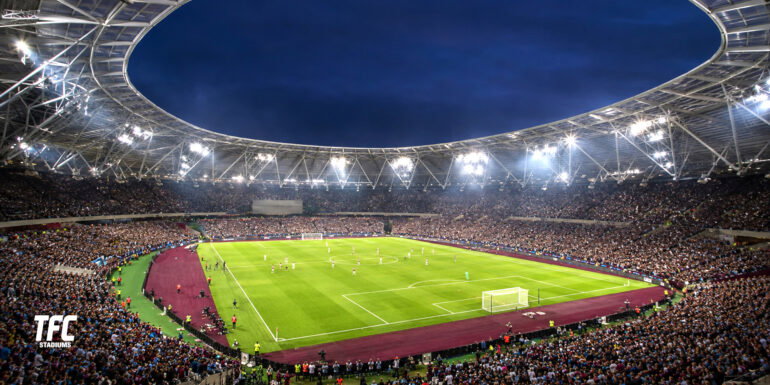
Wembley is many things. A national landmark, a pilgrimage site for football fans, and on big concert nights a small city that briefly appears in north west London. To make that scale work, ticketing has had to move on from paper stubs and frantic gate staff. Smart ticketing is now a core part of how Wembley operates, shaping how people arrive, enter, move, and leave.
This is not about novelty. It is about managing 90,000 people without turning the approach roads into a test of patience or the turnstiles into a bottleneck.
What Smart Ticketing Means in Practice
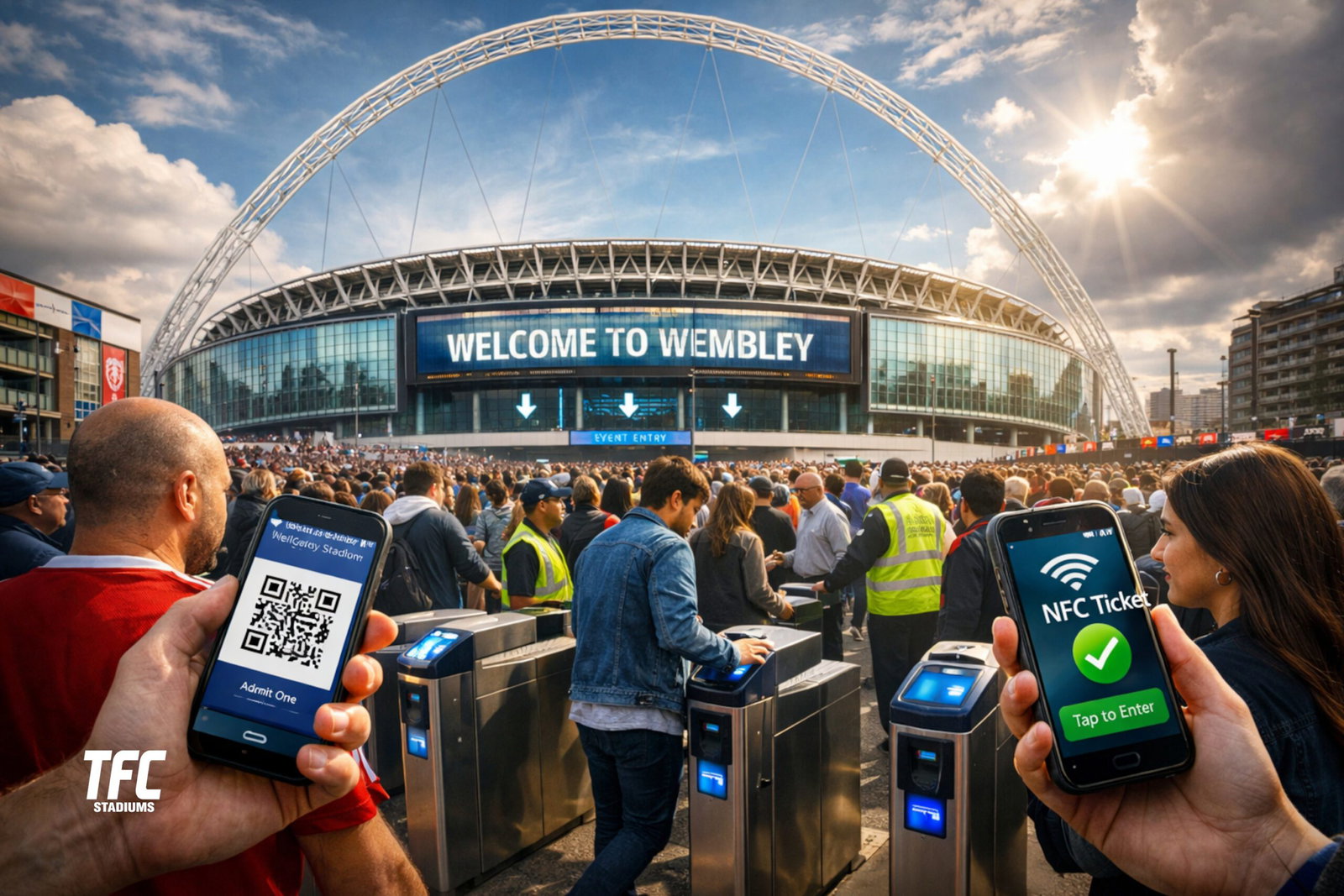
At Wembley, smart ticketing mostly means mobile and digital tickets delivered through official apps or secure wallets. QR codes and NFC passes replace printed tickets, with validation happening in seconds at entry points.
The system is designed around throughput. Gates scan quickly, errors are flagged instantly, and stewards can redirect fans before queues start to stack up. For most visitors, the experience is quieter and less frantic than it used to be. You walk, you scan, you are in.
Entry Flow and Crowd Control
One of the biggest advantages of smart ticketing is how it feeds data back to operations teams in real time. Wembley can see which zones are filling, which turnstiles are slowing, and where staff need to intervene.
This matters most during peak arrival windows, usually the final forty five minutes before kick off or a headline act. Instead of reacting after congestion forms, the stadium can adjust gate allocations and stewarding on the fly. It is not glamorous, but it keeps things moving.
Security and Fraud Prevention
Digital tickets are harder to duplicate and easier to invalidate. Each scan is logged, which sharply reduces the old problems of cloned barcodes and resold paper tickets that failed at the gate.
For high demand events, this has been a quiet win. Fewer disputes at entry, fewer frustrated fans being turned away, and clearer accountability when something does go wrong. From a fan perspective, it also removes the low level anxiety of wondering whether a ticket bought weeks ago will actually work.
Accessibility and Assisted Entry
Smart ticketing has also improved accessibility, provided it is handled properly. Wembley integrates accessible seating with digital ticket management, allowing stewards to identify requirements quickly without awkward conversations at the gate.
There is still room for improvement, particularly for visitors who are less comfortable with smartphones. Wembley continues to offer support points and limited print options, which feels like the right balance rather than forcing everyone down one route.
The Impact on the Matchday Experience
For regulars, the biggest change is psychological. Entry feels calmer. The moment where a paper ticket might tear, smudge, or vanish into the wrong pocket has gone.
Inside the stadium, smart ticketing also links into cashless concessions and in seat services at certain events. The result is a smoother evening overall, with fewer interruptions and less queue watching. Nobody comes to Wembley to admire the payment infrastructure, but they notice when it works.
Where Smart Ticketing Still Falls Short
No system is perfect. Phone battery anxiety is real, and signal strength can still wobble when tens of thousands of devices are competing at once. Wembley mitigates this with offline ticket storage and scanning redundancy, but the risk has not vanished.
There is also a learning curve for occasional visitors, especially older fans or those attending a one off concert. Clear pre event communication helps, and Wembley has improved here, but clarity is doing a lot of the heavy lifting.
Looking Ahead
Smart ticketing at Wembley is not finished evolving. Expect deeper integration with transport planning, timed entry nudges, and more personalised event information tied directly to your ticket.
The aim is not to make the stadium feel like an airport. It is to make 90,000 people move with minimal friction, so the focus stays where it should be, on the event itself.
About the Author