
Atmosphere is football’s great intangible. You can measure capacity, decibel levels, and attendance figures, but the feeling of a stadium on a big night still defies neat statistics. Some grounds seem to hum even when nothing is happening. Others explode only when it matters. The best atmospheres are built over decades through culture, expectation, and a fanbase that understands its own role in the theatre.
This guide looks at the stadiums consistently recognised for elite matchday atmosphere, drawing on crowd behaviour, stadium design, historical moments, and supporter culture rather than hype alone.
What Actually Creates a Great Stadium Atmosphere
Before naming names, it is worth being honest about what separates a loud ground from a great one.
Capacity helps, but it is not decisive. Steep stands that trap sound matter more than raw size. So does supporter concentration, with large ultras sections usually driving noise rather than corporate seating. History plays a part too. Fans sing louder when they believe the stadium itself carries weight.
Weather, roof design, and even kick off times all influence atmosphere, but the best grounds deliver regardless of conditions.
The World’s Most Intimidating Football Stadiums
Signal Iduna Park
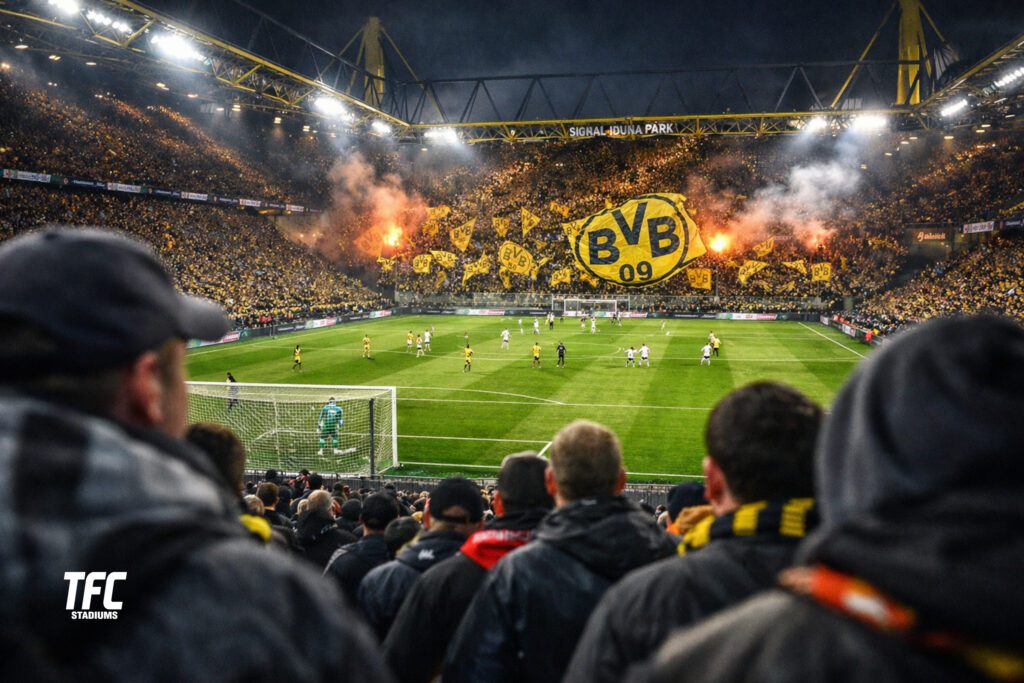
Often called the benchmark for modern football atmosphere, Signal Iduna Park is engineered for noise and driven by belief.
The Südtribüne, known as the Yellow Wall, holds around 25,000 standing supporters. It is the largest terrace in Europe and the emotional engine of Borussia Dortmund.
What makes it special is consistency. League matches against mid table sides can feel like continental finals. The sound does not spike, it rolls.
Atmosphere strengths
- Single tier stand concentrates noise
- Standing culture preserved
- Fans arrive early and stay late
La Bombonera

La Bombonera feels alive in a way few stadiums do. The structure itself appears to vibrate under pressure, and visiting players often comment on the sensation of movement.
Boca Juniors supporters treat matches as collective rituals rather than events. Songs rarely stop. Drums dictate rhythm. Silence is almost unknown.
Atmosphere strengths
- Vertical stands amplify sound
- Deep local identity
- Ultra dense supporter layout
Anfield
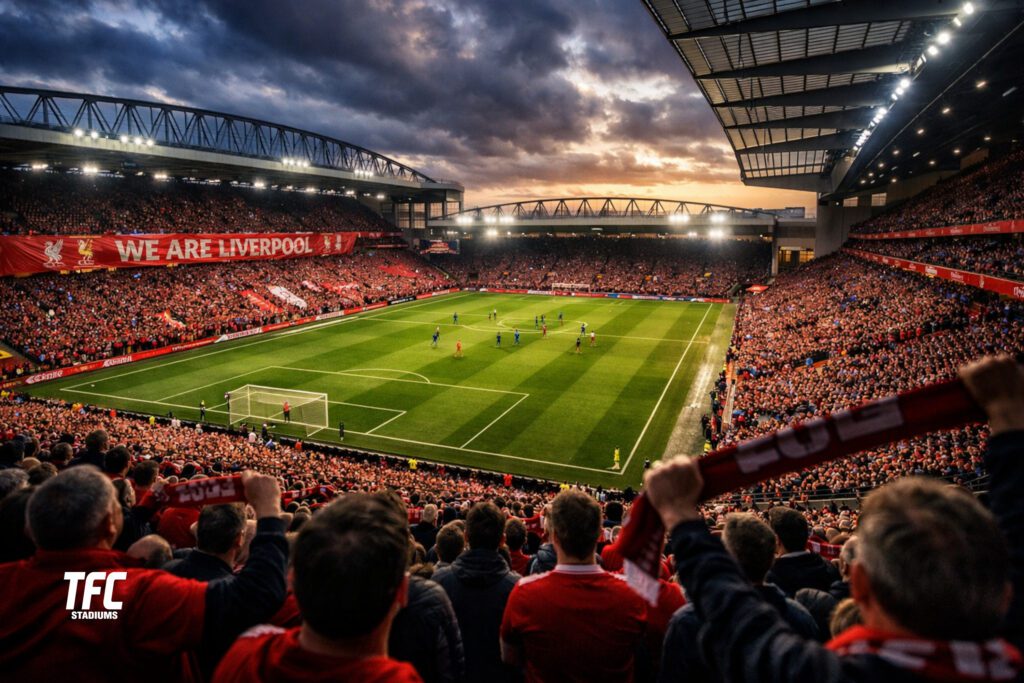
Anfield’s atmosphere is at its best when expectation meets defiance. European nights remain its calling card, particularly since the redevelopment of the Anfield Road End.
“You’ll Never Walk Alone” is not unique in football, but few stadiums deliver it with such unified intent.
Atmosphere strengths
- Emotional crowd rhythm
- Strong night match identity
- Improved acoustics post expansion
San Siro
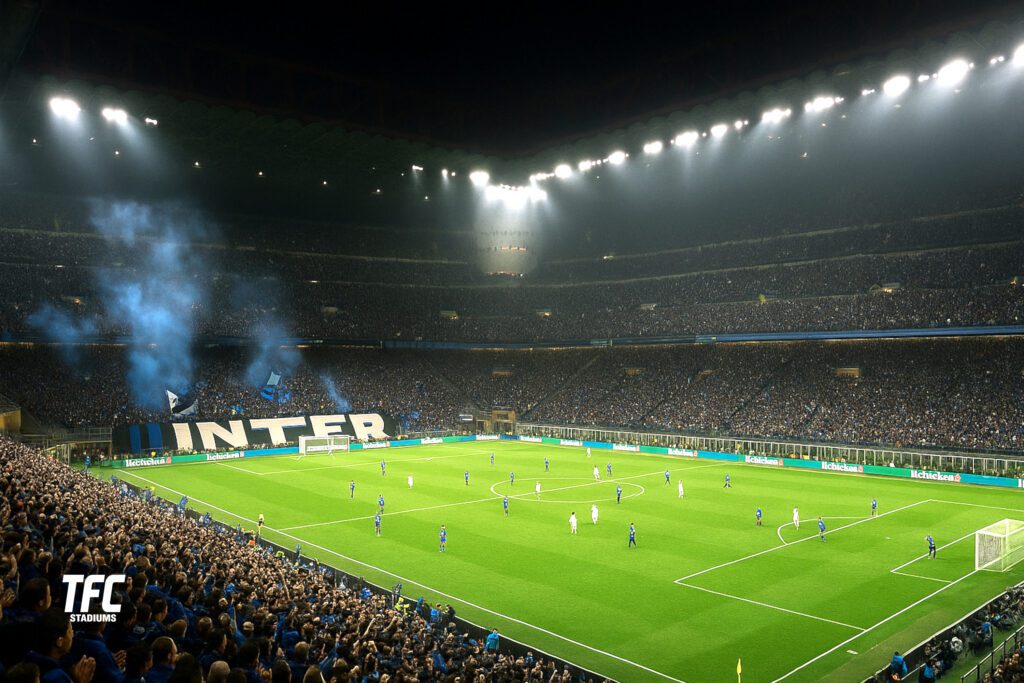
San Siro offers scale, menace, and theatre. When either Milan side hosts a major fixture, the stadium becomes a wall of sound and colour.
The Curva Sud and Curva Nord provide choreography, smoke, banners, and relentless chanting. Even neutral matches feel grand simply due to the setting.
Atmosphere strengths
- Massive enclosed bowl
- Choreographed tifos
- Shared rivalry energy
Maracanã
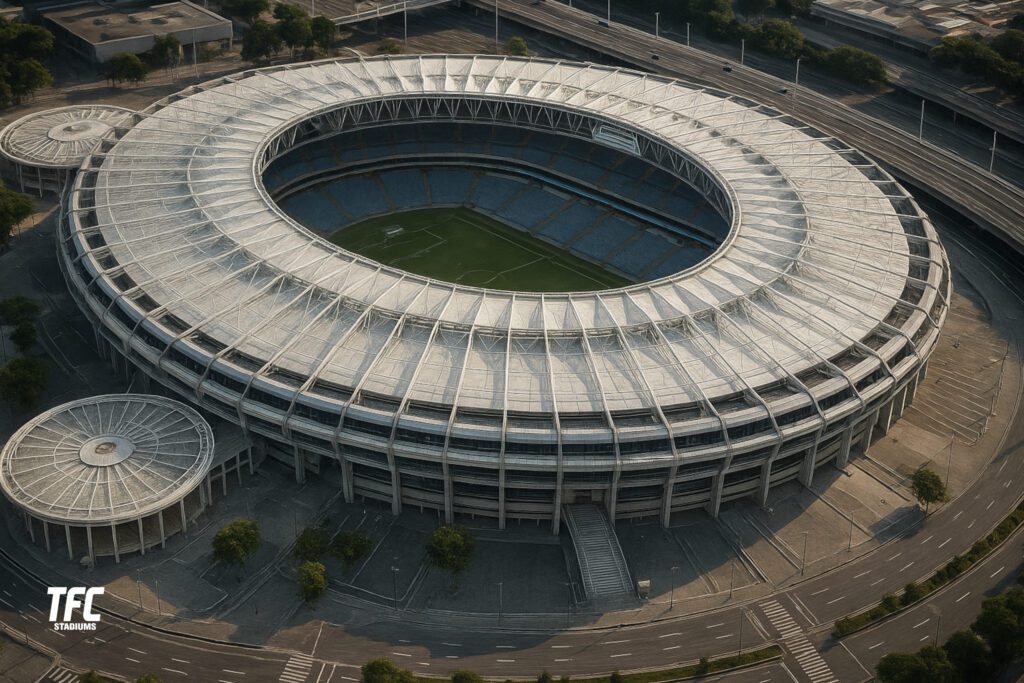
Modern renovations have softened the Maracanã, but atmosphere remains rooted in Brazilian football culture.
The sound is less constant than in Europe, but moments arrive suddenly and violently. Goals trigger eruptions that feel communal rather than orchestrated.
Atmosphere strengths
- Historic symbolism
- Passionate local crowds
- Big match unpredictability
Atmosphere Comparison Table
| Stadium | Capacity | Primary Atmosphere Driver | Match Types Where It Peaks |
|---|---|---|---|
| Signal Iduna Park | 81,365 | Standing supporters | League and Europe |
| La Bombonera | 54,000 | Continuous chanting | Domestic derbies |
| Anfield | 61,276 | Emotional crescendos | European nights |
| San Siro | 75,923 | Ultras choreography | Derbies and Europe |
| Maracanã | 78,838 | Crowd surges | Finals and classics |
The Role of Stadium Design
Modern stadiums often prioritise comfort over chaos. This is why newer grounds struggle to match older ones for atmosphere.
Steep single tier stands, roofs that reflect sound, and minimal gaps between pitch and crowd consistently outperform flatter bowl designs. Standing sections remain the most effective atmosphere tool, even when regulated.
Clubs that understand this are now trying to reintroduce safe standing and rail seating without losing modern standards.
Where to Buy Tickets for High Atmosphere Matches
Buying tickets for the world’s most atmospheric stadiums requires planning. Many of these grounds sell out quickly, especially for derbies and European fixtures.
Official club websites should always be the first stop. They offer face value tickets but often require membership, particularly in Germany and England.
Authorised resale platforms such as club partners provide safer alternatives when matches sell out. Prices can rise, but legitimacy matters.
Hospitality packages are often overlooked. While more expensive, they can be the only legal route into sold out matches at stadiums like Anfield or San Siro.
Secondary marketplaces should be approached carefully. Always check local resale laws and avoid street sellers, particularly in South America and southern Europe.
Can Atmosphere Be Measured
Decibel readings get headlines, but atmosphere is not just volume. Timing matters more than noise alone. A sudden collective roar after sustained tension often feels louder than constant chanting.
Atmosphere is about belief. The best stadiums convince players and fans alike that something inevitable is happening.
TFC Takeaway
The greatest football atmospheres are not accidents. They are built through supporter culture, stadium design, and shared memory. You can renovate concrete, but you cannot manufacture conviction.
Some grounds roar. Others breathe. The best do both.
About the Author