
Imagine a year where the boundaries of architecture, technology, and culture are pushed to their absolute limits—welcome to 2025, a transformative moment in the world of sports and entertainment. With a staggering $10 billion investment, this year will witness the unveiling of eight groundbreaking stadiums across six countries, each redefining what it means to experience live sports. From solar-powered roofs and retractable designs to cultural inspirations that honor local heritage, these architectural marvels are more than just venues—they are symbols of innovation, sustainability, and human ingenuity.
These stadiums promise to do more than host games; they will revolutionize fan experiences, boost local economies, and set new global standards for design. Whether it’s Barcelona’s futuristic New Camp Nou or Hong Kong’s floating Kai Tak Sports Park, each project tells a story of bold ambition and visionary engineering.
As we explore these incredible creations, prepare to be inspired by the ways they blend luxury, technology, and cultural significance into spaces that will shape the future of live entertainment. This is not just a new chapter—it’s the dawn of an entirely new era in stadium design.
New Camp Nou: Europe’s Largest Stadium Reimagined
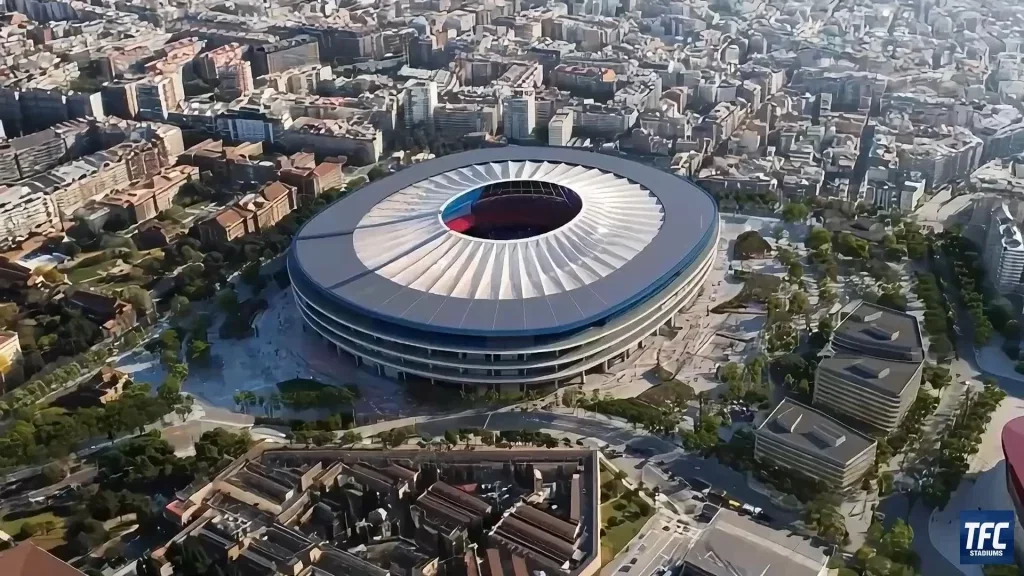
Barcelona’s legendary stadium is undergoing its most radical transformation in history. The New Camp Nou, set for a phased opening beginning in February 2025, is not merely an upgrade—it is a complete reimagining of what a modern football stadium can be. By June 2026, its expanded capacity of 105,000 seats will cement its status as Europe’s largest and most technologically advanced sporting arena.
A Stadium Built for the Future
With a budget of €1.07 billion, the New Camp Nou blends architectural ambition with cutting-edge sustainability. The design incorporates:
- A solar-powered roof that generates clean energy while shielding spectators from the elements
- A 360-degree LED digital display encircling the interior, creating an immersive visual experience
- Advanced acoustics engineered to amplify the famous Barça atmosphere
Unmatched Luxury and Hospitality
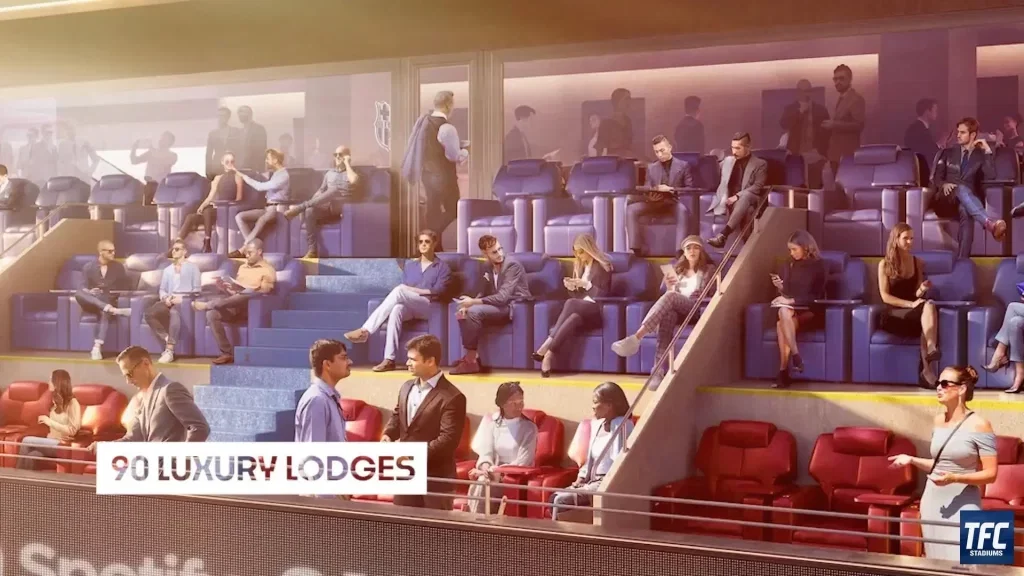
The stadium raises the bar for premium experiences in world football. A dedicated VIP ring will feature 90 private lodges, while exclusive hospitality packages range from €49,000 to €94,000 per season. These high-end offerings include:
- Behind-the-scenes stadium tours and meet-and-greet opportunities with club legends
- Premium seating with unparalleled sightlines
- Gourmet dining and private lounge access
Preserving Legacy While Embracing Innovation
Despite its futuristic elements, the New Camp Nou remains deeply connected to its history. The iconic stands have been preserved and enhanced, ensuring the stadium retains its intimidating atmosphere. Meanwhile, the surrounding Espai Barça development will include a new Palau Blaugrana arena, a museum, and commercial spaces, transforming the area into a year-round entertainment hub.
Beyond its grandeur, the New Camp Nou is an economic powerhouse, projected to generate €247 million annually, surpassing the revenue of some entire football leagues. By blending cutting-edge design with eco-conscious innovation and unparalleled fan experiences, this stadium represents the future of sports architecture—a space where technology and tradition collide to create something truly extraordinary.
Guangzhou Football Park: A Fusion of Ancient Heritage and Modern Innovation
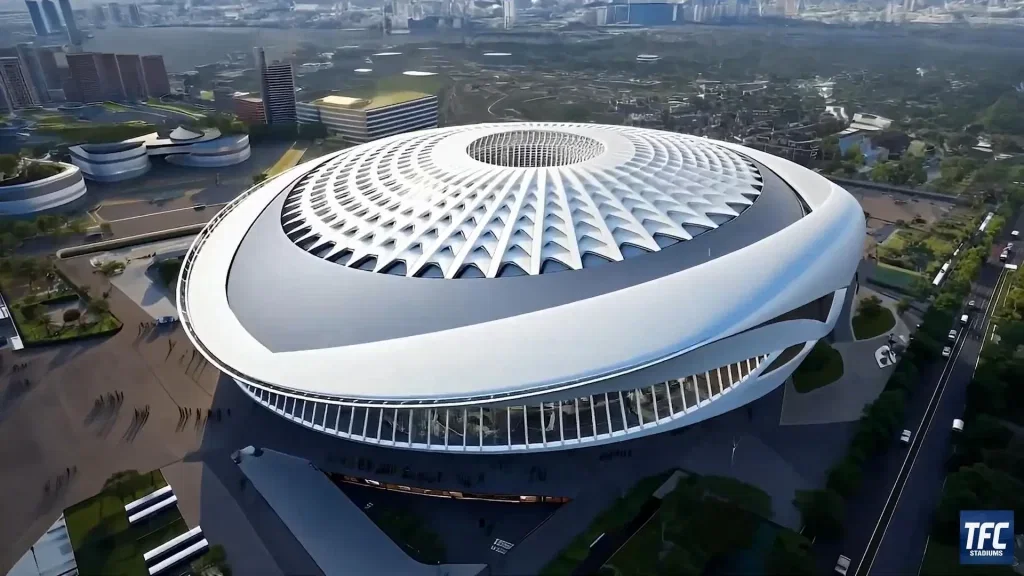
In 2025, Guangzhou Football Park is set to redefine stadium design by seamlessly blending 2,000 years of Chinese history with cutting-edge modernity. Inspired by a jade pendant unearthed from the Nanyue King’s tomb, the stadium’s design pays homage to China’s rich cultural heritage while embracing futuristic architecture. With a 73,000-seat capacity, this colossal venue will be China’s largest stadium, built to meet FIFA World Cup standards and equipped with world-class features that elevate both luxury and functionality.
The project, which comes with a $327 million budget, underwent a significant redesign – from an ambitious lotus flower-shaped concept to its current streamlined form. This shift exemplifies the philosophy that sometimes “less is more,” resulting in a structure that balances elegance and practicality. Inside, visitors will find VIP foyers, audience distribution platforms, and commercial areas that are engineering marvels in their own right.
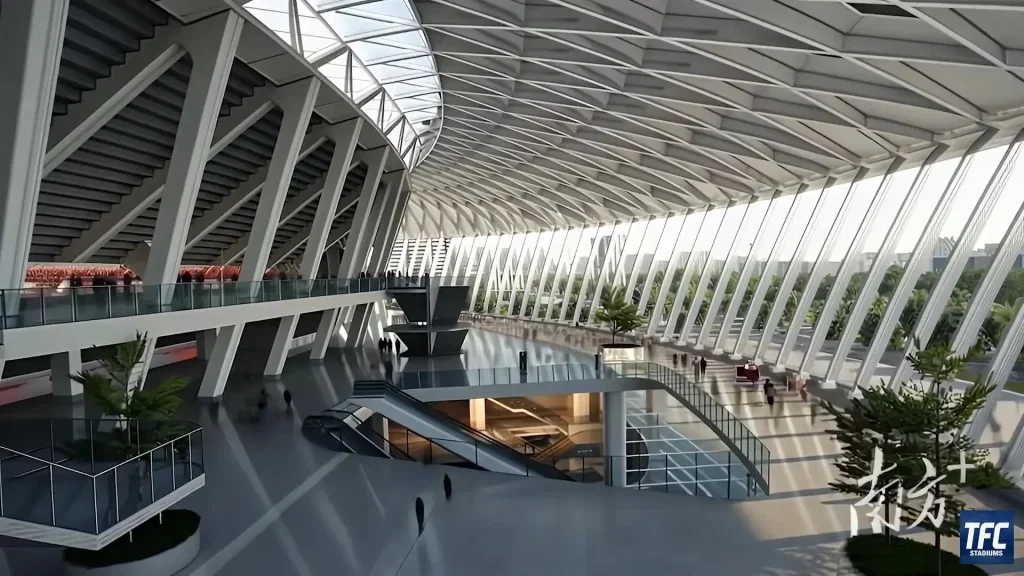
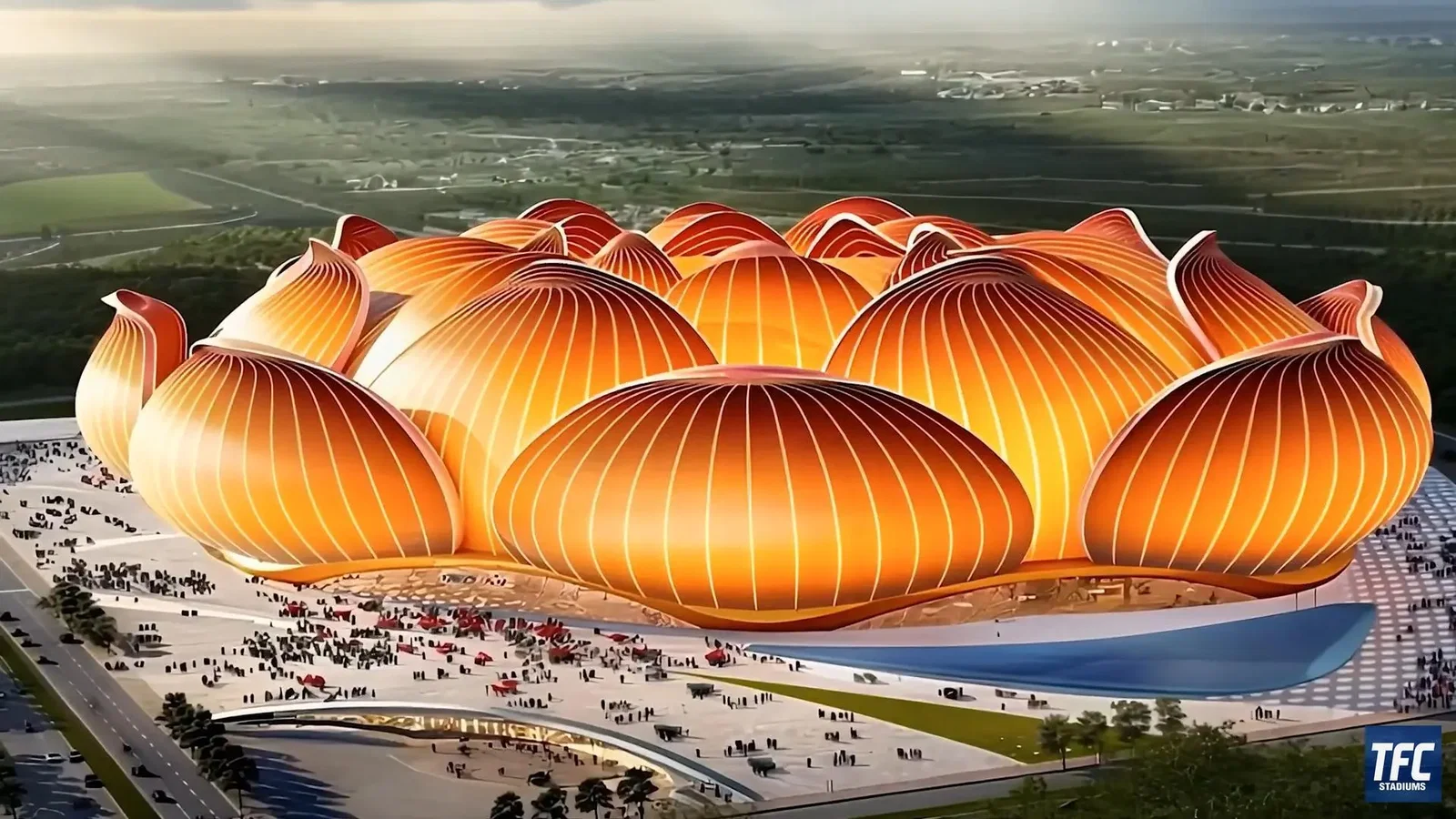
Guangzhou Football Park is a bold statement of China’s ambition to lead in global sports architecture. By merging ancient symbolism with modern innovation, it represents a new era of design where culture and technology collide to create spaces that inspire awe. This landmark project positions Guangzhou as a hub for international sports while showcasing China’s ability to innovate on a global stage.
Everton Stadium: Rising from the Sea to Transform Liverpool
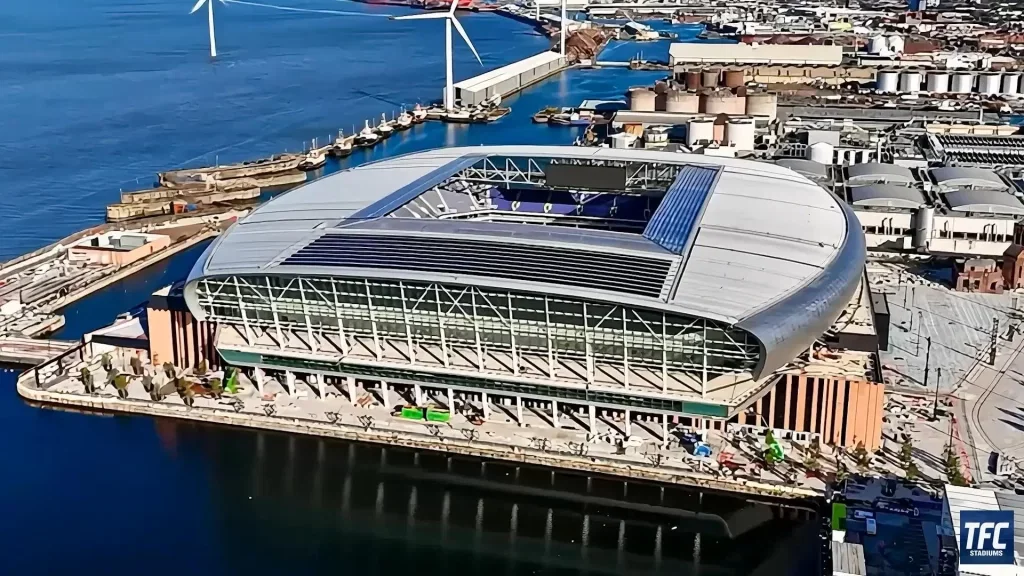
Liverpool’s skyline is about to gain a new icon: Everton Stadium, a 52,888-seat marvel that has literally risen from the sea. Built on reclaimed land at Bramley-Moore Dock, this ambitious project involved pumping 500,000 cubic meters of sand from the Irish Sea to fill a Victorian dock, creating a solid foundation for one of the most innovative stadiums in Premier League history. The engineering ingenuity behind this project is staggering, with 12,200 tons of structural steelwork, including 1,500 tons of recycled steel, making it a model of sustainable construction.
But Everton Stadium is more than just an engineering feat, it’s an economic powerhouse. With a £500 million investment, it is projected to inject £1.3 billion into the UK economy, attract 1.4 million visitors annually, and create thousands of jobs. For fans, the stadium promises an unparalleled experience with its five roofed trusses – each weighing as much as a Boeing 747, providing optimal sightlines and protection from the elements.
As Liverpool’s newest community hub, Everton Stadium symbolizes resilience and innovation. Rising from its industrial past, this venue is set to transform not only matchdays for Everton fans but also the economic and cultural landscape of the city itself.
Kai Tak Sports Park: Hong Kong’s Floating Marvel
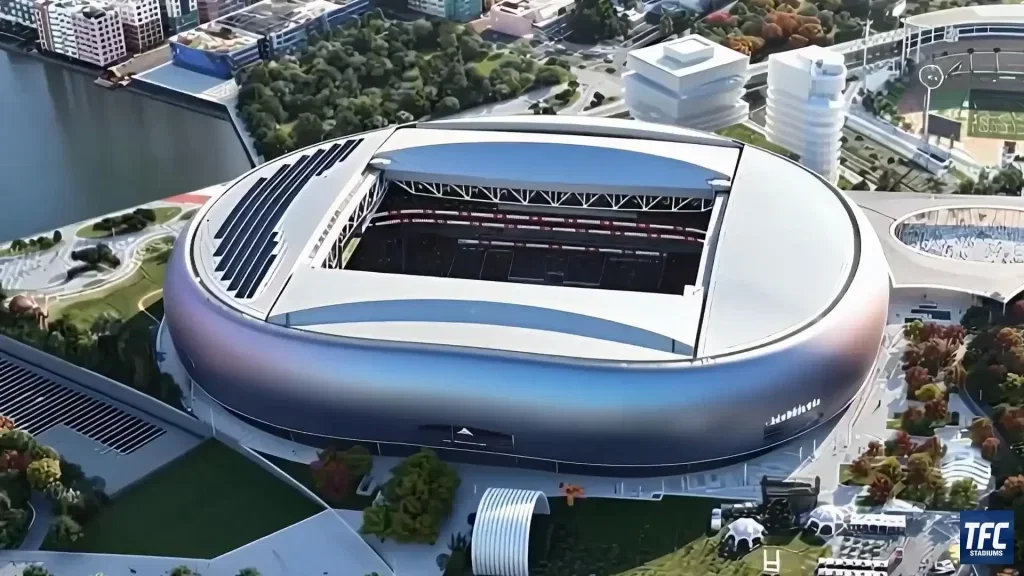
On the historic grounds of Hong Kong’s iconic Kai Tak Airport, a new landmark is taking shape that promises to redefine the city’s skyline and its role in global sports. Set to open in the first quarter of 2025, the Kai Tak Sports Park is Hong Kong’s most ambitious and expensive sports project to date, with a staggering $3.9 billion investment. This state-of-the-art venue is designed to be more than just a stadium, it’s an experience.

One of its standout features is the retractable roof, a technological marvel that can transform the venue in minutes while offering soundproofing for an immersive atmosphere. The infinity-edge design above the south stand creates a breathtaking viewing platform, making the stadium appear as though it floats above Victoria Harbor. Visitors will also benefit from smart parking systems and indoor navigation technology, ensuring seamless convenience from arrival to departure.
Beyond its architectural brilliance, the Kai Tak Sports Park is poised to deliver significant economic benefits, with an estimated $216 million in revenue over 25 years, boosting tourism and solidifying Hong Kong’s position as a global hub for major events. This floating marvel is not just a stadium, it’s a symbol of Hong Kong’s innovation and ambition on the world stage.
Yellow River Sports Center: Redefining Stadium Roof Engineering
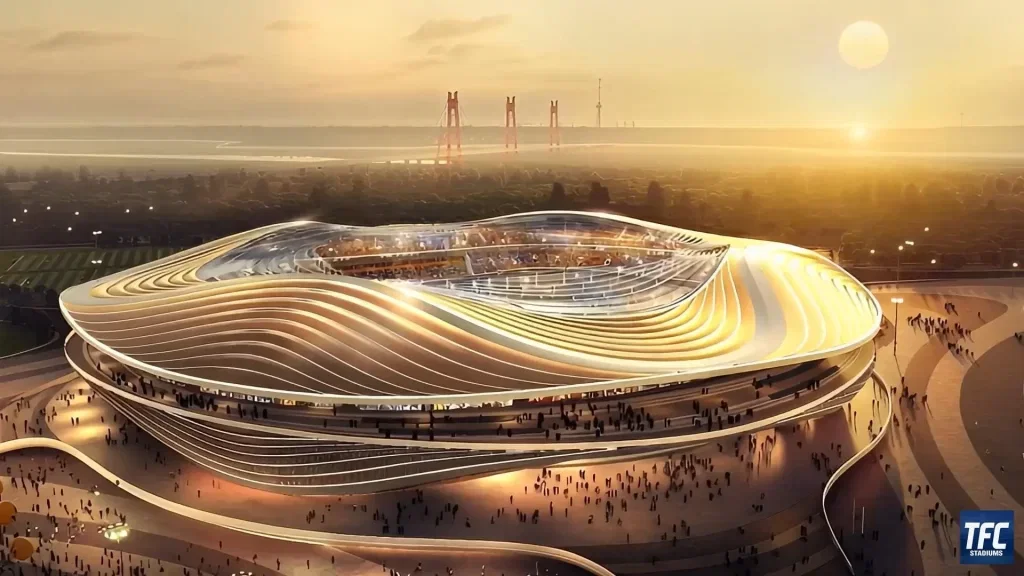
Set to open in 2025, the Yellow River Sports Center in Jinan is already making waves as a groundbreaking feat of architectural and engineering innovation. At the heart of this 61,000-seat stadium is China’s longest cantilevered roof, stretching an impressive 45 meters to ensure unobstructed views from every seat. This roof isn’t just massive, it’s also functional, featuring state-of-the-art heating technology designed to provide all-weather comfort, from summer heat to heavy winter snowfalls.
The stadium’s exterior is equally breathtaking, with a shell-inspired facade that appears to defy gravity. Its overlapping, undulating layers in golden hues evoke the image of a slightly open shell cradling a pearl, symbolizing elegance and innovation. This unique design not only makes a bold visual statement but also reflects the stadium’s connection to the Yellow River, one of China’s most iconic natural landmarks.
With an estimated cost of $273 million, the Yellow River Sports Center is s a blueprint for the future of sports architecture. By combining cutting-edge engineering with artistic design, this stadium is setting new benchmarks for functionality and aesthetics, solidifying its place as one of 2025’s most anticipated openings.
Highmark Stadium: Buffalo’s Weather Warrior
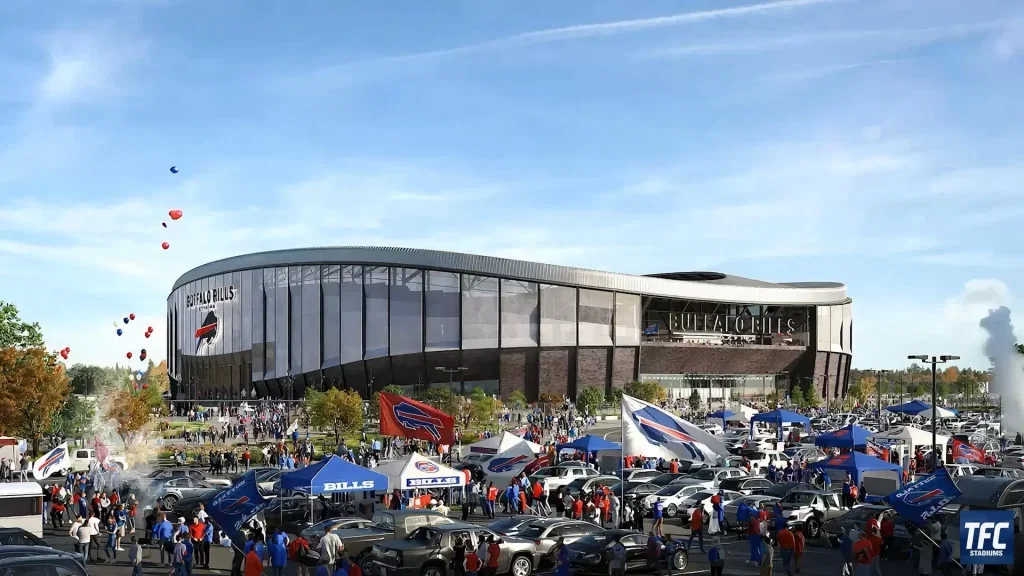
Buffalo is no stranger to harsh winters, and its new Highmark Stadium, set to debut for the 2026 NFL season, is designed to conquer the elements with unparalleled engineering. Dubbed a “weather warrior,” this $2.1 billion venue is a fortress built to withstand the fury of Lake Erie’s snowstorms and winds. Its north-south orientation shields fans from brutal gusts, while the heated roof system melts snow faster than it can accumulate, ensuring games continue no matter the weather.

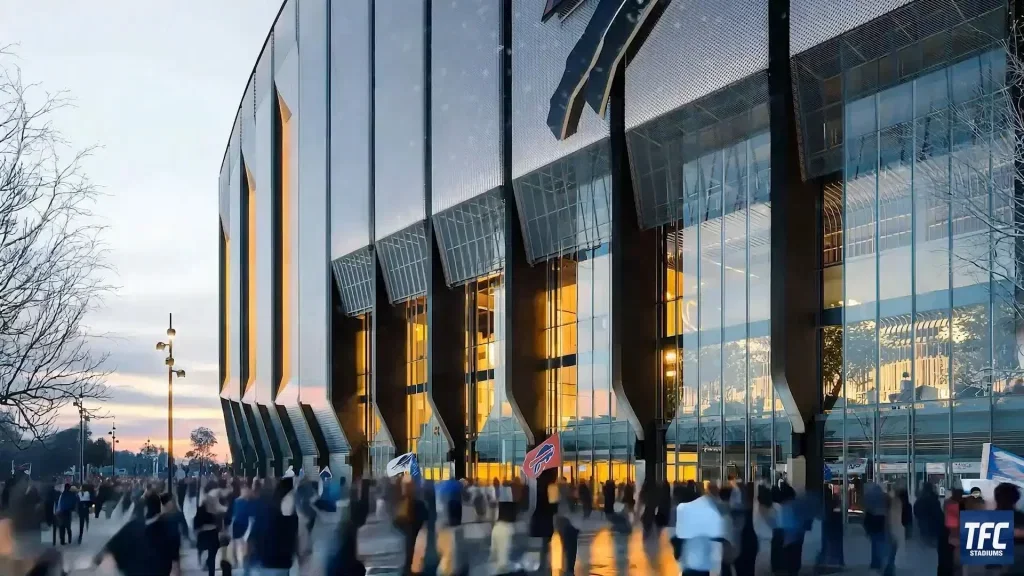
The scale of construction is equally impressive. Builders excavated 600,000 cubic yards of material, enough to fill 50 Olympic swimming pools, to create the stadium bowl. Meanwhile, a canopy covering 65% of seats ensures fans stay comfortable in all conditions. This ambitious project has been made possible by significant private funding, with the Pegula family contributing over $1.25 billion, making it not only Buffalo’s most expensive stadium but also its most visionary.
Highmark Stadium isn’t just about braving the weather, it’s about creating an elevated fan experience while showcasing Buffalo’s resilience and innovation. As one of the NFL’s most advanced venues, it sets a new standard for how sports architecture can adapt to extreme climates without compromising on comfort or design.
Moulay Abdellah Stadium: Morocco’s Gateway to Global Events
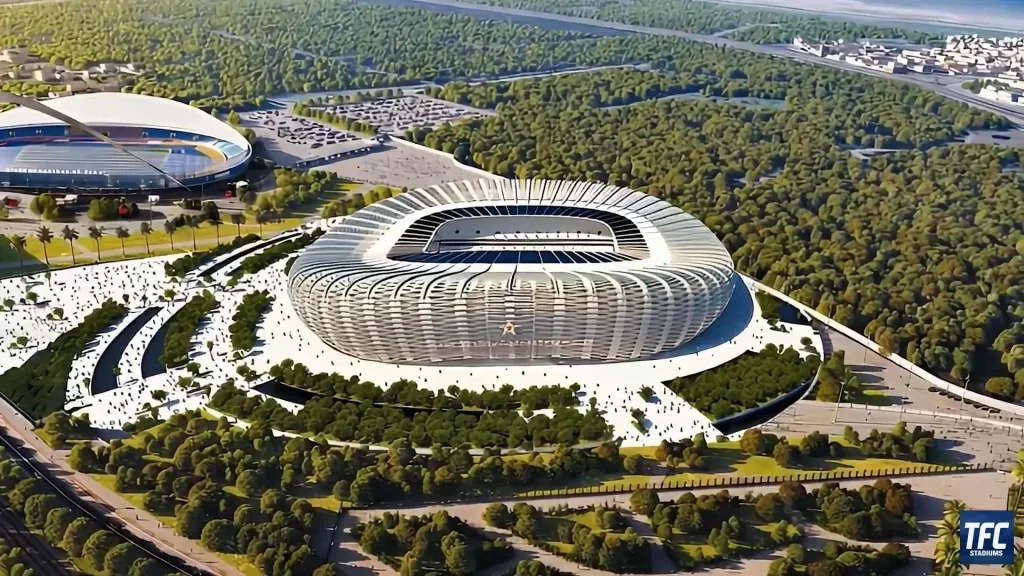
Set to open in early 2025, the Moulay Abdellah Stadium in Rabat is poised to become a centerpiece of Morocco’s growing prominence in global sports. With its debut perfectly timed for the Africa Cup of Nations in December, this 68,700-seat stadium is more than just a venue, it’s a bold statement of Morocco’s commitment to hosting world-class events. The project is part of a broader national stadium upgrade program, estimated at $950 million, designed to position Morocco as a leading contender for tournaments like the 2030 FIFA World Cup.
The stadium features a fully roofed design that not only provides weather protection but also enhances acoustics through its innovative three-tiered seating arrangement, creating a “wall of sound” effect that amplifies crowd energy. This unique feature ensures an unforgettable experience for both players and fans.
Adjacent to the stadium, plans include a 25,000-seat athletic complex, transforming the area into a multi-sport hub capable of hosting diverse international events. By blending cutting-edge design with strategic infrastructure development, Moulay Abdellah Stadium stands as a symbol of Morocco’s ambition and readiness to shine on the global stage.
Nansha Cultural and Sports Complex: Where Art Meets Athletics
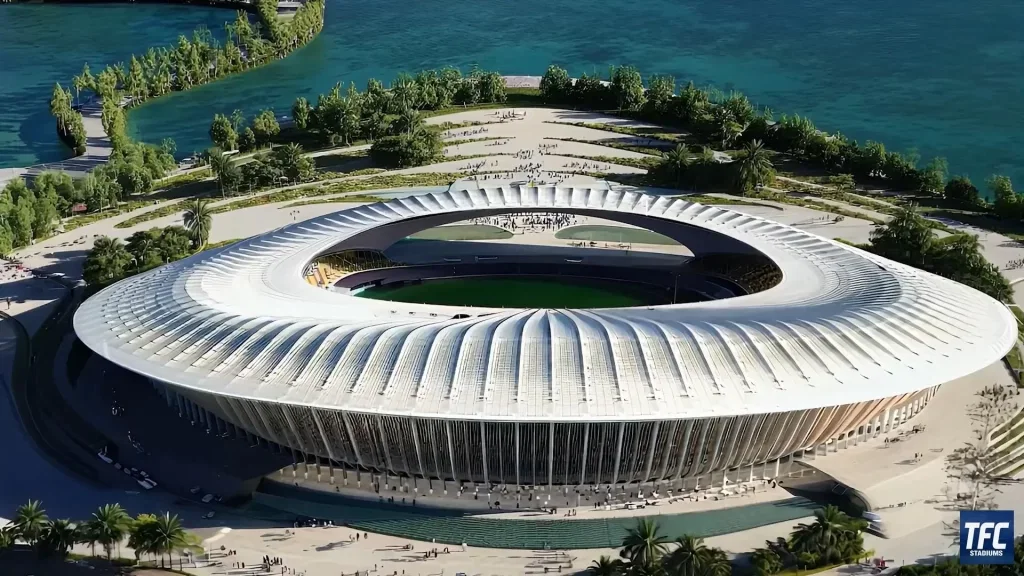
In 2025, the Nansha Cultural and Sports Complex will open its doors as a breathtaking fusion of art, culture, and athletics. Designed by the renowned Zaha Hadid Architects, the stadium’s roof is a masterpiece in itself, unfolding like a traditional Chinese fan to celebrate the region’s rich heritage. The facade further reflects the maritime history of the ancient Nanyue Kingdom, tying the structure deeply to its cultural roots while exuding modern elegance.
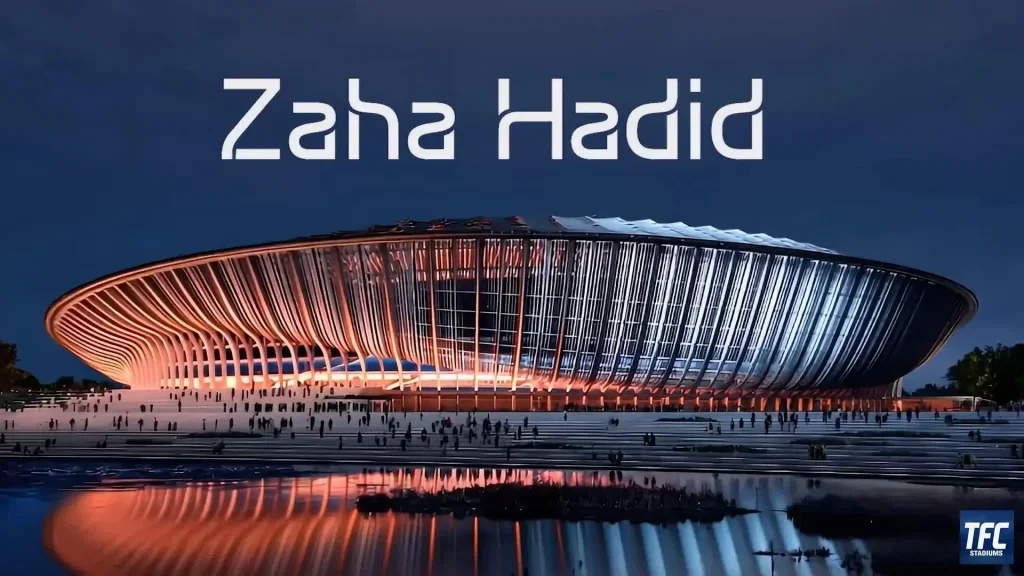
This 60,000-seat stadium is the anchor of a larger cultural development project located 80 kilometers from Guangzhou’s city center. The complex includes a 20,000-seat arena and a 4,000-seat swimming facility, creating a multi-sport hub that will host events for the 15th Chinese National Games. With an estimated cost of $980 million, this ambitious project symbolizes China’s commitment to blending tradition with innovation.
The Nansha Cultural and Sports Complex isn’t just about sports; it’s about creating a space where culture, design, and athleticism converge. By seamlessly merging local identity with cutting-edge architecture, this complex stands as a testament to how stadiums can transcend functionality to become iconic cultural landmarks.
Key Trends Shaping the Future of Stadium Design
The stadiums opening in 2025 are redefining sports architecture with four key trends. Sustainability is central, with innovations like solar-powered roofs (New Camp Nou) and recycled materials (Everton Stadium), reducing environmental impact. Technology plays a major role in enhancing fan experiences, from smart parking (Kai Tak Sports Park) to immersive LED screens (New Camp Nou). These venues also embrace cultural storytelling, incorporating local heritage into their designs, such as Guangzhou Football Park’s jade pendant inspiration and Nansha Complex’s maritime-themed facade. Finally, these projects highlight significant economic benefits, generating billions in revenue, creating jobs, and boosting tourism, making them engines of growth for their cities.
The stadiums opening in 2025 represent a groundbreaking moment in sports architecture. With sustainability, technology, and cultural storytelling at their core, these venues are redefining how we experience live sports. From the eco-conscious New Camp Nou to the weather-ready Highmark Stadium, each project showcases innovation that goes beyond functionality, creating spaces that inspire and engage. These stadiums are not just about hosting events, they’re driving economic growth, boosting tourism, and cementing their cities as global hubs for entertainment. As these architectural marvels open their doors, they will set new standards for design, fan experience, and sustainability, shaping the future of sports for decades to come.
FAQs
1. Why is 2025 significant for stadium design?
It marks the opening of eight innovative stadiums across six countries, showcasing cutting-edge technology, sustainability, and cultural integration.
2. How are these stadiums eco-friendly?
They feature solar-powered roofs (New Camp Nou), recycled materials (Everton Stadium), and energy-efficient designs.
3. What technologies enhance fan experiences?
Smart parking systems (Kai Tak Sports Park), heated roofs (Highmark Stadium), and immersive LED screens (New Camp Nou) elevate convenience and engagement.
4. How do these stadiums reflect local culture?
Designs like Guangzhou Football Park’s jade pendant inspiration and Nansha Complex’s maritime heritage honor regional history.
5. What economic impact do these stadiums have?
They generate billions in revenue, create jobs, and boost tourism—e.g., Everton Stadium contributes £1.3 billion annually to the UK economy.
About the Author