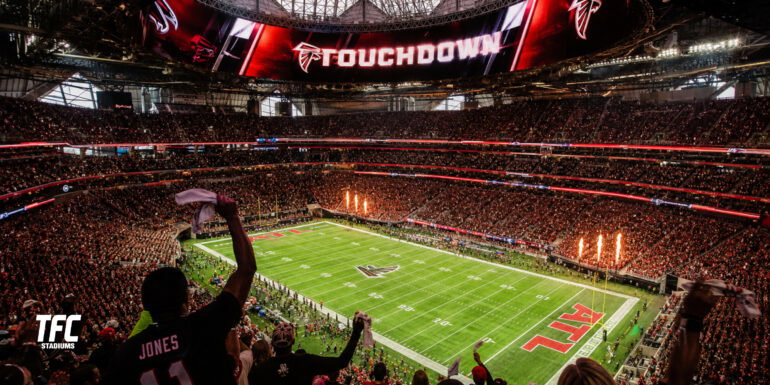
Atlanta, Georgia
State Farm Arena, home of the Hawks, sits right in downtown and feels like an arena that finally figured itself out. After years of awkward upgrades, it now balances modern polish with genuine crowd energy. When the Hawks are good, it gets loud fast. When they are not, the DJ works overtime.
Boston, Massachusetts
TD Garden carries history like a chip on its shoulder. This is not the prettiest arena in the league, but it might be the most unapologetic. Fans know the banners, they know the refs, and they absolutely know when you are not playing defence.
Brooklyn, New York
Barclays Center looks sleek and modern, sometimes a little too calm for playoff basketball. When it is rocking, it is excellent. When it is quiet, you can almost hear the luxury suites whispering about start-up investments.
Charlotte, North Carolina
Spectrum Center feels like a building waiting for a moment. The sightlines are solid, the location works, and the fanbase wants something to believe in. Give this arena a real run and it would surprise people.
Chicago, Illinois
United Center still trades on Michael Jordan gravity and that is not a criticism. The intro music alone deserves its own Hall of Fame vote. Even in lean years, the crowd understands basketball and will let you know if you do not.
Cleveland, Ohio
Rocket Mortgage FieldHouse is better than its reputation. Renovations have sharpened the look and the noise level jumps when the team is competitive. Cleveland crowds do not fake enthusiasm, which makes the real moments hit harder.
Dallas, Texas
American Airlines Center is clean, efficient, and very Texas in its scale. It does not scream chaos, but it delivers comfort and clear views. Think premium seats, polite heckling, and sudden explosions of noise when a star takes over.
Denver, Colorado
Ball Arena benefits from altitude and a loyal crowd that understands the grind. It does not feel flashy, but playoff basketball here has a pressure-cooker quality that visiting teams notice by the second quarter.
Detroit, Michigan
Little Caesars Arena is massive, modern, and still waiting for consistent relevance. When the Pistons matter, this place can turn mean in the best way. Detroit fans respect effort above all else.
San Francisco, California
Chase Center is stunning and sometimes accused of being too nice. The views are excellent, the tech is flawless, and the crowd knows the game. It just expresses emotion a little more politely than Oracle did.
Houston, Texas
Toyota Center thrives on rhythm. When the team hits threes, the building hums. When it does not, the energy can dip. Still, it delivers a solid playoff environment and a fanbase that appreciates spacing and shot charts.
Indianapolis, Indiana
Gainbridge Fieldhouse feels like basketball tradition without the museum vibes. Sightlines are excellent, crowds are engaged, and the building respects the sport. No gimmicks, just hoops.
Los Angeles, California
Crypto.com Arena is about star power as much as basketball. The Lakers turn it into a stage, the Clippers try to make it louder, and celebrities remain oddly immune to defence. When it matters, though, it delivers real drama.
Memphis, Tennessee
FedExForum is loud in a way that feels personal. Fans sit close, yell early, and stay involved. It is one of the league’s most underrated home courts, especially when the team plays fast and fearless.
Miami, Florida
Kaseya Center has a reputation for late arrivals, but do not confuse timing with passion. When games tighten, the building sharpens. Playoff Heat crowds know exactly when to turn the volume up.
Milwaukee, Wisconsin
Fiserv Forum blends modern design with genuine Midwestern intensity. Fans are knowledgeable, the building traps noise well, and big moments feel earned rather than manufactured.
Minneapolis, Minnesota
Target Center is ageing but functional. It has seen quiet seasons, yet when the Timberwolves are competitive the atmosphere flips quickly. Cold weather cities appreciate warmth, including emotional warmth.
New Orleans, Louisiana
Smoothie King Center feels like a party that occasionally turns into a basketball game. Music matters here, rhythm matters here, and when the team clicks the crowd moves as one.
New York City, New York
Madison Square Garden remains the league’s most famous stage. It amplifies everything, good or bad. When the Knicks are relevant, it becomes a pressure chamber that can rattle even seasoned stars.
Oklahoma City, Oklahoma
Paycom Center punches above its weight. The crowd is loud, engaged, and deeply invested. Small market does not mean small energy here.
Orlando, Florida
Kia Center is clean, bright, and family-friendly. It lacks menace, but it offers comfort and solid views. When the Magic are good, the atmosphere improves quickly.
Philadelphia, Pennsylvania
Wells Fargo Center is relentless. Fans boo effort lapses, celebrate toughness, and expect accountability. Visiting teams feel it immediately, especially in the postseason.
Phoenix, Arizona
Footprint Center has improved with renovations and relevance. When the Suns are contenders, the desert heat moves indoors and the noise reflects it.
Portland, Oregon
Moda Center feels intimate and loyal. Fans stick with the team through injuries and rebuilds. When things go right, it becomes one of the league’s most sincere environments.
Sacramento, California
Golden 1 Center might be the loudest building relative to its size. Years of frustration turned into pure release when the Kings became relevant again. It is joy, noise, and cowbells all at once.
San Antonio, Texas
Frost Bank Center reflects the Spurs’ identity. Calm, smart, and fundamentally sound. Do not mistake the polite tone for softness. Spurs crowds understand the details.
Toronto, Ontario
Scotiabank Arena brings playoff intensity and global flavour. The Jurassic Park spillover is not a gimmick. It is an extension of the building’s energy.
Salt Lake City, Utah
Delta Center remains one of the league’s toughest road stops. The crowd is close, loud, and unafraid to remind you where you are every possession.
Washington, DC
Capital One Arena sits in a prime location and fills well when the team gives fans a reason. It can feel corporate on quiet nights, but it has the bones of a strong playoff venue.
TFC Takeaway
NBA arenas reflect their cities more than their architects probably intended. Some thrive on history, some on noise, others on polish and presentation. None are neutral. That is the point.
Written by Rick Dalton, a Los Angeles-based sports writer who covers the NFL and NBA with opinions as bold as a Rams fourth-down call, sharper punctuation included.
About the Author