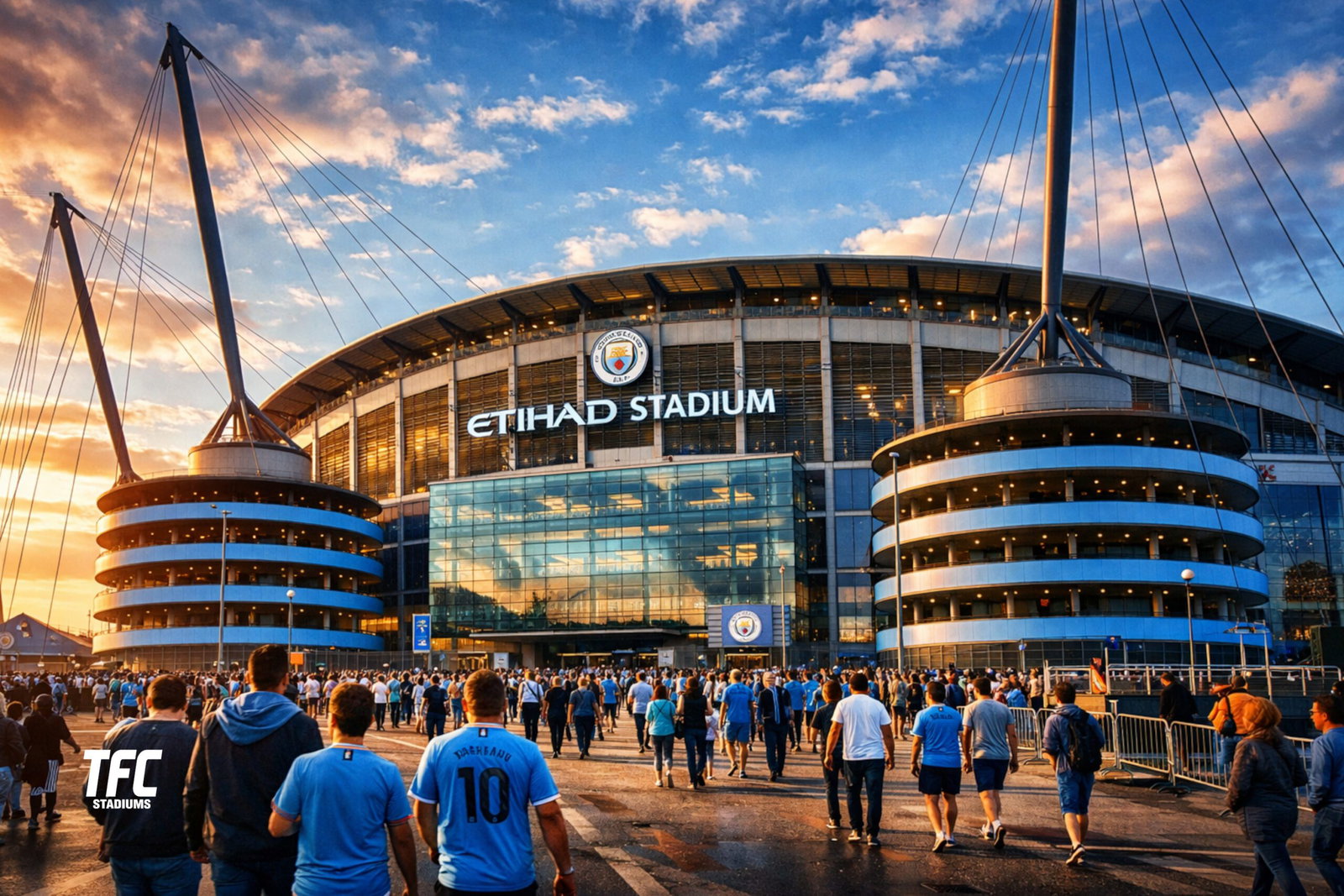
Setting the scene at the Etihad
When Manchester City renamed their home as the Etihad Stadium in 2011, it landed with a dull thud in some corners and a sharp intake of breath in others. Stadium naming deals already existed, but this one felt different. It was bigger, broader, and tied to a club at the start of a rapid transformation rather than the end of one.
The deal linked the stadium, training campus, and shirt sponsorship under a single brand. That scale mattered. It signalled that sponsorship was no longer a bolt on. It was now part of a club’s long term strategy.
What exactly was the Etihad deal
The agreement between Manchester City and Etihad Airways was not just about sticking a name on concrete and steel. It was a campus wide partnership that covered multiple assets and multiple years.
At the time, English football had not seen many naming deals that folded so much into one package. The Etihad agreement normalised the idea that stadiums, training grounds, and commercial identity could move together.
The numbers behind the name
Exact figures have always been debated, partly because the deal evolved over time. What matters more is the benchmark it set for future negotiations.
| Element | Estimated value per year | Notes |
|---|---|---|
| Stadium naming rights | £6 to £8 million | Competitive with top European deals at the time |
| Shirt sponsorship | £10 to £15 million | Later increased as City’s profile grew |
| Training campus branding | Included | A rarity in earlier sponsorship models |
For comparison, many Premier League clubs in the early 2010s were still selling stadium naming rights alone for less than half that figure.
Why this deal felt like a line in the sand
The Etihad naming rights deal arrived at a moment when football was recalibrating its commercial ceiling. Clubs were becoming global brands, not just local institutions with overseas fans.
This agreement did three things at once. It showed that naming rights could be central rather than supplementary. It tied sponsorship directly to long term infrastructure. It made the sponsor feel embedded rather than rented.
That last point is easy to miss. The Etihad name was not slapped on reluctantly. It was designed into the club’s future plans, right down to the surrounding regeneration of east Manchester.
Fan reaction then and now
Early reactions were mixed. Traditionalists disliked the loss of a geographic stadium name. Others were more pragmatic, especially as investment on the pitch followed quickly.
Over time, resistance softened. Success has a way of sanding down rough edges. For younger supporters, the Etihad name simply is the stadium. For visiting fans, it has become shorthand for a modern football experience rather than a corporate intrusion.
That shift in perception is part of the deal’s real legacy.
The ripple effect across football
After the Etihad deal, naming rights no longer felt like a compromise clubs apologised for. They became a badge of ambition.
Across Europe and beyond, clubs followed suit.
| Stadium | Club | Sponsor |
|---|---|---|
| Emirates Stadium | Arsenal | Emirates |
| Allianz Arena | Bayern Munich | Allianz |
| Red Bull Arena | RB Leipzig | Red Bull |
The Etihad agreement sits comfortably in that company, even if it arrived slightly later than some continental examples.
Where to buy tickets for matches at the Etihad Stadium
For supporters planning a visit, buying tickets through official channels is always the safest route.
The primary option is the official Manchester City website, which offers match tickets, hospitality packages, and membership access. High demand fixtures often require a Cityzens Matchday or Junior Membership.
Authorised resale platforms approved by the club can also be used when matches sell out, though prices vary by opponent and competition.
For cup matches and European fixtures, availability can change quickly, so checking early is sensible rather than optimistic.
Has the deal stood the test of time
More than a decade on, the answer looks like yes. The Etihad name has stuck. The partnership has expanded rather than quietly expired. Most importantly, it helped reset expectations around what stadium sponsorship could deliver.
It did not kill tradition. It reshaped it. Football grounds have always reflected their era, whether named after districts, benefactors, or breweries. The Etihad Stadium reflects a globalised game with global money and global audiences.
You can dislike that reality, or accept it. The Etihad deal made sure it could no longer be ignored.
About the Author