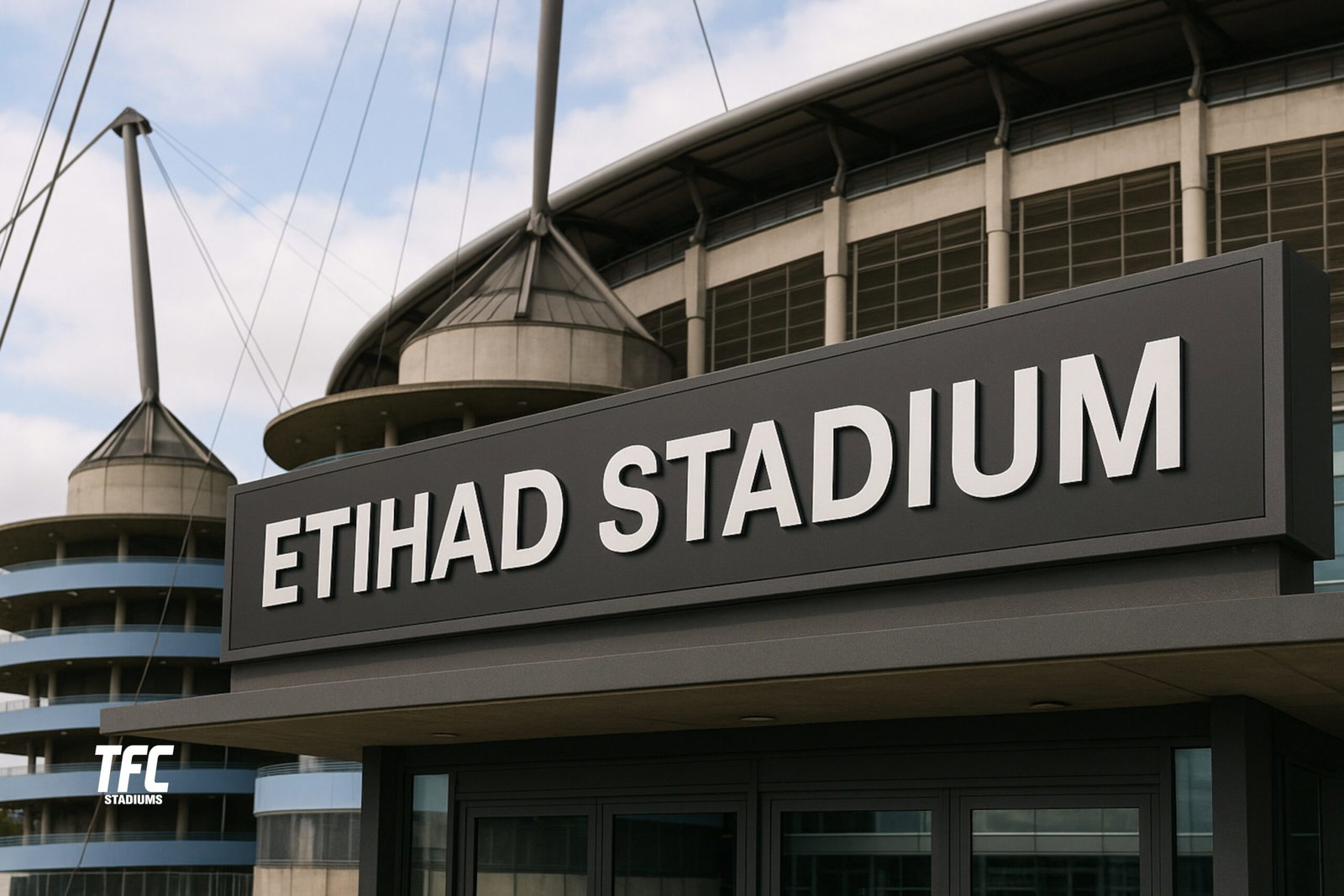
The Etihad Stadium in Manchester is more than just a home for Manchester City. It stands as one of the most prominent examples of how naming rights can become a powerful commercial vehicle in football. The deal struck between Manchester City and Etihad Airways in 2011 has been a benchmark for how football clubs and sponsors can work together to expand global reach and generate massive revenue.
The Origins of the Deal
When the City of Manchester Stadium was renamed the Etihad Stadium in 2011, it marked a turning point in football sponsorship. Manchester City had recently been taken over by the Abu Dhabi United Group, and the club was undergoing a transformation both on and off the pitch. The naming rights deal formed part of a wider commercial agreement with Etihad Airways, also based in Abu Dhabi, that included shirt sponsorship and other promotional tie-ins.
Estimates at the time suggested the total package could be worth up to £400 million over ten years, although the precise breakdown of the naming rights portion has never been made fully public.
Why It Stands Out Financially
While many clubs had already explored naming deals, few matched the scale and integration of the Etihad agreement. The deal was not just about a name above the turnstiles. It involved training facilities, branding across the wider Etihad Campus, and international marketing collaboration. The scope and depth of the partnership helped City to comply with UEFA’s Financial Fair Play (FFP) regulations at a time when scrutiny over spending was intense.
Critics questioned whether the deal reflected fair market value, given the shared ownership ties between the club and Etihad. However, UEFA cleared the arrangement after an investigation, and the sponsorship has since served as a model that other elite clubs have tried to emulate.
Strategic Impact on Manchester City
The financial injection from Etihad played a critical role in helping City build one of the most dominant squads in European football. From stadium upgrades and academy expansion to high-profile player signings, the commercial partnership gave the club a platform to grow rapidly while maintaining a clean financial record.
Etihad branding now extends beyond the stadium itself, appearing across the training ground, youth development infrastructure, and global club promotions. It is not a one-off banner sponsorship but a core element of the club’s business strategy.
Wider Influence Across Football
The Etihad deal influenced other clubs to explore similar naming rights and multi-layered sponsorships. Arsenal had already partnered with Emirates, and Tottenham’s new stadium is also pursuing a naming rights sponsor. Yet few deals have matched the scale or visibility of Manchester City’s.
The deal also signalled a broader trend of Middle Eastern investment in European football. It aligned commercial aims with political soft power, where sponsorship served both as business strategy and international branding exercise.
How Long Will It Last?
The initial Etihad deal was reportedly set for ten years but has continued well beyond that, with no signs of a rebrand or change in direction. Given the enduring ties between Manchester City and Abu Dhabi, and the ongoing success of the club both domestically and in Europe, the Etihad name may remain in place for the foreseeable future.
The TFC Stadiums Takeaway
The Etihad naming deal is one of the most lucrative and strategically significant agreements in football history. It helped propel Manchester City into the global elite while setting a commercial precedent across the sport. As naming rights become more common, few partnerships have matched the scale, longevity, and impact of this one. For Manchester City and Etihad Airways, the name on the stadium has come to symbolise far more than sponsorship. It reflects the club’s modern identity and its global ambitions.
About the Author