Stadiums have mirrored the ambitions and anxieties of the societies that built them. Their evolution reflects not only advancements in engineering but also shifts in culture, politics, and economics. From ancient amphitheatres to modern, tech-driven arenas, the architecture of stadiums tells a story of changing priorities and growing expectations.
Early Origins: The Classical World
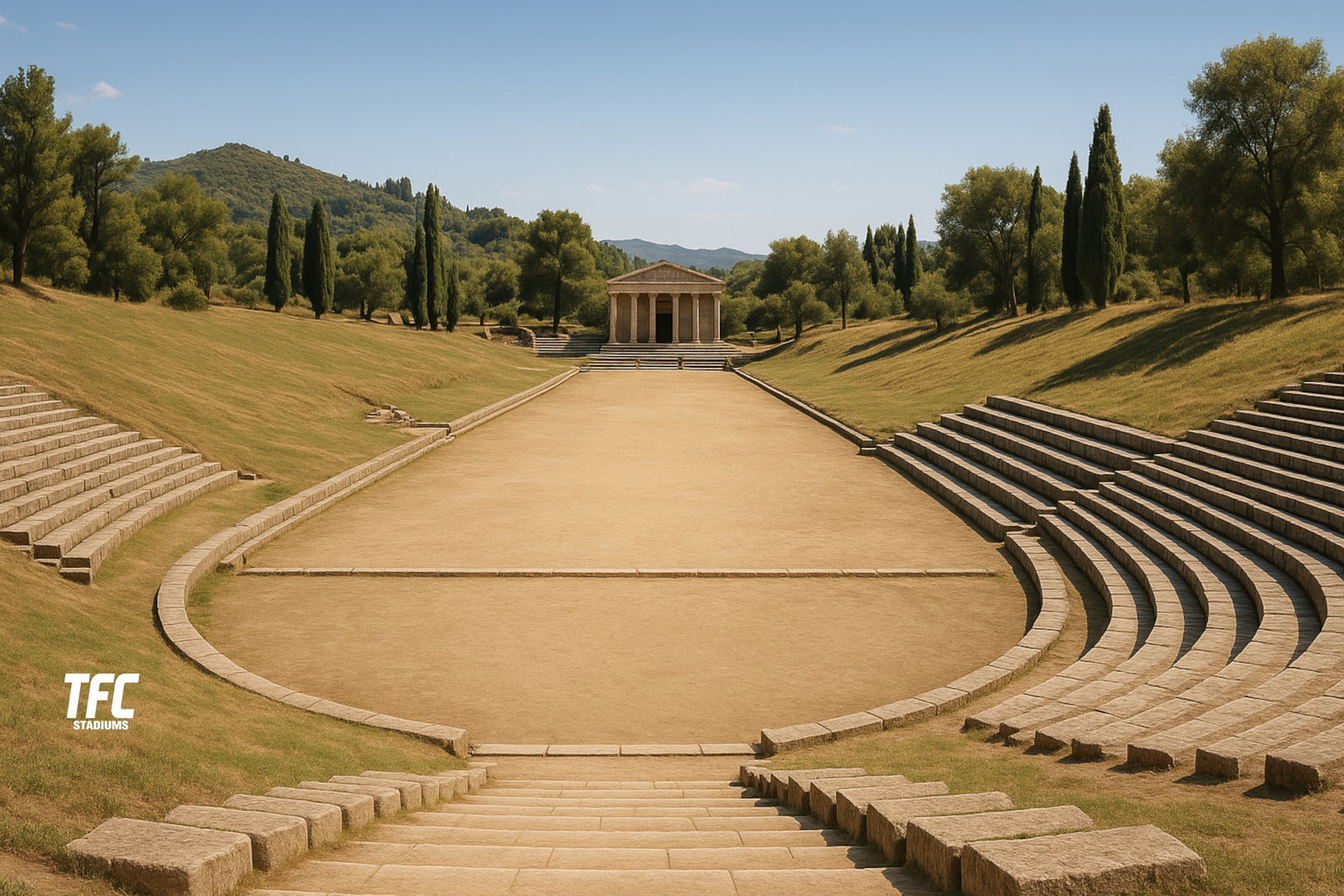
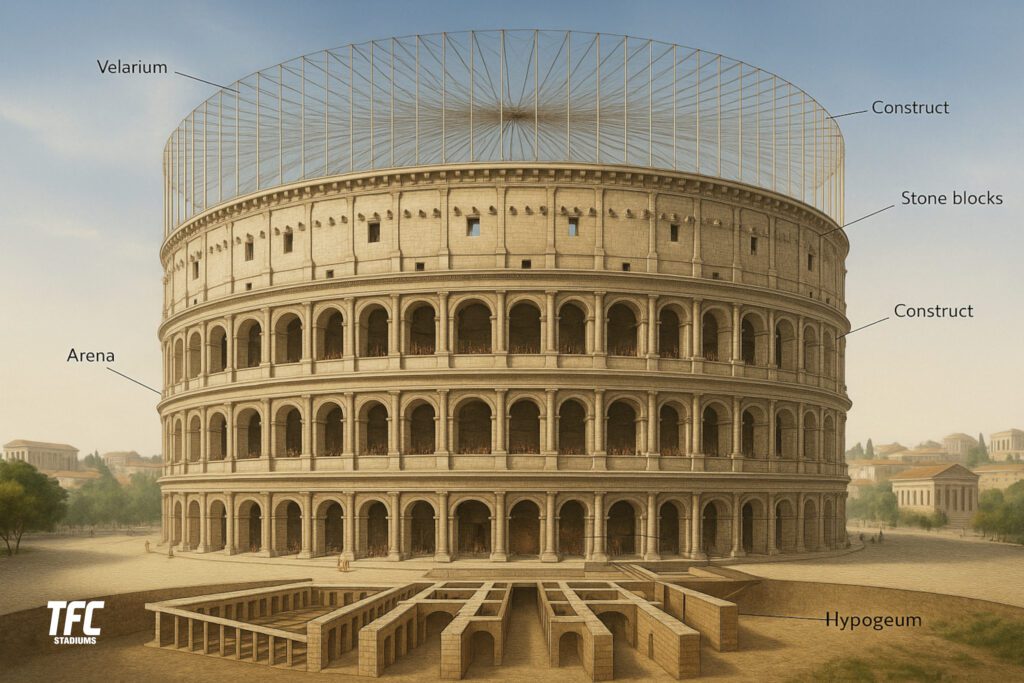
The earliest examples of stadium architecture come from the ancient Greeks and Romans. Greek stadiums like Olympia were relatively simple, elongated U-shaped structures built into natural landscapes. Spectators stood or sat on grassy banks. The Roman Colosseum, by contrast, introduced the concept of a freestanding oval structure, with multi-tiered seating, vomitoria for crowd movement, and a complex substructure beneath the arena floor.
- Key features:
- Utilised arches, concrete, and vaulted corridors
- Prioritised crowd control and spectacle
- Set a precedent for large-scale sports venues
19th Century: Industrial Influence and Formalisation
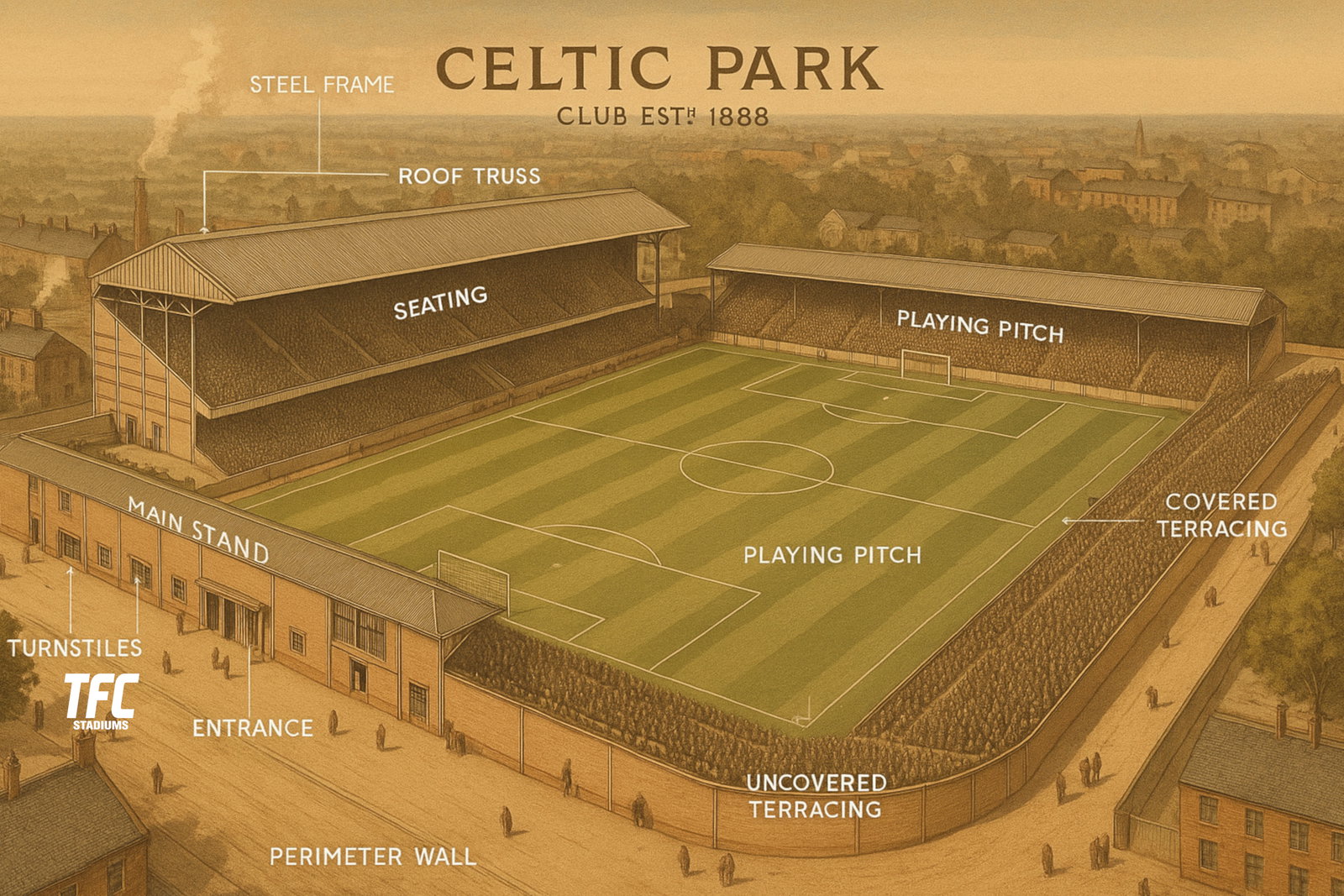
As industrialisation spread, so too did organised sport. The 19th century saw the formalisation of football, rugby, and cricket, which required more permanent venues. Early stadiums in Britain, such as Goodison Park (1892) and Celtic Park (1892), used timber and iron. These grounds were often rectangular, with wooden terraces and limited seating, prioritising function over form.
- Materials: Brick and steel replaced wood in many cases
- Capacity: Grew to accommodate thousands
- Layout: Pitch-focused with few amenities
Early to Mid 20th Century: Monumentality and Nationalism
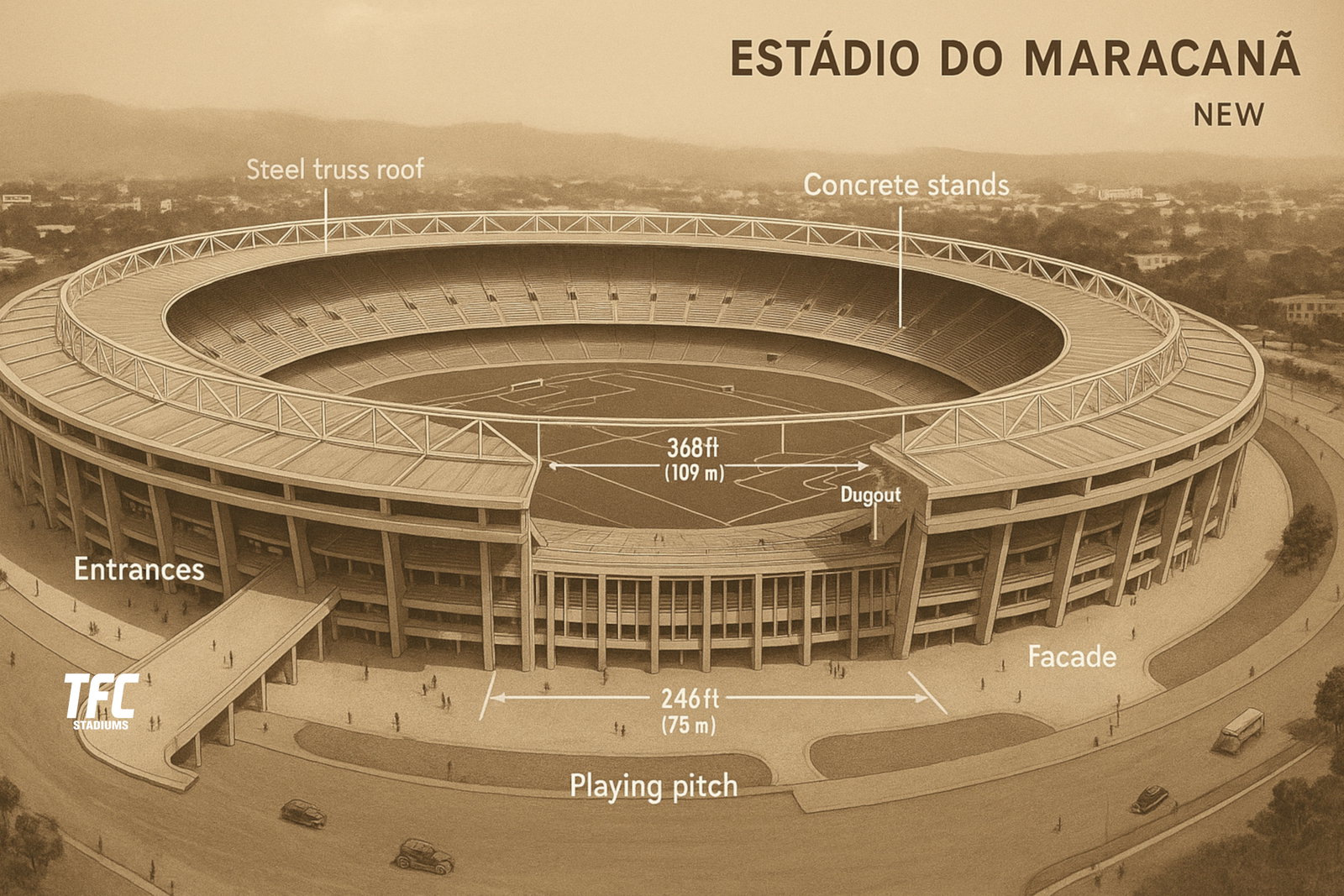
During the early 20th century, stadiums took on national significance. The 1936 Berlin Olympic Stadium was a symbol of Nazi power, while the Maracanã in Brazil, opened in 1950, showcased Brazil’s growing stature. These structures became architectural statements, with monumental façades and sweeping tiers.
- Common traits:
- Reinforced concrete allowed for ambitious designs
- Multipurpose use began to emerge
- Little concern for spectator comfort
Post-War Period: Functional Modernism
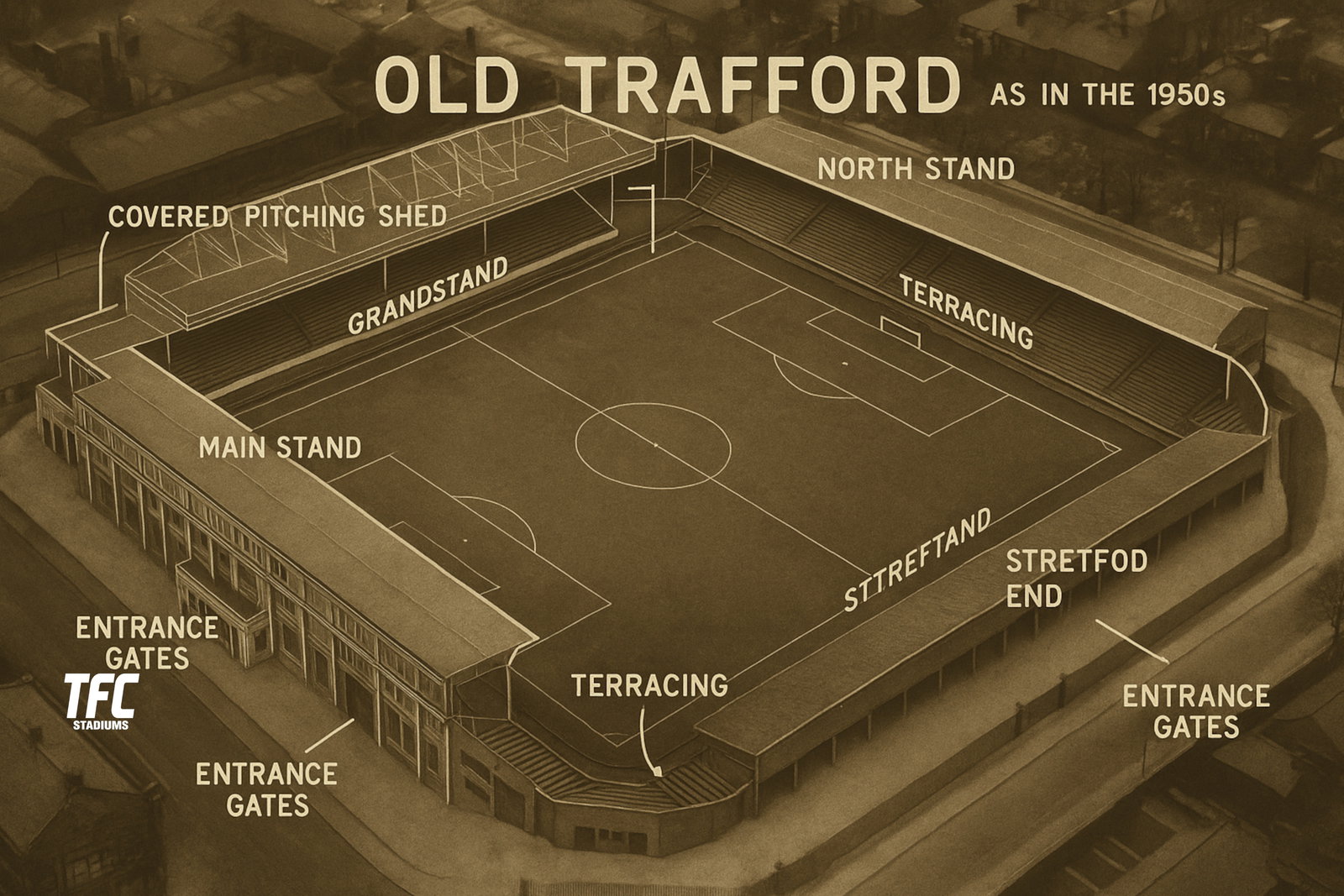
The post-war period prioritised efficiency and expansion. Stadiums such as Old Trafford and the San Siro underwent major redevelopments to cater to rising crowds. The brutalist and modernist tendencies of the era favoured raw concrete and angular forms.
- Challenges:
- Sightlines were often poor
- Safety standards lagged behind capacity
- Very limited consideration for accessibility
1970s–1990s: Safety, Comfort, and the Rise of the All-Seater
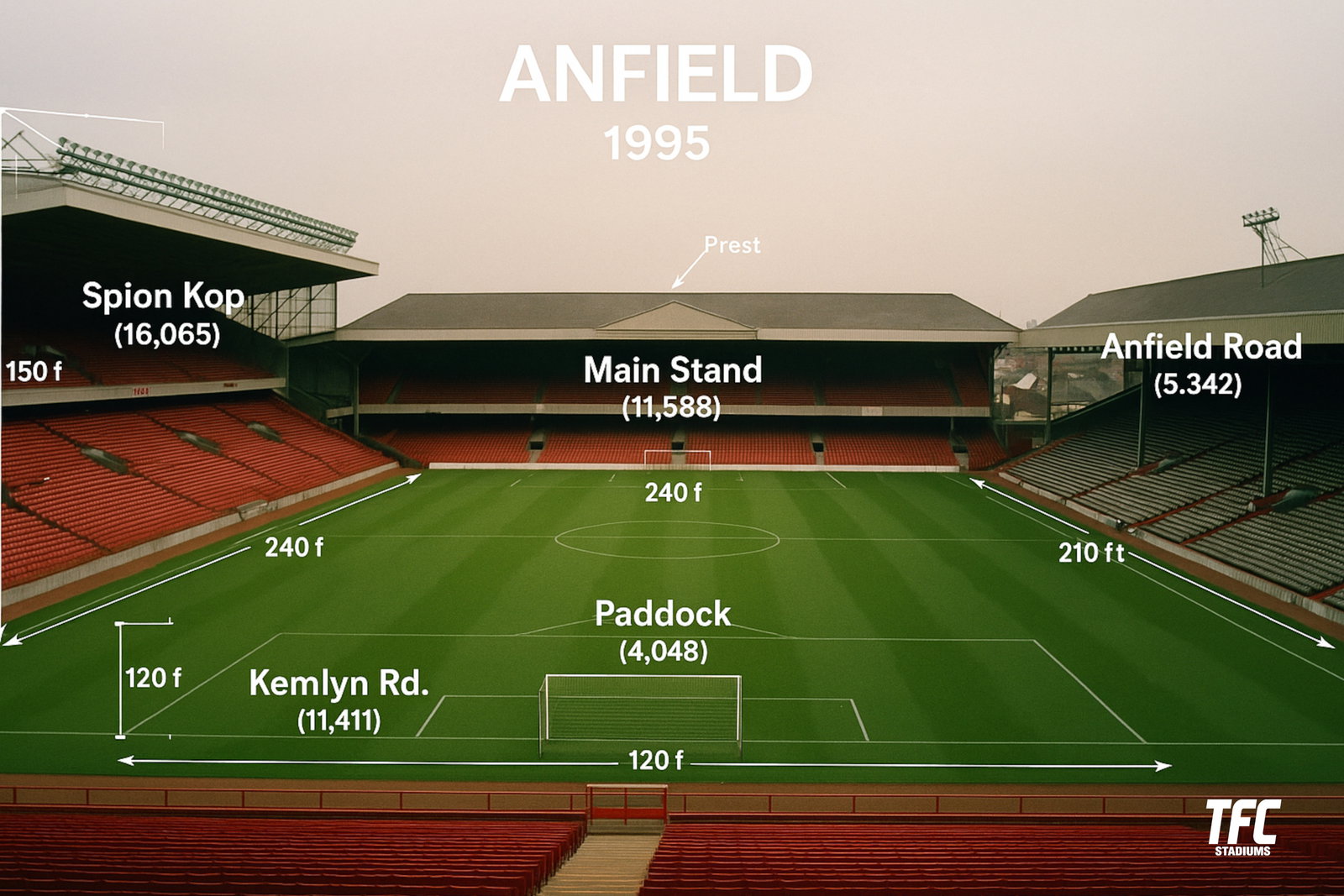
Tragedies like the Hillsborough disaster in 1989 shifted architectural priorities. Safety, visibility, and crowd control became central. In response, the Taylor Report in the UK recommended all-seater stadiums. Around the world, clubs modernised existing grounds or built new ones with improved circulation, better amenities, and clearer evacuation protocols.
- Major developments:
- Steep-tiered seating for better views
- Segregated zones to prevent crowd violence
- Increased use of cantilevered roofs
21st Century: Sustainability, Technology, and Fan Experience
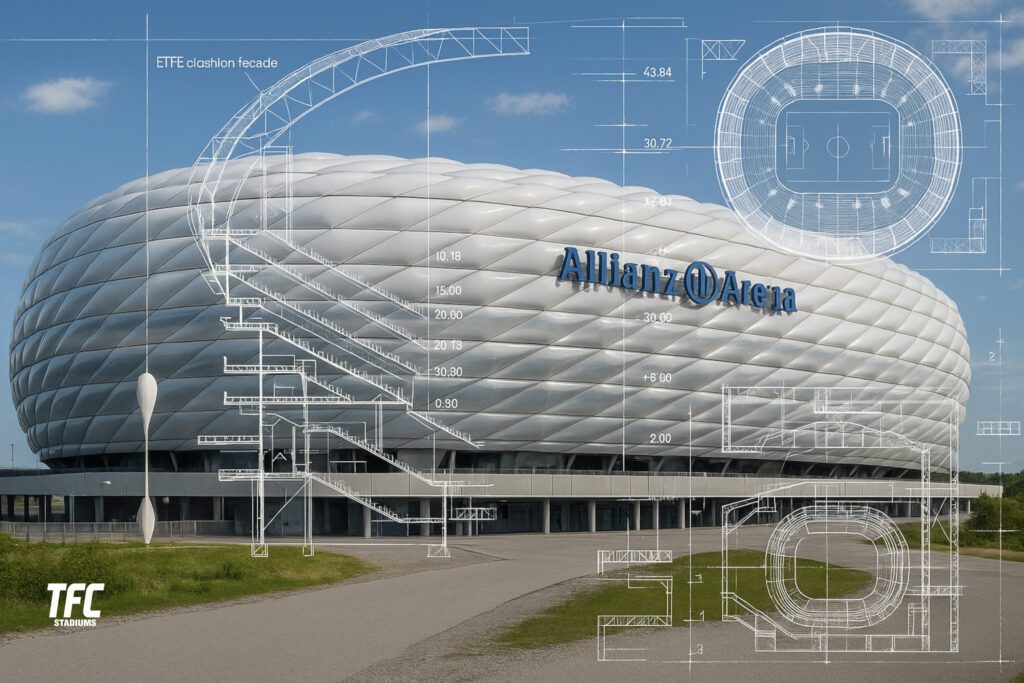
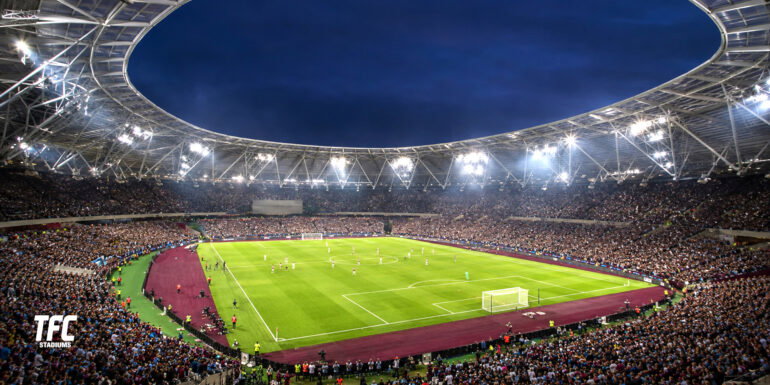
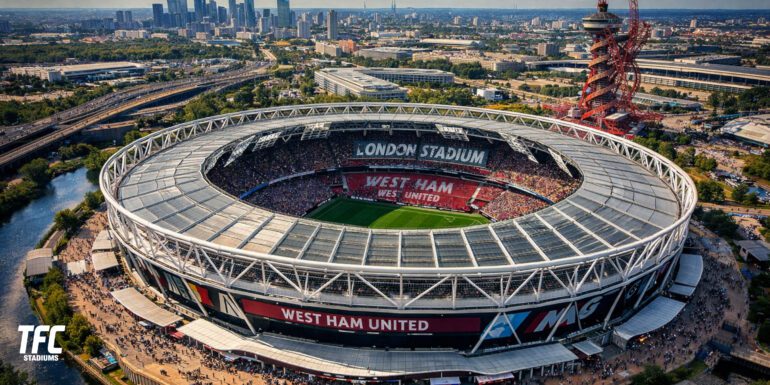
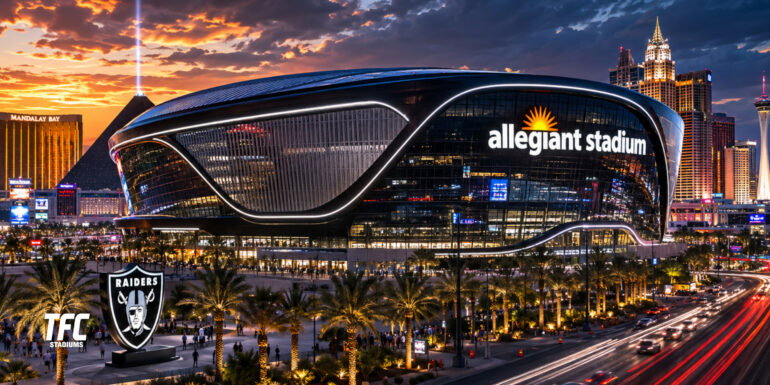
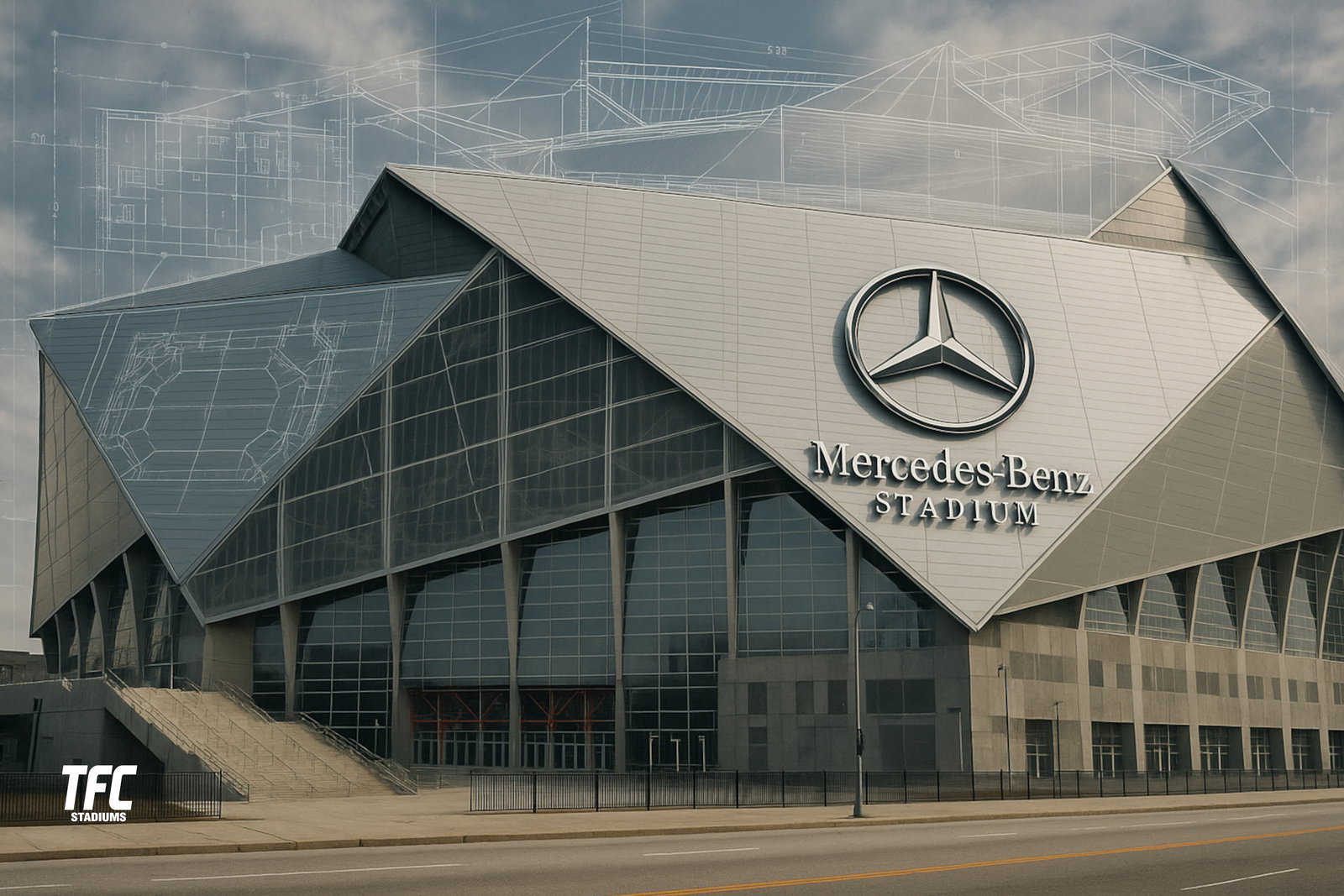
Modern stadiums are now designed as multi-use venues and architectural landmarks. They cater not just to sport, but to entertainment, retail, and tourism. The use of digital screens, retractable roofs, modular stands, and advanced acoustics has redefined what a stadium can be.
- Key examples:
- Allianz Arena (Munich): An LED-lit façade and a minimalist form
- Tottenham Hotspur Stadium (London): Multi-sport capabilities and cutting-edge hospitality
- SoFi Stadium (Los Angeles): Open-air yet roofed, with an immersive screen bowl
Sustainability has become critical:
- Use of renewable energy
- Rainwater harvesting systems
- Locally sourced or recyclable materials
- Public transport integration to reduce emissions
Looking Ahead
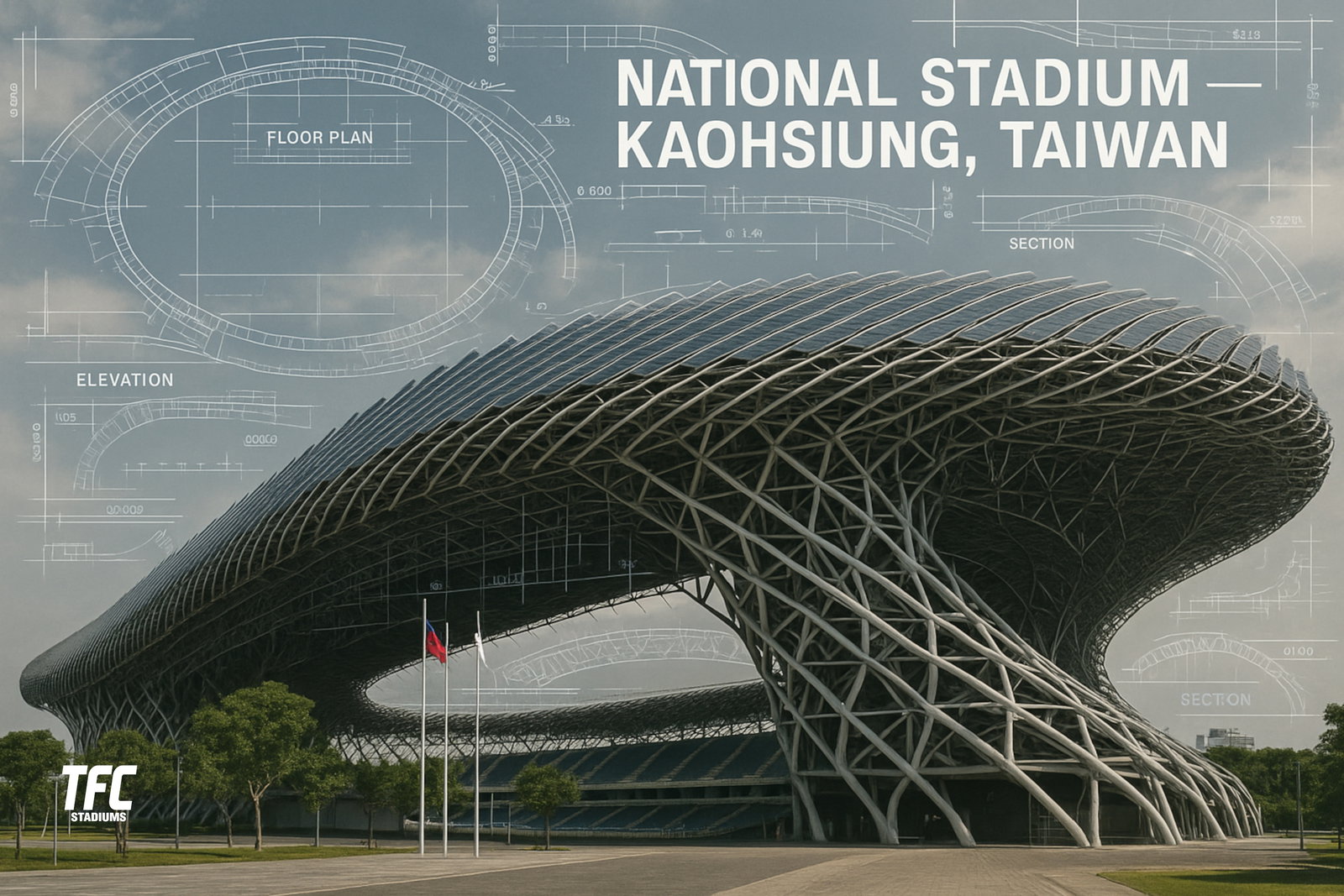
Stadiums are no longer just about watching a game. They serve as community hubs, architectural icons, and testing grounds for green technology. Concepts like modular stadiums, floating pitches, and fully net-zero facilities are no longer speculative. As fan expectations grow and cities grapple with climate concerns, stadium architecture will continue to adapt—balancing spectacle with sustainability, and tradition with transformation.
About the Author