
In the heart of Fez, Morocco’s historic and cultural capital, the Grand Stade de Fès is undergoing a major reconstruction that signals a new chapter in the nation’s sporting ambitions. Originally built in 1994 and inaugurated in 2007, the stadium is being redeveloped on a scale that reflects Morocco’s growing presence on the international stage. Once completed, it will serve as a key venue for both the 2025 Africa Cup of Nations and the 2030 FIFA World Cup, which Morocco is set to co-host with Spain and Portugal.
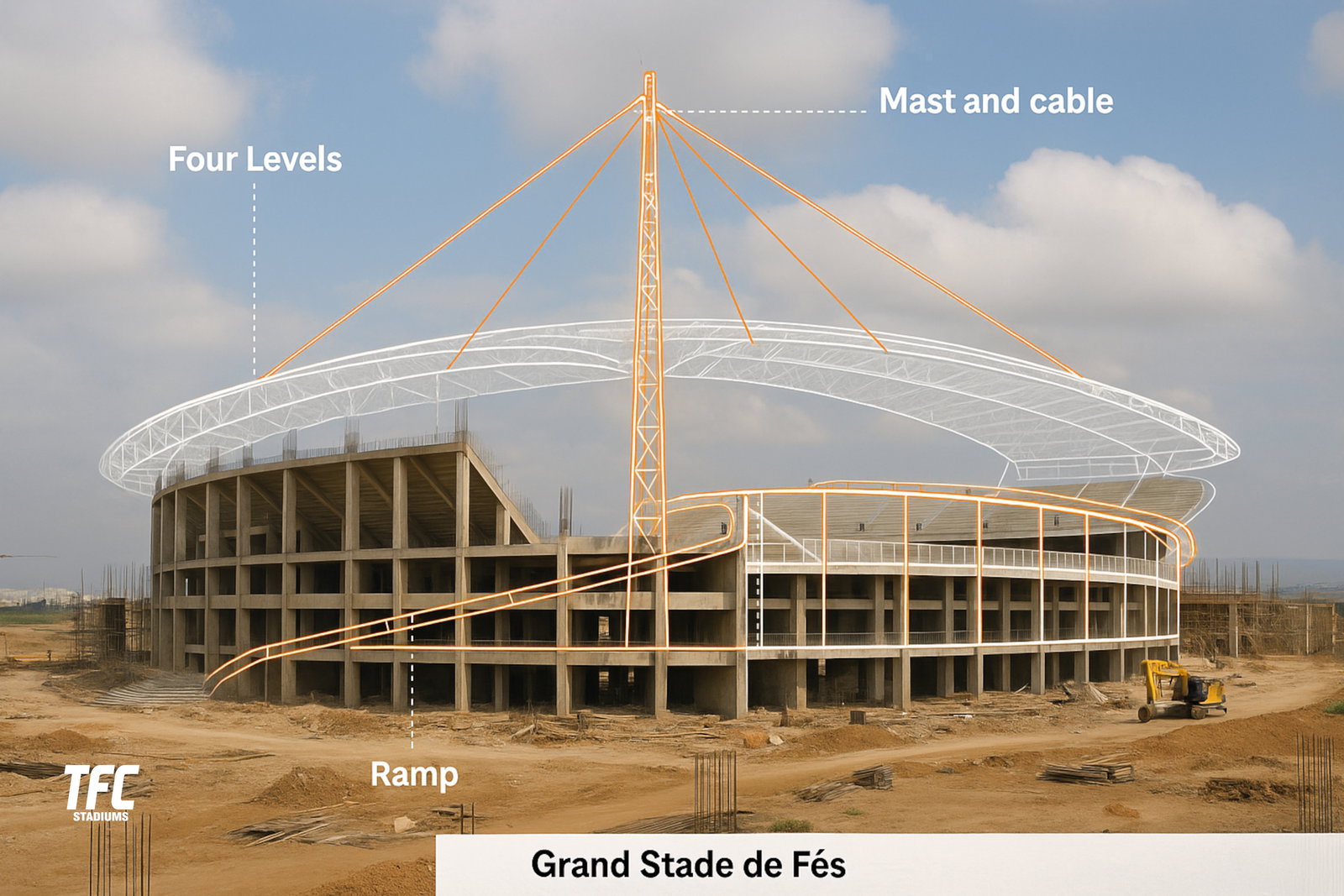
This reconstruction is not just about modernizing infrastructure—it’s about creating a venue that seamlessly blends Moroccan cultural heritage with cutting-edge design. The Grand Stade de Fès is set to become a symbol of ambition, innovation, and national pride, reflecting Morocco’s growing prominence on the global stage.
A Journey of Architectural Evolution
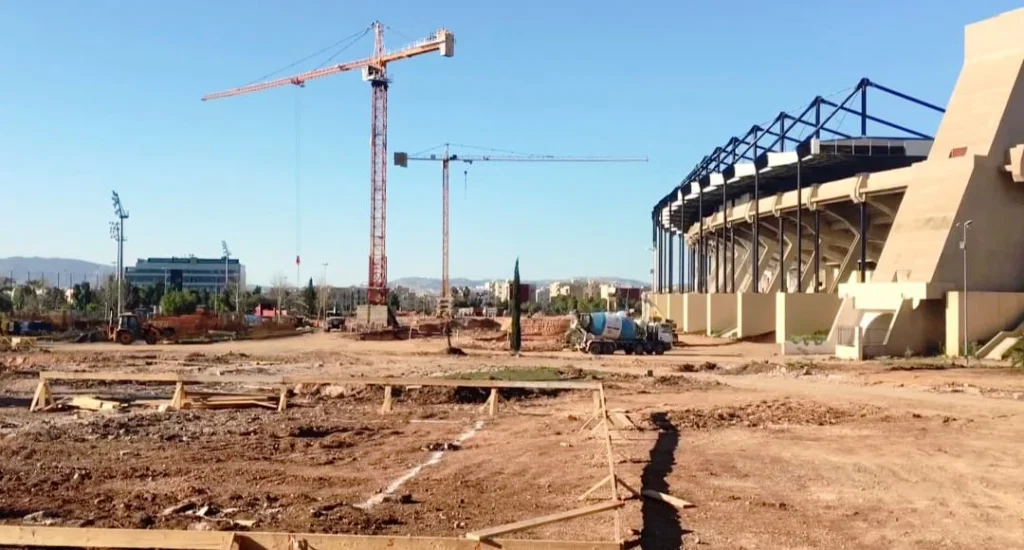
The Grand Stade de Fès has always been more than just a sports facility—it has been a symbol of Fez’s identity and its role as a hub for culture and athletics. However, as global standards for stadiums evolved, so too did the need for modernization. The current reconstruction project represents a bold vision to transform this iconic venue into one of Morocco’s most advanced sports complexes.
The renovation is being carried out in two meticulously planned phases. The first phase, scheduled for completion by 2025, focuses on preparing the stadium for the Africa Cup of Nations. This stage includes upgrading critical infrastructure such as changing rooms, main entrances, and indoor facilities to meet international standards. The second phase, extending until 2028, will involve more comprehensive transformations aimed at meeting FIFA requirements for the 2030 World Cup. This phased approach ensures that the stadium remains functional while undergoing its remarkable evolution, allowing it to serve both immediate and long-term goals.
Expanding Capacity and Elevating Experiences
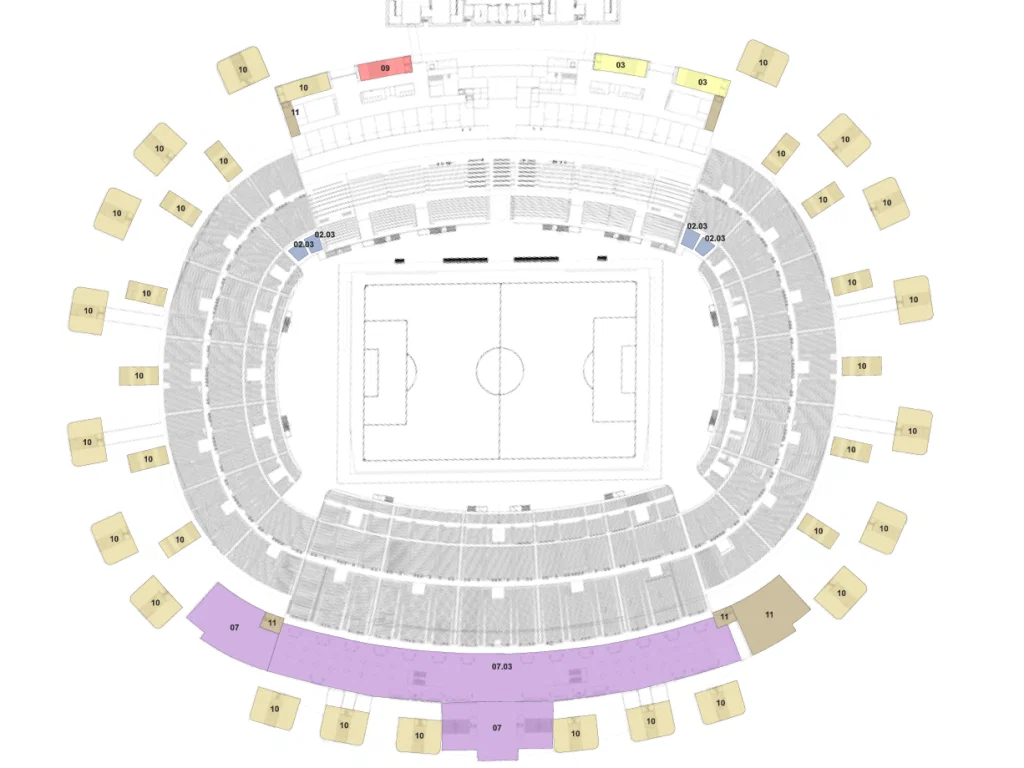
One of the most exciting aspects of this reconstruction is the significant expansion in capacity. The stadium will grow from its original 35,000 seats to an impressive 55,800, making it one of Morocco’s largest and most modern sporting venues. This expansion is about more than just numbers—it’s about creating an unparalleled experience for fans and athletes alike.
The redesign will completely remove the existing athletics track to create a football-specific layout, bringing spectators closer to the action and enhancing their connection to the game. Additionally, the pitch level will be lowered to improve sightlines, ensuring that every seat offers an exceptional view. These changes are designed to immerse fans in the energy of live sports while meeting international standards for hosting world-class tournaments.
Cultural Heritage Meets Modern Design
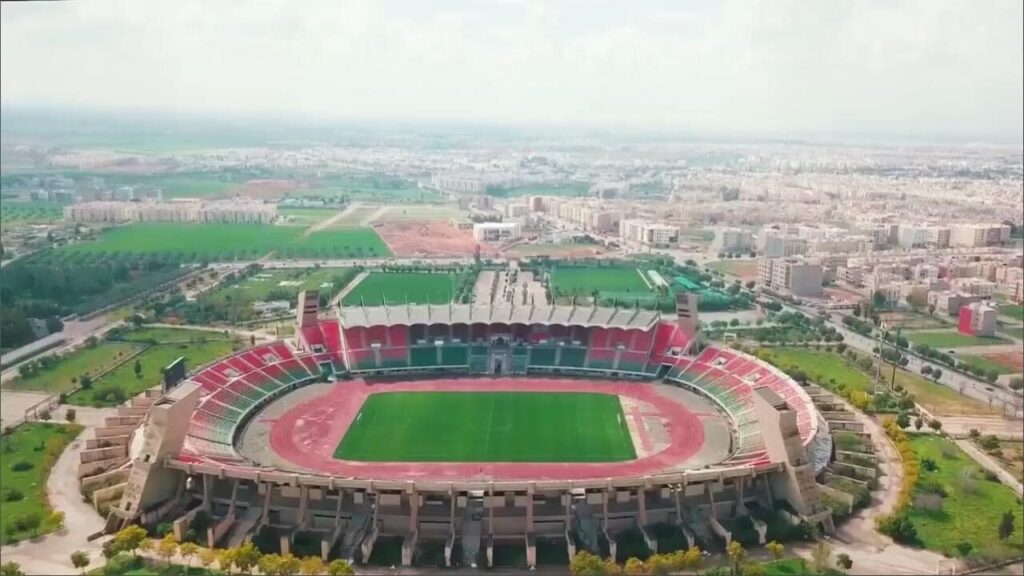
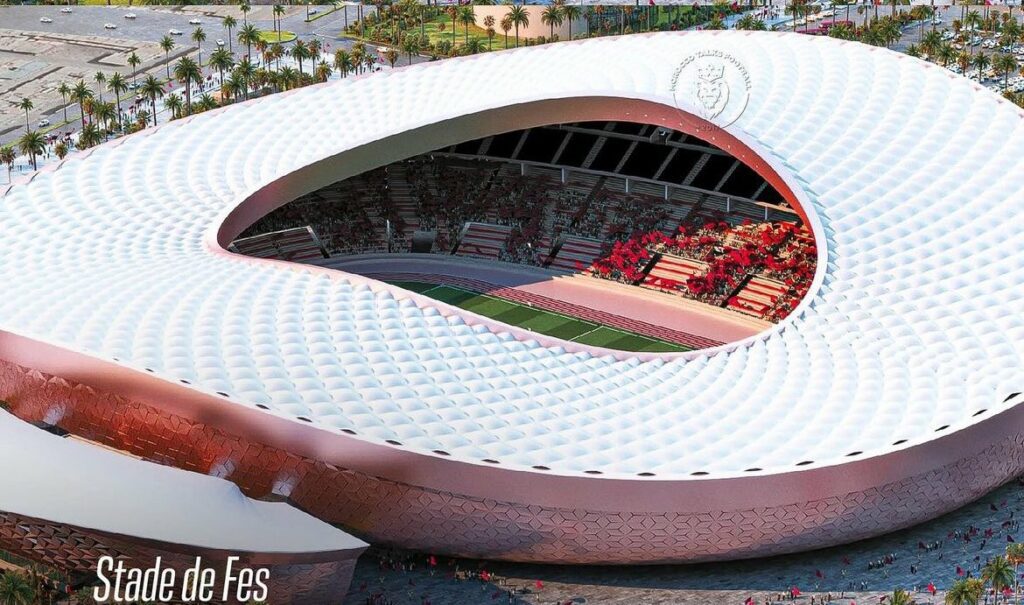
What truly sets this reconstruction apart is its commitment to preserving Moroccan cultural identity while embracing modern innovation. The new design incorporates architectural elements inspired by Moroccan traditions, ensuring that the stadium reflects its cultural roots even as it adopts cutting-edge features.
A standout feature is the distinctive glass façade, which allows natural daylight to illuminate the interior while creating a visually stunning exterior that blends seamlessly with Fez’s historic landscape. Surrounding green spaces further enhance this harmony by integrating natural aesthetics with modern sporting infrastructure. This thoughtful approach ensures that Fez Stadium becomes not only a functional venue but also an architectural landmark that celebrates Morocco’s rich heritage.
Strategic Importance for Moroccan Sports
The reconstruction of Fez Stadium is part of Morocco’s broader vision to establish itself as a premier destination for international sporting events. By investing in world-class facilities like this one, Morocco is demonstrating its commitment to sports development while showcasing its ability to host large-scale tournaments with global appeal.
The stadium will play a pivotal role in hosting both the 2025 Africa Cup of Nations and the 2030 FIFA World Cup, elevating Morocco’s status on the global stage. However, its significance goes beyond these events—it represents a long-term strategy to boost tourism, foster economic growth, and inspire future generations through sports.
Transforming Fez: Beyond the Stadium
The impact of this project extends far beyond the stadium itself. The reconstruction is part of a larger urban transformation aimed at turning Fez into a hub for sports, culture, and tourism. As part of this initiative:
- Fez Airport is being upgraded to handle increased international traffic efficiently.
- Transportation networks are being expanded to improve connectivity within the city and beyond.
- Accommodation capacity will rise significantly, with plans to offer 7,600 classified hotel rooms by 2028.
- Digital infrastructure is being enhanced with 5G network coverage and extensive Wi-Fi zones.
These developments will ensure that Fez can accommodate athletes, fans, and tourists while solidifying its position as one of Morocco’s most dynamic cities.
Technical Innovation Meets Sustainability
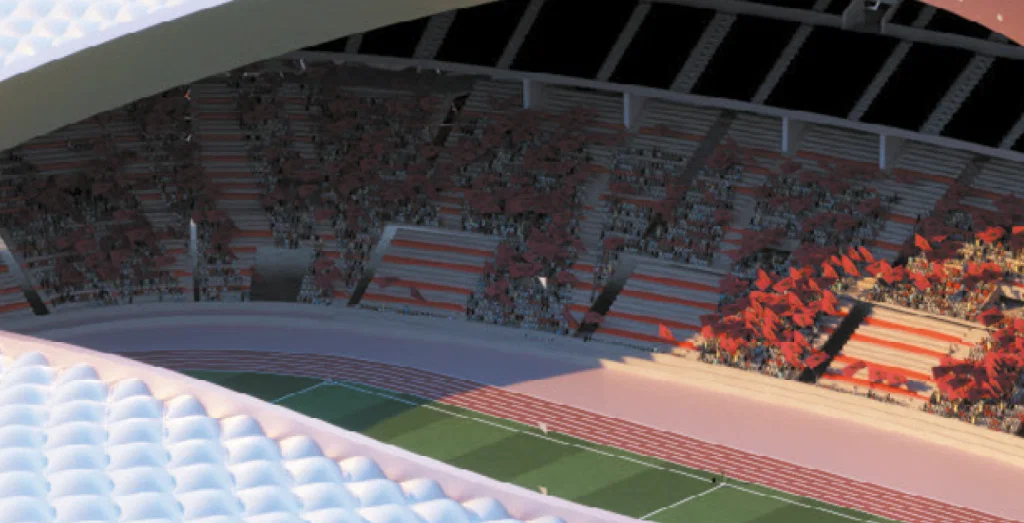
The reconstructed Grand Stade de Fès will meet stringent FIFA standards while incorporating innovative features that prioritize functionality and environmental sustainability. For instance:
- Parking facilities spanning 26 hectares will accommodate over 10,500 vehicles, ensuring smooth access during large-scale events.
- An auxiliary building in front of the western stand will enhance both functionality and aesthetic appeal.
- Sustainable design elements will reduce energy consumption while maintaining harmony with Fez’s natural surroundings.
These upgrades ensure that Fez Stadium not only meets international requirements but also sets new benchmarks for sustainable sports infrastructure.
A Symbol of Moroccan Ambition
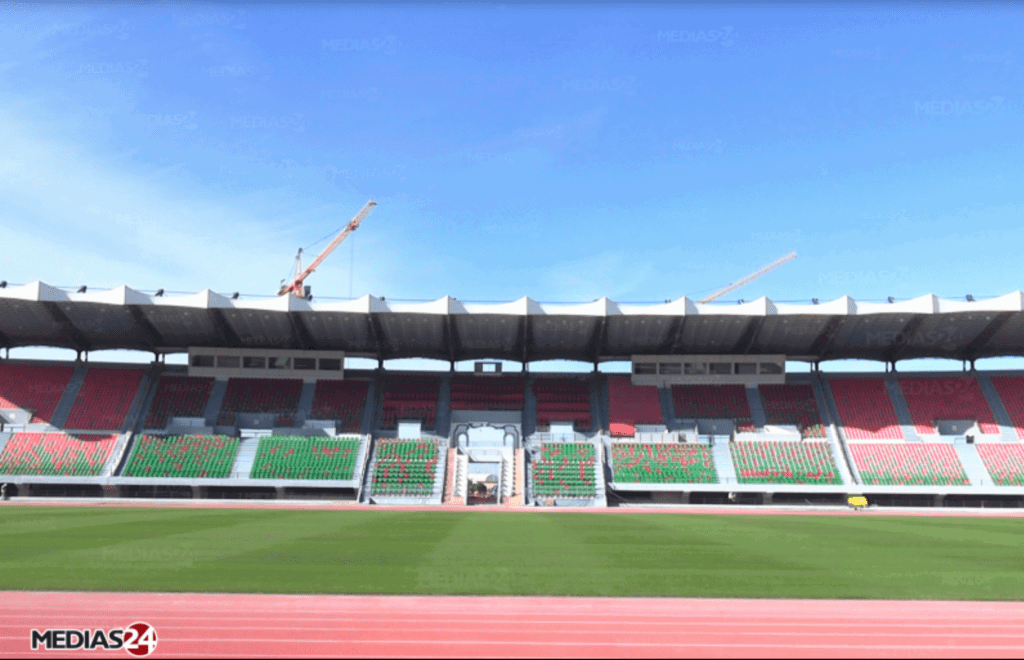
As Morocco prepares to co-host the 2030 FIFA World Cup, Fez Stadium stands as a testament to the country’s ambition, innovation, and cultural richness. This reconstruction project goes beyond simply upgrading infrastructure—it is about creating a landmark that inspires generations while showcasing Morocco’s potential on the global stage.
The Grand Stade de Fès is where architectural innovation meets cultural heritage—a venue designed not just for sports but as a celebration of Moroccan identity and progress.
Conclusion
The Grand Stade de Fès is more than just a sports venue—it’s a symbol of Morocco’s ambition, innovation, and cultural pride. Through its meticulous reconstruction, the stadium is transforming into a world-class facility that blends modern design with Moroccan heritage. As it prepares to host the 2025 Africa Cup of Nations and the 2030 FIFA World Cup, this iconic venue reflects Morocco’s commitment to excellence on the global stage. Beyond sports, it is driving Fez’s urban transformation, enhancing infrastructure, and positioning the city as a hub for tourism, culture, and international events. The Grand Stade de Fès stands as a testament to Morocco’s vision for the future—a space where heritage meets progress, inspiring generations to come.
FAQs
1. What is the significance of the Grand Stade de Fès?
The Grand Stade de Fès is a key part of Morocco’s strategy to establish itself as a premier destination for international sports. It symbolizes national pride and cultural heritage while preparing to host major events like the 2025 Africa Cup of Nations and the 2030 FIFA World Cup.
2. How is the stadium being modernized?
The stadium is undergoing a two-phase reconstruction process. The first phase (by 2025) focuses on upgrading infrastructure for the Africa Cup of Nations, while the second phase (by 2028) will include comprehensive transformations to meet FIFA World Cup standards.
3. What are some key upgrades in the reconstruction?
The stadium will expand its capacity from 35,000 to 55,800 seats, remove its athletics track for a football-specific layout, lower the pitch level for better viewing experiences, and incorporate a distinctive glass façade that combines modern aesthetics with Moroccan cultural elements.
4. How does this project impact Fez beyond sports?
The reconstruction is part of Fez’s broader urban transformation. The city is upgrading its airport, expanding transportation networks, increasing hotel capacity to 7,600 rooms by 2028, and enhancing digital infrastructure with 5G coverage and Wi-Fi zones.
5. Why is Fez Stadium important for Morocco’s global ambitions?
Fez Stadium showcases Morocco’s ability to host world-class events while preserving its cultural identity. It reflects the country’s ambition to elevate its global standing in sports and tourism by providing state-of-the-art infrastructure that meets international standards.
About the Author