A New Stadium Waiting for a Giants Moment
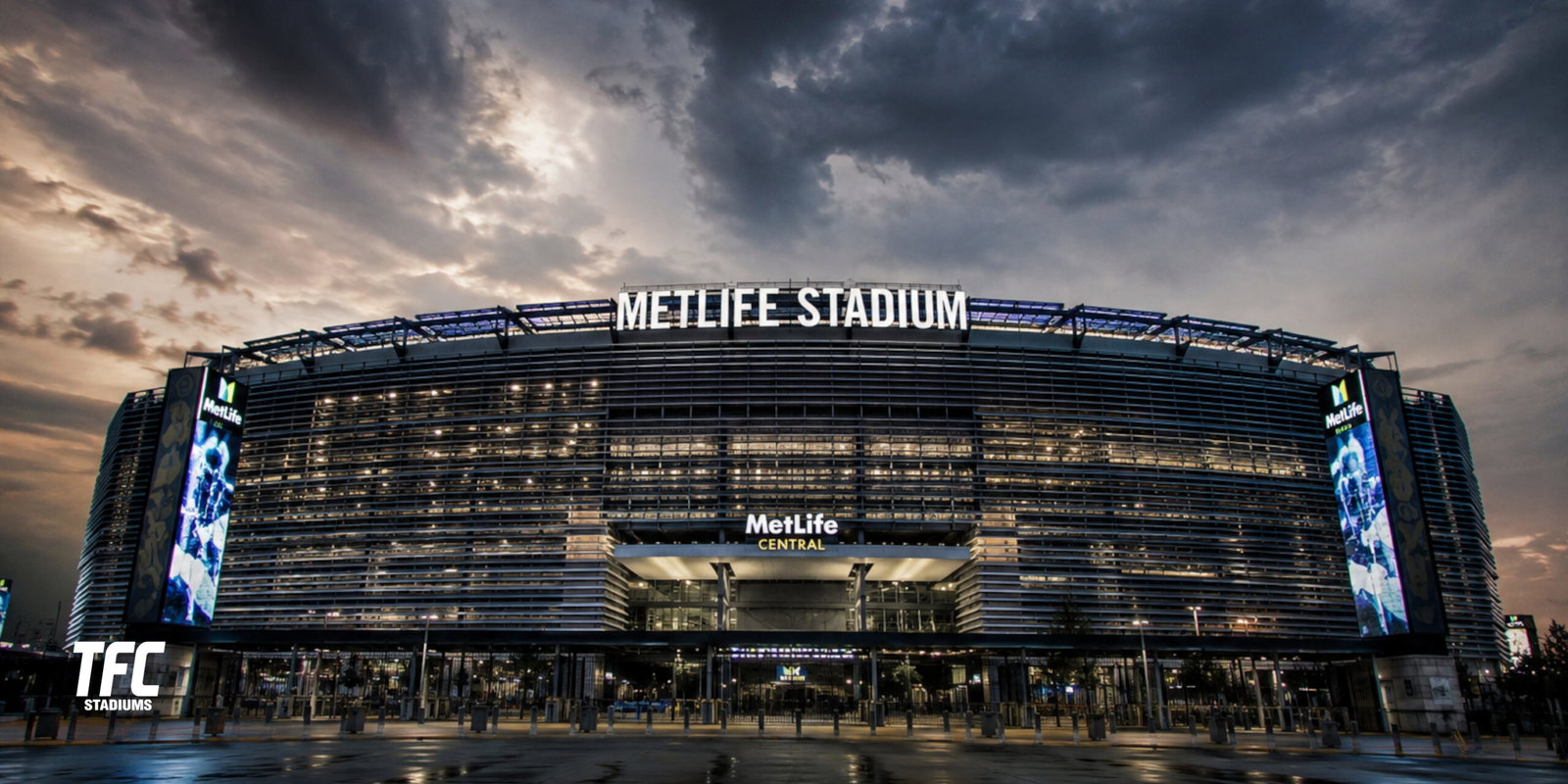
When the New York Giants moved into MetLife Stadium in 2010, they arrived with a difficult challenge. The franchise was leaving behind decades of memories at Giants Stadium, a venue filled with championships, legendary defensive performances and unforgettable NFC East battles.
The new $1.6 billion stadium had size, technology and ambition, but it still needed history. For Giants fans, buildings are not judged by luxury suites or giant video boards. They are judged by moments.
That first winning moment arrived on September 26, 2010, when the Giants defeated the Tennessee Titans 29–10 in Week 3 of the NFL season.
It was not the prettiest game in franchise history. It was not a playoff classic. Yet it mattered because it gave Big Blue their first true celebration inside their new home.
Setting the Scene: Moving on From Giants Stadium
The Giants had played at Giants Stadium from 1976 through 2009, creating one of the NFL’s most recognisable home environments.
During that era, the team won:
| Achievement | Total |
|---|---|
| Super Bowl titles while based at Giants Stadium | 3 |
| NFC Championships | 5 |
| Playoff appearances | 19 |
| Regular season home games hosted | 270+ |
The old stadium was not glamorous by the end, but it had personality. Cold weather, swirling winds and a demanding crowd became part of the Giants’ identity.
MetLife Stadium offered:
- Capacity of around 82,500 fans
- Modern premium seating areas
- Four large video displays
- Improved concourses and facilities
- Flexible design shared with the New York Jets
The question was whether a modern venue could recreate the edge of the old Meadowlands.
The First Giants Game at MetLife Stadium
The Giants officially opened their regular season life at MetLife Stadium on September 12, 2010, against the Carolina Panthers.
They won that game 31–18, meaning the first Giants regular season victory in the building came immediately.
However, their first major statement home performance came two weeks later against Tennessee, after a difficult Week 2 defeat raised early concerns about the direction of the season.
The Titans arrived with one of football’s most explosive players, running back Chris Johnson, who had rushed for over 2,000 yards the previous season.
Stopping him became the challenge.
Giants vs Titans: How the First Statement Win Happened
Final Score
| Team | Points |
| New York Giants | 29 |
| Tennessee Titans | 10 |
The Giants controlled the game through defence, field position and patience. It was a performance that felt much closer to traditional Giants football than a modern stadium showcase.
Key statistics:
| Category | Giants | Titans |
| Total yards | 471 | 271 |
| Passing yards | 370 | 118 |
| First downs | 26 | 11 |
| Time of possession | 33:44 | 26:16 |
The Giants did not simply win. They controlled the rhythm.
Eli Manning Leads the New Era
Quarterback Eli Manning became the first true face of MetLife Stadium for Giants supporters.
Against Tennessee, Manning delivered:
- 34 completions
- 386 passing yards
- Strong control of the offence
- Multiple long drives that wore down the Titans defence
Manning was entering the prime years of his career. Less than two years later, he would lead the Giants to another Super Bowl championship, making MetLife Stadium the home base of another title-winning team.
There was always something slightly chaotic about the Manning-era Giants. They could look unstoppable one week and completely unpredictable the next, but when everything clicked, they were one of the hardest teams in football to handle.
Defensive Identity Returns
The Giants have always been a franchise built around defence. From Lawrence Taylor’s dominance in the 1980s to Michael Strahan’s pass rush years, physical football was part of the culture.
Against Tennessee, the defence sent an early message:
- Chris Johnson was held to 125 yards but denied a game-changing performance
- Vince Young was pressured throughout
- The Titans struggled to sustain drives
- New York forced mistakes and controlled field position
Players such as Justin Tuck, Osi Umenyiora and Antrel Rolle helped connect the new stadium era with the franchise’s defensive traditions.
Fan Reaction: Turning a Building Into a Home
Early reactions to MetLife Stadium were mixed.
Fans appreciated:
- Better facilities
- Easier movement around concourses
- Improved sightlines
- Modern screens and technology
Some missed:
- The louder enclosed feel of Giants Stadium
- The older venue’s character
- A stadium that belonged exclusively to the Giants
Winning helped.
NFL stadiums earn personality through memories, and the Giants quickly started creating them.
How Important Was the First MetLife Era?
The opening seasons at MetLife Stadium quickly produced major moments.
Important early events included:
| Year | Moment |
| 2010 | Giants begin playing at MetLife Stadium |
| 2011 season | Giants launch Super Bowl XLVI championship run |
| 2012 | First full season after another Super Bowl victory |
| 2014 | MetLife Stadium hosts Super Bowl XLVIII |
The biggest validation came during the 2011 season. The Giants finished only 9–7, but caught fire in the playoffs and defeated the New England Patriots in Super Bowl XLVI.
A new stadium already had a championship team attached to it.
Legacy of the Giants’ First MetLife Stadium Win
The first Giants victory at MetLife Stadium was more than a scoreline. It was the beginning of a new chapter after leaving one of the NFL’s most familiar venues.
The stadium itself would continue to divide opinion. Some fans see it as practical rather than iconic, especially compared with newer architectural showcases around the league.
But Giants history has never really been about the building. It has been about tough defensive stands, unlikely playoff runs and moments when Big Blue finds a way.
The first win proved something simple. The address changed, but the expectations did not.
About the Author