
New York, where sport never whispers
New York does not do subtle. The city treats sport like an opening night on Broadway, loud opinions, long memories, and a crowd ready to turn on you by half-time. From cathedrals of baseball to arenas squeezed into tight city blocks, this is a town where venues carry the same cultural weight as museums and landmarks. I am a West Coast guy, but even I will admit that when New York gets it right, it hits harder than a prime-time kickoff under the lights.
Yankee Stadium, tradition with a modern edge
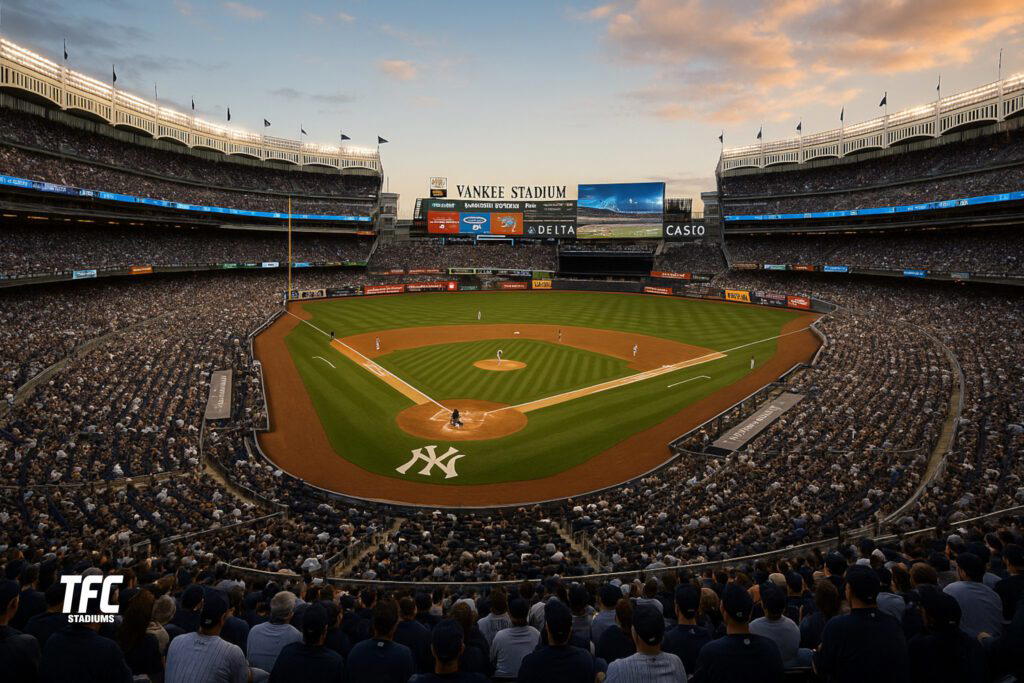
Yankee Stadium is baseball royalty rebuilt for the modern era. Opened in 2009, it replaced the old house across the street, but it kept the sense that history is always sitting in the front row. Monument Park still matters. So does the short porch in right field, which pitchers complain about until one of their own hitters uses it.
Capacity sits just over 46,000, though it feels tighter when the Bronx crowd decides it is time to remind an opposing closer where he is. Sightlines are strong across the bowl, and the atmosphere sharpens fast when the game matters. Subway access is excellent, which means the post-game mood rides the rails straight back into Manhattan.
Citi Field, baseball built for the modern fan
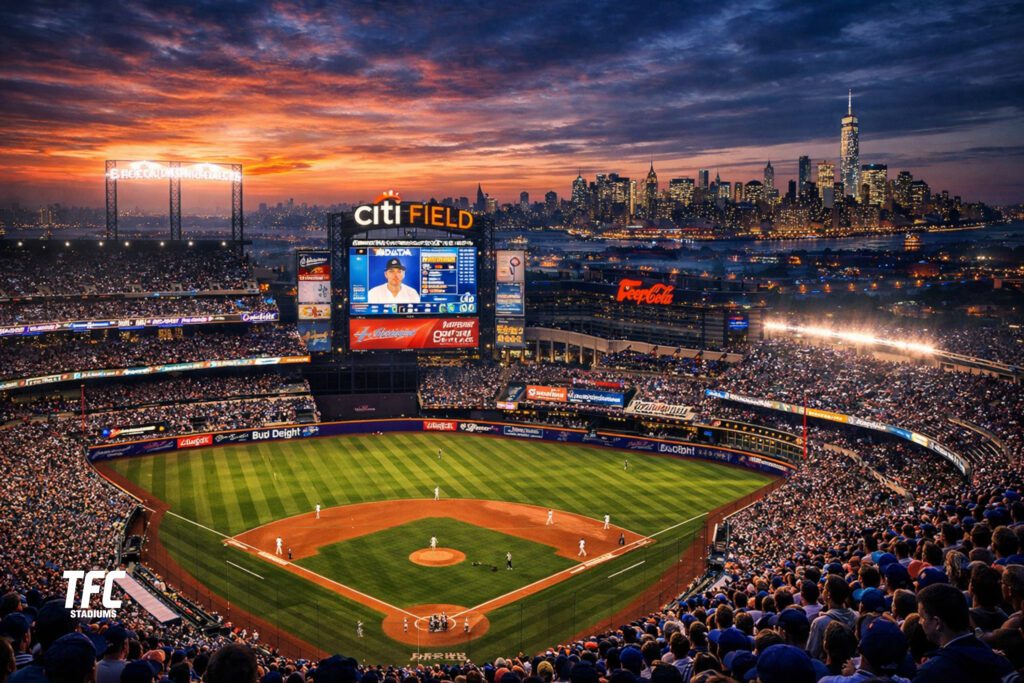
Citi Field is calmer, cleaner, and a little more self-aware. Opened in 2009, it replaced Shea Stadium and leaned into comfort, food options, and clear sightlines. The park plays fair, rewards power hitters, and gives fans room to breathe.
Mets crowds have a reputation for gallows humour, and it is earned. You will hear sarcasm before rage, and loyalty before despair. On a good night, with the skyline glowing beyond the outfield, it is one of the most pleasant baseball experiences in the league.
Madison Square Garden, the centre of everything
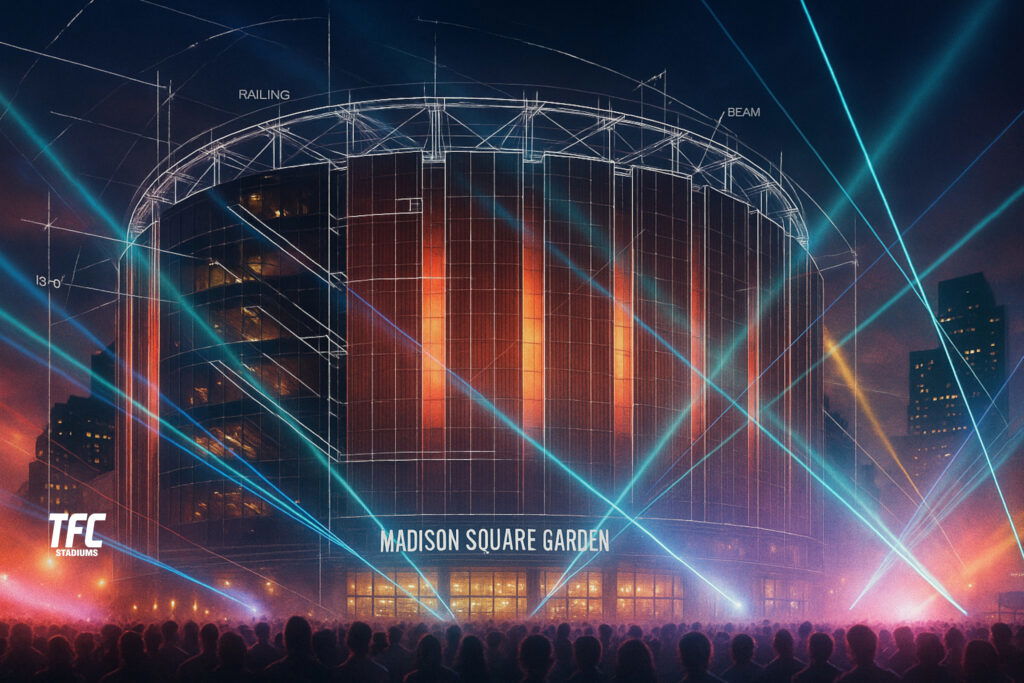
Madison Square Garden is not just an arena, it is a pressure cooker stacked on top of Penn Station. Basketball, hockey, boxing, concerts, it all funnels into the same steep bowl where noise drops straight onto the floor.
Capacity flexes by event, around 19,500 for basketball, and every seat feels close. The Knicks may test patience, but the crowd never loses its edge. Visiting players talk about the lights, the sound, and the sense that the building is watching you. That part is not exaggeration.
Barclays Center, modern Brooklyn muscle
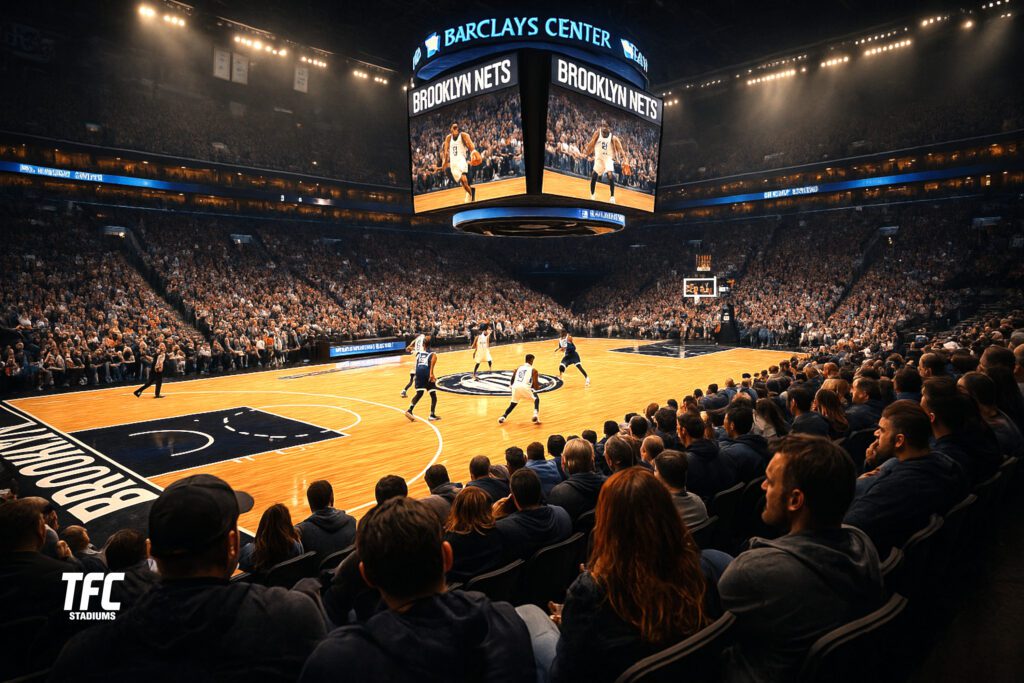
Barclays Center arrived in 2012 and gave Brooklyn a venue that matched its confidence. Dark, industrial, and compact, it was built for atmosphere. Basketball and hockey have both lived here, but the building really shines when the crowd buys in and turns the place into a wall of sound.
Transport links are outstanding, which means the place fills quickly and empties even faster. It feels younger than the Garden, less reverent, and more willing to experiment. That suits the borough just fine.
MetLife Stadium, New York by way of New Jersey
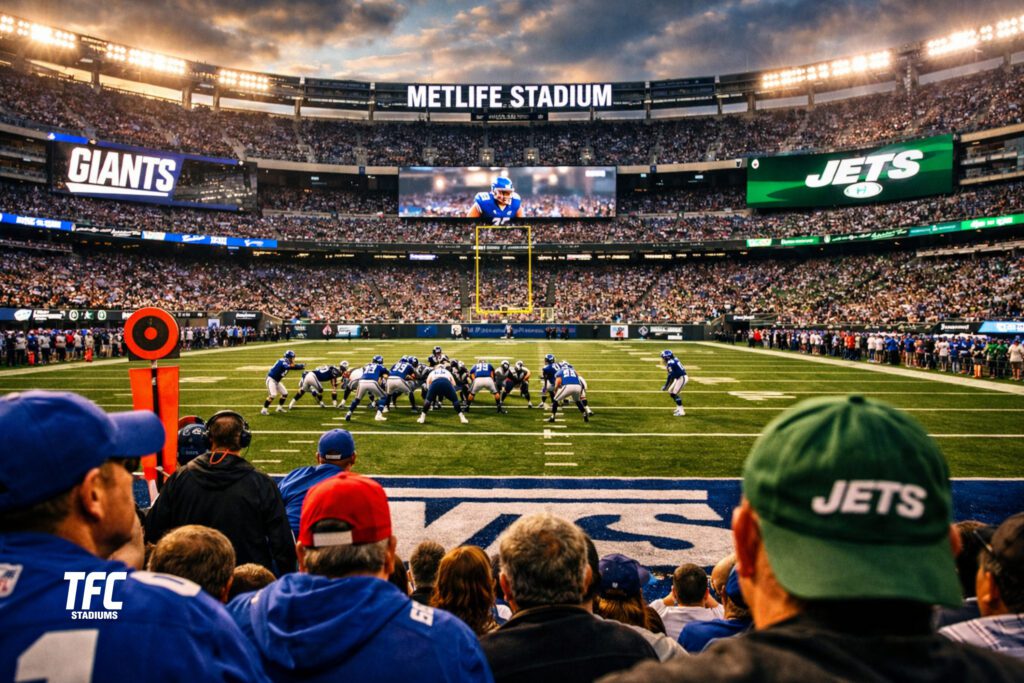
MetLife Stadium is technically across the river, but New York claims it when the NFL rolls in. Opened in 2010, it holds over 82,000 and feels massive, efficient, and a little ruthless. No roof, no frills, just football and weather.
Sharing a home between two teams means the building stays neutral, which some fans hate and others appreciate. When it is full, it is loud. When the wind cuts across the upper tiers, you will remember where you are.
UBS Arena, hockey done properly
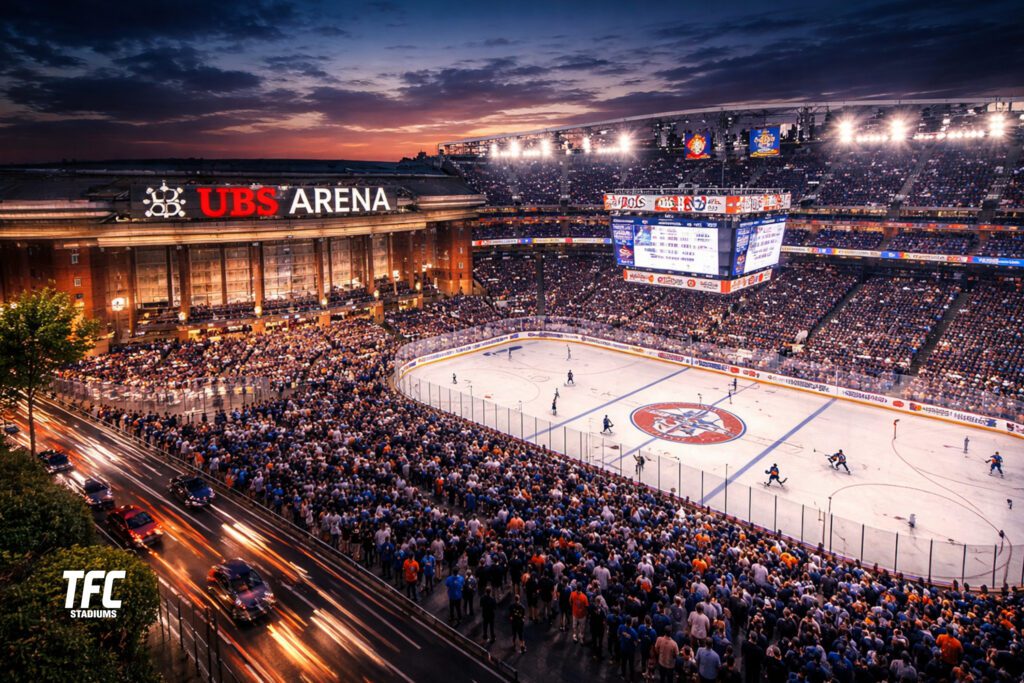
UBS Arena opened in 2021 and finally gave Long Island a modern home that feels designed for fans rather than accountants. Sightlines are clean, concourses make sense, and the building knows when to get out of the way and let the game breathe.
It is not flashy, but it is smart. For hockey, that is often the better deal.
Getting around on game day
New York rewards planning. Subways and commuter lines get you close to most venues, but timing matters. Arrive early, eat before the rush, and accept that leaving with the crowd is part of the ritual. Taxis work, but patience works better.
Final word from a West Coast seat
New York sports venues do not chase perfection. They chase relevance, noise, and memory. Some are polished, some are blunt, and all of them reflect the city around them. You do not come here for comfort alone. You come to feel something, preferably with 20,000 other people telling you exactly how they feel too.
About the Author