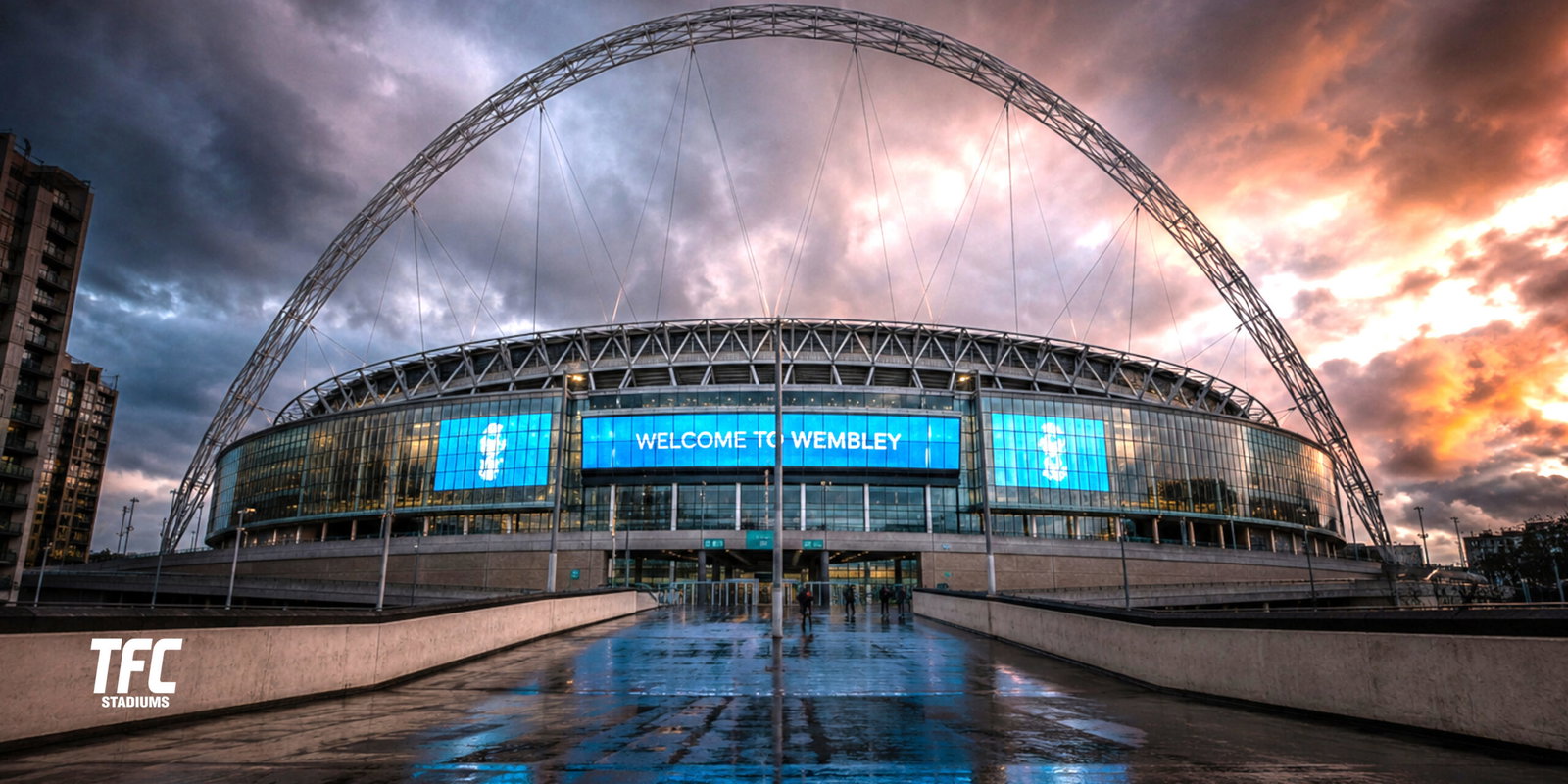
Wembley Stadium has only been open since 2007, which still feels surprisingly new for a venue that already occupies such a huge place in football history. Yet major stadiums age faster than many people realise. Technology evolves, supporter expectations change, and competition from newer venues around the world never stands still.
That is why discussions around Wembley renovations have become increasingly important. Nobody is talking about replacing England’s national stadium, but keeping it among the world’s elite requires constant investment.
As a football fan, I still remember the excitement of walking into Wembley for the first time. The sheer scale, the famous arch and the view from almost every seat remain genuinely impressive. Even so, after visiting newer stadiums across Europe and the United States, you start to notice where Wembley could become even better.
Why Wembley Already Needs Investment
When Wembley reopened in 2007, it represented one of the biggest stadium projects ever completed.
Some key figures show its scale:
| Feature | Detail |
|---|---|
| Opening Year | 2007 |
| Capacity | 90,000 |
| Construction Cost | Around £798 million |
| Height of Arch | 133 metres |
| Major Events | FA Cup Final, England internationals, Champions League Finals, NFL, concerts |
Although less than twenty years old, Wembley has hosted:
- Hundreds of England internationals
- Every FA Cup Final since reopening
- UEFA Champions League Finals
- European Championship matches
- NFL regular season games
- Boxing world title fights
- Major concerts by global artists
That amount of usage inevitably creates wear and tear.
Large venues increasingly undergo rolling renovation programmes rather than waiting decades before carrying out major redevelopment.
The FA’s Long Term Strategy
Unlike many club stadiums, Wembley does not have one permanent tenant playing every fortnight.
Instead, the Football Association has focused on protecting the stadium’s flexibility.
Rather than announcing one enormous redevelopment project, the approach has generally involved continual investment across multiple areas including:
- Digital infrastructure
- Hospitality improvements
- Accessibility
- Security systems
- Playing surface technology
- Crowd management
This phased approach allows Wembley to remain operational throughout the year while gradually modernising facilities.
Technology Will Drive Many Future Upgrades
Perhaps the biggest changes supporters will notice over the next decade involve technology rather than concrete.
Modern supporters increasingly expect:
- Fully digital ticketing
- Cashless concessions
- Faster security screening
- Improved Wi-Fi
- Better mobile coverage
- Interactive wayfinding
- Live statistics throughout the stadium
- Personalised hospitality experiences
Many NFL venues and recently built European stadiums already offer these features as standard.
Wembley has introduced several digital improvements in recent years, but continued upgrades remain essential as fan expectations continue rising.
Improving the Matchday Experience
The stadium itself remains magnificent.
The challenge often begins outside it.
Anyone who has left Wembley after an England match knows exactly what comes next.
Thousands upon thousands of supporters slowly making their way towards Wembley Park Station.
It almost becomes part of the ritual.
Transport remains one of the biggest discussions whenever improvements are mentioned.
Future investment could focus on:
- Faster crowd dispersal systems
- Improved signage
- Better public spaces surrounding the stadium
- Expanded food and drink options
- More covered gathering areas
- Improved accessibility routes
Small improvements in these areas could significantly improve the overall experience for 90,000 spectators.
Hospitality Continues to Evolve
Premium experiences generate an increasingly important share of stadium revenue.
Many of the world’s newest venues now feature:
- Luxury lounges
- Fine dining restaurants
- Club level experiences
- Premium networking spaces
- Flexible event suites
Wembley already offers an extensive hospitality programme, but this remains one of the easiest areas to refresh without changing the stadium’s overall structure.
Interior refurbishments can keep premium areas competitive while creating additional revenue that supports investment elsewhere.
Sustainability Will Become More Important
Environmental performance is becoming a key consideration for major venues.
Future renovation projects are likely to focus on:
| Area | Potential Improvements |
|---|---|
| Energy | More efficient lighting and systems |
| Water | Improved recycling and conservation |
| Waste | Increased recycling capacity |
| Catering | Sustainable sourcing and packaging |
| Operations | Reduced carbon footprint across events |
Many stadium operators now view sustainability as both an environmental responsibility and a financial opportunity through lower operating costs.
Accessibility Never Stands Still
One of Wembley’s strengths has been its commitment to accessibility.
Future upgrades could include:
- Enhanced sensory spaces
- More accessible seating options
- Better navigation technology
- Improved companion facilities
- Expanded hearing assistance systems
Accessibility standards continue evolving, and stadiums increasingly update facilities even when they already meet existing regulations.
Could Capacity Ever Increase?
This question appears regularly among supporters.
The short answer is probably not.
With 90,000 seats, Wembley already ranks among Europe’s largest football stadiums.
Increasing capacity would involve major structural work while delivering relatively modest gains.
Investment is far more likely to focus on improving comfort and the overall supporter experience rather than squeezing in additional spectators.
Learning from New Stadiums
One advantage Wembley has is the opportunity to study innovations elsewhere.
Recent stadium developments across Europe and North America have demonstrated successful ideas including:
- Massive wraparound video screens
- More flexible seating layouts
- Improved acoustics
- Better integration with surrounding entertainment districts
- Contactless retail
- AI assisted crowd management
- Enhanced premium hospitality
Not every innovation suits Wembley, but selective adoption helps ensure it remains competitive with newer venues.
Protecting an Icon
One challenge with renovating Wembley is emotional rather than architectural.
It is not simply another stadium.
It is where generations have watched FA Cup Finals, England victories, heartbreaking defeats, unforgettable concerts and sporting history.
Major changes therefore require careful judgement.
Improve too little and the stadium risks falling behind.
Change too much and some of its identity disappears.
Finding that balance may be the most important renovation project of all.
The Financial Picture
Large stadium upgrades are expensive, but they also generate long term returns.
Investment typically delivers benefits through:
- Increased hospitality revenue
- Lower maintenance costs
- Greater operational efficiency
- Higher visitor satisfaction
- Improved attractiveness for international events
- Better commercial partnerships
Keeping Wembley among the world’s premier venues also strengthens England’s ability to attract major sporting and entertainment events, creating significant economic benefits that extend well beyond football.
Looking Ahead
The next decade is unlikely to bring dramatic images of cranes surrounding Wembley or the famous arch disappearing behind scaffolding.
Instead, expect steady evolution.
Digital technology will improve. Hospitality will become more sophisticated. Sustainability will play a bigger role. Accessibility will continue advancing. Behind the scenes, infrastructure will quietly become smarter and more efficient.
As supporters, we often focus on trophies and famous matches, but great stadiums need attention too. Wembley has already hosted countless unforgettable moments, yet its story is still being written. The best renovations are often the ones you barely notice because everything simply works better.
If those improvements help preserve the magic of walking up Olympic Way before a cup final or hearing 90,000 voices belt out the national anthem, then the investment will have been worth every penny.
About the Author