
In the heart of Rabat, Morocco, the Prince Moulay Abdellah Stadium stands as a symbol of transformation, resilience, and national pride. Set to be completed in early 2025, this state-of-the-art venue is more than just a stadium, it’s a story of renewal that reflects Morocco’s growing prominence on the global sporting stage. With its cutting-edge design and commitment to sustainability, this stadium is poised to redefine the region’s sports infrastructure.
A Storied Past: The Legacy Behind the Concrete
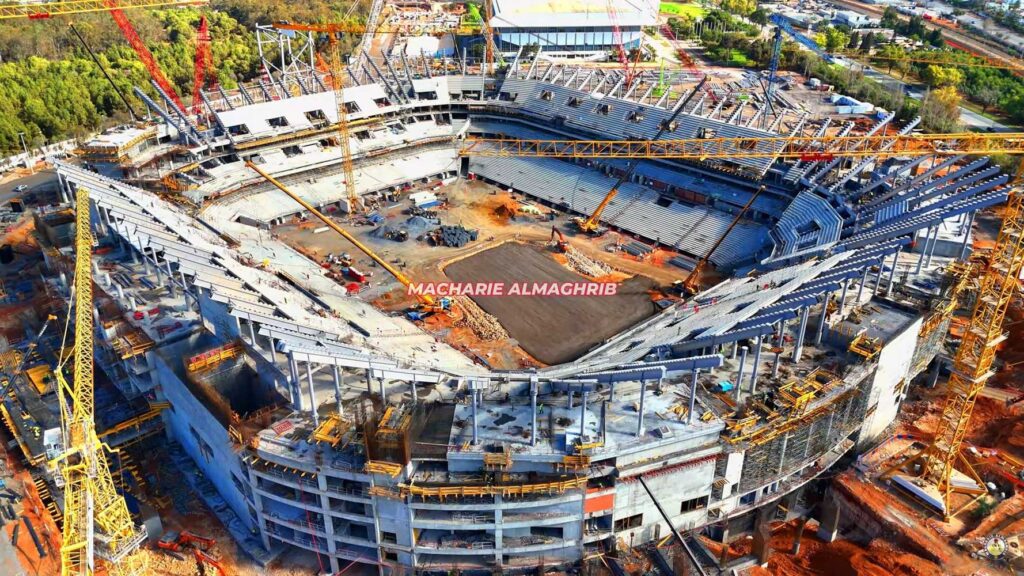
The history of Prince Moulay Abdellah Stadium is deeply intertwined with Morocco’s sporting heritage. Originally constructed in the late 20th century, it served as a cherished venue for national football matches, local competitions, and community events. Over decades, it became a symbol of athletic aspiration, hosting African Cup of Nations qualifiers and international friendlies that shaped Morocco’s sporting identity.
However, by the early 21st century, the aging stadium no longer met modern standards. The need for revitalization became urgent following Morocco’s historic performance in the 2022 FIFA World Cup, where the national team became the first African nation to reach the semi-finals. This achievement accelerated plans for reconstruction, positioning the stadium as a beacon of national excellence and global ambition.
Architectural Renaissance: A $75 Million Transformation
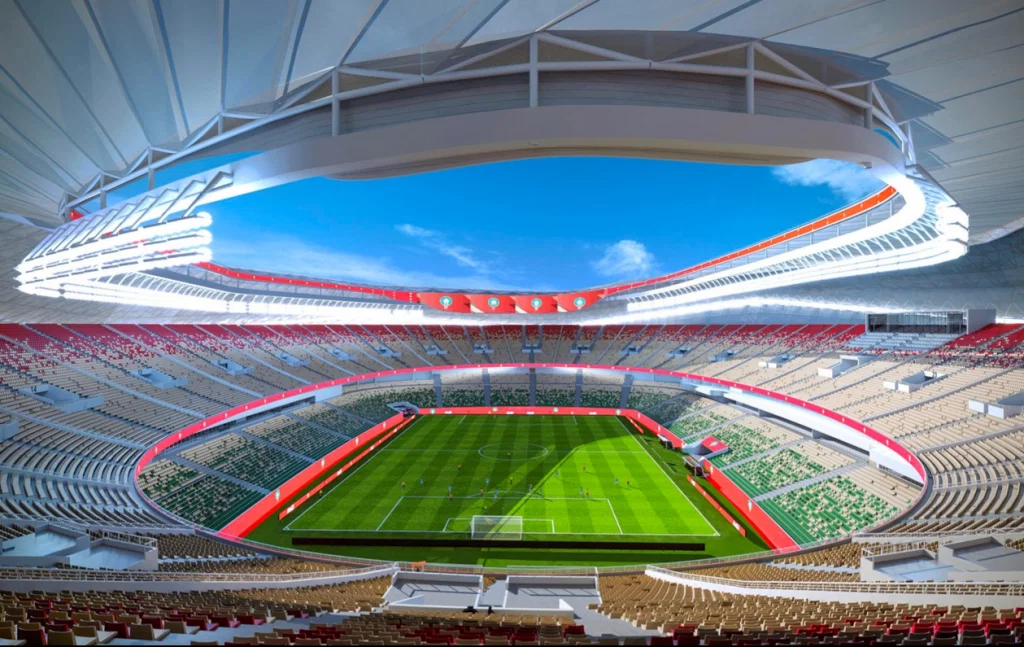
The reconstruction of Prince Moulay Abdellah Stadium represents an investment of $75 million, underscoring Morocco’s commitment to world-class sporting infrastructure. Renowned design firms collaborated to create a venue that blends Moroccan architectural traditions with modern innovation. Sustainable materials sourced locally and internationally were used to reduce environmental impact while ensuring durability and energy efficiency.
The result is not just a functional sports venue but an architectural masterpiece that pays homage to Morocco’s cultural heritage. From its intricate design elements to its eco-conscious construction, every detail reflects national pride and forward-thinking ambition.
Technological Marvel and Fan Experience
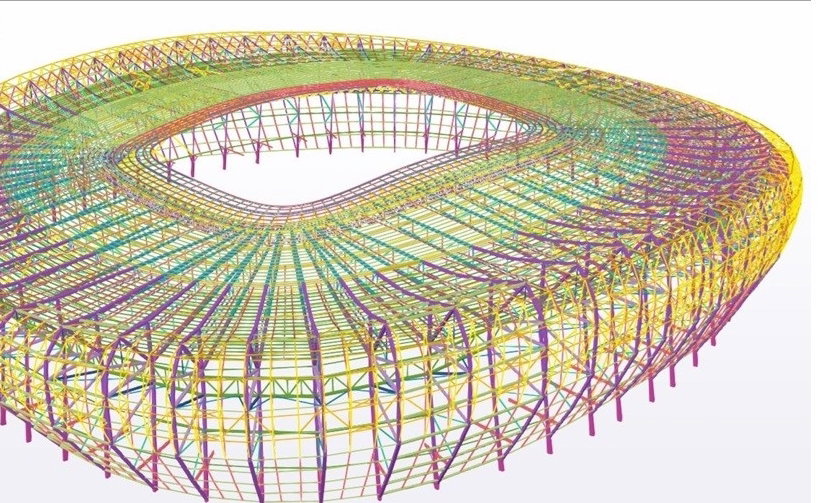
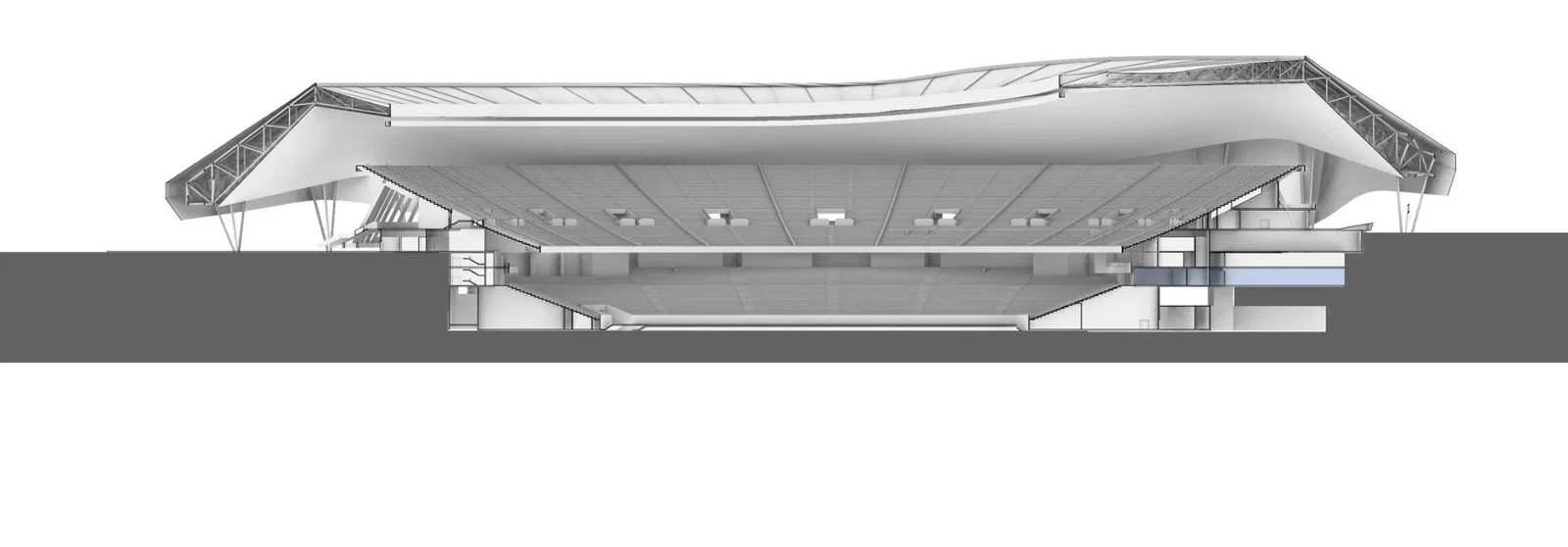
Spanning over 40,000 square meters, the renovated stadium incorporates advanced technologies to enhance both player performance and fan experience. Key features include:
- High-definition LED screens for immersive visuals.
- Advanced acoustic systems for an electrifying atmosphere.
- Smart crowd management technologies to ensure safety and convenience.
The pitch itself has been meticulously designed to meet FIFA standards, featuring advanced drainage systems and grass technologies that guarantee optimal playing conditions year-round.
Economic and Cultural Significance
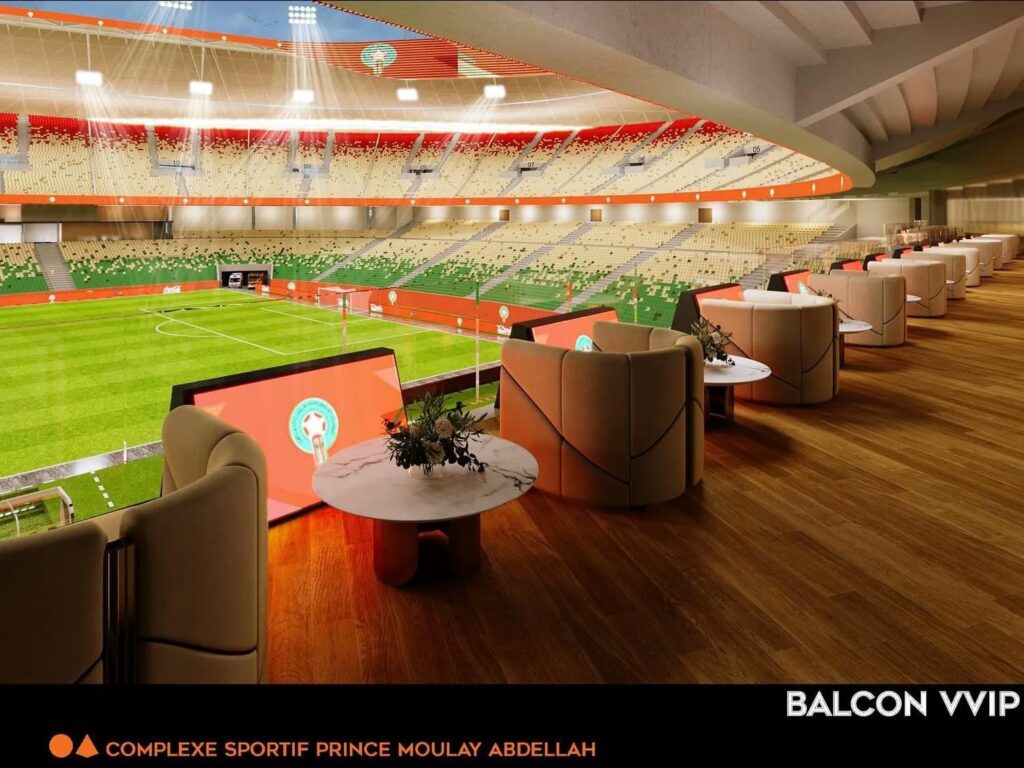
Prince Moulay Abdellah Stadium is more than just a sports venue, it’s an economic powerhouse for Rabat. The stadium is projected to generate millions annually through:
- Match-day revenue from ticket sales and concessions.
- Increased tourism from international events.
- Hosting concerts, corporate events, and community gatherings year-round.
Besides that, its eco-friendly innovations, such as solar energy systems and water recycling mechanisms, set new benchmarks for sustainable infrastructure in North Africa. By prioritizing environmental considerations, the stadium not only reduces its carbon footprint but also serves as a model for future developments in the region.
Geographical and Accessibility Triumph
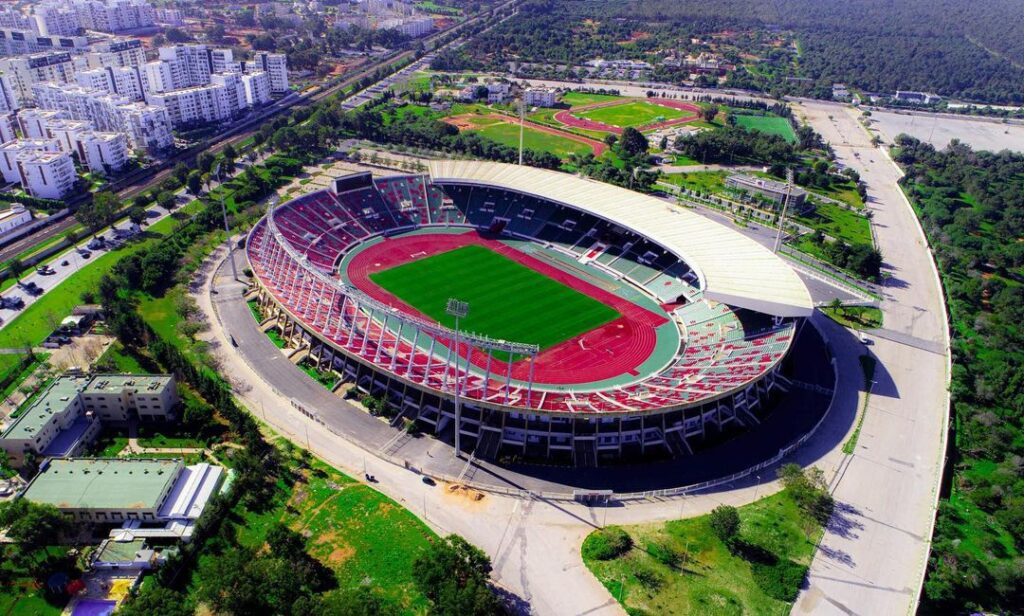
Strategically located in Rabat, Morocco’s capital city, the stadium offers exceptional accessibility through multiple transportation options:
- Dedicated bus lanes and metro connections ensure smooth transit for fans.
- Ample parking facilities minimize congestion during events.
- Thoughtful urban planning around the venue enhances visitor convenience while reducing traffic impact on surrounding neighborhoods.
This seamless integration into Rabat’s urban landscape ensures that visitors can enjoy world-class events without logistical challenges.
Looking Forward: A Legacy in the Making
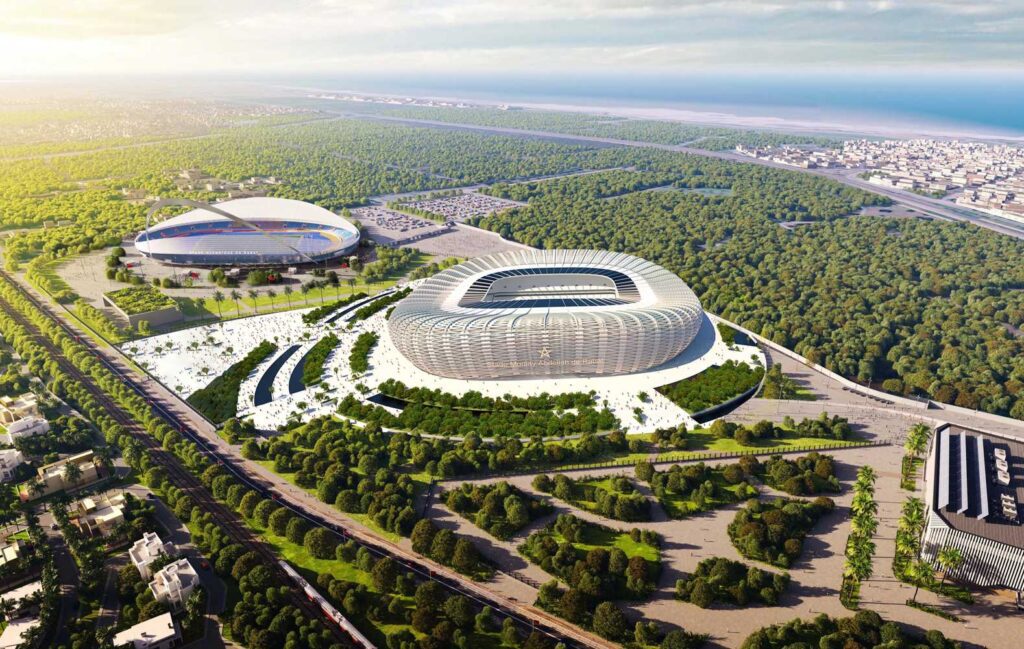
Prince Moulay Abdellah Stadium is more than just a building, it’s a living testament to Morocco’s aspirations on the global stage. As one of Africa’s most advanced sports venues, it reflects a perfect fusion of tradition and innovation. Its stunning architecture tells a story of transformation, a story of national pride reaching new heights.
As Morocco continues to emerge as a global sporting destination, this stadium will stand as both a beacon of hope and an enduring symbol of what can be achieved through vision and determination. Whether hosting international matches or community events, it promises to inspire generations while solidifying Morocco’s place on the world map of sports.
TFC Stadium Verdict
The Prince Moulay Abdellah Stadium is more than just a sports venue, it’s a symbol of Morocco’s resilience, ambition, and cultural pride. Its transformation from an aging landmark to a state-of-the-art facility reflects the nation’s commitment to excellence on the global stage. With its innovative design, sustainable practices, and ability to host world-class events, the stadium stands as a testament to Morocco’s sporting legacy and architectural brilliance. As it prepares to open in early 2025, it promises to inspire generations, drive economic growth, and solidify Morocco’s position as a global sporting destination.
FAQs
1. What is the significance of Prince Moulay Abdellah Stadium?
The stadium symbolizes Morocco’s sporting legacy, cultural pride, and global ambition. Its transformation reflects the country’s commitment to modernizing infrastructure while honoring its heritage.
2. What are the key features of the renovated stadium?
The stadium spans 40,000 square meters and includes high-definition LED screens, advanced acoustic systems, FIFA-standard pitches, solar energy systems, and water recycling technologies.
3. How much did the reconstruction cost?
The reconstruction project required an investment of approximately $75 million, showcasing Morocco’s dedication to creating world-class sporting infrastructure.
4. How does the stadium contribute to sustainability?
The stadium incorporates solar energy systems, eco-friendly materials, and water recycling mechanisms to reduce its carbon footprint and set a benchmark for sustainable infrastructure in North Africa.
5. What economic impact will the stadium have on Rabat?
The stadium is expected to generate millions annually through match-day revenue, tourism, concerts, corporate events, and community gatherings, boosting Rabat’s local economy.
About the Author