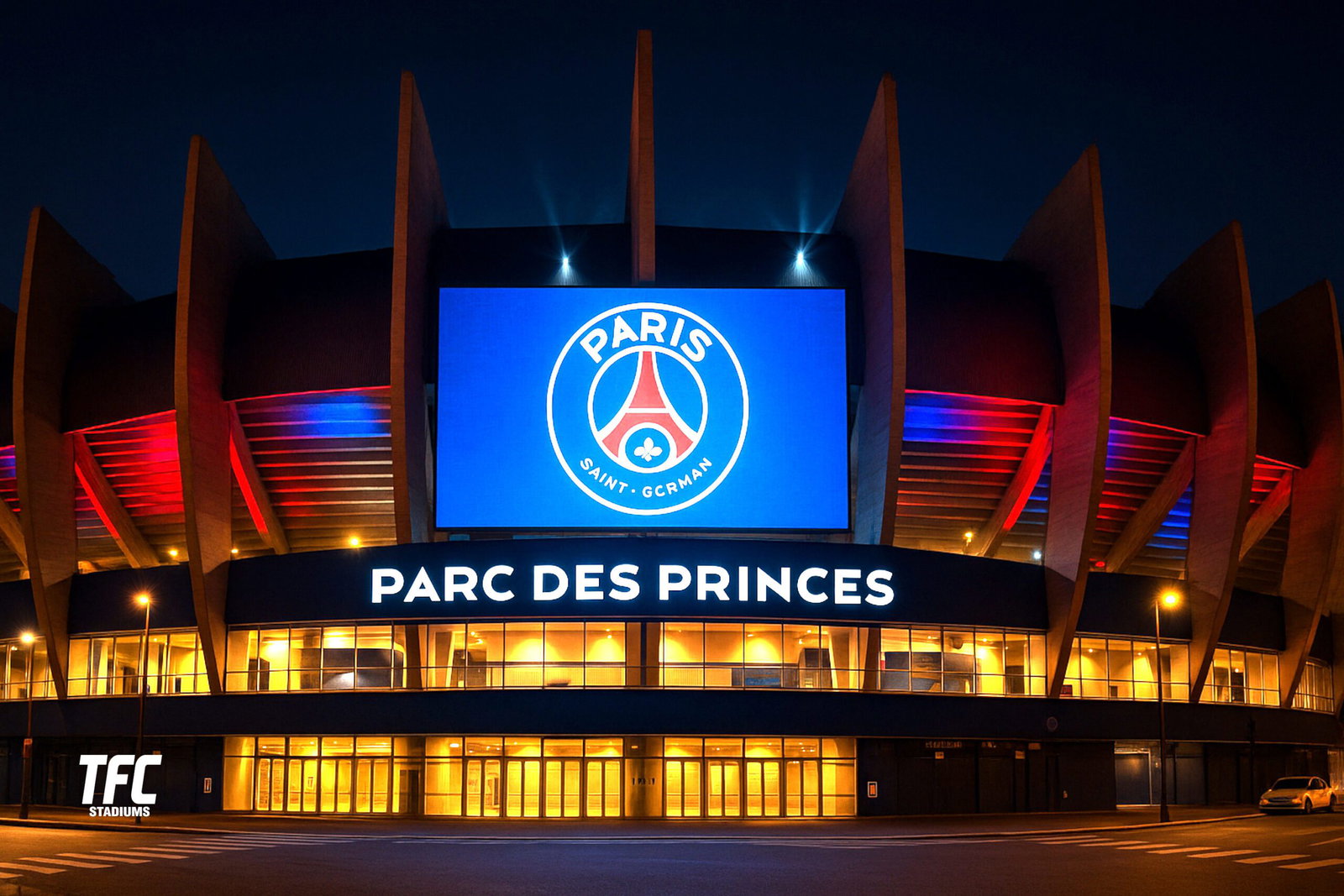
Paris Saint-Germain and the Parc des Princes are inseparable in the minds of football supporters. The stadium has not only witnessed the rise of one of Europe’s most recognised clubs but has also shaped the culture and identity of PSG since the early 1970s. While other French clubs have shifted homes or rebuilt grounds, PSG’s relationship with Parc des Princes remains a cornerstone of its history.
The Move to Parc des Princes
PSG was founded in 1970 and needed a stage befitting a team with ambitions to dominate French football. By 1974, the club made Parc des Princes their official home. The decision was more than convenience. Situated in the 16th arrondissement of Paris, the ground gave the club a central and iconic presence in the capital.
Parc des Princes had opened in its current form in 1972, designed by architect Roger Taillibert. Its sweeping concrete structure and intimate bowl were considered modern and distinctive at the time. PSG quickly stamped their mark on the venue, creating a permanent association that has lasted over half a century.
Building a Fortress
In the decades that followed, Parc des Princes became a fortress for PSG. French league titles in the 1980s and 1990s, dramatic European nights, and domestic cup finals turned the ground into a place of consistent success. Supporters grew fiercely attached to its stands, particularly the Virage Auteuil and Virage Boulogne, which developed reputations for their passionate ultras.
The atmosphere created in those ends gave the stadium a reputation across Europe. Visiting teams often commented on the intensity and the way the crowd felt close to the pitch. This intimacy is one of Parc des Princes’ defining features, setting it apart from many larger, more distant arenas.
Renovations and Modernisation
While the core design of Parc des Princes has remained intact, the ground has gone through stages of modernisation. The most significant came ahead of Euro 2016, when seats, facilities, and hospitality areas were updated to match UEFA standards. These changes ensured the stadium could host major international matches while keeping its identity as PSG’s home.
Unlike many European clubs that opted for brand-new stadiums, PSG retained their historic base. This decision reinforced the bond between club and venue, maintaining continuity while adjusting to modern expectations of comfort and commercial potential.
Symbol of PSG’s Identity
For PSG supporters, Parc des Princes is more than a venue. It is a symbol of their journey from a relatively young club to a European powerhouse. The sight of the stadium’s floodlights and the sound of chants echoing through its stands have become part of the club’s DNA.
Even as PSG has grown into a global brand, drawing superstars from across the world, the club has not outgrown Parc des Princes. The ground anchors PSG to its roots in Paris, balancing modern ambition with local identity.
Looking Ahead
The future of PSG at Parc des Princes is often discussed, particularly with the club’s aspirations to compete financially with Europe’s richest teams. Larger stadiums can generate more revenue, but leaving Parc des Princes would mean severing a link to the past that many fans hold dear. The ongoing challenge is to modernise and expand the venue while keeping the atmosphere and traditions intact.
TFC Takeaway
Paris Saint-Germain made Parc des Princes their home not simply by playing there but by embedding the ground into the fabric of their story. It has carried the team from its earliest days to global recognition, hosting triumphs, controversies, and unforgettable moments. As long as PSG continues to call it home, Parc des Princes will remain one of football’s most iconic stadiums.
About the Author