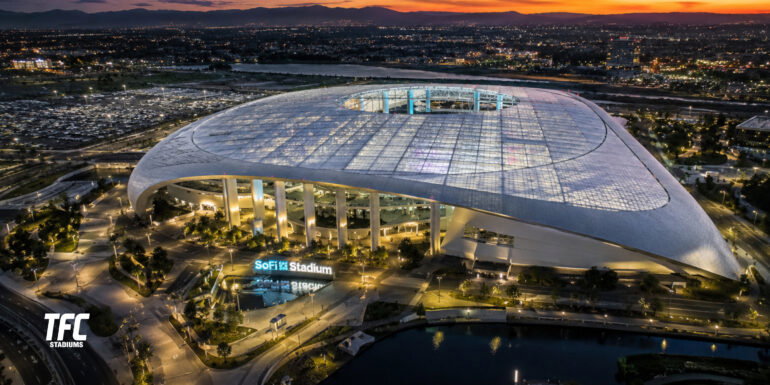
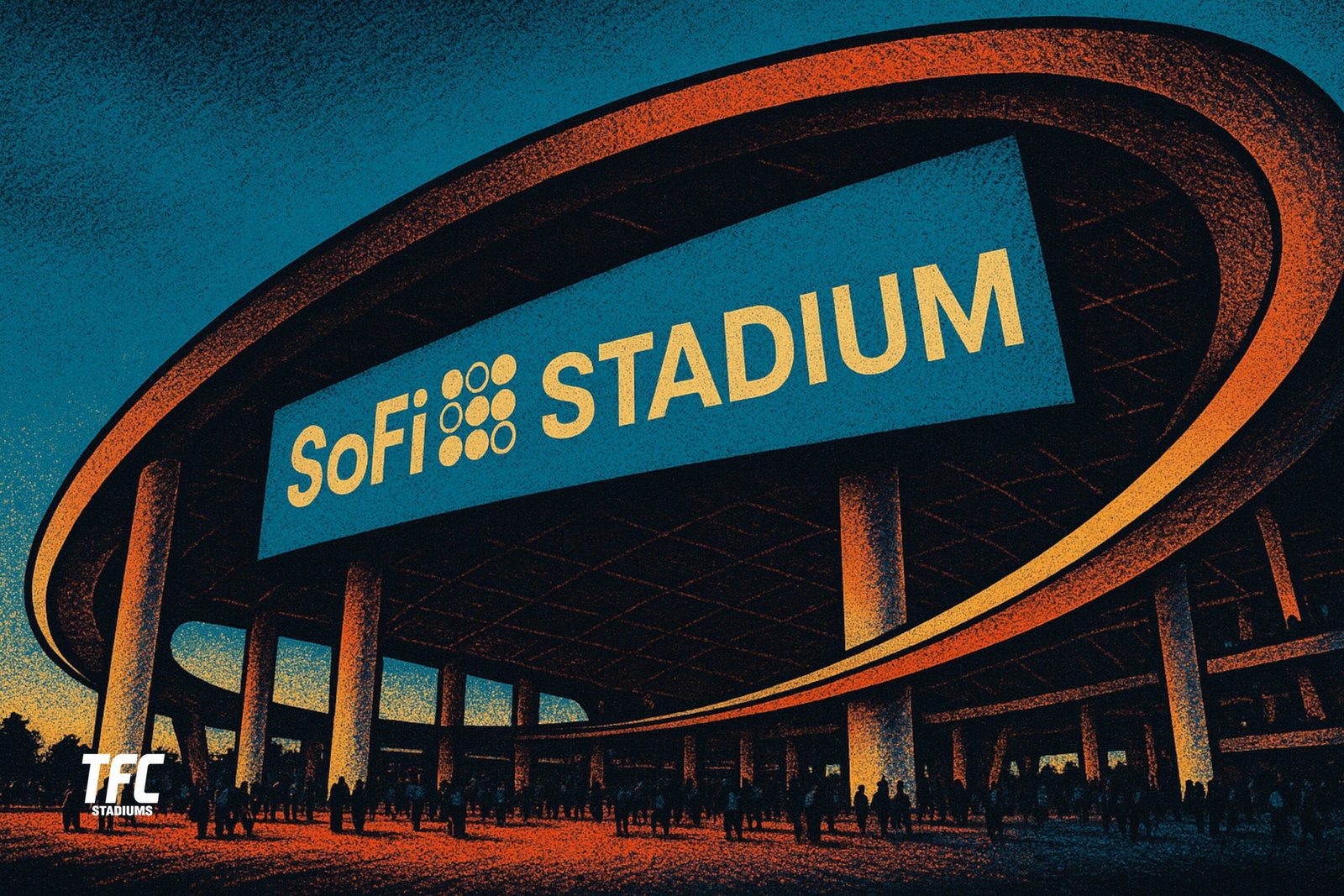
When SoFi Stadium opened in Inglewood in 2020, it wasn’t just the NFL’s newest superstructure. It was a symbol of modern Los Angeles, glamorous, tech-savvy, and expensive enough to make your accountant sweat. But before a single Rams or Chargers snap, one deal shaped its legacy more than any other: the naming rights agreement that turned the building into “SoFi Stadium.”
The Money Behind the Name
The deal reportedly cost SoFi around $625 million over 20 years, though the finer details remain as murky as a Belichick press conference. What we do know is this: it’s one of the richest naming-rights agreements in sports history. For a financial tech company barely a decade old at the time, slapping its name on the NFL’s most futuristic venue was a power move.
It wasn’t just about exposure, either. SoFi wanted legitimacy. In a city packed with entertainment giants and sports dynasties, the name “SoFi” instantly went from niche app to household conversation. It’s marketing alchemy, turning a stadium name into a cultural imprint.
Why It Worked
There’s something oddly fitting about a fintech firm sponsoring a stadium that looks like a spaceship landed on a credit card. The brand syncs with the architecture, the demographics, and the digital-first fan experience. SoFi Stadium hosts Super Bowls, College Football Championships, and Taylor Swift concerts, each event amplifying the brand’s reach.
It’s also one of the rare naming rights deals that doesn’t feel forced. Say “SoFi Stadium,” and it actually sounds like a venue, not a tax filing service. Compare that with Crypto.com Arena down the freeway and you can sense why SoFi has aged better.
The Stadium’s Star Power
The venue itself does most of the heavy lifting. Built for over $5 billion by Rams owner Stan Kroenke, it’s more than just a football field. It’s a multi-use entertainment hub with a translucent roof, a dual-sided video board the size of a jetliner, and acoustics that can make a crowd roar like an earthquake.
SoFi’s branding isn’t plastered everywhere either, it’s integrated. From the sweeping exterior lighting to the app-driven ticketing system, the partnership feels intentional. It’s marketing through immersion rather than intrusion.
What It Says About Modern Sports
Naming rights used to be a corporate trophy. Now they’re a branding strategy that has to hold up under global scrutiny. SoFi’s deal wasn’t just about local prestige, it was about planting a flag in the NFL’s global growth market.
It’s also a statement on how stadium identity has changed. The old days of “Soldier Field” and “Lambeau” represented tradition. “SoFi Stadium” represents evolution, a stadium that’s as much about data as drama. Whether fans love or hate that shift, it’s the direction the industry is sprinting toward.
Legacy and Longevity
In a few decades, SoFi might outgrow its association with the stadium, or vice versa. But for now, the partnership feels mutually beneficial. The Rams and Chargers have a sleek, instantly recognisable home, and SoFi has permanent visibility in every highlight reel, broadcast drone shot, and Super Bowl halftime pan.
Naming rights might sound transactional, but in the case of SoFi, it’s marketing theatre at its finest. The company didn’t just buy space, it bought identity.
About the Author