A Fortress Beneath the Sunshine
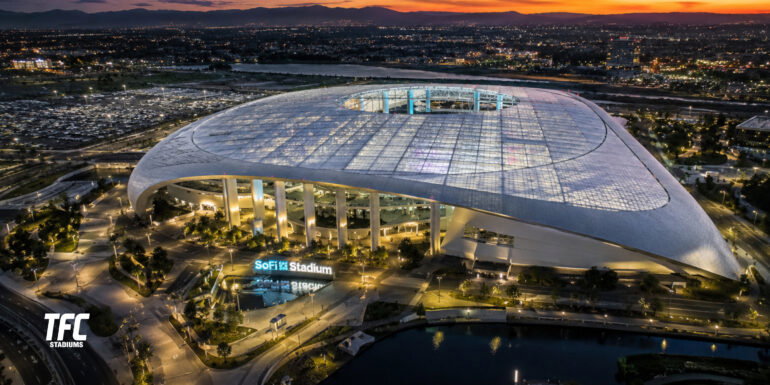
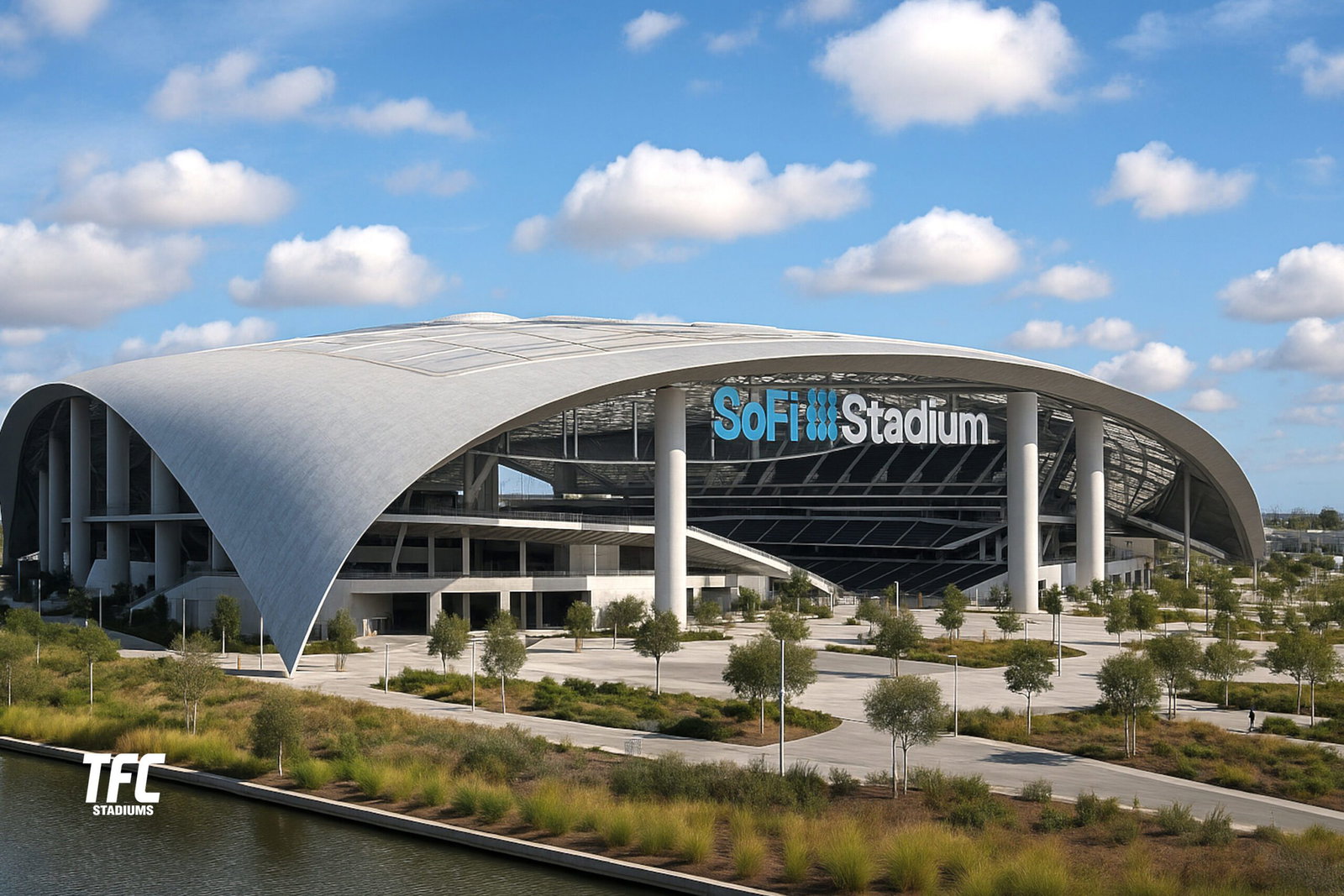
Los Angeles is where glamour meets geological chaos. Earthquakes, wildfires, and the occasional biblical rainstorm are all part of the local package. So when SoFi Stadium opened its shimmering doors in Inglewood, many people wondered if it could survive California’s moody temperament. Spoiler alert: it can. SoFi wasn’t built to just look futuristic, it was built to take a punch from Mother Nature herself and keep the lights on.
Built Below the Ground, Not Above It
Here’s something that surprises most first-timers. SoFi Stadium sits 100 feet below street level. That’s not bad design, that’s genius. Being partially submerged helps protect it from high winds and reduces the overall footprint against seismic shaking. Think of it like a heavyweight fighter crouching into a defensive stance.
- Depth advantage: By going down instead of up, the architects reduced swaying from earthquakes.
- Noise and wind control: The bowl-shaped design keeps sound in, and most weather out.
- Visibility protection: The structure avoids air traffic interference from nearby LAX, which might be the most “LA problem” imaginable.
Earthquake Engineering at Its Finest
SoFi’s skeleton is a masterclass in seismic engineering. Los Angeles sits on multiple fault lines, and Inglewood is close enough to make any structural engineer sweat. To counter this, SoFi uses base isolators, flexible joints, and a reinforced concrete foundation that moves with the earth instead of against it.
When the ground shakes, the stadium’s design allows it to wiggle just enough to absorb the motion rather than crack apart like cheap plaster. The goal isn’t to stop movement, it’s to control it.
Key earthquake defences:
- Base isolation pads that absorb tremors.
- Steel moment frames that flex under pressure.
- Tiered foundation layers that dissipate energy.
In short, SoFi can dance during a quake without losing its rhythm.
Weathering the Storm
Even in sunny LA, you can’t rule out the occasional tropical tantrum. During heavy rainfall, SoFi’s massive drainage and pumping system keeps the field dry and playable. Remember, this thing sits 100 feet below ground level, so proper water management isn’t a luxury, it’s survival.
- 20 million gallons of stormwater can be captured and reused.
- The roof’s translucent ETFE panels help regulate temperature and deflect heat.
- Lightning? No problem. The canopy is fully grounded, and the open sides reduce strike risk.
SoFi doesn’t just handle bad weather, it recycles it.
Fire Resistance in a Fiery State
Wildfires are another California headache. While SoFi isn’t surrounded by forest, embers can travel miles. Its materials are chosen with that in mind. The roof and façade use non-combustible aluminium and ETFE, while the landscaping around the stadium includes low-flammable vegetation and firebreak spacing.
The venue’s emergency systems are built for speed, with redundant power, sprinklers, and escape routes that meet some of the toughest safety codes in the country.
A Design Philosophy That Thinks Ahead
SoFi isn’t just disaster-resistant, it’s disaster-smart. The stadium’s architects, HKS, planned for future climate shifts and local risk patterns. By combining digital modelling with old-school engineering grit, they created a structure that can handle whatever California dreams up next.
Future-proof elements include:
- Structural flexibility for stronger quake codes.
- Heat-reflective surfaces for hotter summers.
- Rainwater harvesting for drought relief efforts.
It’s sustainability with a helmet on.
TFC Takeaway
SoFi is a testament to modern engineering in a city that’s always one tremor away from headlines. For all its glitz and luxury suites, the real beauty lies in how well it’s prepared for the worst.
So while you’re sipping a $17 beer and watching a 70-yard bomb under that shimmering roof, remember: the ground might be moving, but SoFi’s not going anywhere.
About the Author