Mestalla Stadium in Valencia is one of the most atmospheric venues in European football. Known for its steep stands and glowing orange palette, it has also endured decades of unpredictable Mediterranean weather. The climate can be beautiful and brutal in equal measure, turning a matchday into either a sun-drenched festival or a storm-lashed spectacle.
The Scorching Summers
Summer football in Valencia can feel like a furnace. Temperatures frequently climb above 35°C, and the bowl-like structure of Mestalla traps the heat. Fans bake in the upper tiers while players endure the shimmering pitch below, their shirts clinging within minutes. Hydration breaks and slower tempos are a necessity, not a luxury.
Even so, the heat adds to the theatre. The fading evening sun glows across the terraces, and the roar of the crowd seems to rise with the temperature. Matches that kick off at sunset often see the stadium at its most beautiful, when the orange tones of the seating and skyline merge into one.
Winter Chill and Sudden Storms
Though mild compared to northern Europe, Valencia’s winters still test both player and spectator. Cold inland winds sweep through the open ends of Mestalla, and the occasional storm can transform the pitch in moments. A sudden downpour, rare but fierce, turns the surface slick and quick, inviting daring passes and unpredictable deflections.
Some of Valencia CF’s most memorable matches have played out under such conditions, when thunder echoed through the city and the floodlights turned rain into silver streaks. For the supporters who stood through those nights, the weather became part of the story itself.
Impact on Matches and Fans
Weather has always been an active force at Mestalla. In the searing heat, games can slow to a tactical crawl. In rain, they burst into frantic energy. Supporters adapt as instinctively as the players, arriving armed with hats, water, ponchos, and an unshakable sense of humour. The open concrete structure allows every gust, drop, and glare to make itself known.
The unpredictability has even influenced the team’s playing style at times, with Valencia sides often blending technical finesse with physical resilience, aware that the local elements demand both.
The Nou Mestalla and Climate Innovation
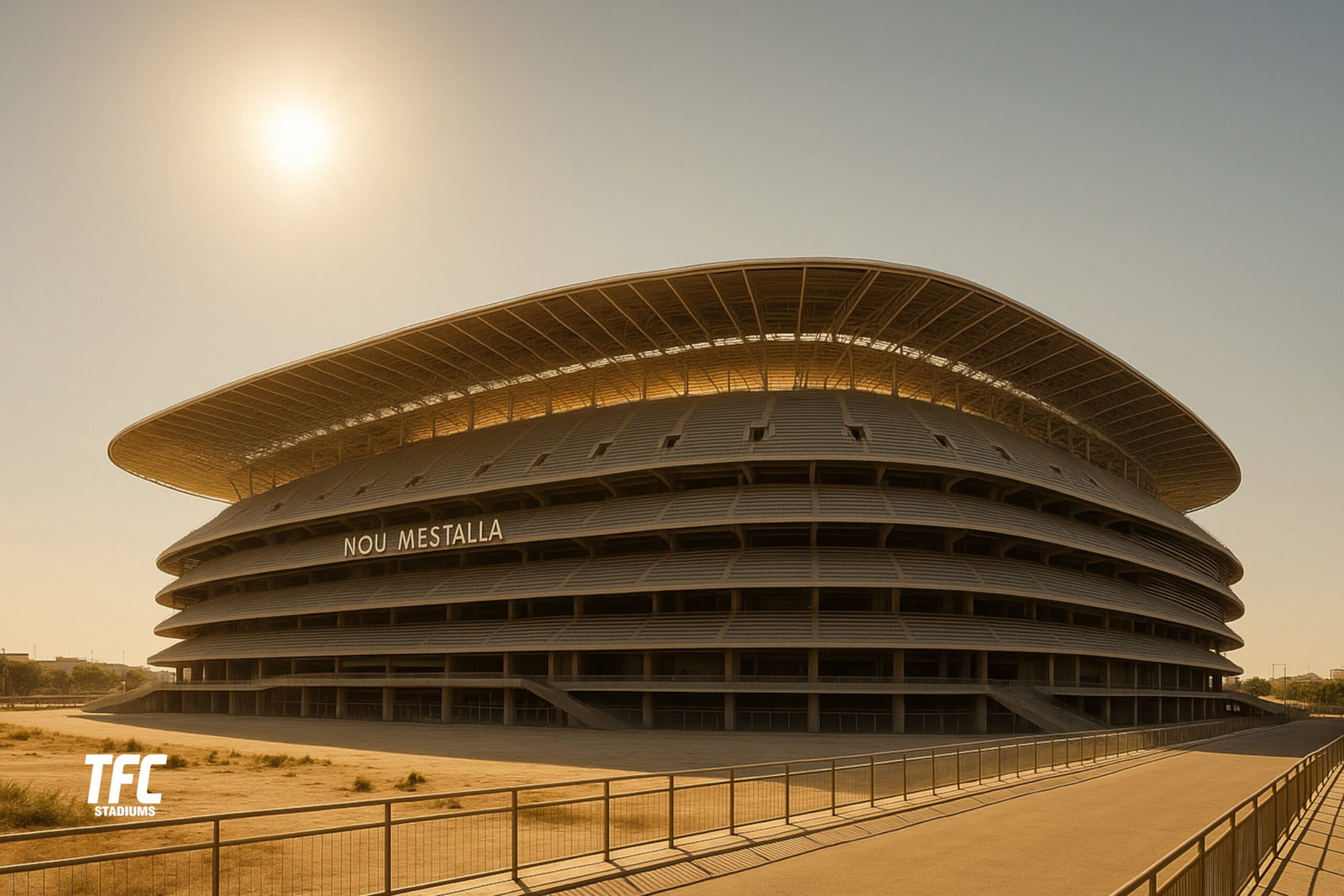
The long-awaited Nou Mestalla, set to replace the old ground, promises to master the very extremes that defined its predecessor. The design includes an extensive roof canopy to provide shade from the summer sun while allowing natural airflow to circulate through the bowl.
Modern materials and ventilation systems are being integrated to manage Valencia’s dry heat more effectively, ensuring that both players and supporters experience cooler conditions. The roof’s structure is also engineered to protect the majority of seats from rain without fully enclosing the stadium, preserving the open-air atmosphere that fans cherish.
Sustainability plays a role too. Plans include solar panels, rainwater collection systems, and smart energy management to reduce the environmental footprint. In short, where Mestalla endures the elements, Nou Mestalla will harness them.
A Stadium That Breathes With the City
Whether under searing sunlight or torrential rain, Mestalla’s connection to Valencia’s climate is part of its charm. The weather has shaped its legends, its aesthetics, and even its soul. As the city looks toward the Nou Mestalla, that relationship is set to evolve rather than end.
The new ground may be more comfortable, but the spirit of the old Mestalla will remain, carried in the sound of the crowd rising above the storm and the glow of the Valencian sky
About the Author