Mexico does stadiums the way Mexico does football. Loud, emotional, slightly chaotic, and allergic to half measures. These are not polite concrete bowls designed to keep the noise down and the corporate partners happy. These places are built to rattle ribs, punish visiting legs, and turn a simple league match into a three-hour endurance test.
Below is a grounded look at the best stadiums in Mexico. Not just the famous ones, but the ones that actually deliver week after week. Capacity matters. Atmosphere matters more. And yes, design counts, even if the beer line does not move fast enough.
Written with a clear eye, a little humour, and the mild cynicism of someone who has sat through too many soulless modern venues.
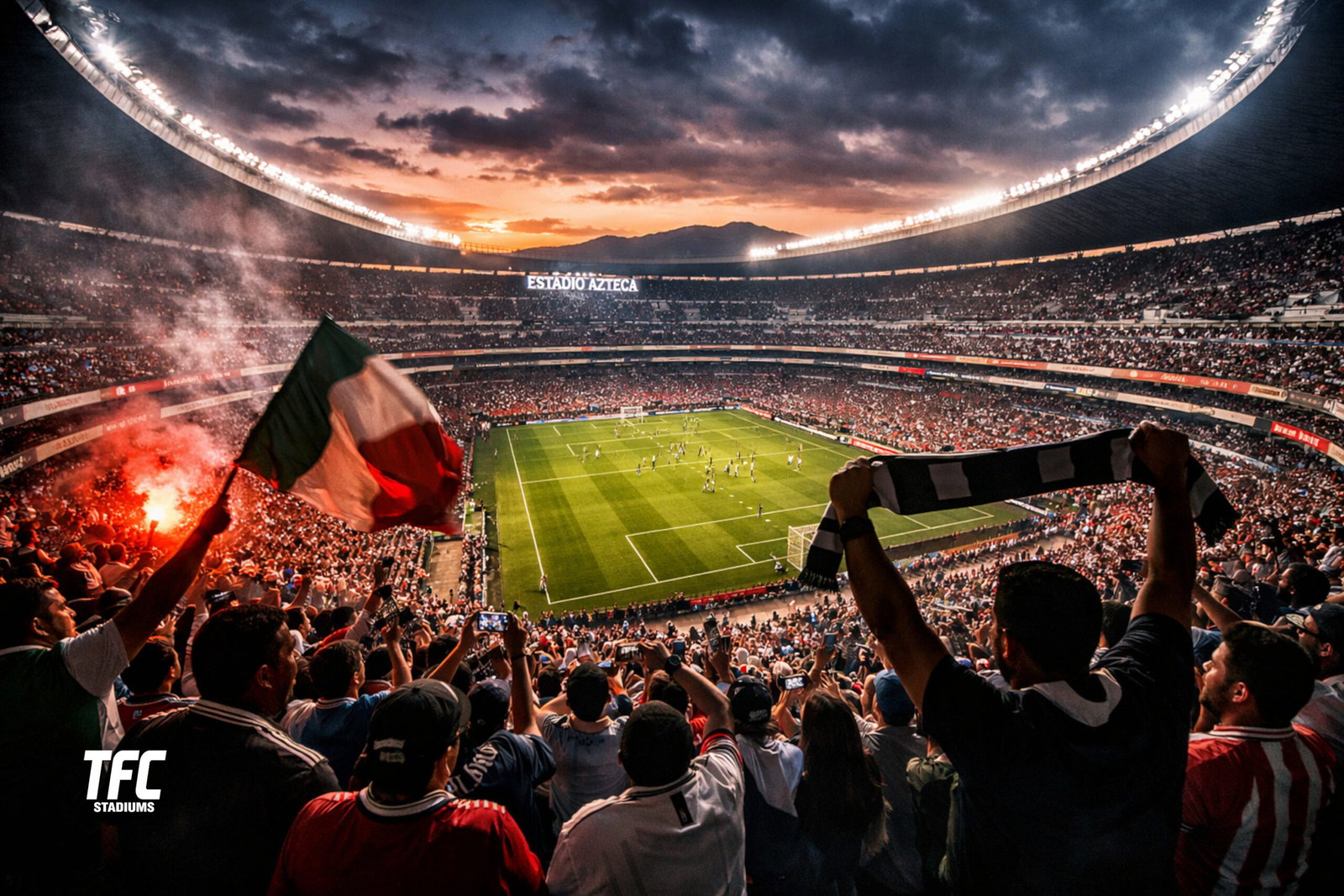
Estadio Azteca, Mexico City
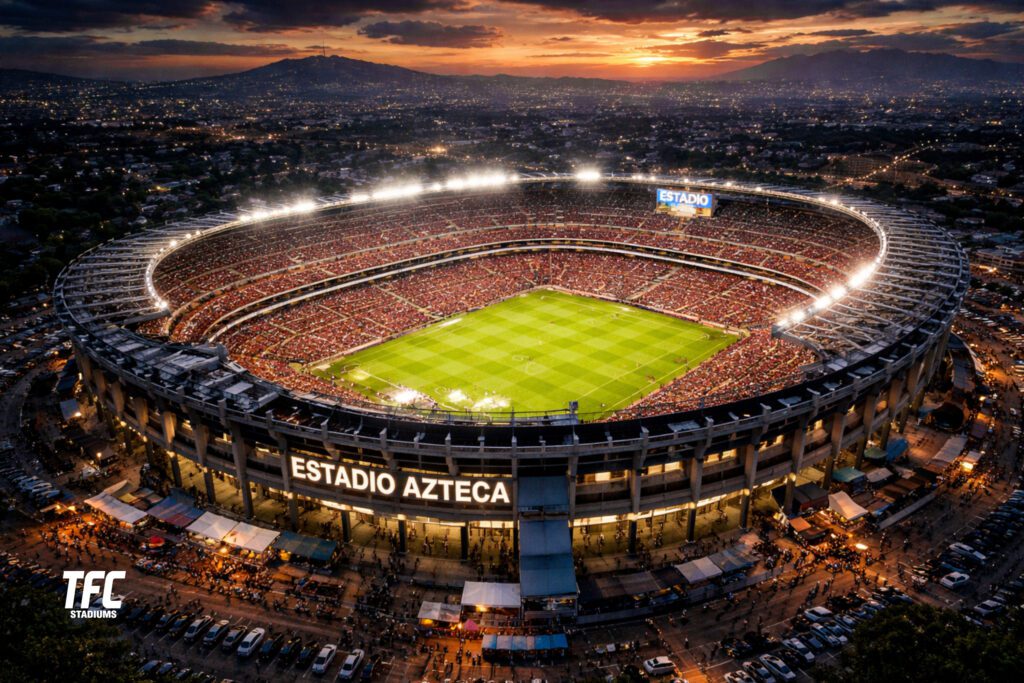
Azteca is not just Mexico’s best stadium. It is one of football’s historical heavyweights. Two World Cup finals. Generations of legends. And an altitude that quietly ruins your lungs while the crowd finishes you off.
Capacity sits just over 83,000, although it feels like more when the sound drops into the bowl and refuses to leave. The design is old school and proud of it. Steep tiers, tight sightlines, and no attempt to soften the experience for visiting teams.
Renovation plans ahead of the 2026 World Cup focus on infrastructure rather than expansion. Updated hospitality, improved media areas, modernised concourses, and structural upgrades. The bowl stays. The fear stays. That part is non-negotiable.
If you want pristine luxury, look elsewhere. If you want history that still bites, this is it.
Estadio BBVA, Monterrey
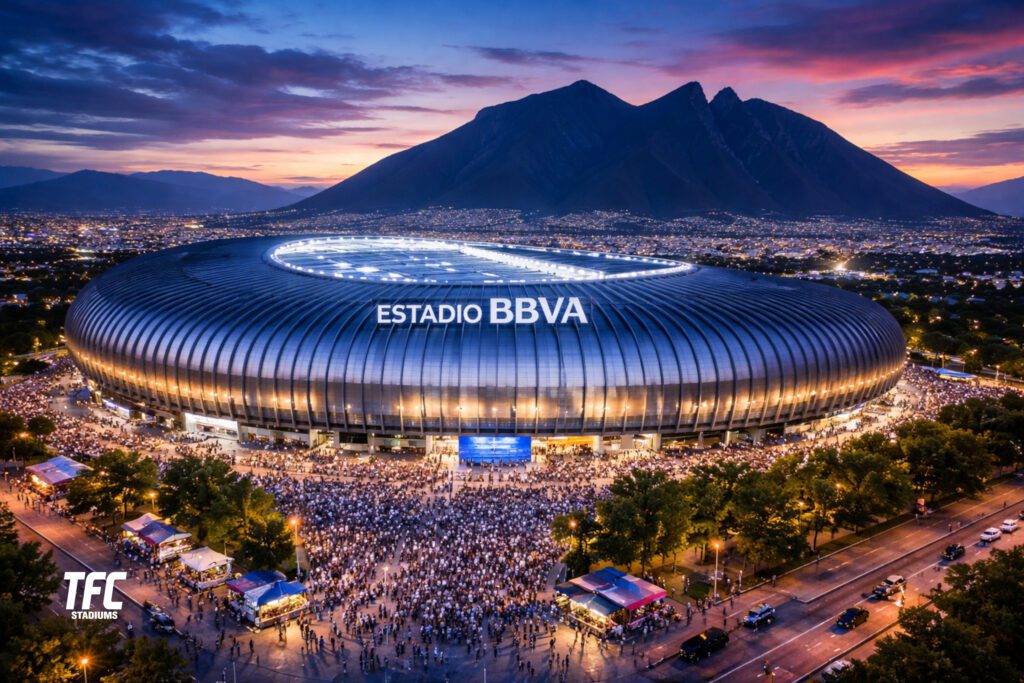
This is what happens when modern stadium design actually respects the setting. The mountain backdrop alone does half the work. The rest is clean lines, steep seating, and acoustics that bounce noise back onto the pitch.
Capacity sits around 53,500, and almost every seat feels close. Sightlines are excellent. The roof design traps sound without turning the place into a wind tunnel. Monterrey fans bring volume without needing choreography or instructions from the big screen.
Expansion is not the priority here. The club has focused on incremental upgrades, fan amenities, and technology rather than bolting on extra rows. Smart move. Bigger is not always better when the atmosphere already carries.
If Azteca is raw power, BBVA is controlled aggression with a good architect.
Estadio Akron, Guadalajara
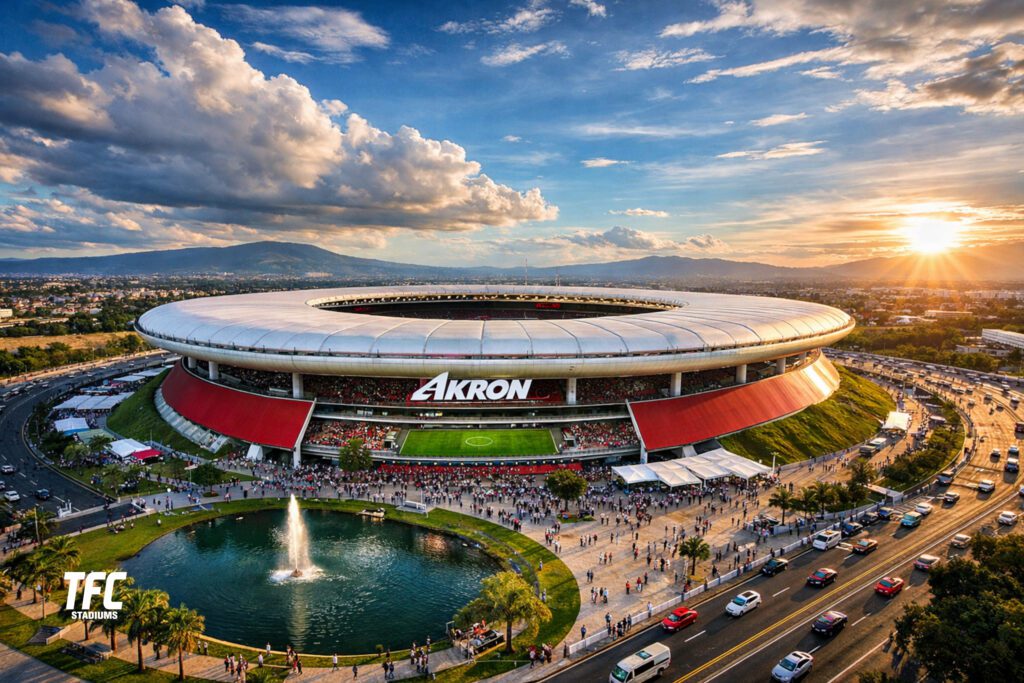
Akron is often described as futuristic, but it is more accurate to call it deliberate. The roof flows, the bowl is compact, and the crowd sits close enough to make players uncomfortable in the right moments.
Capacity is just under 49,900. What it lacks in sheer size, it makes up for in intensity during big Chivas matches. The design helps. Noise does not leak out. It circles.
There have been occasional discussions about partial enclosure upgrades and fan-zone expansion rather than full capacity growth. Guadalajara does not need a monster stadium. It needs one that stays hostile when it matters.
This is a modern ground with a traditional attitude. Always a good sign.
Estadio Olímpico Universitario, Mexico City
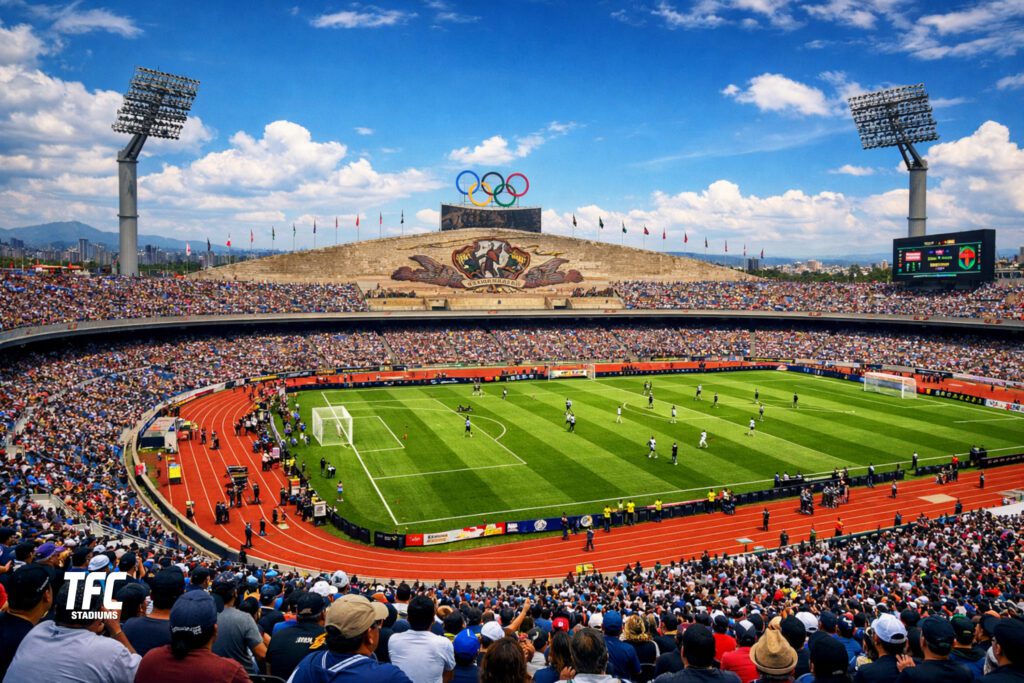
This stadium does not shout for attention. It earns it.
Built into volcanic rock and wrapped in mural art, Olímpico Universitario feels permanent in a way modern stadiums rarely manage. Capacity is around 72,000, and when Pumas are rolling, the place hums rather than screams. It is pressure, not panic.
There are no serious expansion plans on the table. Preservation matters here. Upgrades tend to focus on safety, access, and maintenance rather than visual reinvention.
It is not flashy. It is not trendy. It is deeply Mexican, and that counts.
Estadio Cuauhtémoc, Puebla
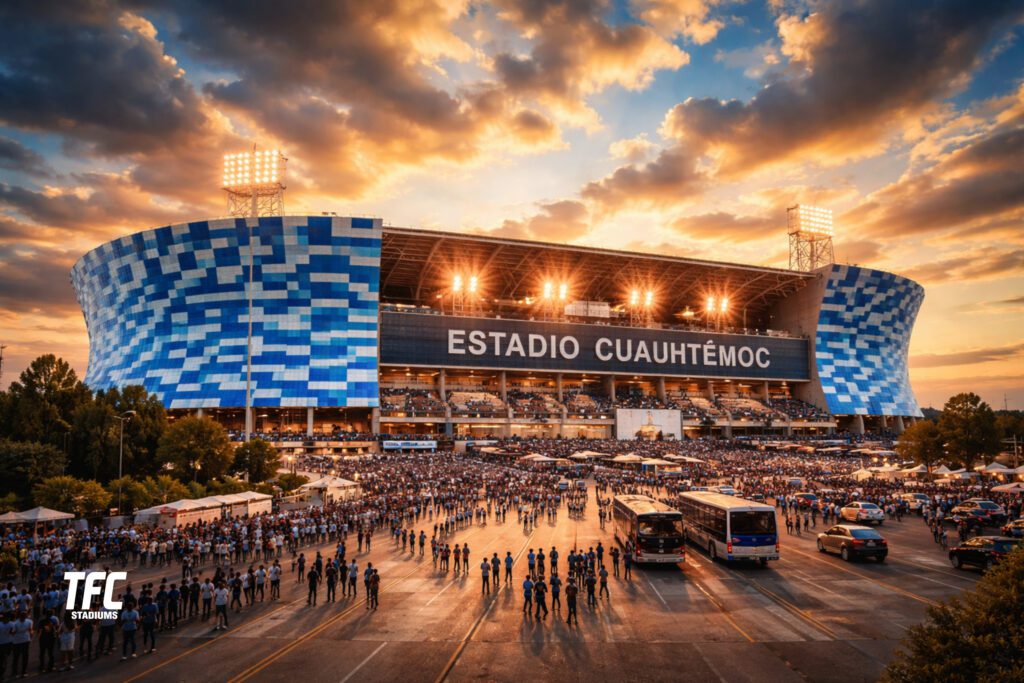
Cuauhtémoc is proof that smart renovation can change everything. Once dated and forgettable, it now stands out thanks to its modernised facade and improved seating layout.
Capacity sits at around 51,700. The atmosphere can swing wildly depending on form, but on a good night it punches above its weight. The renovation focused on comfort, accessibility, and visual identity rather than chasing record attendance numbers.
No major expansion plans are expected. The stadium finally knows what it is, and it plays the role well.
Comparisons That Actually Matter
Azteca remains untouchable for history, scale, and psychological damage inflicted on visitors. BBVA leads on modern design and consistency. Akron balances innovation with intensity. Olímpico Universitario offers cultural depth that no rebuild could replicate. Cuauhtémoc shows how a thoughtful update can rescue a stadium’s reputation.
If this were a draft, Azteca goes first overall. BBVA is the franchise cornerstone. Akron is the high-upside pick. Olímpico Universitario is the veteran you never trade. Cuauhtémoc is the comeback story everyone quietly respects.
TFC Thoughts From the Stands
Mexican stadiums are not trying to be neutral venues. They are home fields in the purest sense. Some intimidate with size. Others with sound. A few with history alone.
And that is the point. Football here is not packaged. It is performed live, loudly, and with very little concern for your comfort if you are wearing the wrong colours.
Which, frankly, is how it should be.
About the Author