Football stadiums can be theatres of ritual, identity, and defiance. From songs passed through generations to pre-match routines that define local pride, each ground carries a cultural weight shaped by its supporters. Some traditions are globally recognised, while others remain cherished secrets for the locals. Here is a look at some of the most distinctive fan customs tied to individual stadiums.
Anfield (Liverpool FC) – “You’ll Never Walk Alone”
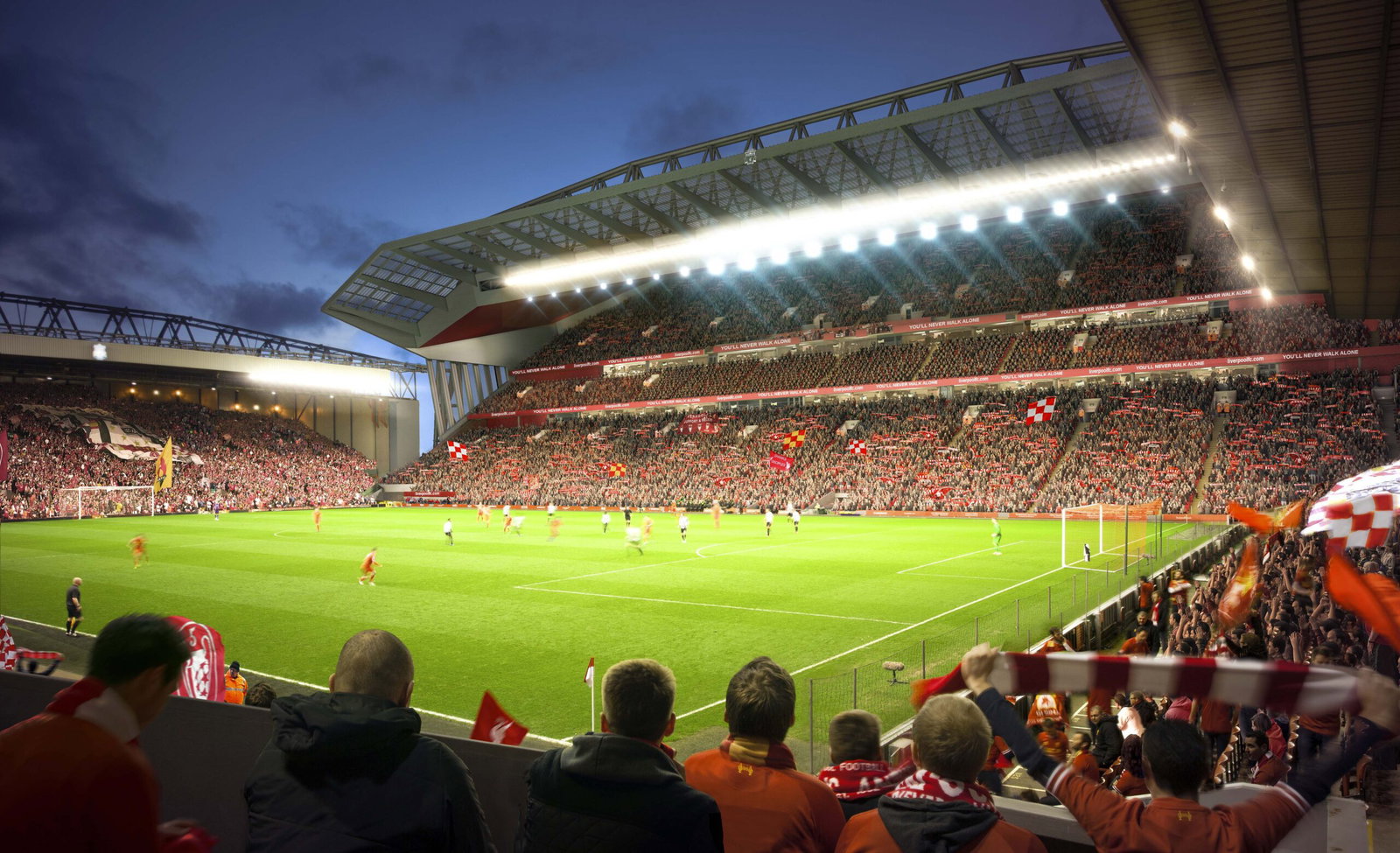
Arguably the most iconic stadium chant in world football, Liverpool supporters singing “You’ll Never Walk Alone” at Anfield is not just a tradition but a declaration. First adopted in the early 1960s, the song is belted out in full voice before every home match, scarves held aloft. What makes it especially powerful is its unbroken connection to community solidarity, especially after tragedies such as Hillsborough. The crowd’s rendition can unsettle opponents and emotionally anchor the home side.
La Bombonera (Boca Juniors) – The Quakes and the Rain of Paper
La Bombonera in Buenos Aires is known for its vertical stands and the way they amplify the crowd’s energy. During major matches, the stadium literally shakes from the stamping and jumping of fans. Supporters also have a tradition of showering the pitch with shredded paper during team entrances. These visual and physical effects create a suffocating atmosphere that is almost theatrical in its intensity, reinforcing Boca’s mythos of being unplayable at home.
Signal Iduna Park (Borussia Dortmund) – The Yellow Wall
The Südtribüne, known as the Yellow Wall, is the largest standing terrace in European football and the emotional centre of Borussia Dortmund. Over 25,000 fans occupy it during matches, often choreographing massive tifo displays or holding unified chants that ripple across the stadium. What stands out is the coordination and discipline of the supporters. Their presence is not passive but strategic, creating psychological pressure that has turned Dortmund’s home into a fortress.
Celtic Park (Celtic FC) – The Huddle
Before kickoff, Celtic players form a tight circle for a team talk, but in the stands, something else happens. Fans echo the gesture with their own ‘huddle’, turning to face away from the pitch, arms around each other, bouncing and chanting in unison. This visual spectacle is spontaneous and rarely seen outside Glasgow. It reflects the deep connection between team and terrace, and the way Celtic supporters shape the matchday mood.
San Mamés (Athletic Club) – Basque Honour Guard
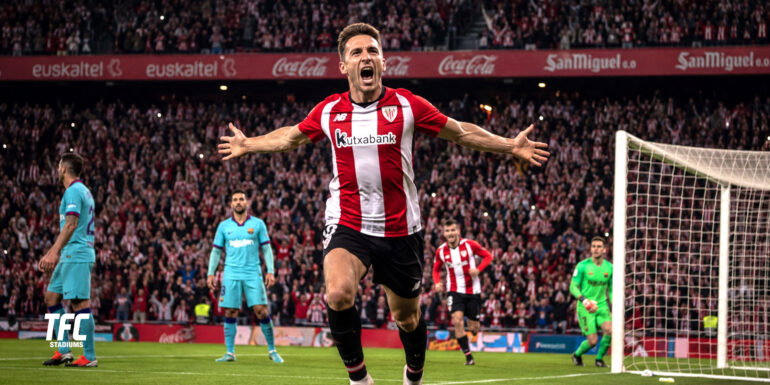
At San Mamés, known as “the Cathedral”, Athletic Club fans pay tribute to the club’s local-only policy with a uniquely respectful atmosphere. One longstanding tradition is the standing ovation given to any Basque player substituted off, whether home or away. There is a shared cultural identity that transcends club rivalry, rooted in language, geography, and a collective footballing ethos.
Turk Telekom Arena (Galatasaray) – Welcome to Hell
The phrase “Welcome to Hell” originated in the 1990s but still defines the Galatasaray fan experience. At the Turk Telekom Arena, home fans unleash flares, unrelenting chants, and visual intimidation. There is a specific tradition of building noise before European fixtures, beginning with the team bus arrival and peaking as the players walk out. The cauldron-like pressure is not just for drama, but deliberately constructed to break the confidence of visiting teams.
De Kuip (Feyenoord) – Hand in Hand Kameraden
Rotterdam’s De Kuip is steeped in working-class loyalty, and this is reflected in its anthem: “Hand in Hand Kameraden”. It is sung with pride before every match and often continues throughout, regardless of the scoreline. Feyenoord fans are known for their defiant loyalty and the song’s lyrics speak to fraternity and resistance. Unlike more globalised chants, this one remains largely unknown outside the Netherlands, reinforcing its local character.
Maracanã (Brazil National Team & Clubs) – Samba Drumming Sections
At the Maracanã, football fuses with carnival. Fans form percussion sections that play samba rhythms throughout matches, turning the game into a rolling celebration. While samba bands exist in other parts of Brazil, the Maracanã’s tradition is the most continuous and structured, often featuring organised drumming groups in designated areas. The effect is hypnotic and lends Brazilian matches a rhythm that is as much musical as tactical.
Stadio San Paolo (Diego Armando Maradona Stadium, Napoli) – Fireworks and Iconography
Napoli supporters have long been some of the most devoted in Europe, and since the 1980s their pre-match ritual has often included fireworks and firecrackers set off just outside the ground. The stadium, renamed in honour of Maradona, features extensive murals and fan-made tributes, many visible from inside the stands. On matchdays, fans light flares and chant his name, keeping the legend alive not just in memory, but as part of the club’s living tradition.
The takeaway
What makes these traditions powerful is their rootedness. They are not marketing campaigns or artificially created spectacles. They emerge from years of collective experience and hardship, shaped by place, people, and politics. They remind us that a stadium is not only defined by what happens on the pitch, but by the passion that surrounds it.
About the Author