Arrival and First Impressions
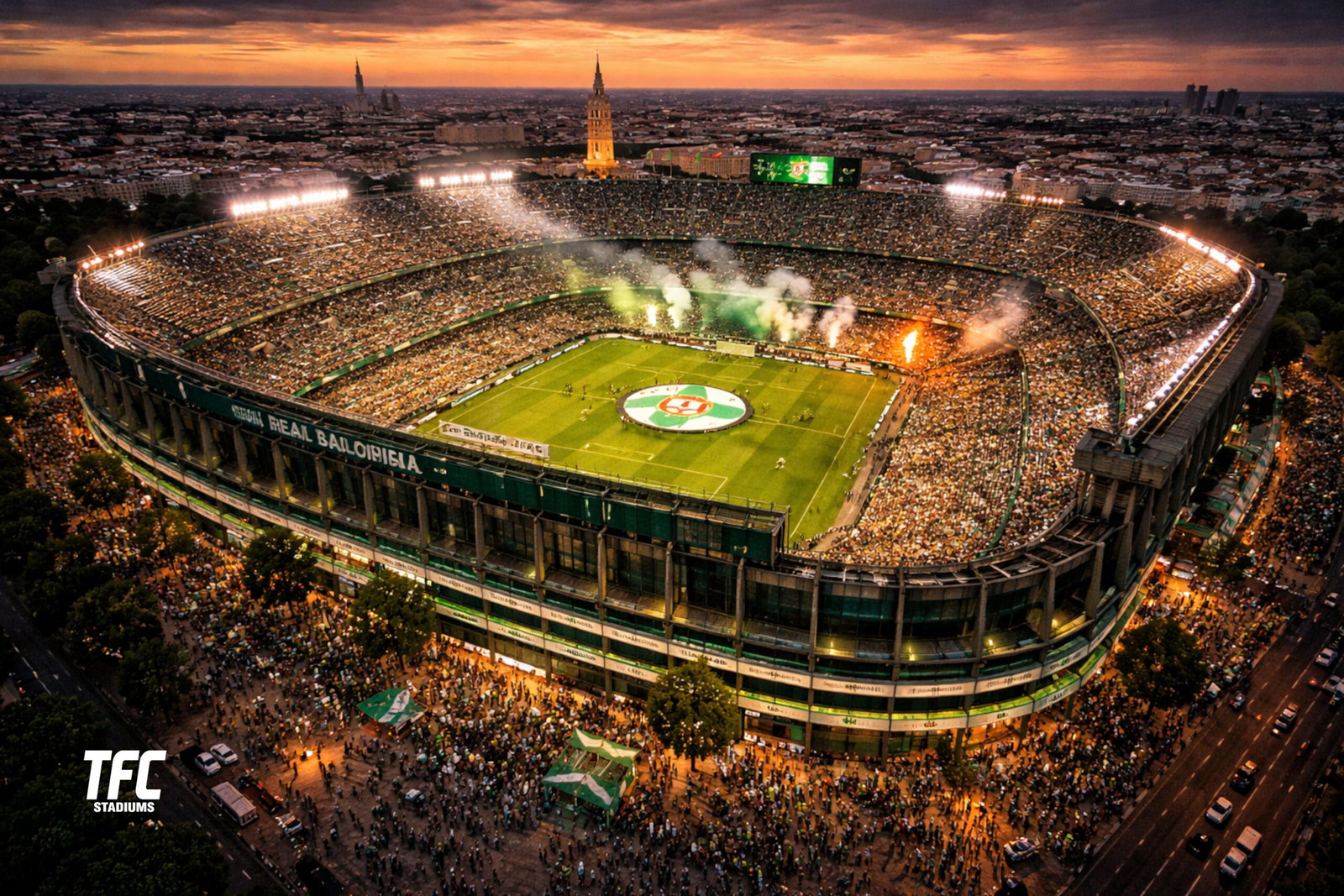
Matchday in the Heliópolis district feels like a slow build rather than a sudden hit. Bars fill early, scarves appear by mid morning, and the green and white colours start to dominate pavements. The stadium itself comes into view gradually, modernised but still unmistakably traditional, with its sweeping stands and open corners that let sound spill into the streets.
Security and entry are generally efficient, though locals arrive earlier than many visitors expect. If you want time to take it all in, arrive at least an hour before kick off. It never feels rushed, but it does feel purposeful.
Pre Match Rituals and Fan Culture
Real Betis supporters treat matchday as a social event as much as a sporting one. Families, older season ticket holders, and younger ultras all mix freely. There is pride here, but also humour. Expect singing well before the teams are announced, and expect it to continue even if the scoreline turns uncomfortable.
The club anthem before kick off is a genuine moment. Scarves go up, voices rise, and the stadium takes on a shared rhythm that is easy to join even if your Spanish is limited to football basics.
Inside the Ground
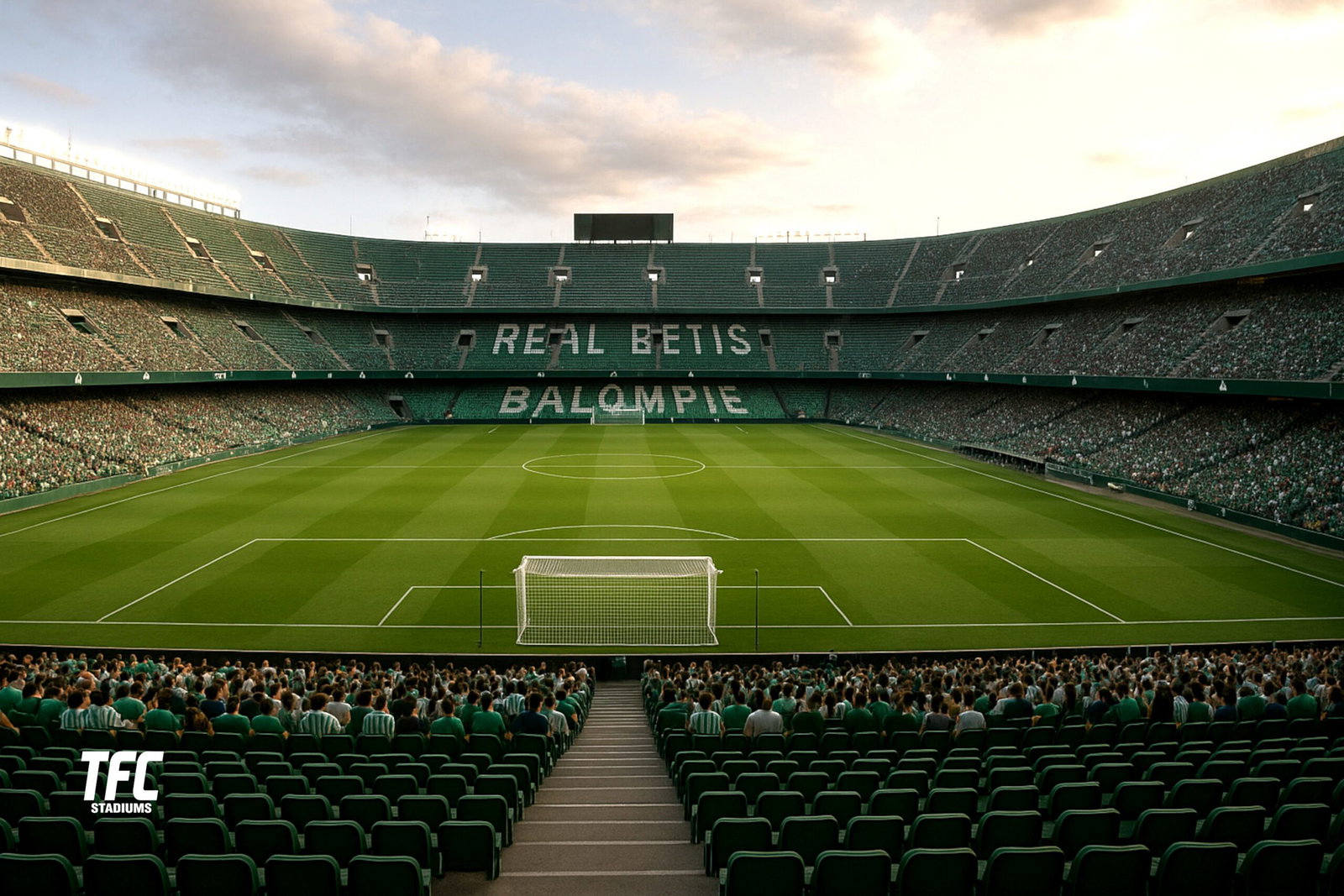
Benito Villamarín is large, steep, and surprisingly intimate once you are seated. The lower tiers sit close to the pitch, and the sound carries well across all four sides. Sightlines are strong almost everywhere, with the Gol Sur often providing the loudest backing.
Facilities are solid rather than flashy. Food and drink are straightforward, queues move steadily, and prices are reasonable by top flight European standards. This is a stadium built for football first, not a polished entertainment complex.
The Atmosphere During the Match
Betis supporters are demanding but loyal. Good play is rewarded instantly, while sloppy passes get called out without mercy. What stands out is how rarely the crowd switches off. Even when chasing a game, the noise remains constant, more encouragement than anger.
Referees do not get an easy ride here, especially in big matches. Decisions are debated loudly and at length, often with impressive creativity.
Historic Rivalry Spotlight: Betis vs Sevilla
No matchday guide to Benito Villamarín is complete without context around the Seville derby. When Sevilla come to town, the atmosphere shifts up several levels.
Selected head to head context at Benito Villamarín
- First league meeting at the ground took place in the early twentieth century
- Matches are typically tight, physical, and emotionally charged
- Home wins are often celebrated for years, not weeks
- Red cards and late goals are common enough to feel inevitable
This fixture is less about league position and more about identity. Even neutral fans can feel the tension from the opening whistle.
Food, Drink, and the Walk Away
Post match, many fans linger. Bars around the stadium stay busy, with debates over refereeing decisions and missed chances running long into the evening. Win or lose, there is rarely a sense of urgency to leave. The walk back towards the city centre is relaxed, almost reflective.
For visitors, this is one of the most enjoyable parts of the day. You see the emotional aftermath in real time, from quiet satisfaction to animated frustration.
TFC Takeaway
Benito Villamarín offers something increasingly rare in modern football. It feels authentic, lived in, and emotionally honest. Matchday here is not choreographed for tourists, but visitors are welcomed easily if they show a bit of respect and curiosity.
If you want a Spanish football experience that balances history, noise, humour, and genuine local pride, this stadium delivers every time.
About the Author