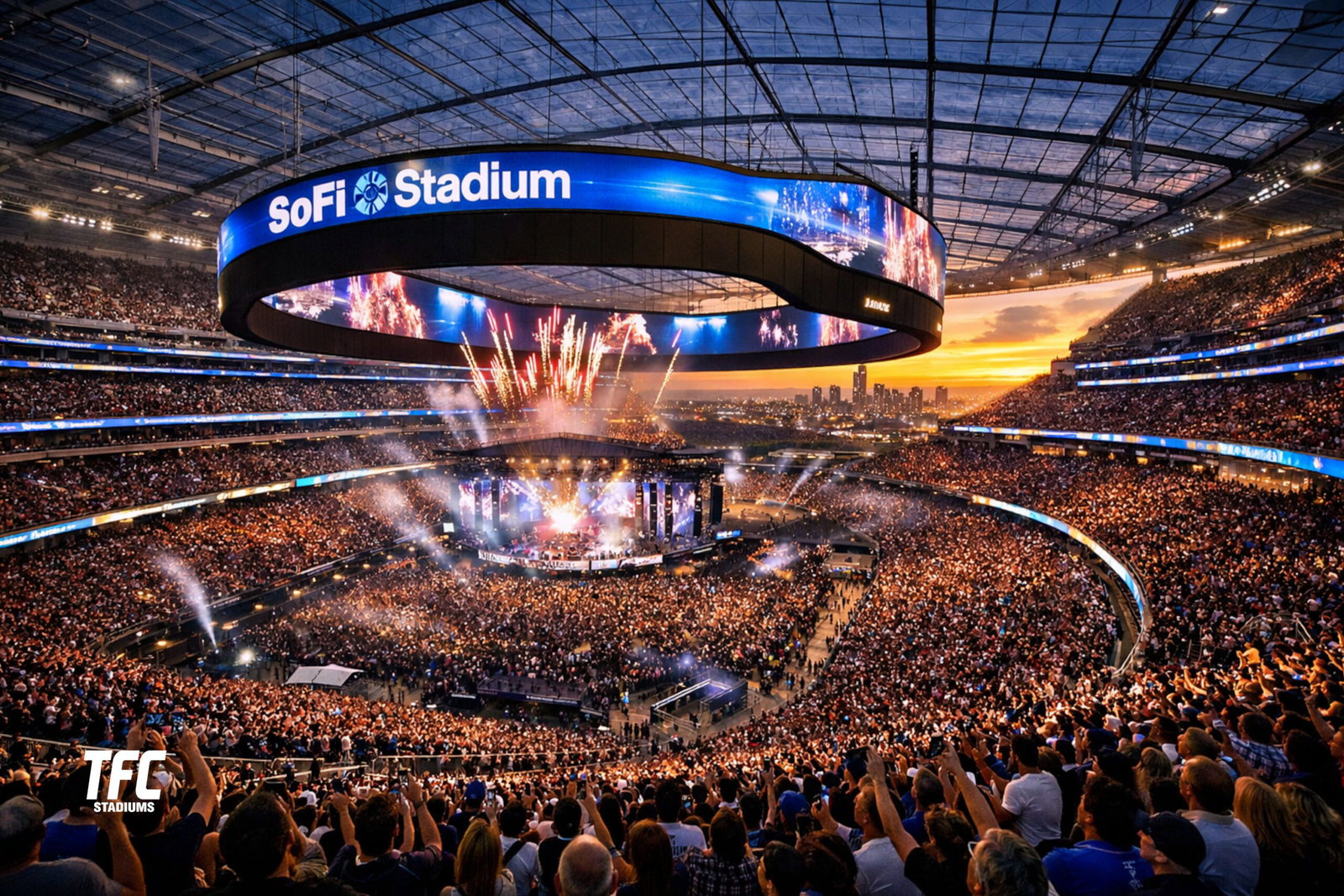
What Is SoFi Stadium and Why Capacity Matters
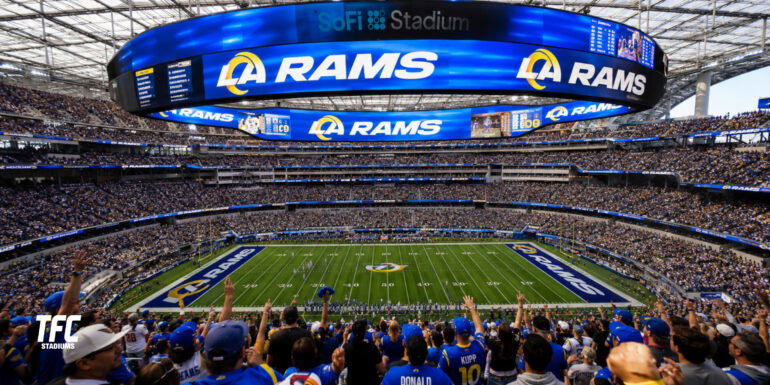
SoFi Stadium sits in Inglewood like a glass spaceship that accidentally landed next to the 405. It is home to the Los Angeles Rams and the Los Angeles Chargers, and it was designed with one clear goal. Host everything.
Capacity is the headline number everyone argues about, but at SoFi it is more of a sliding scale than a fixed figure. The stadium was built to flex depending on the event, the broadcast demands, and how much the NFL wants to show off.
Standard Seating Capacity
For regular NFL games, SoFi Stadium holds 70,240 fans. That figure already puts it among the largest stadiums in the league, but the raw number does not tell the full story.
The seating bowl is steep, wide, and unusually close to the field. Even the upper levels feel nearer than you expect, which is a small miracle considering how cavernous the building is. The capacity works because the design avoids dead zones. There are no obvious bad seats, just varying levels of financial regret.
Expanded Capacity for Major Events
SoFi Stadium was engineered from day one to expand. With temporary seating added, capacity can reach 100,000 spectators.
This expanded setup has already been used for major events, most notably the Super Bowl and college football showcases. Extra seats are typically installed behind the end zones and in areas normally reserved for production or hospitality.
This flexibility is not cosmetic. It is structural. The stadium’s foundations, concourses, and access points were built to handle those extra bodies without turning the exits into a stress test.
Maximum Capacity in Real Terms
In theory, SoFi Stadium can exceed 100,000 for the biggest one off events. In practice, the usable maximum depends on sightlines, broadcast equipment, and safety planning.
That makes SoFi less about chasing a single record breaking number and more about repeatability. It can scale up, scale down, and do it again the following week. Most stadiums pick one identity. SoFi refuses to.
How SoFi Compares to Other NFL Stadiums
In standard NFL configuration, SoFi is already larger than most of the league.
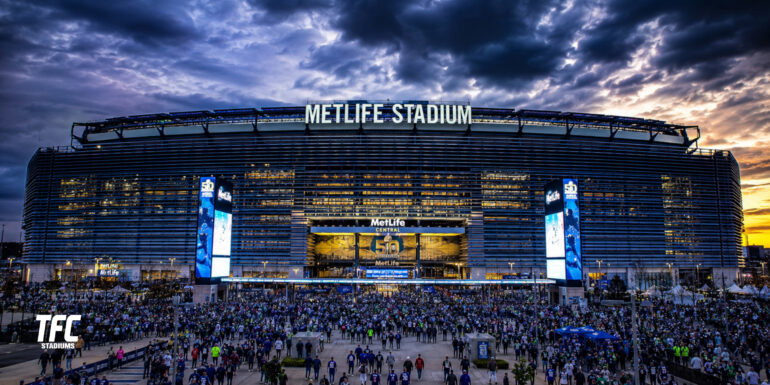
It sits below AT&T Stadium in Arlington, which can also push past 80,000 with expansion, but above venues like MetLife Stadium and Arrowhead Stadium in regular seating.
Where SoFi separates itself is versatility. Many stadiums can add seats. Few can do it while hosting a Super Bowl, a College Football Playoff game, a WrestleMania, and a Taylor Swift tour without blinking.
Expansion Plans and Long Term Outlook
There are no permanent seating expansion plans announced, and that is deliberate. SoFi does not need them.
The current model already allows the stadium to scale for events like the World Cup and the Olympics without committing to empty seats for regular season games. Permanent expansion would add cost, complexity, and the risk of diminishing atmosphere during quieter fixtures.
In short, SoFi has already future proofed itself. Adding more concrete would solve a problem it does not have.
Why Capacity Feels Bigger Than the Numbers
Part of SoFi’s capacity magic is psychological. The transparent roof floods the interior with natural light, the concourses stay visually connected to the field, and the video board wraps around the stadium like something out of a sci fi fever dream.
Crowds feel larger because they are always visible. Noise travels. Energy lingers. Even at 70,000, it rarely feels half full unless the Chargers are having one of those afternoons.
Final Verdict from the Press Box
SoFi Stadium’s capacity is not about chasing the biggest headline number. It is about control. It can host 70,000 for a Sunday kickoff and pivot to 100,000 for a global spectacle without changing its identity.
That makes it less a stadium and more a platform. Love it or loathe it, this is what the next generation of mega venues looks like.
And yes, it still takes longer than expected to get out of the car park.
About the Author