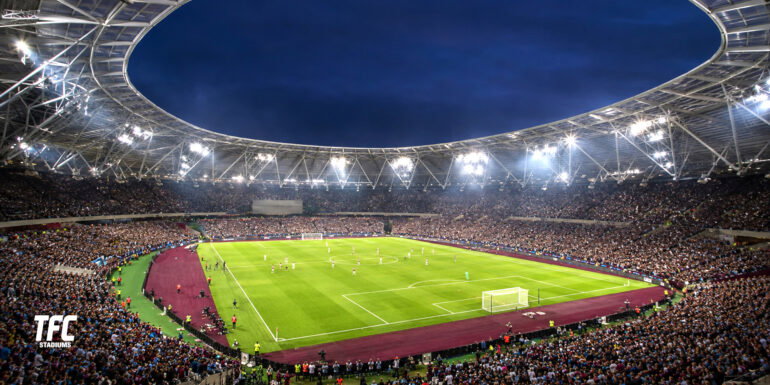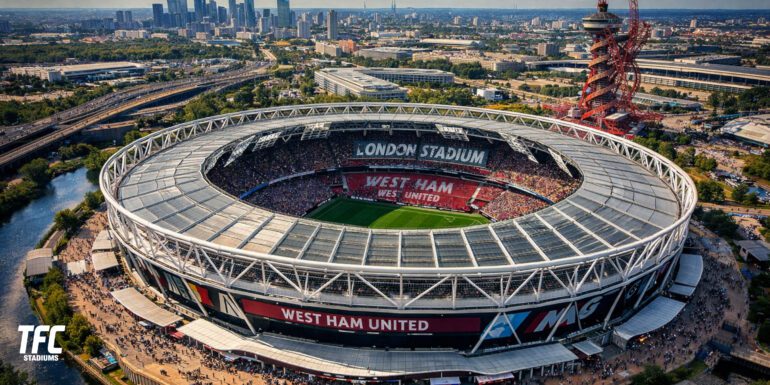
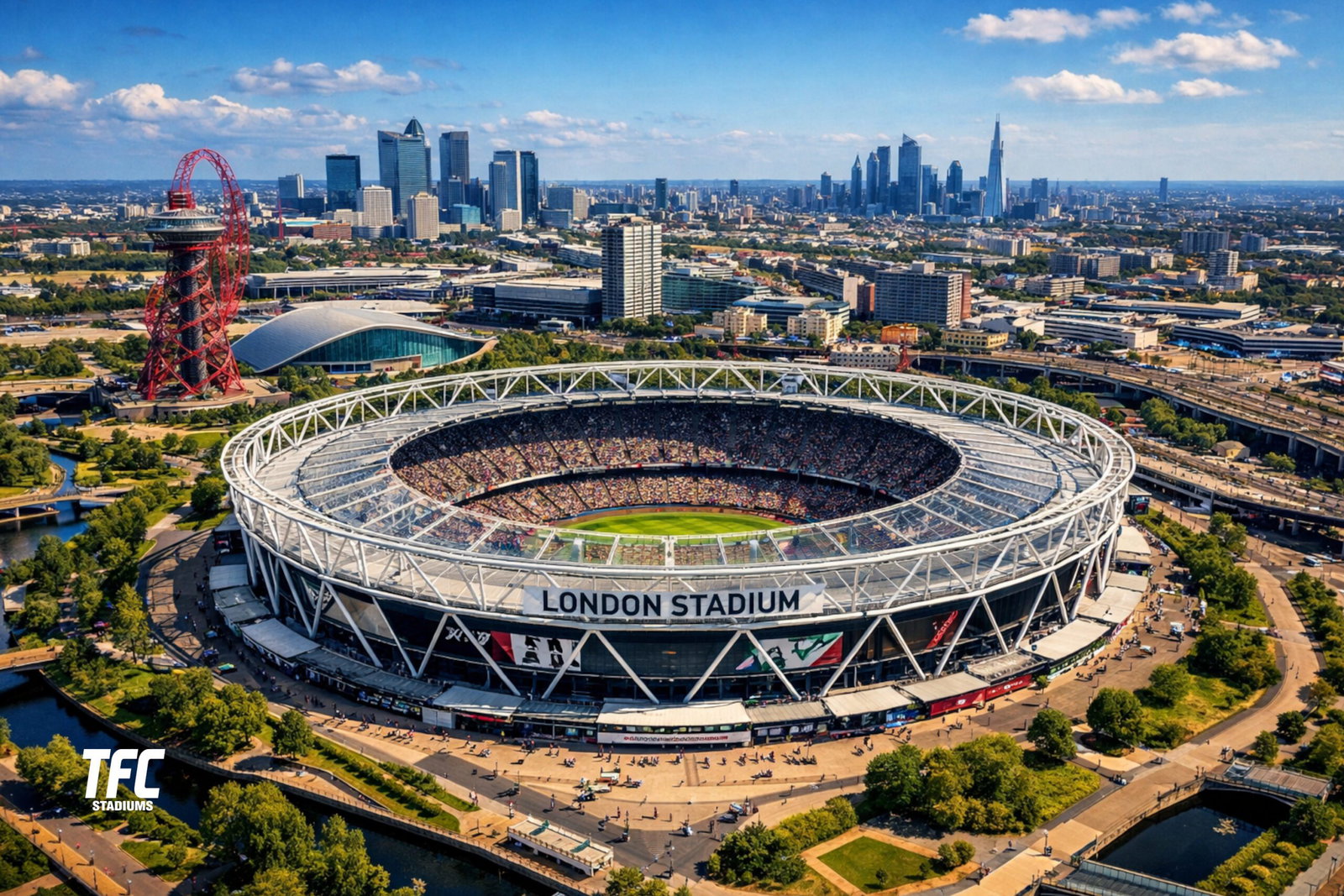
London Stadium has quietly gone through a series of technology upgrades that reflect its unusual life story. Built for the 2012 Olympics, then adapted for elite football, concerts, and global events, it has had to keep pace with modern expectations while working around a complex multi-use design. The result is a venue that feels more advanced than many realise, even if it does not shout about it.
High-Density Connectivity Across the Bowl
One of the most significant upgrades has been the expansion of high-density Wi-Fi and mobile coverage. Early matchdays were notorious for dropped signals and frozen apps. That has changed.
The stadium now supports tens of thousands of concurrent connections, allowing fans to stream replays, use mobile tickets, order food, and share the moment without resorting to airplane mode. It is not flawless during peak surges, but it is a world away from the early Premier League seasons at the venue.
Video Boards and In-Bowl Displays
The large format screens inside the stadium have been steadily upgraded to higher-resolution LED systems. These displays now handle sharper live feeds, improved replays, and clearer graphics for goals, substitutions, and VAR decisions.
Content control has also improved. Football matches, concerts, and athletics events each receive tailored visual packages rather than a one-size-fits-all approach. It sounds minor, but it noticeably improves atmosphere and clarity, particularly for fans seated further from the pitch.
Retractable Seating and Conversion Technology
London Stadium’s most unusual technological feature is still its conversion system. Moving between athletics and football configurations involves retractable seating modules, removable turf layers, and complex logistics beneath the surface.
Upgrades here are rarely visible to fans, but automation, monitoring sensors, and scheduling software have reduced turnaround times and improved pitch consistency. For a stadium that regularly changes its identity, that behind-the-scenes tech is doing a lot of heavy lifting.
Broadcast and VAR Infrastructure
Top-tier broadcast facilities are now standard at the stadium, with permanent camera mounts, enhanced cabling routes, and upgraded control rooms. These changes support Premier League production requirements and major international events.
VAR infrastructure has been refined as well, with better camera integration and data feeds. Decisions may still spark debate in the stands, but the technical backbone is firmly up to modern standards.
Smart Security and Crowd Management
Security upgrades focus less on visible barriers and more on data. Advanced CCTV, analytics-assisted monitoring, and improved access control systems help manage crowd flow before issues escalate.
Digital ticketing integration has also streamlined entry, reducing bottlenecks at peak arrival times. It is the kind of technology fans only notice when it fails, which is usually a good sign.
Sustainability and Energy Systems
Technology upgrades have not been limited to fan experience. Energy management systems now play a larger role in how the stadium operates day to day.
LED lighting, intelligent climate controls, and more efficient power distribution reduce running costs and environmental impact. These systems matter most during non-matchday operations, when the stadium still functions as a working venue rather than a spectacle.
Matchday Apps and Data Integration
Integration between stadium systems and club platforms has improved, particularly for West Ham United home matches. Live stats, ticketing, and concessions data feed into apps that increasingly shape how fans interact with the venue.
It is not the most app-driven stadium in Europe, but the foundations are there, and future upgrades feel more like software updates than construction projects.
Looking Ahead
London Stadium’s technology story is less about headline-grabbing gimmicks and more about steady refinement. Its challenges are unique, and so are its solutions.
As expectations rise and digital infrastructure becomes just as important as sightlines and legroom, the stadium feels well positioned to evolve further. It may never be the flashiest venue in London, but it is becoming one of the most quietly capable.
About the Author