
A historic Premier League rivalry revisited
Stamford Bridge has a long memory. When Chelsea FC host Manchester City, the fixture usually lands somewhere between high-stakes chess match and full-contact drama. This is not a rivalry built on geography. It is one shaped by eras of power, changing managers, and moments where titles quietly swung direction on a cold west London evening.
This match-up has evolved from a straightforward big-club clash into something more loaded. City arrived as the new benchmark. Chelsea have spent years trying to knock them off it, sometimes successfully, often painfully.
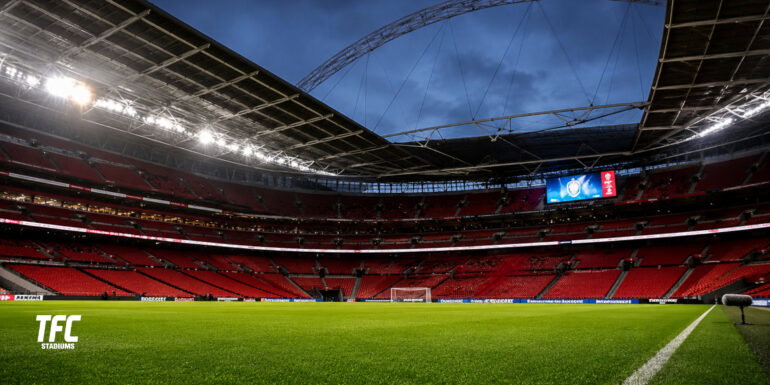
Stamford Bridge as a battleground
Stamford Bridge does not intimidate through size, but through proximity. The stands sit close, the noise feels personal, and visiting sides rarely settle quickly. For City, this ground has delivered both control and chaos.
Chelsea have historically been stubborn here. Even during City’s most dominant seasons, Stamford Bridge has tended to shorten games. Possession matters less. Duels matter more. It is one of the few venues where City have often looked slightly irritated, like a plan interrupted.
How the rivalry took shape
In the early Premier League years, this fixture was competitive but rarely decisive. That changed in the late 2000s when Chelsea became serial title contenders. It sharpened again in the 2010s as City moved from challengers to pace-setters.
Key turning points linger. Chelsea disrupting City title runs. City returning the favour with clinical away wins that felt like statements rather than results. By the time European trophies entered the conversation, the fixture had picked up an edge that league tables alone did not explain.
Tactical character of the fixture
This game often turns into a test of patience versus defiance. City tend to dominate the ball, stretch the pitch, and wait for small mistakes. Chelsea sides, regardless of manager, have usually leaned into structure, transitions, and controlled aggression.
At Stamford Bridge, Chelsea presses tend to come in bursts rather than waves. City’s response is normally calm recycling, but when it goes wrong here, it goes wrong loudly. The crowd senses it instantly.
Head-to-head history at a glance
Across all competitions, the clubs have met well over 170 times. Chelsea hold a narrow overall edge historically, built largely in earlier decades and cup competitions. In the Premier League era, the balance tightens considerably.
At Stamford Bridge specifically, Chelsea have traditionally been strong, winning more home league fixtures than they have lost. City’s away record has improved sharply since the mid-2010s, though wins here are still treated as premium results rather than routine ones.
Recent seasons show City edging the overall head-to-head thanks to consistency, but Chelsea continue to make this fixture uncomfortable, especially in London.
Matches that still get mentioned
Certain games refuse to fade. Chelsea grinding out wins that dented City title momentum. City returning with composed, almost clinical performances that felt like quiet warnings to the rest of the league. There have been late winners, red cards, and tactical stalemates that ended with both benches looking equally annoyed.
If a neutral wants a sense of how Premier League power shifts, this fixture usually provides clues without spelling them out.
What this fixture says now
Chelsea versus Manchester City at Stamford Bridge is no longer about proving relevance. Both clubs have plenty of that. It is about tone. For Chelsea, it is a test of whether they can still disrupt the league’s most polished machine. For City, it is about showing control in a stadium that resists it.
Rarely dull. Rarely simple. Stamford Bridge tends to make sure of that.
About the Author