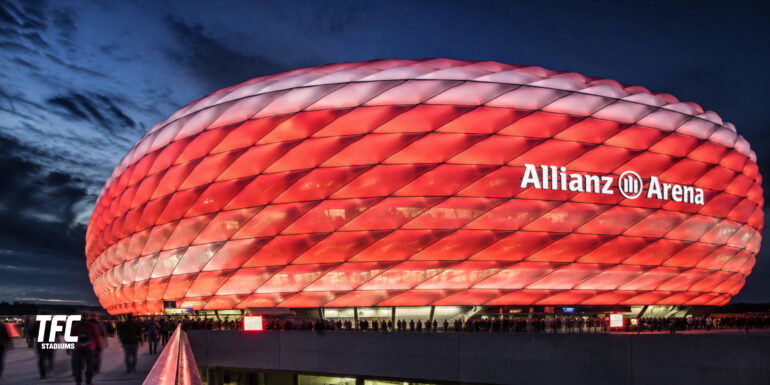
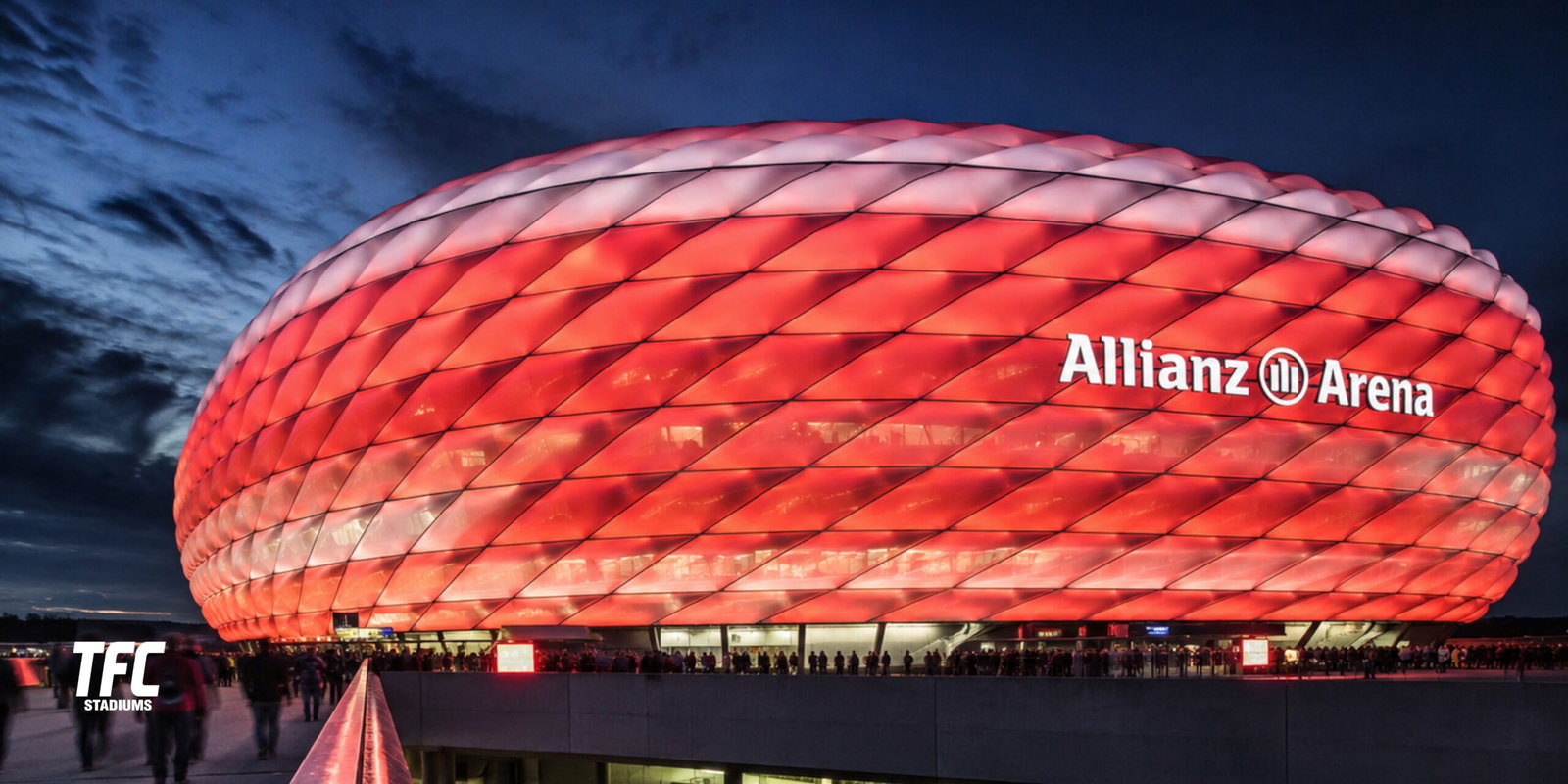
The Allianz Arena is best known for its glowing exterior, steep stands and the sea of red created by Bayern Munich supporters, but behind the noise is one of the most sophisticated corporate hospitality operations in European football.
Opened in 2005, the stadium was designed during an era when elite clubs began treating matchdays as full entertainment experiences rather than simply selling seats. With a capacity of around 75,000 for domestic fixtures, Allianz Arena balances the traditional energy of German football with premium facilities aimed at sponsors, companies and international visitors.
What makes it interesting is the contrast. Outside, thousands of fans arrive by underground train and gather with scarves, beers and bratwurst. A few levels higher, guests enter private lounges, restaurants and executive areas that feel closer to a luxury hotel than an old football terrace.
Both experiences are part of the same stadium.
The Scale of Hospitality at Allianz Arena
Allianz Arena was built with corporate facilities integrated from the beginning rather than added later through renovations.
Key hospitality features include:
| Feature | Details |
|---|---|
| Opened | 2005 |
| Stadium capacity | Around 75,000 for Bundesliga matches |
| Business seats | Approximately 2,000 plus premium seating areas |
| Executive suites | More than 100 private boxes |
| VIP levels | Dedicated hospitality tiers and lounges |
| Operators | Bayern Munich and official hospitality partners |
The stadium’s design allows premium guests to move separately through dedicated entrances and hospitality areas while preserving the atmosphere inside the bowl.
That separation is important. Many modern stadiums struggle when luxury areas feel disconnected from the match. Allianz Arena succeeds because even premium seats remain close to the pitch and inside one of Europe’s loudest football environments.
Executive Boxes: The Private Matchday Experience
The executive suites are the most exclusive areas of Allianz Arena.
They are primarily used by:
- Corporate partners
- Sponsors
- International businesses
- Private groups
- High-value clients
A typical executive box experience includes:
- Private seating area overlooking the pitch
- Indoor hospitality space
- Premium catering
- Drinks service
- Branding options for companies
- Networking areas before and after the match
For businesses, the appeal is not only watching Bayern Munich. A Champions League night against Real Madrid or Manchester City becomes a relationship-building event with global attention.
Football is the centrepiece, but business is often happening long before kick-off.
VIP Lounges and Business Seats
The business seating model at Allianz Arena provides a more flexible alternative to private suites.
Guests receive premium seats alongside access to shared hospitality spaces featuring:
- Restaurant-style dining
- Buffet and à la carte options
- Bars and lounges
- Comfortable pre-match areas
- Post-match hospitality
The advantage is atmosphere. A private box gives exclusivity, but business seats place supporters closer to the collective experience.
For many football fans, this is the better balance. You get the comfort without feeling like you are watching the game through a window.
Food and Dining: Bavarian Identity Meets Premium Service
One of Allianz Arena’s strengths is that hospitality still reflects Munich rather than copying a generic luxury model.
Premium areas often combine international dining with Bavarian influence:
- Regional dishes
- German beer culture
- High-quality meat and seafood options
- Seasonal menus
- Fine dining experiences
The stadium also handles enormous food and drink demand across general areas. On major matchdays, tens of thousands of meals and drinks are served, making catering logistics almost as impressive as the football operation.
A stadium kitchen during Bayern versus Dortmund is probably not a calm place to work.
Corporate Hospitality Revenue and Bayern Munich’s Business Model
Modern football economics mean premium areas are hugely valuable.
Bayern Munich have historically been known for careful financial management compared with clubs relying heavily on billionaire ownership or major debt. Matchday income has been a key part of that approach.
Hospitality contributes through:
- Higher ticket revenue per seat
- Long-term corporate relationships
- Sponsorship activation
- International business connections
- Event usage outside football
A regular seat generates revenue roughly 20 to 30 times per season depending on fixtures. A corporate space can generate significantly more through annual agreements, events and partnerships.
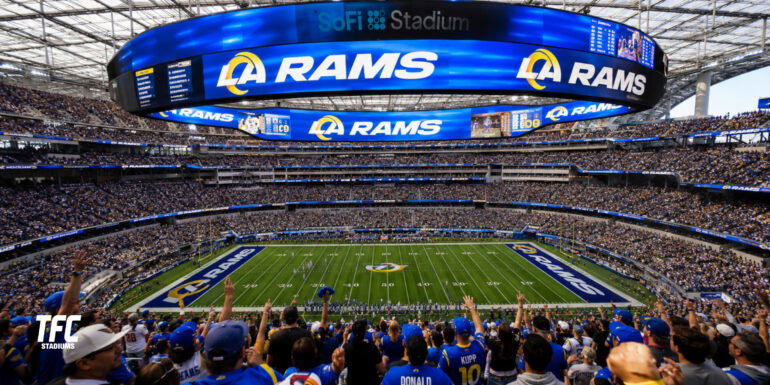
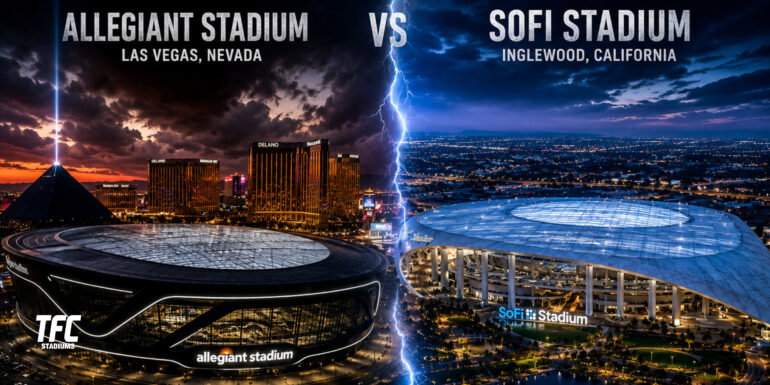
This is why almost every new elite stadium project, from Tottenham Hotspur Stadium to SoFi Stadium, places premium experiences at the centre of design.
How Allianz Arena Compares With Other Stadium Hospitality
| Stadium | Hospitality Style |
|---|---|
| Allianz Arena | Efficient, premium, corporate-focused with Bavarian identity |
| Tottenham Hotspur Stadium | NFL-style premium lounges and luxury experiences |
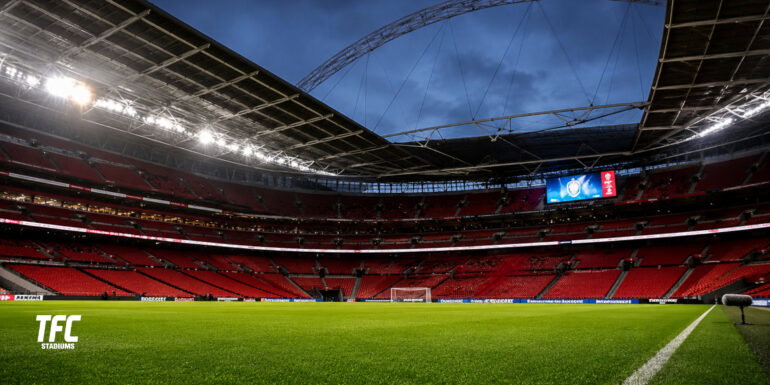
| Wembley Stadium | Large-scale corporate events and Club Wembley model |
| Santiago Bernabéu | Luxury redevelopment focused on year-round revenue |
| Emirates Stadium | Early Premier League example of premium seating strategy |
Allianz Arena is not the flashiest hospitality venue in world sport, but it is one of the most carefully organised.
German football culture places limits on excessive commercialisation, so Bayern have had to find a balance between premium income and maintaining the supporter experience.
Non-Matchday Corporate Events
A major part of modern stadium business happens when there is no football.
Allianz Arena hosts:
- Conferences
- Business meetings
- Product launches
- Corporate dinners
- Private events
- Stadium tours
This year-round model helps justify the enormous cost of modern venues. A stadium sitting empty for 330 days a year is no longer considered efficient.
The building itself becomes a business asset.
The Fan Debate: Luxury vs Football Culture
Corporate hospitality always creates debate.
Supporters often worry that premium areas can push stadiums towards wealthier audiences and away from traditional fans. It is a fair concern across European football, especially as ticket prices continue rising.
However, Allianz Arena has avoided some criticism because German football maintains a stronger supporter culture than many leagues.
The stadium still delivers:
- Huge standing sections for domestic matches
- Affordable ticket options compared with some European rivals
- Strong supporter identity
- One of football’s most recognisable atmospheres
The challenge for Bayern is keeping that balance as football becomes increasingly global.
A Premium Stadium That Still Feels Like Bayern
Allianz Arena’s corporate hospitality works because it was designed into the stadium rather than forced onto it later. The premium areas generate major revenue, but they do not dominate the identity of the building.
At its best, the stadium represents two sides of modern football. There are executives discussing business over dinner, and there are thousands of supporters creating one of Europe’s great football atmospheres only metres away.
The impressive part is that both groups still know they are at a Bayern Munich match. That is something many modern stadiums struggle to achieve.
About the Author