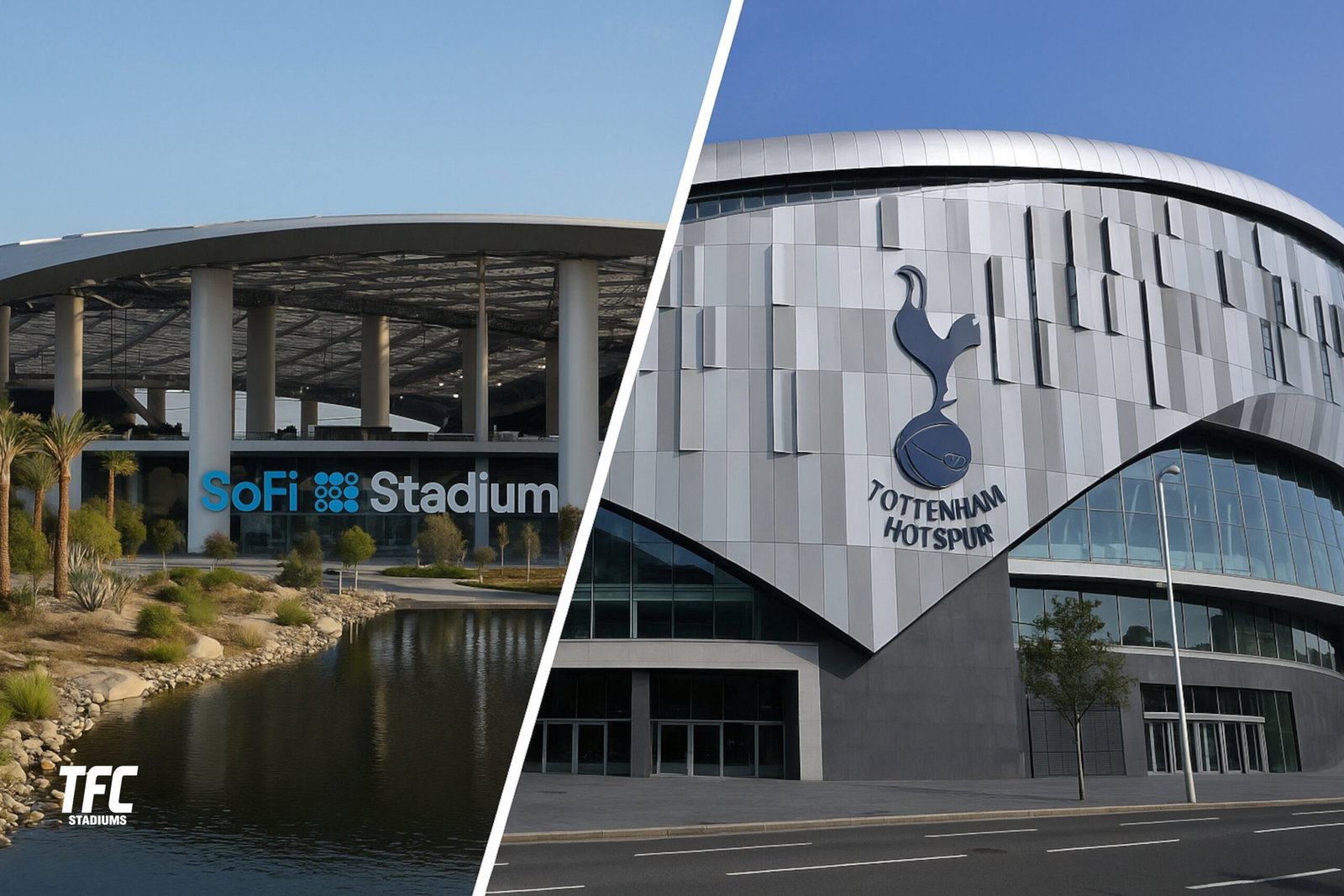
The landscape of sports and entertainment venues has undergone a quiet revolution in recent decades. Multi-purpose stadiums, once considered compromised solutions that pleased no one, have evolved into sophisticated facilities that successfully blend functionality, fan experience, and architectural innovation. This transformation reflects fundamental changes in how cities utilize space, how teams generate revenue, and how fans experience live events.
The Anatomy of a Modern Multi-Purpose Stadium
Today’s multi-purpose stadiums are marvels of engineering and design, far removed from the cookie-cutter concrete bowls of the 1970s. The most successful share several key characteristics:
- Transformational seating systems that can reconfigure for different capacities and sightlines
- Modular field technology allowing quick conversion between surfaces
- Adaptable roof structures ranging from retractable designs to tensioned membrane systems
- Zoned concourses that can be opened or closed based on attendance
- Integrated infrastructure supporting both sporting and non-sporting events
These features enable venues to host football on Saturday, a concert on Sunday, and a corporate convention on Monday without compromising the experience for any event.
Economic Drivers Behind the Trend
The shift toward multi-purpose venues stems from compelling financial realities. The average NFL stadium hosts just 20-25 events annually, while Premier League grounds may see 30-40 matchdays. This leaves hundreds of days where traditional stadiums sit empty. Modern multi-use facilities can achieve 200+ event days through:
- Ancillary revenue streams (concessions, sponsorships, naming rights)
- Reduced operating costs through shared maintenance and staffing
- Increased public funding by demonstrating year-round community benefit
- Premium experiences that command higher prices across event types
Cities like Las Vegas and Nashville have particularly embraced this model, viewing stadiums as anchors for broader entertainment districts rather than standalone sports facilities.
Groundbreaking Examples Redefining Possibilities
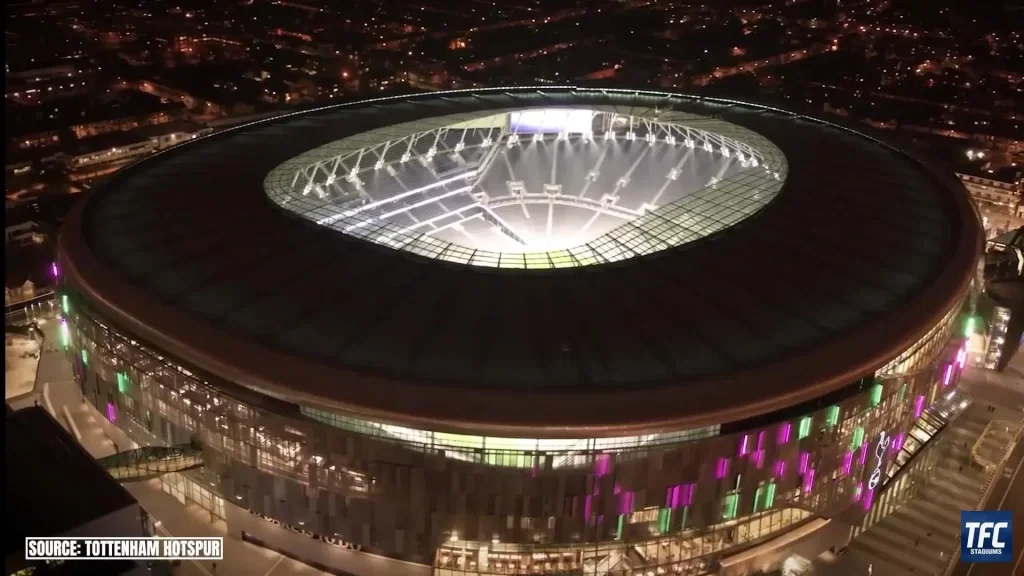
Tottenham Hotspur Stadium (London, UK)
This £1 billion masterpiece sets the gold standard for adaptability. Its revolutionary pitch system features:
- A natural grass surface for football that splits into three sections
- An underlying artificial surface for NFL games that rolls out beneath the retracted grass
- Separate concert flooring that protects both surfaces during music events
The venue also boasts the first dividing retractable seating wall in the UK, creating more intimate configurations for non-sporting events. Hospitality spaces transform from football lounges to corporate suites to concert VIP areas through movable partitions and reconfigurable furniture.
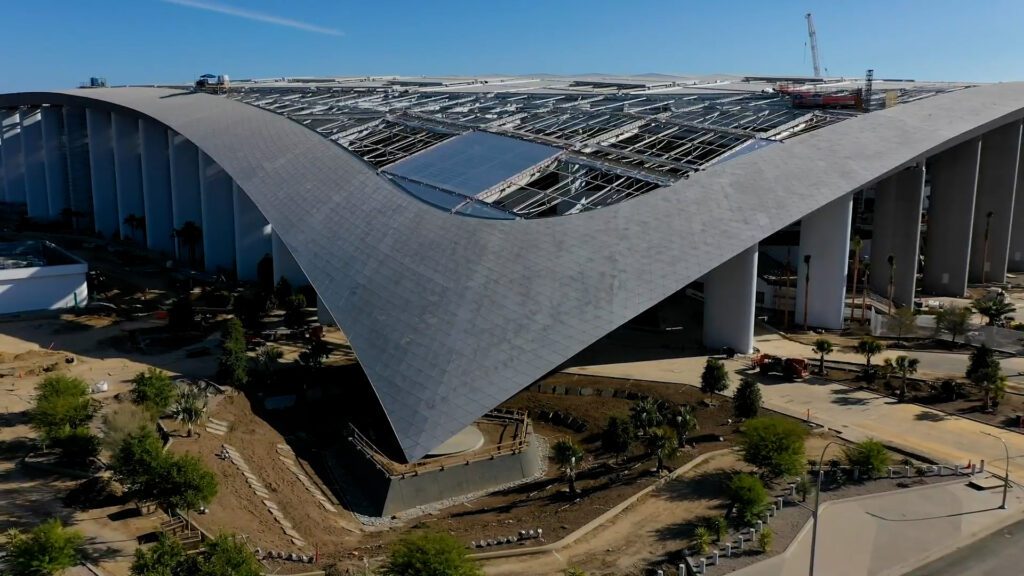
SoFi Stadium (Los Angeles, USA)
The $5 billion SoFi complex demonstrates how multi-purpose design can work at massive scale:
- A 70,000-seat capacity expandable to 100,000 for special events
- A double-sided 4K video board (the “Oculus”) visible from all angles
- An open-air feel with a translucent roof covering the entire seating bowl
- Underground loading docks that allow simultaneous event preparation
The adjacent Hollywood Park development includes 6,000 premium seats that serve as office space during the week, literally blending stadium and workplace.
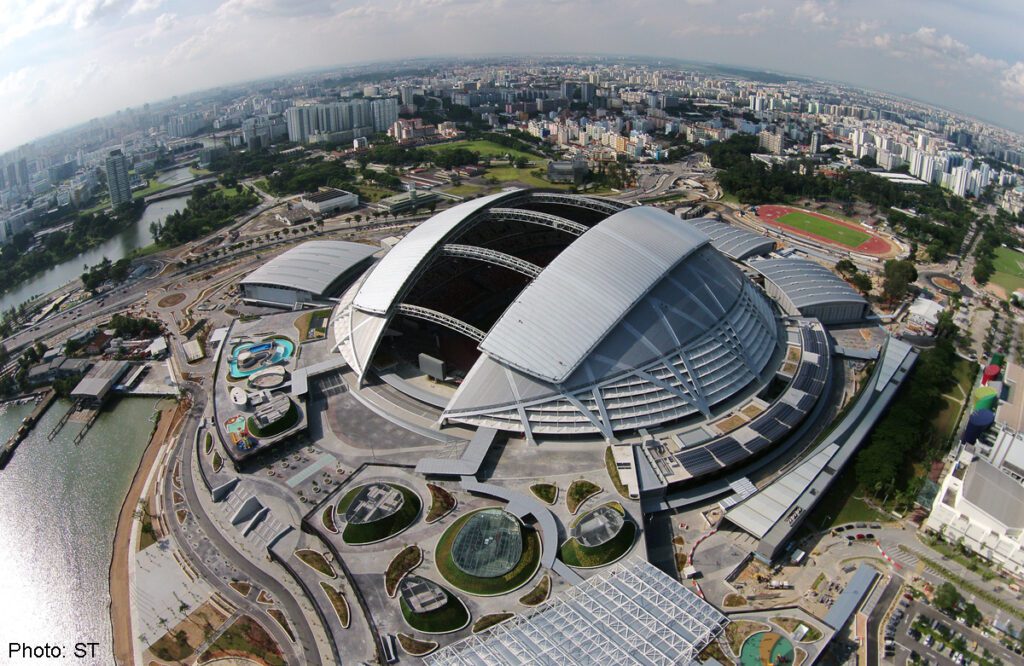
Singapore National Stadium
Asia’s leading multi-purpose venue features:
- The world’s largest free-spanning dome roof
- A retractable seating system that can convert from 55,000 to 30,000 capacity
- A cooling system that reduces field-level temperature by up to 8°C
- A convertible field that transitions between natural grass and synthetic surfaces in hours
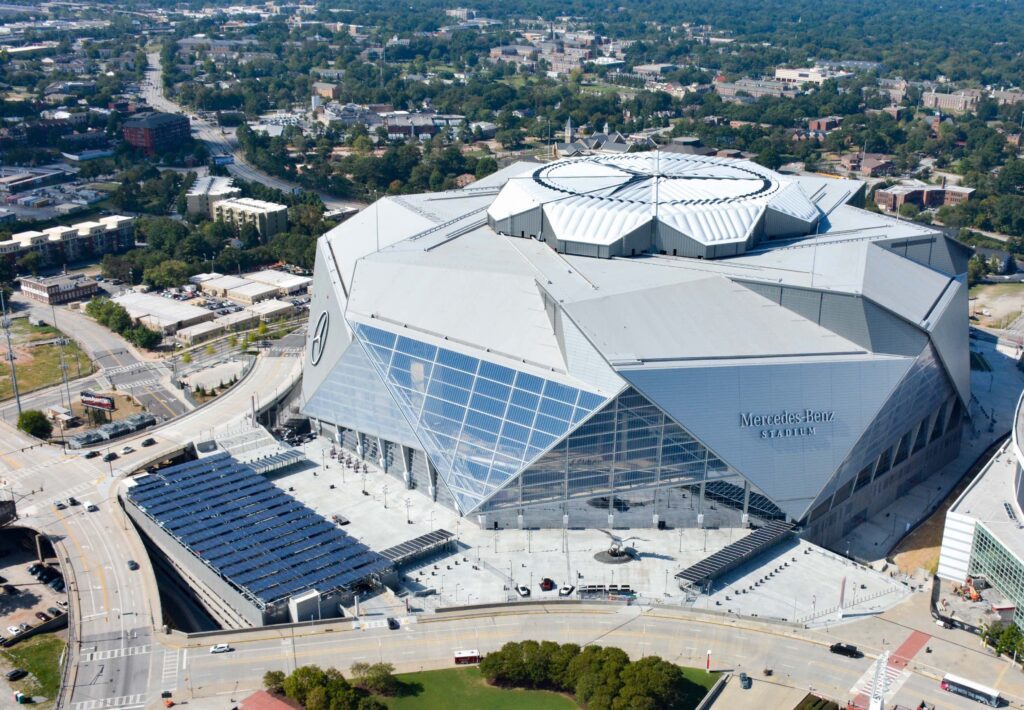
Mercedes-Benz Stadium (Atlanta, USA)
This venue’s innovations include:
- The “Halo” 360-degree video board that adjusts height for different events
- A pinwheel roof that opens like a camera aperture
- The world’s first LEED Platinum certified stadium
- Concession pricing frozen at 1991 levels to enhance accessibility
Overcoming Design Challenges
The quest for perfect adaptability presents unique engineering hurdles:
Sightline Optimization
The ideal viewing angle for football (30-35° elevation) differs from concerts (flatter is better). Solutions include:
- Telescopic seating decks (Wembley Stadium)
- Adjustable rake seating (Allegiant Stadium)
- Dual-purpose club seats that rotate (U.S. Bank Stadium)
Acoustic Engineering
Music venues require sound containment while sports benefit from crowd noise reverberation. Modern solutions employ:
- Retractable acoustic curtains (Principality Stadium)
- Adjustable reverberation chambers (T-Mobile Arena)
- Directional speaker systems (SoFi Stadium)
Surface Management
Protecting natural grass during concerts requires:
- Modular protection systems (Tottenham)
- Airflow-controlled underground storage (Arizona Cardinals Stadium)
- Hybrid grass systems reinforced with synthetic fibers (most UEFA Category 4 stadiums)
The Future of Adaptive Venues
Emerging technologies promise even greater flexibility:
- Morphing seating using shape-memory alloys that automatically reconfigure
- Augmented reality overlays allowing single venues to present customized branding for different events
- Dynamic lighting systems that can simulate daylight for non-sporting events
- Convertible roofs that transition between transparent and opaque states
Cities like Miami (with its proposed Freedom Park) and Melbourne (with the redeveloped Marvel Stadium) continue pushing boundaries. The next generation may see stadiums that can physically change shape or even float between locations.
Balancing Tradition With Innovation
While purists argue single-purpose venues offer superior experiences, the economic and urban planning benefits of multi-purpose stadiums are undeniable. The most successful designs prove that adaptability need not come at the expense of atmosphere or functionality. As construction costs rise and urban space becomes more precious, the multi-purpose model will likely become the standard rather than the exception.
The true test lies in whether fans feel the magic is preserved. When executed thoughtfully, as in Tottenham’s atmospheric bowl or SoFi’s breathtaking canopy, these stadiums don’t just accommodate different events; they enhance them. The future belongs to venues that aren’t just buildings, but dynamic platforms for shared experiences.
About the Author