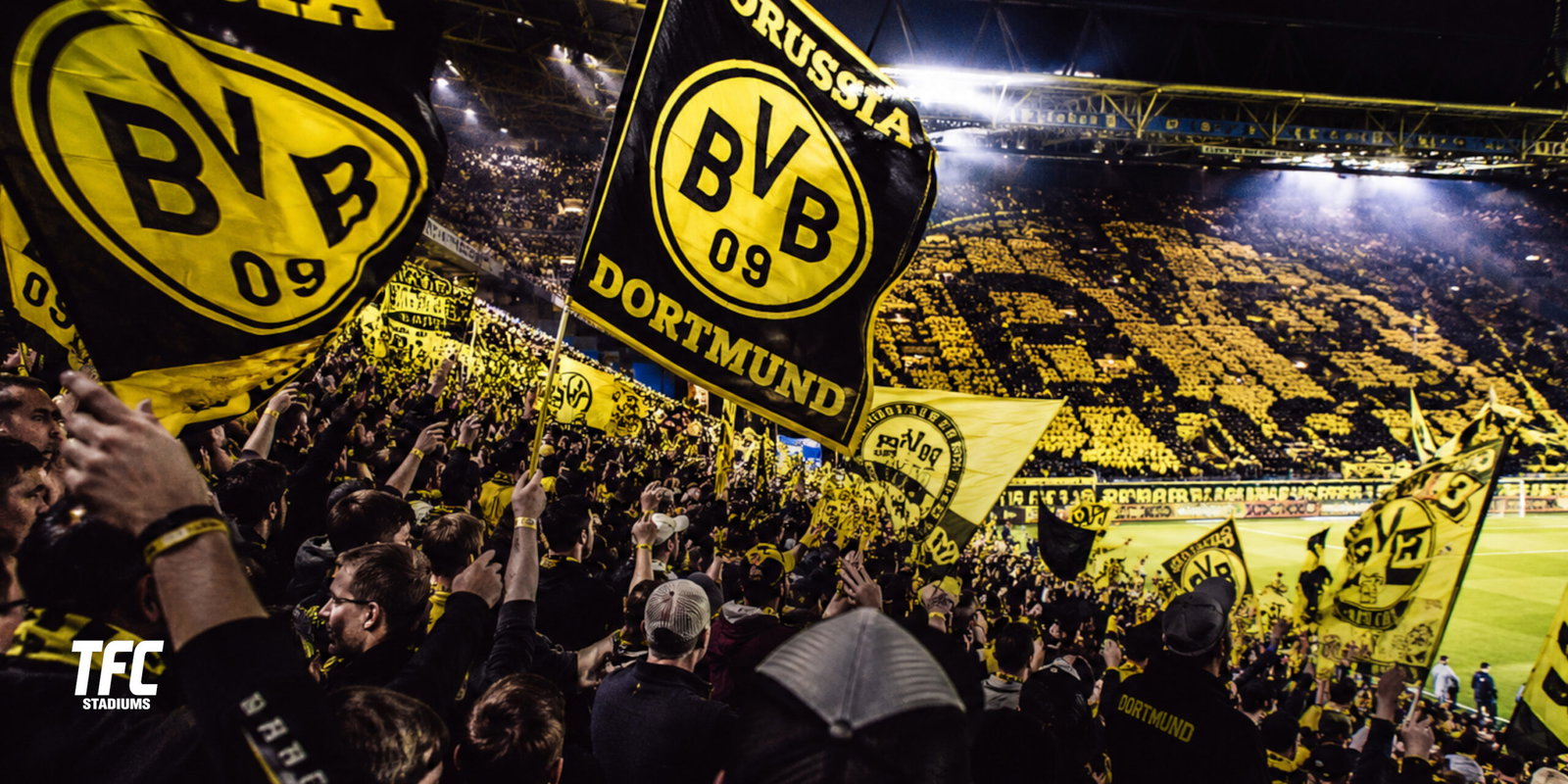
Signal Iduna Park is famous for many things. Europe’s largest terrace. The towering Yellow Wall. Noise levels that seem capable of influencing local weather patterns. Yet what truly separates Borussia Dortmund’s home from almost every other stadium is not simply the architecture or the crowd size. It is the collection of rituals that thousands of supporters perform every single matchday.
These traditions have been passed from one generation to the next. Some are organised. Most happen naturally. Together they create an atmosphere that television cameras struggle to capture.
For many supporters, attending a Borussia Dortmund match is less about watching football and more about taking part in a weekly ceremony.
Why Rituals Matter in Football
Football clubs survive because supporters pass traditions through families and communities. Rituals create identity. They remind fans that they belong to something larger than themselves.
At Signal Iduna Park, this process happens on an enormous scale.
With a Bundesliga capacity of more than 81,000 and around 25,000 supporters standing on the famous Südtribüne, Borussia Dortmund consistently records some of Europe’s highest average attendances. Season after season the club welcomes well over 1.3 million league spectators.
The numbers are impressive.
The consistency is even more remarkable.
The Journey Begins Hours Before Kick Off
Long before players arrive, Dortmund begins to change.
The streets around the stadium gradually become seas of black and yellow. Trams fill with supporters wearing scarves that have often been owned for decades. Local pubs overflow. Food stalls become meeting places rather than simply somewhere to grab lunch.
Many supporters follow the same routine every home game.
Some visit identical pubs.
Others always stop at the same sausage stand.
Some refuse to enter the stadium until exactly the same time before kick off.
It may sound superstitious. Football supporters have never been famous for logical thinking.
Scarves Are More Than Merchandise
Few items symbolise Borussia Dortmund better than the black and yellow scarf.
Visitors often notice something unusual before kick off.
Almost everyone has one.
Scarves are worn, waved, held above heads during songs and wrapped around shoulders throughout winter. Many families own collections stretching back decades, marking cup finals, championship seasons and European nights.
The pre-match scarf display transforms tens of thousands of individual supporters into one enormous wall of colour.
Simple traditions often create the strongest visual impact.
The Yellow Wall Comes Alive
No discussion of Signal Iduna Park can avoid the Südtribüne.
The Yellow Wall remains Europe’s largest standing terrace, accommodating approximately 25,000 supporters during Bundesliga matches.
From outside it resembles a steep block of concrete.
From inside it feels almost alive.
The chants begin well before kick off. Small groups gradually become thousands singing together. Flags appear. Drums establish rhythm. Giant banners cover sections of supporters before disappearing again as the match approaches.
Unlike choreographed entertainment found in some modern venues, much of Dortmund’s atmosphere develops organically.
There is structure.
There is leadership.
There is also controlled chaos.
That balance gives the Yellow Wall its personality.
You’ll Never Walk Alone
Few moments match the emotional impact of hearing You’ll Never Walk Alone echo around Signal Iduna Park.
Although the song has become associated with several clubs across Europe, Dortmund supporters have embraced it as one of their defining traditions.
Scarves rise together.
Supporters sing rather than simply listen.
Even neutral visitors often describe it as one of football’s most memorable pre-match experiences.
The song creates a rare silence before the noise returns.
It is the calm before the storm.
Every Chant Has Its Place
The atmosphere inside Signal Iduna Park is not random shouting.
Experienced supporters know exactly when particular chants should begin.
Certain songs celebrate Borussia Dortmund’s history.
Others encourage the team during difficult spells.
Some target rival clubs with varying levels of politeness.
Call and response chants move around the stadium in waves, creating moments where one stand answers another.
The effect is less like a concert and more like thousands of people instinctively speaking the same language.
Beer Is Part of the Tradition
Football and German beer have been close companions for generations.
Signal Iduna Park serves enormous volumes of beer every matchday, with supporters often arriving early to meet friends rather than rushing straight to their seats.
Sharing a drink before the game is almost a ritual in itself.
It provides time to discuss team selections, complain about injuries and confidently predict a comfortable victory before spending ninety minutes wondering why football remains such a stressful hobby.
Matchday Food Has Become Tradition
No visit feels complete without traditional stadium food.
Bratwurst remains the classic choice, although currywurst also enjoys a loyal following.
The smell of grilled sausages drifting through the concourses has become part of the sensory experience.
It may not earn Michelin stars.
It certainly earns repeat customers.
Lucky Seats and Matchday Superstitions
Football supporters love routines.
Borussia Dortmund fans are no exception.
Many insist on sitting or standing in precisely the same location every match.
Some wear identical scarves for important European fixtures.
Others refuse to change their pre-match routine after a victory.
Players have their own habits too.
The line between preparation and superstition becomes surprisingly blurry when trophies are involved.
European Nights Feel Different
Champions League evenings raise every tradition to another level.
The stadium fills earlier.
Flags become larger.
The volume increases noticeably.
Floodlights reflecting from thousands of black and yellow scarves create one of football’s most recognisable images.
Many supporters describe European nights as having a different rhythm altogether.
Even regular visitors admit the atmosphere somehow finds another gear.
Considering how loud Signal Iduna Park already is, that achievement borders on scientific impossibility.
The Relationship Between Players and Fans
One of Dortmund’s strongest traditions happens after the final whistle.
Players frequently gather in front of the Yellow Wall regardless of the result.
Victories bring celebrations.
Defeats often bring applause and acknowledgement.
This interaction reinforces the idea that supporters and players represent one community rather than two separate groups.
Not every club maintains that connection so consistently.
The Numbers Behind the Atmosphere
Signal Iduna Park’s reputation is backed by more than emotion.
| Matchday Statistic | Approximate Figure |
|---|---|
| Bundesliga Capacity | 81,365 |
| Yellow Wall Capacity | 25,000 |
| Average League Attendance | Over 81,000 |
| Annual Bundesliga Attendance | Around 1.4 million |
| Standing Terrace Size | Largest in European club football |
These figures help explain why visiting teams regularly describe Dortmund as one of football’s most intimidating away grounds.
Noise is difficult to measure precisely, but repeated studies during major matches have recorded crowd levels exceeding 100 decibels, comparable to a live rock concert.
Why These Rituals Continue to Matter
Modern football changes quickly.
Ticketing becomes digital.
Broadcast technology improves every season.
Commercial partnerships grow larger.
Yet Signal Iduna Park demonstrates that traditions remain football’s greatest asset.
The songs are familiar.
The scarves remain raised.
Supporters still meet in the same pubs.
Children continue learning chants from parents and grandparents.
None of these rituals wins matches on its own.
Together they create something opponents immediately notice.
The Yellow Wall is impressive because of its size.
The traditions behind it are what make it unforgettable.
Final Thoughts
Many famous stadiums possess passionate supporters.
Few have developed a matchday culture as complete as Borussia Dortmund’s.
Every ritual, from the first pint before kick off to the final applause after the whistle, contributes to an experience that extends well beyond ninety minutes of football.
Visitors often arrive expecting to see one of Europe’s loudest stadiums.
They usually leave talking about something less tangible.
A feeling that they were not simply watching a football match but taking part in a tradition that has been carefully built across generations.
That is the real power of Signal Iduna Park. The concrete may house the supporters, but it is the supporters who give the stadium its soul.
About the Author