Asia has no shortage of world-class stadiums, from mammoth football grounds to architectural marvels built for global tournaments. Here’s a ranked list of the best, based on size, design, history, and the atmosphere they generate.
1. Salt Lake Stadium, Kolkata, India
Salt Lake Stadium, officially Vivekananda Yuba Bharati Krirangan, takes the top spot for its sheer size and historic importance. With a capacity once topping 85,000, it has been the beating heart of Indian football, staging unforgettable Kolkata derbies and international fixtures. The scale of noise and colour here is unmatched in Asia.
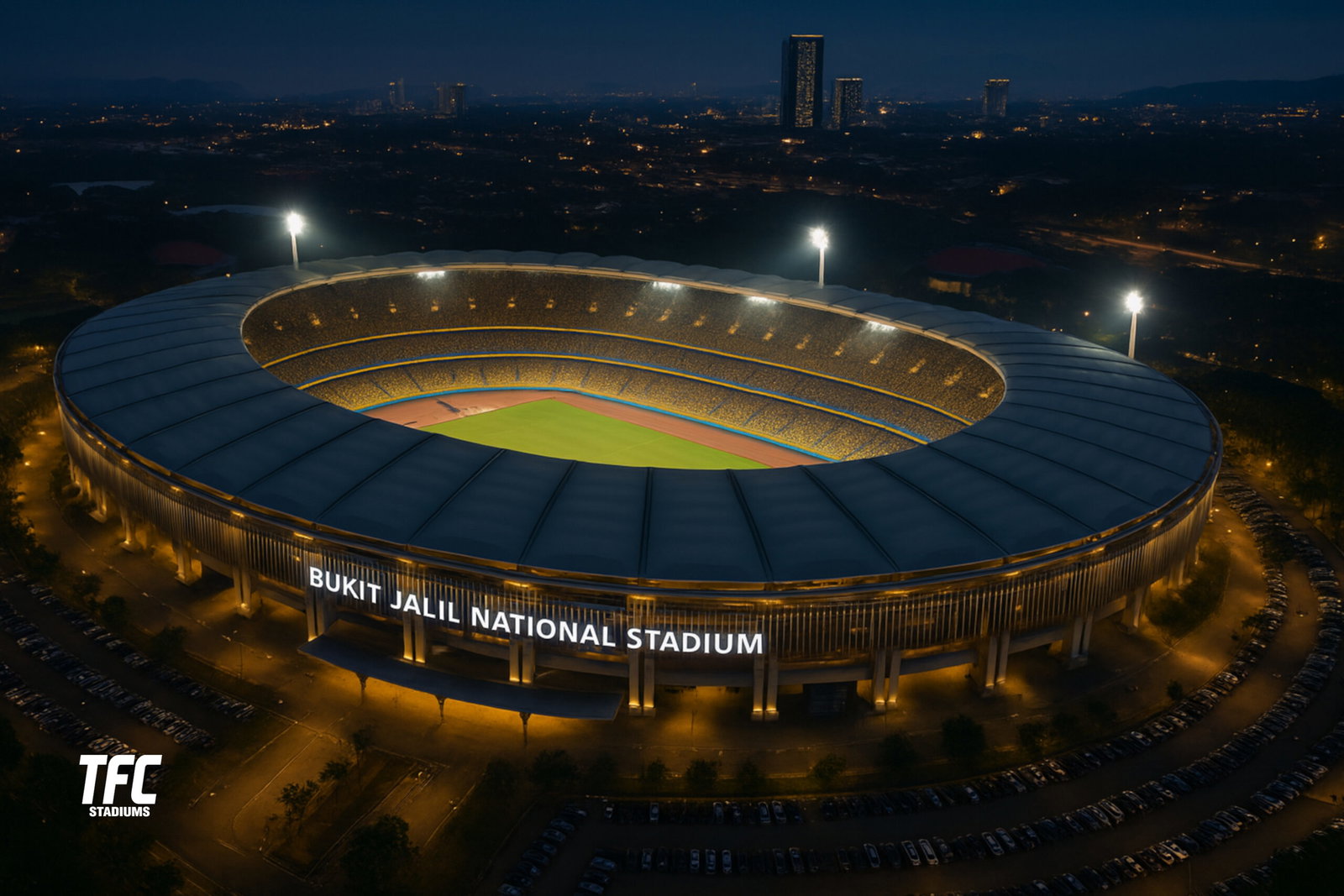
2. Bukit Jalil National Stadium, Kuala Lumpur, Malaysia
Bukit Jalil is Malaysia’s pride and one of the finest multipurpose stadiums in the world. Holding over 87,000, it has hosted Commonwealth Games, SEA Games, and countless football events. Its design allows it to adapt seamlessly for athletics, concerts, and football, making it a true all-rounder.
3. Azadi Stadium, Tehran, Iran
Few places in world football can rival the raw intensity of Azadi. With the Alborz mountains in the backdrop and capacity exceeding 100,000 at its peak, this stadium is as much a cultural icon as a sporting venue. Iran’s national team matches here have produced some of the loudest atmospheres on the planet.
4. Saitama Stadium, Saitama, Japan
Built for the 2002 FIFA World Cup, Saitama is one of the best-designed football stadiums in Asia. The home of Urawa Red Diamonds, it seats 63,000 and is renowned for its steep stands that magnify the chants of Japanese fans. It combines sleek design with pure football culture.
5. Gelora Bung Karno Stadium, Jakarta, Indonesia
Rebuilt and modernised while retaining its old character, Gelora Bung Karno is Indonesia’s national stage. Holding over 88,000, it has hosted Asian Games, AFC tournaments, and political rallies. On matchdays, it turns into a sea of red and white, reflecting the country’s deep passion for football.
6. King Fahd International Stadium, Riyadh, Saudi Arabia
Nicknamed the “Pearl of Stadiums,” King Fahd stands out for its distinctive tent-style roof, designed to shield fans from desert heat. With a 68,000 capacity, it has hosted AFC Asian Cup finals and remains central to Saudi Arabia’s football and sporting ambitions.
7. Seoul World Cup Stadium, South Korea
Built for the 2002 World Cup, Seoul’s Sangam Stadium remains a striking venue with a roof inspired by a traditional Korean kite. Seating 66,000, it continues to serve FC Seoul while also hosting international fixtures and cultural events. Its blend of modernity and Korean tradition gives it a unique edge.
8. Education City Stadium, Al Rayyan, Qatar
One of the most advanced stadiums in Asia, Education City was completed for the 2022 World Cup. With its diamond-like façade and cooling technology, it represents the future of stadium design in hot climates. Smaller at 45,000 capacity, it makes up for scale with cutting-edge comfort and aesthetics.
9. Singapore National Stadium, Singapore
A late addition that deserves recognition, Singapore’s 55,000-seater National Stadium boasts a fully retractable roof and the world’s largest free-spanning dome. It is the centrepiece of the Singapore Sports Hub and hosts football, rugby, athletics, and concerts. Its versatility and modern engineering put it on the global map.
10. Rungrado 1st of May Stadium, Pyongyang, North Korea
The largest stadium in the world by capacity, seating up to 114,000, Rungrado 1st of May is an oddity. Used mostly for parades, mass games, and political displays, it has also staged football and wrestling events. Architecturally striking with its petal-shaped roof, it is massive but less accessible than other stadiums on this list.
TFC Takeaway
From the historic roars of Azadi to the futuristic diamond shell of Education City, Asia’s stadiums show just how diverse and ambitious the continent is when it comes to sport. They are not just venues but cultural landmarks, where design, politics, and passion all collide.
About the Author