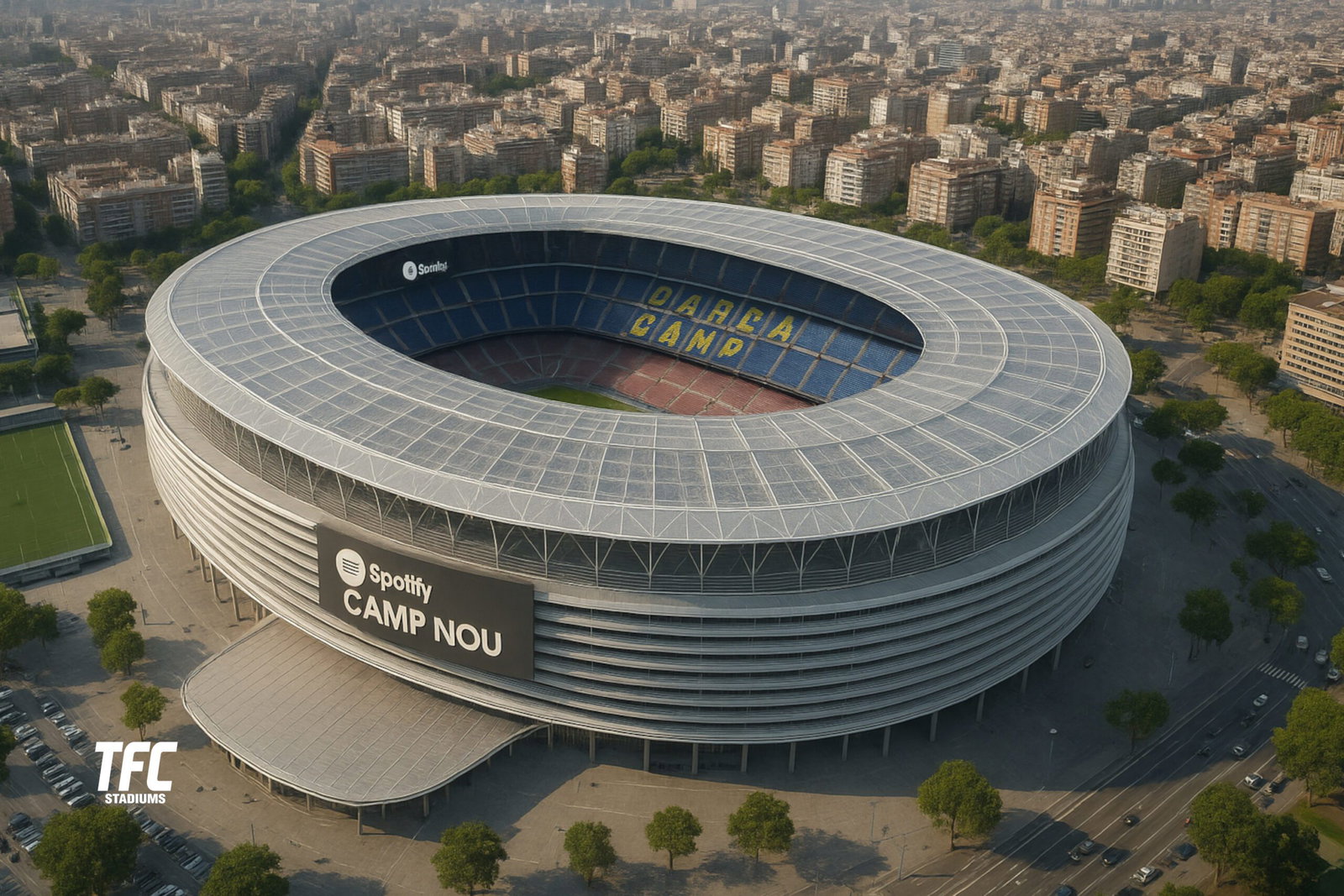
Camp Nou is far more than the home of FC Barcelona. For many Catalans it is a cultural and political landmark as much as a sporting arena. Since its opening in 1957, the stadium has hosted moments of football brilliance alongside expressions of regional pride, political protest, and identity. Understanding its role means looking beyond goals and trophies to the deeper connection between the club, the region, and its people.
A Stadium with a Purpose
When Camp Nou was inaugurated, Catalonia was under the dictatorship of Francisco Franco. The Catalan language and symbols of regional autonomy were suppressed, yet inside the stadium, they found space to endure. FC Barcelona became a symbol of resistance, and Camp Nou a venue where the Catalan flag could still be displayed and Catalan chants could be heard without immediate censorship. For many, attending a match was not only about supporting the team but also about quietly reaffirming cultural identity.
The Motto: “Més que un club”
Barcelona’s motto, “Més que un club” (“More than a club”), encapsulates this role. It signifies a commitment to values beyond sport, including democracy, cultural preservation, and social responsibility. The phrase is prominently displayed inside Camp Nou, and its meaning resonates in moments when political tensions rise. During debates over Catalan independence, the stadium has often been a platform for large-scale displays of solidarity with the cause, such as mosaics and banners calling for self-determination.
Political Expression Through Football
Football at Camp Nou has long been intertwined with politics, whether through subtle gestures or overt messages. Chants for independence are timed to begin at the 17th minute and 14th second of matches, a reference to 1714, the year Barcelona fell during the War of the Spanish Succession. On major political anniversaries or during referendums, the stadium has become a gathering place for demonstrations. While this blending of sport and politics has been celebrated by some, it has also drawn criticism from those who believe football should remain separate from political affairs.
Language and Culture in the Matchday Experience
The Catalan language is a key part of the matchday atmosphere at Camp Nou. Stadium announcements, club communications, and much of the fan dialogue take place in Catalan, reinforcing its everyday use. The club actively promotes Catalan culture through its museum, youth programmes, and partnerships with local institutions. Even in the era of global football, when international stars and tourists fill the stands, the cultural grounding remains clear.
Modern Challenges to Tradition
In recent years, commercial pressures, global fanbases, and the redevelopment of the stadium have raised questions about how much of this identity can be preserved. FC Barcelona now caters to millions of supporters worldwide, many of whom have little connection to Catalan politics. While the club embraces its role as a global brand, maintaining its identity as a cultural institution is an ongoing challenge. The forthcoming redevelopment of Camp Nou will test whether the stadium can retain its symbolic power while adapting to modern demands.
A Living Symbol
Camp Nou stands as a reminder that football stadiums can be more than sporting venues. For Catalans, it has been a stage for history, a rallying point for language and culture, and a place where political expression has found its voice. Whatever changes lie ahead, its legacy as a centre of Catalan identity is unlikely to fade.
About the Author