
The 2026 FIFA World Cup is not built around one country or one football culture. It stretches across three nations, 16 cities, and thousands of miles, turning the tournament into the largest logistical exercise the sport has ever attempted.
For fans, that scale is exciting and slightly intimidating. This guide focuses on the stadiums themselves, where they are, what country they sit in, and how big they are. No fluff, no hype slogans, just venues and context.
Host countries and cities at a glance
World Cup 2026 will be staged across Canada, Mexico, and the United States, with each country hosting matches in major urban centres designed to handle global events.
Canada provides two compact, city based venues.
Mexico offers altitude, heat, and football heritage.
The United States brings scale, indoor stadiums, and sheer capacity.
This mix means matchday experiences will vary dramatically depending on where you go.
All World Cup 2026 stadiums by city and country
| City | Country | Stadium | Capacity |
|---|---|---|---|
| Vancouver | Canada | BC Place (BC Place Stadium) | 48,821 |
| Toronto | Canada | BMO Field (BMO Field Stadium) | 44,315 |
| Mexico City | Mexico | Estadio Azteca (Estadio Azteca) | 72,766 |
| Guadalajara (Zapopan) | Mexico | Estadio Akron (Estadio Guadalajara) | 44,330 |
| Monterrey (Guadalupe) | Mexico | Estadio BBVA (Estadio Monterrey) | 50,113 |
| Atlanta | United States | Mercedes Benz Stadium (Atlanta Stadium) | 67,382 |
| Boston (Foxborough) | United States | Gillette Stadium (Boston Stadium) | 63,815 |
| Dallas (Arlington) | United States | AT&T Stadium (Dallas Stadium) | 70,122 |
| Houston | United States | NRG Stadium (Houston Stadium) | 68,311 |
| Kansas City | United States | GEHA Field at Arrowhead Stadium (Kansas City Stadium) | 67,513 |
| Los Angeles (Inglewood) | United States | SoFi Stadium (Los Angeles Stadium) | 69,650 |
| Miami (Miami Gardens) | United States | Hard Rock Stadium (Miami Stadium) | 64,091 |
| New York / New Jersey | United States | MetLife Stadium (New York New Jersey Stadium) | 78,576 |
| Philadelphia | United States | Lincoln Financial Field (Philadelphia Stadium) | 65,827 |
| San Francisco Bay Area (Santa Clara) | United States | Levi’s Stadium (San Francisco Bay Area Stadium) | 69,391 |
| Seattle | United States | Lumen Field (Seattle Stadium) | 65,123 |
The biggest venues and why they matter
If atmosphere matters more to you than perfect sightlines, capacity is still king.
MetLife Stadium in the New York and New Jersey area is the largest venue in the tournament. That matters not only for ticket availability but for how matches feel. Bigger bowls tend to amplify noise differently and create a more chaotic, festival style crowd.
Dallas, Los Angeles, and Atlanta also sit in the top tier for size, with modern designs that allow for flexible seating layouts and large fan zones.
Individual World Cup 2026 stadium guides
BC Place, Vancouver, Canada (BC Place Vancouver)
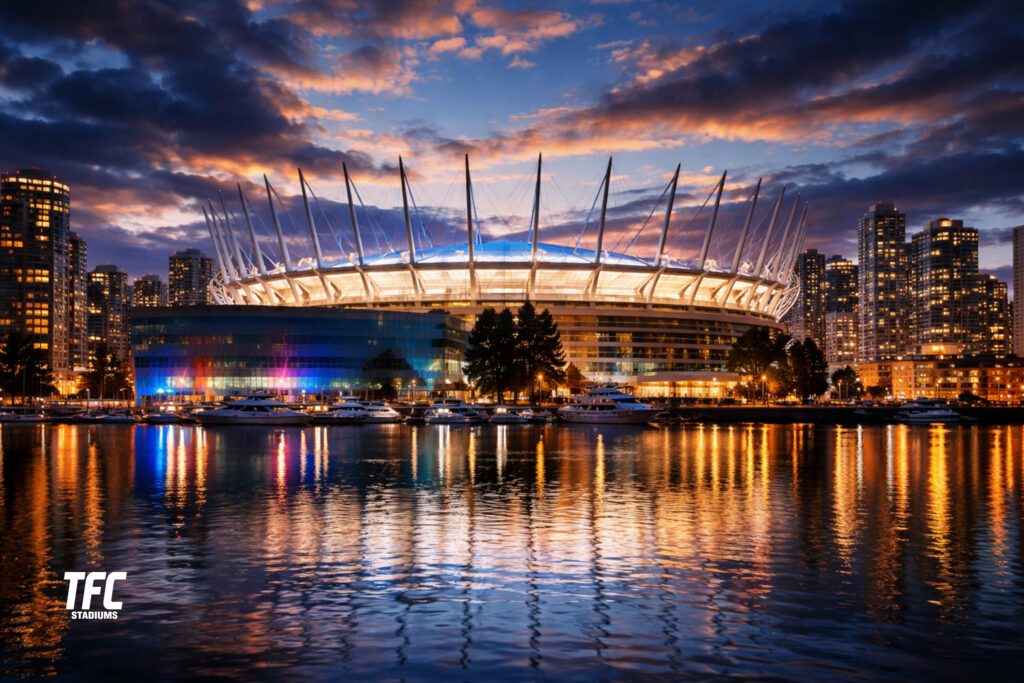
BC Place is a covered, downtown stadium that feels compact despite its size. Sightlines are generally strong, and crowd noise stays trapped inside thanks to the roof.
This is one of the easiest venues for visiting fans, with walkable access from hotels, bars, and public transport. Expect a calm, well organised matchday rather than chaos.
BMO Field, Toronto, Canada (Toronto Stadium)
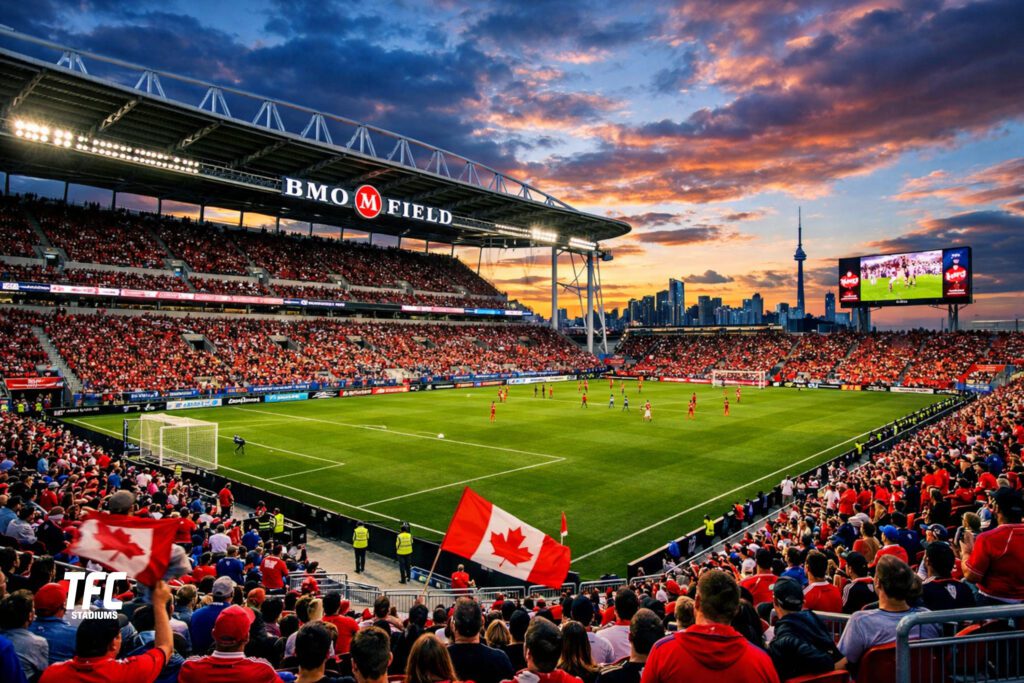
BMO Field is smaller than most venues in the tournament, which works in its favour. Atmosphere builds quickly and the crowd stays close to the pitch.
Weather can be a factor here depending on scheduling, but the stadium’s city location makes it one of the more pleasant stops for fans planning multiple matches.
Estadio Azteca, Mexico City, Mexico (Mexico City Stadium)
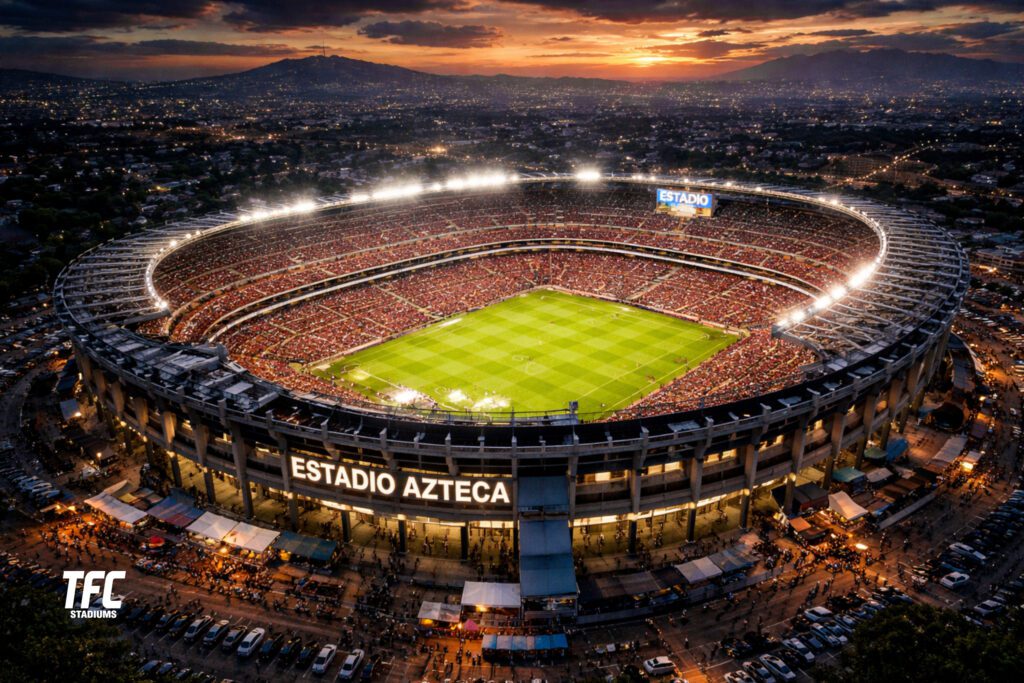
This is the spiritual heart of the tournament. Azteca has hosted multiple World Cup finals and carries a weight few stadiums can match.
Altitude plays a real role here. Matches feel faster, lungs burn sooner, and visiting teams often look uncomfortable late on. For fans, it is loud, emotional, and unapologetically intense.
Estadio Akron, Guadalajara (Zapopan), Mexico (Guadalajara Stadium)
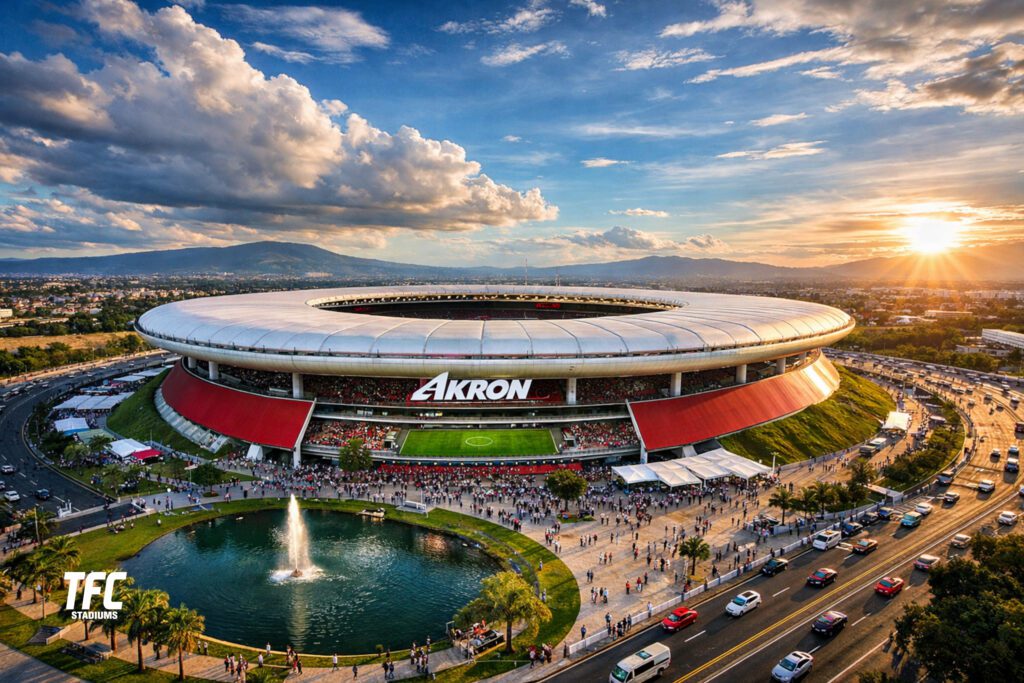
A modern stadium set outside the historic city centre, Estadio Akron offers good sightlines and a cleaner, newer feel than Azteca.
It lacks some of the raw edge of Mexico City, but the atmosphere is still strong, especially for matches involving Latin American teams.
Estadio BBVA, Monterrey (Guadalupe), Mexico (Monterrey Stadium)
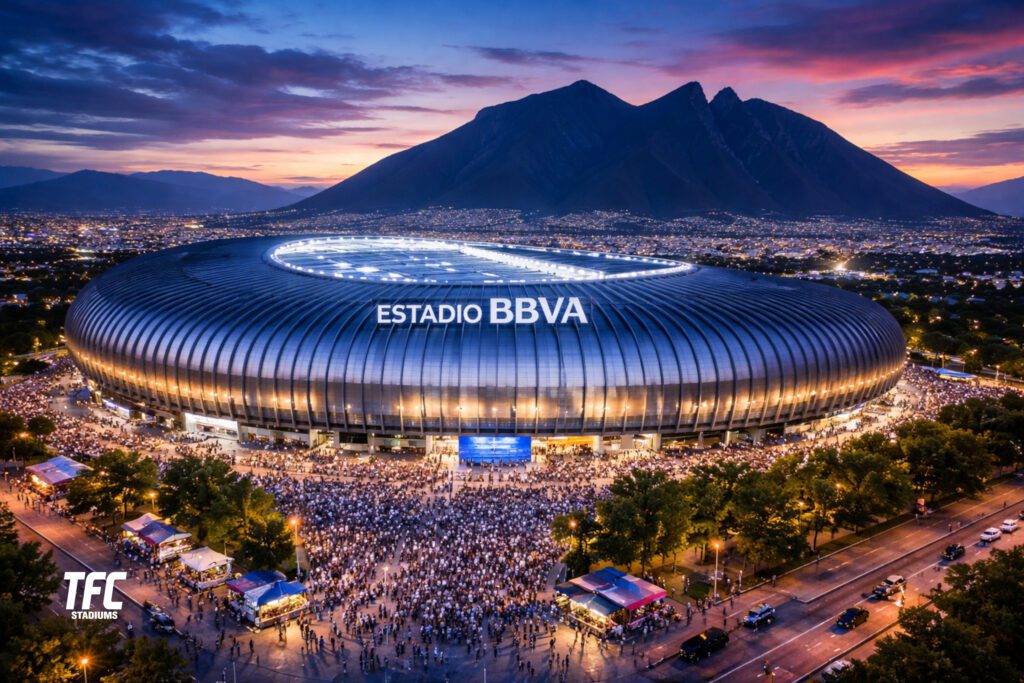
Often praised for its mountain backdrop, this is one of the most visually striking venues in the tournament.
The stadium is modern, open, and loud when full. Heat can be a factor, but the design helps airflow better than older Mexican grounds.
Mercedes Benz Stadium, Atlanta, United States (Atlanta Stadium)
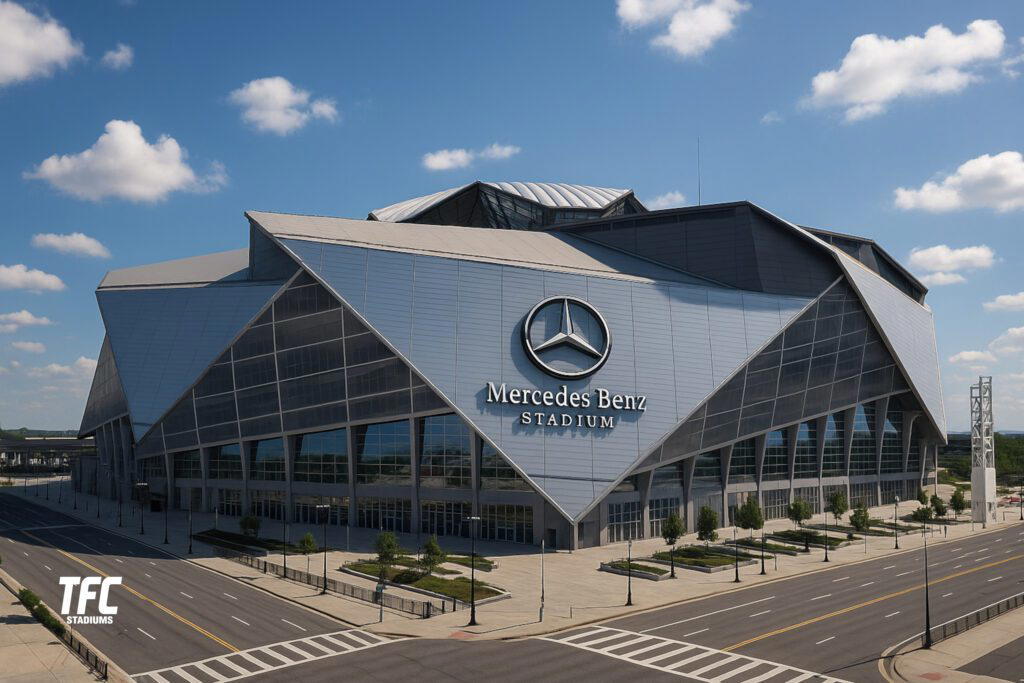
This is one of the most impressive pieces of modern stadium design in the tournament.
The retractable roof and huge video board create a controlled environment that feels more like a major event venue than a traditional football ground. Expect spectacle, comfort, and very clear sightlines.
Gillette Stadium, Boston (Foxborough), United States (Boston Stadium)
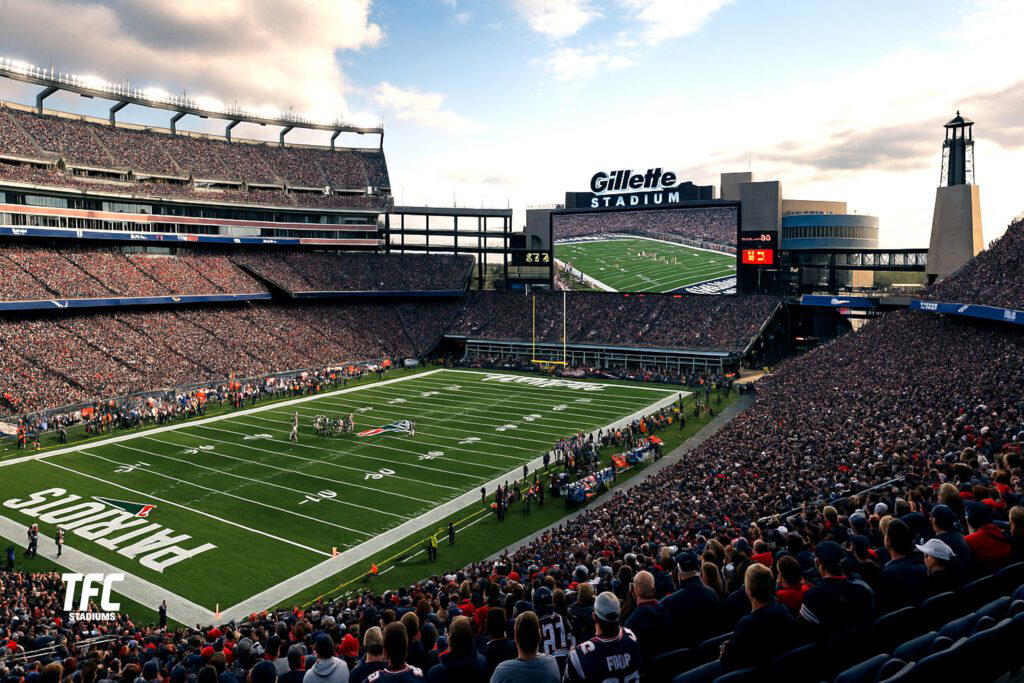
Located outside the city, Gillette feels more suburban than most World Cup venues.
The atmosphere depends heavily on the teams involved, but the stadium handles big crowds well. Travel planning matters here, as it is not a quick hop from downtown Boston.
AT&T Stadium, Dallas (Arlington), United States (Dallas Stadium)
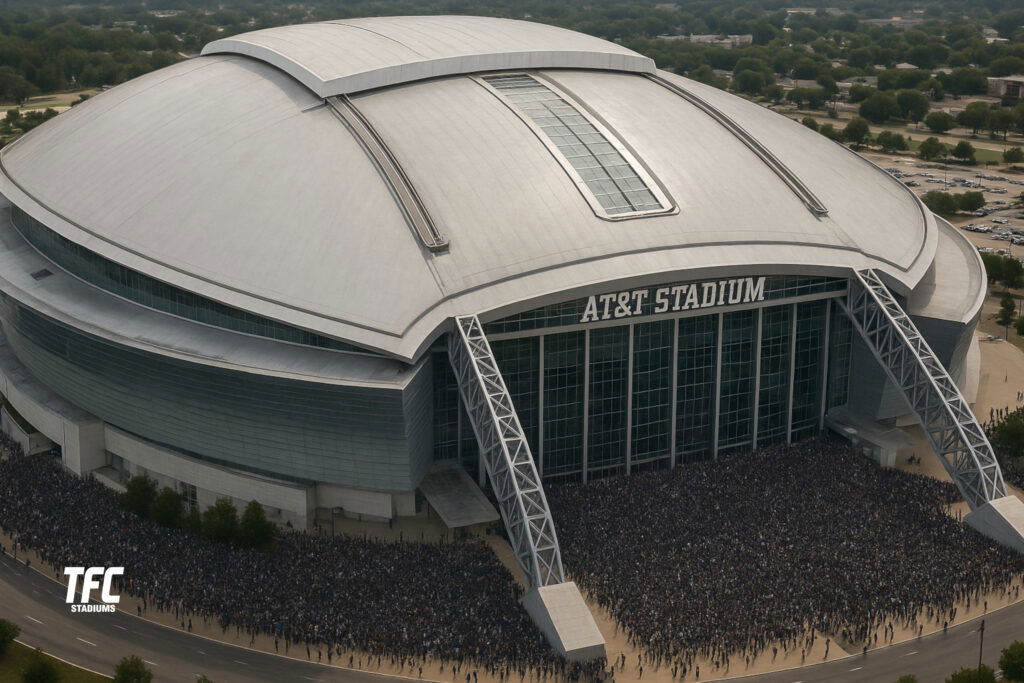
Massive in every sense. This is one of the largest indoor stadiums in the world and it shows.
The field sits far below the stands, creating a bowl effect that suits big occasions. Some fans find it overwhelming. Others love the scale.
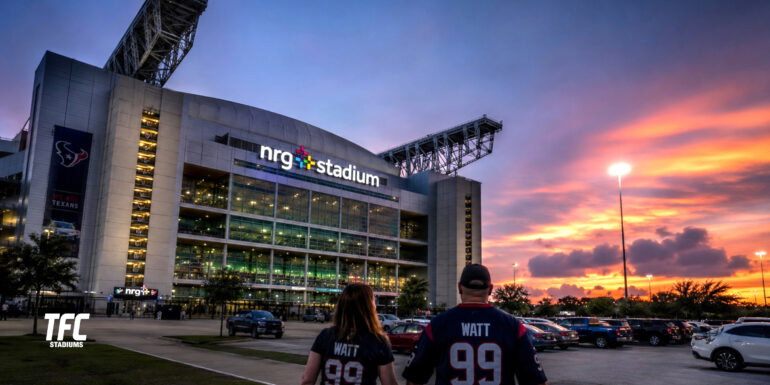
NRG Stadium, Houston, United States (Houston Stadium)
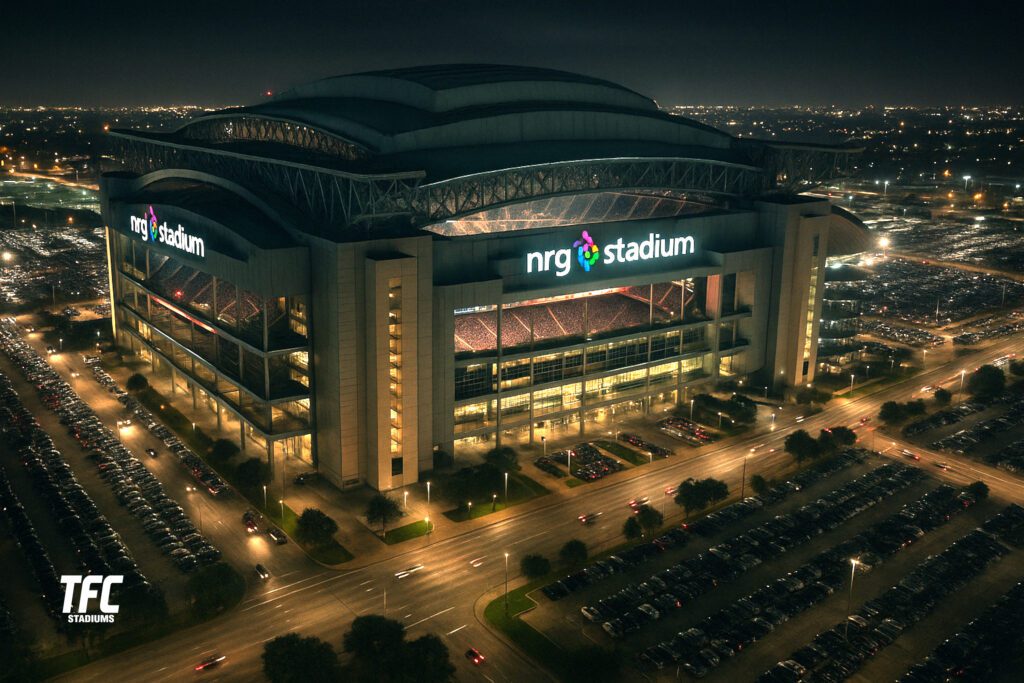
Fully enclosed and climate controlled, NRG Stadium removes weather from the equation entirely.
It delivers consistency rather than romance. You know exactly what kind of matchday you are getting, and that predictability has its appeal during a long tournament.
GEHA Field at Arrowhead Stadium, Kansas City, United States (Kansas City Stadium)
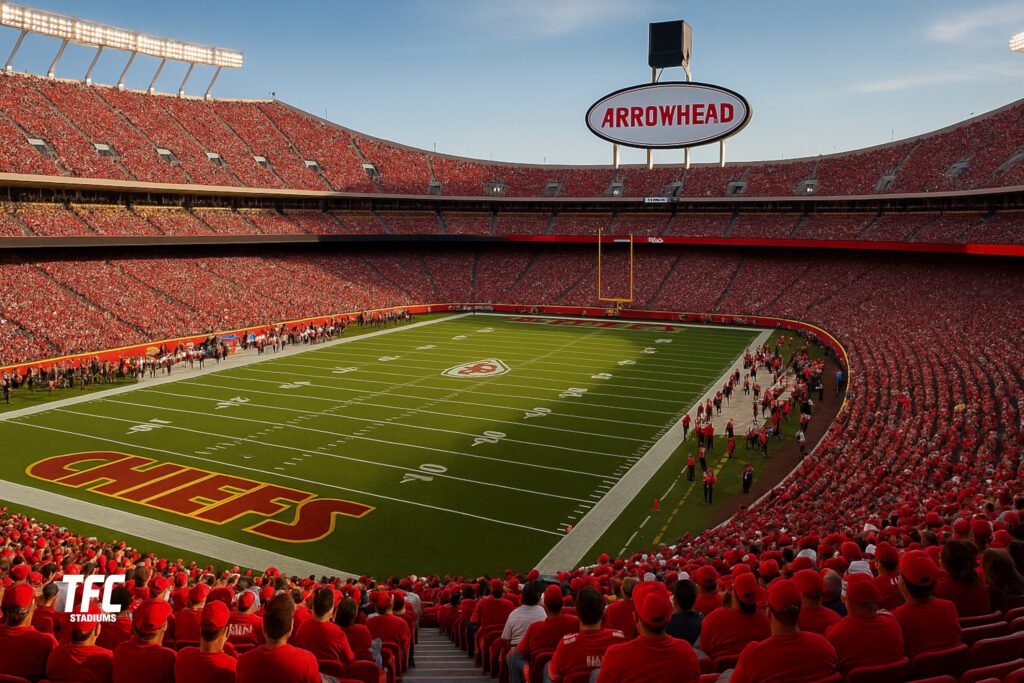
Arrowhead is famous for noise, and football crowds will benefit from that reputation.
This is one of the better venues for atmosphere in the United States section of the tournament, especially if the crowd leans neutral but enthusiastic.
SoFi Stadium, Los Angeles (Inglewood), United States (Los Angeles Stadium)
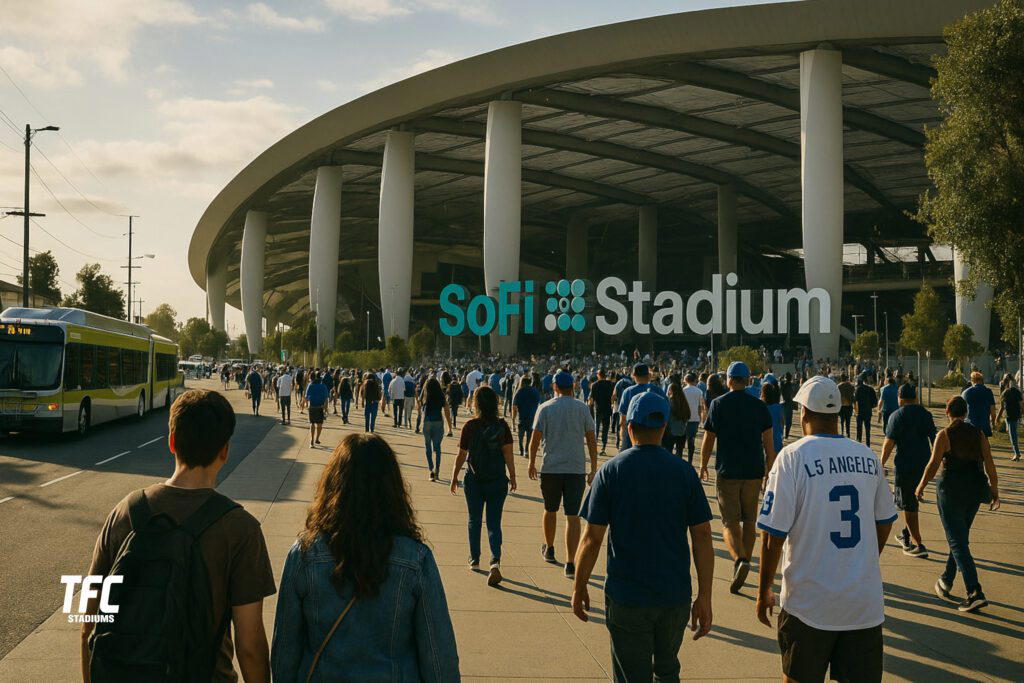
SoFi is sleek, expensive looking, and unapologetically modern.
The semi enclosed design keeps light and airflow while maintaining a controlled environment. Expect premium pricing, celebrity sightings, and very good views from almost everywhere.
Hard Rock Stadium, Miami (Miami Gardens), United States (Miami Stadium)
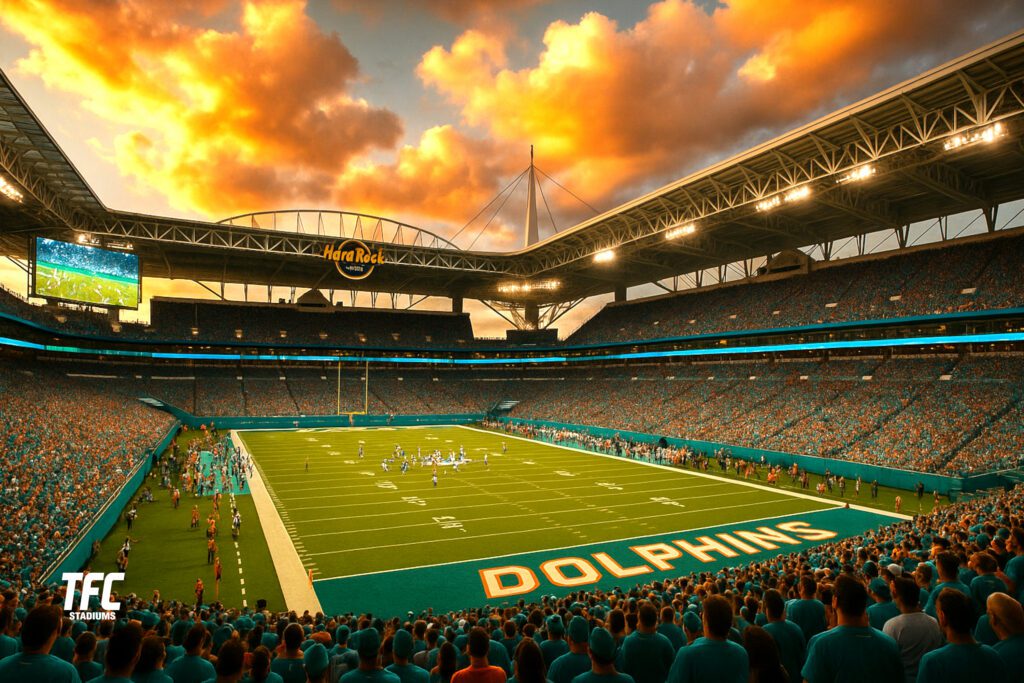
This stadium sits in a climate that can feel unforgiving, especially for daytime matches.
The design includes partial roofing to protect fans from direct sun, but heat and humidity will still shape the experience. Atmosphere tends to rise sharply for knockout games.
MetLife Stadium, New York / New Jersey, United States (New York New Jersey Stadium)
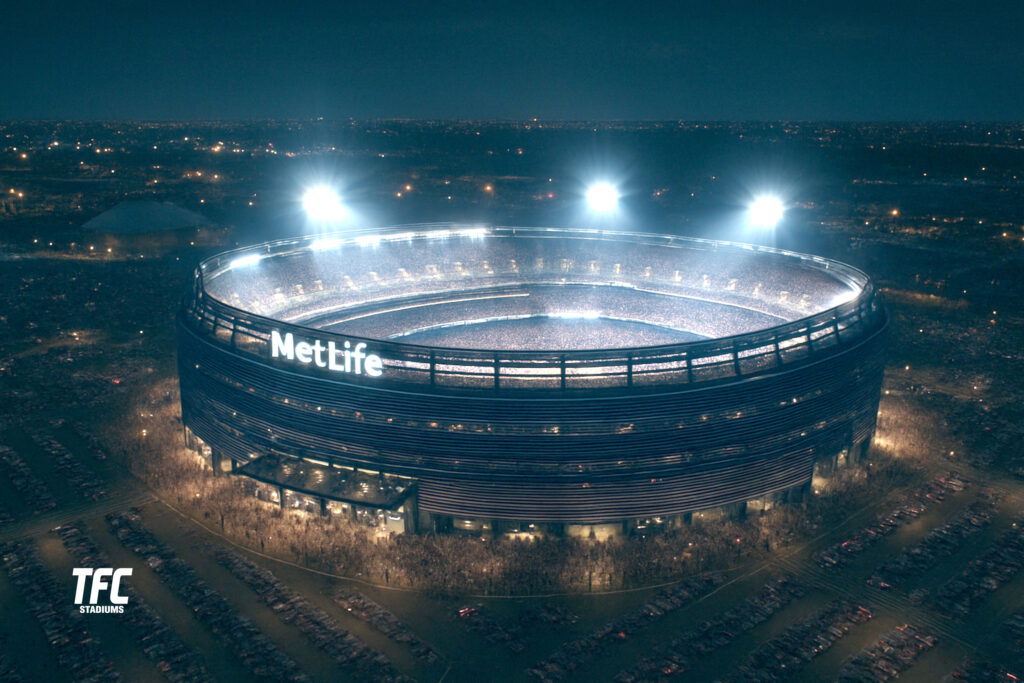
The largest venue in the tournament and likely the focal point for major matches.
MetLife is not the most visually distinctive stadium, but its size creates scale and noise that few others can match. Expect huge crowds and long security lines.
Lincoln Financial Field, Philadelphia, United States (Philadelphia Stadium)
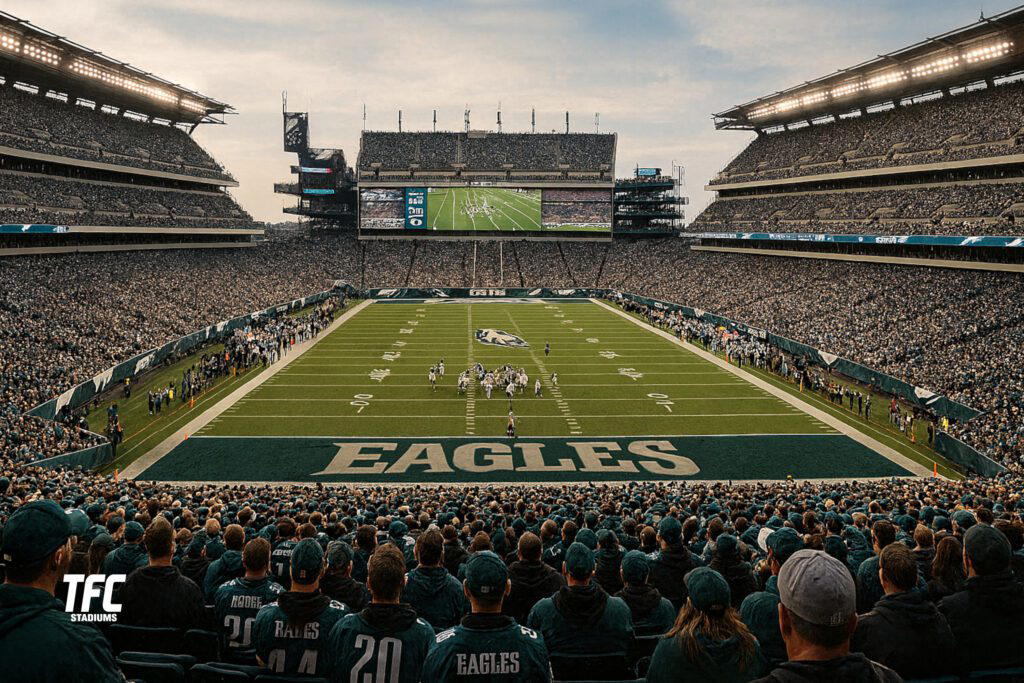
A traditional bowl design that suits football well.
Crowds here tend to be engaged and vocal, even for neutral fixtures. It is one of the more balanced venues in terms of size, atmosphere, and accessibility.
Levi’s Stadium, San Francisco Bay Area (Santa Clara), United States (San Francisco Bay Area Stadium)
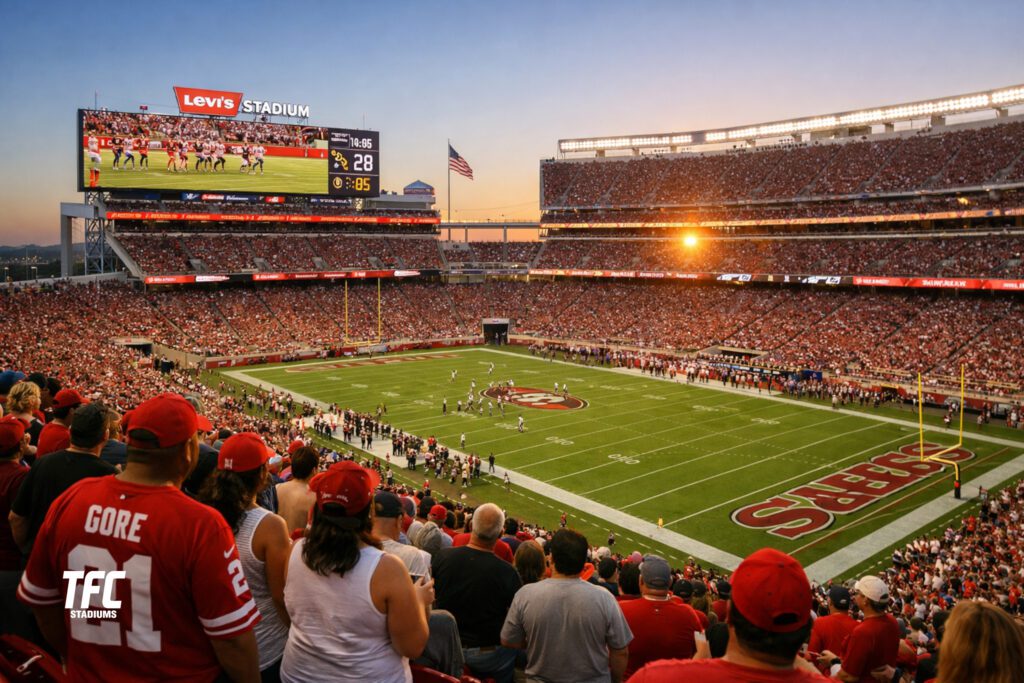
Located closer to Silicon Valley than San Francisco itself, Levi’s Stadium is modern but exposed.
Sun position has been an issue in the past, and kickoff timing matters. When conditions cooperate, the stadium delivers a clean, high quality matchday experience.
Lumen Field, Seattle, United States (Seattle Stadium)
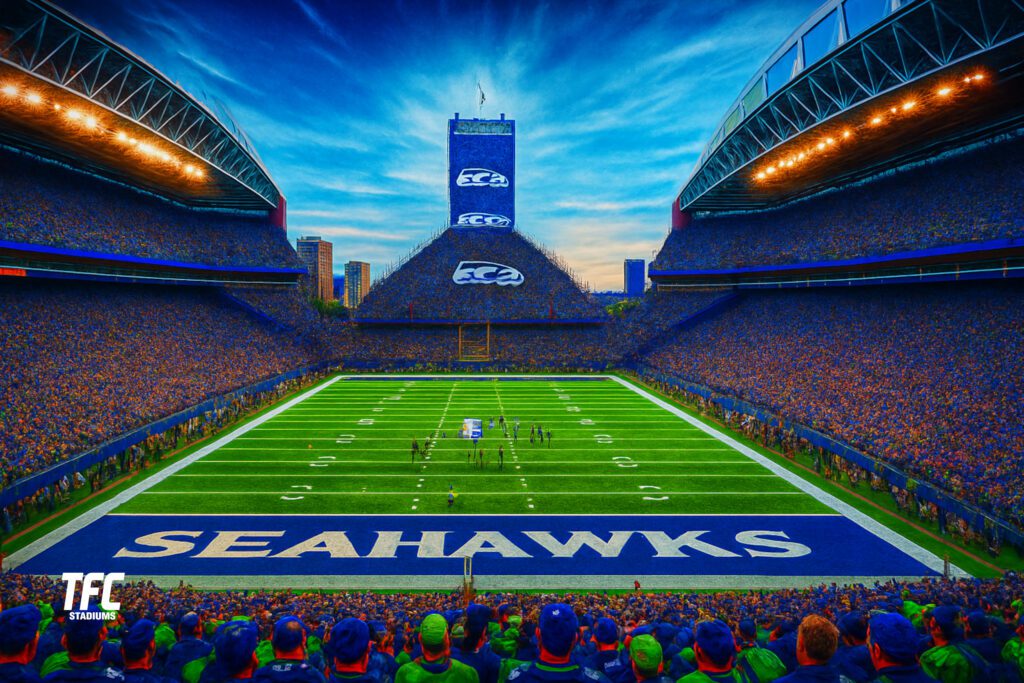
Known for crowd noise and steep stands, Lumen Field is one of the better football stadiums in the United States.
Weather can play a role, but the atmosphere rarely disappoints. This is a strong venue for fans who value intensity over comfort.
How stadium geography shapes the tournament
This is not a tournament where you casually hop between host cities.
Distances are real. Time zones are unavoidable. Altitude in Mexico City changes the game physically, while indoor stadiums in the United States remove weather entirely from the equation.
Smart planning means grouping matches by region rather than chasing teams blindly across borders. Treat it more like a tour schedule than a traditional World Cup itinerary.
Stadium naming and what fans should know
For the tournament, FIFA uses neutral venue names rather than commercial ones. That can confuse first time visitors who expect signage or transport apps to match what they saw on television.
Always double check the physical location of the stadium rather than relying on the tournament name alone. The name may change. The concrete does not.
TFC Takeaway
World Cup 2026 is not trying to feel intimate. It is leaning fully into scale, infrastructure, and spectacle. These stadiums are not just hosting football matches. They are hosting months of travel, planning, and very loud opinions about seating.
If you enjoy variety, big crowds, and cities that know how to handle global events, this tournament is built for you. If you prefer compact host nations and short train rides, this one will test your patience.
Either way, knowing the stadiums is where good planning starts.
About the Author