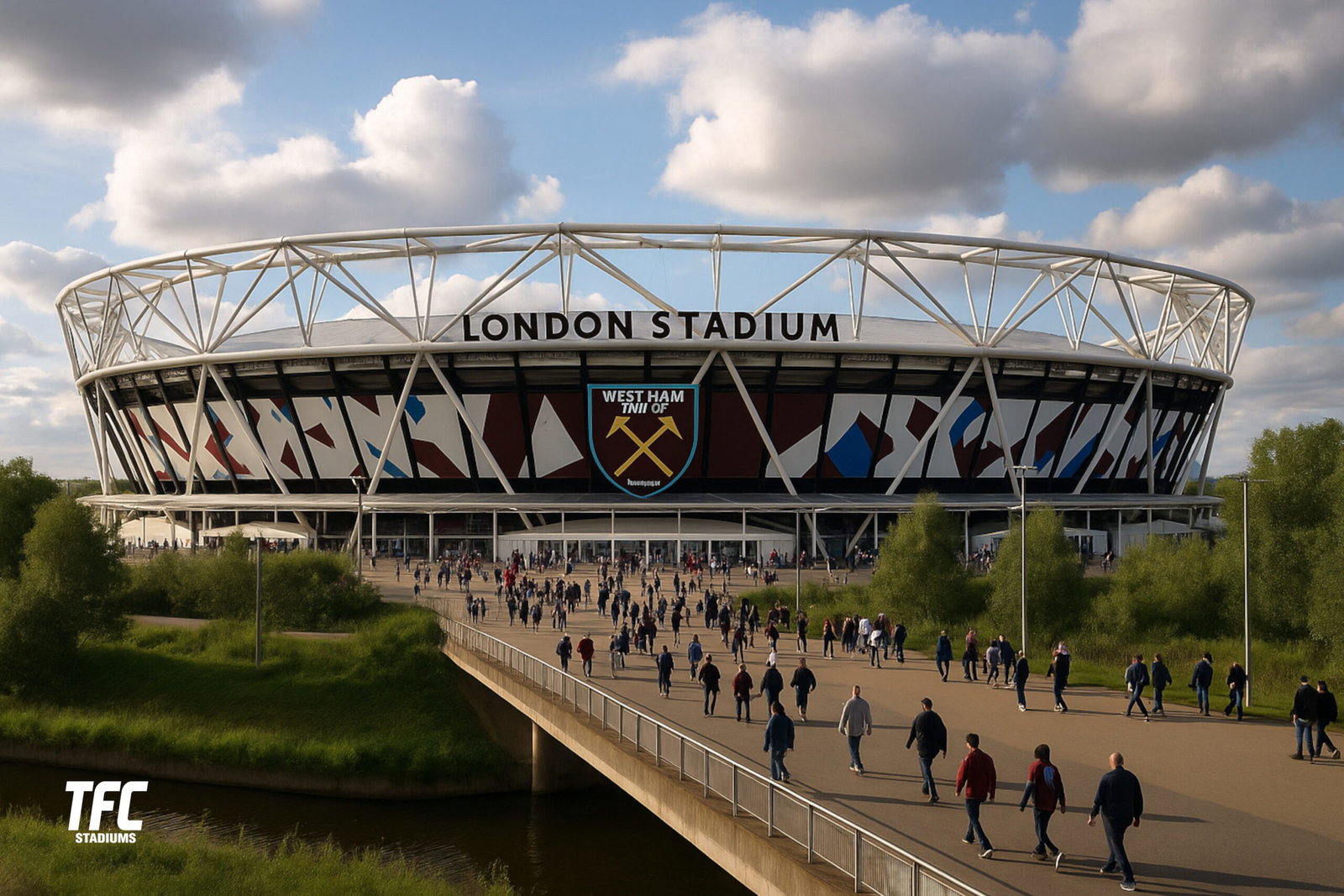
The London Stadium was never intended to be just another Olympic relic. Built for the 2012 Games in Stratford, it has become a pivotal fixture in UK sports infrastructure, both celebrated and contentious. More than a physical venue, it has shifted how large-scale stadiums are viewed in terms of adaptability, fan experience, and sporting diversity.
A Multipurpose Legacy
From the outset, the stadium’s future was shaped by its post-Olympic viability. Unlike other Olympic venues that fall into disrepair, London Stadium was designed with conversion in mind. West Ham United’s relocation in 2016 turned it into a permanent football ground, but it has hosted far more than domestic league matches.
Rugby union, Major League Baseball, athletics meets like the Anniversary Games, concerts, and even esports have all made use of the venue. This cross-sport versatility has made it a blueprint for multipurpose stadiums in the UK, drawing attention from other cities aiming to develop similar dual-use or reconfigurable facilities.
Rethinking the Fan Experience
Criticism around sightlines and atmosphere for football matches has been persistent. The stadium, originally built with a running track, sacrifices intimacy in favour of flexibility. Still, upgrades such as retractable seating have helped narrow the distance between supporters and the pitch.
What London Stadium lacks in traditional football feel, it offsets with its capacity to accommodate over 60,000 fans and its location within a regenerating urban hub. Its proximity to transport links and amenities in the Queen Elizabeth Olympic Park makes it a more accessible and varied matchday experience than many older stadiums.
Financial and Political Ripples
The financial arrangements surrounding West Ham’s tenancy have been divisive. While the club secured a favourable lease, questions about public funding and return on investment have lingered. The stadium’s cost overruns and operating losses sparked political debate, making it a case study in stadium economics.
Yet despite the backlash, it remains one of the most frequently used major stadiums in Europe. Its hosting of global events, ranging from MLB’s London Series to Beyoncé’s Renaissance World Tour, has brought international revenue and visibility.
A New Template for Urban Sport
The stadium’s role in reshaping east London cannot be ignored. It has catalysed development in Stratford, helping transform a post-industrial area into a residential and commercial hub. Unlike suburban or isolated stadiums, it integrates with its surroundings through retail spaces, parkland, and public transport.
For other UK cities, London Stadium presents both inspiration and caution. It proves that multi-use venues can thrive if planned with longevity and adaptability in mind. But it also shows the risks of misaligned expectations between public bodies, sports franchises, and taxpayers.
TFC Takeaway
London Stadium continues to evolve. It may not satisfy purists yearning for the echo of old terraces, but it has expanded what a stadium can offer in the modern era. More than just a ground for sport, it has become a venue for spectacle, shaping how Britain thinks about legacy, scale, and shared civic space.
About the Author