Old Trafford has long been one of the most recognisable football stadiums in the world. Known as the “Theatre of Dreams,” it has hosted countless historic moments in English football. Yet, as the Premier League has grown wealthier and newer stadiums have been built, comparisons between Old Trafford and its rivals have become sharper.
Capacity and Atmosphere
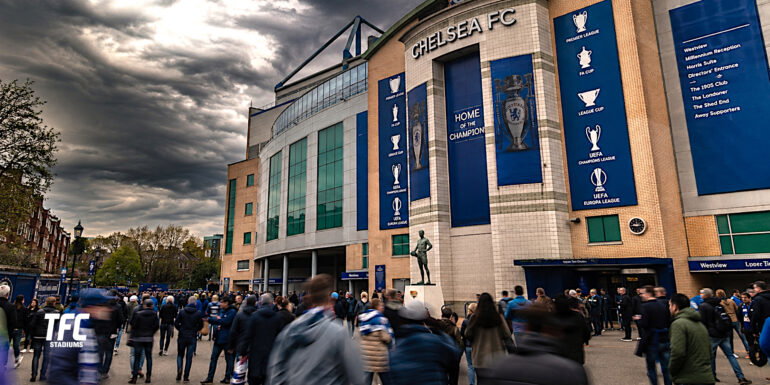
Old Trafford holds around 74,000 supporters, making it the largest club football stadium in England. This gives Manchester United a clear edge in terms of matchday atmosphere and ticket availability, especially when compared to grounds like Stamford Bridge (around 40,000) or the Etihad Stadium (just over 53,000). Only Wembley, used for national team matches and cup finals, is larger within the country.
The sheer size of Old Trafford means noise levels can fluctuate, with sections of the stadium famed for their intensity while other areas feel more subdued. By contrast, smaller stadiums like Selhurst Park or Craven Cottage are praised for consistently tight and lively atmospheres.
Facilities and Modernisation
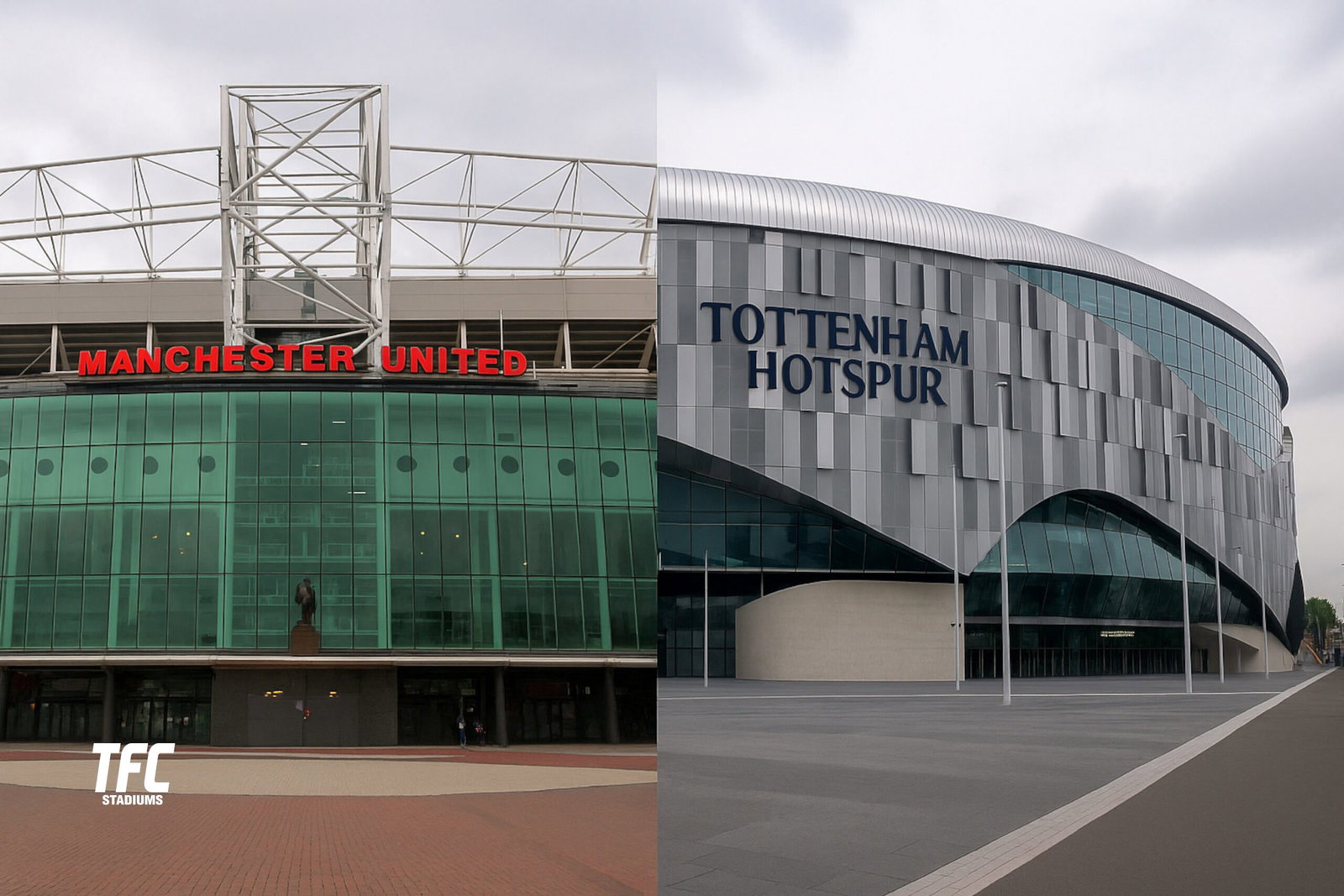
One of Old Trafford’s biggest criticisms is that its facilities have not kept pace with newer grounds. The Tottenham Hotspur Stadium, opened in 2019, is widely regarded as the benchmark for modern football arenas. It combines cutting-edge technology, spacious concourses, and a design tailored to maximise viewing and hospitality. The Emirates Stadium, despite mixed views on atmosphere, is also seen as more modern and comfortable.
Old Trafford still carries a traditional feel, which appeals to many supporters, but outdated infrastructure has led to complaints about cramped concourses, leaks, and limited accessibility compared with rivals.
Location and Matchday Experience
Situated in Greater Manchester, Old Trafford benefits from a strong footballing identity in the surrounding area. Its history and cultural presence mean that a matchday there feels steeped in tradition. However, transport links can be challenging, especially compared with stadiums like the Etihad, which has a dedicated tram stop, or the Emirates, which is connected to several Underground lines.
Some smaller grounds, such as Anfield or St James’ Park, are more embedded within their cities, offering a different type of atmosphere before and after games. Old Trafford’s location, while iconic, does not deliver the same close-knit urban football feel.
Historical Weight
Few stadiums in the Premier League can compete with Old Trafford’s history. From the Busby Babes to the era of Sir Alex Ferguson, the ground is tied to some of football’s most famous stories. While other clubs have rich traditions of their own, Old Trafford remains a global symbol of English football in a way that newer arenas are still building towards.
How It Stacks Up
- Biggest advantage: Capacity and tradition. No other Premier League club ground offers the same scale or weight of history.
- Biggest disadvantage: Outdated facilities compared with modern rivals like Tottenham Hotspur Stadium and the Emirates.
- Competitive edge: Its brand and aura mean that despite flaws, it remains a destination for fans worldwide.
TFC Takeaway
Old Trafford still holds a unique place among Premier League stadiums. It is the largest, one of the most historic, and continues to be central to the identity of English football. Yet the rise of modern stadiums highlights where it has fallen behind. For Manchester United, the challenge is how to preserve its history while upgrading to meet the expectations of today’s supporters.
About the Author