The World Cup is not only a showcase of footballing talent but also of national ambition. Host nations often spend billions to build or rebuild stadiums, hoping to leave behind lasting monuments. Some projects succeed and become cathedrals of the game, others fade into obscurity as rarely used arenas. Below is a timeline of every tournament and the stadiums built for it.
1930 Uruguay
- Estadio Centenario, Montevideo was purpose-built for the first World Cup.
- A concrete colossus at the time, it still stands as a historic venue and is used by Uruguay’s national team.
1934 Italy
- Matches were spread across existing stadiums, including Rome’s Stadio Nazionale.
- No major new stadiums were built solely for the tournament.
1938 France
- France used existing grounds such as Parc des Princes and Stade Olympique de Colombes.
- The tournament did not inspire new construction.
1950 Brazil
- Maracanã, Rio de Janeiro was constructed as the jewel of the tournament.
- It became the world’s largest stadium, capable of hosting nearly 200,000 fans at the time.
- Other venues like Estádio Independência in Belo Horizonte were also upgraded.
1954 Switzerland
- Hosted in small but functional stadiums, with minimal new building.
- Wankdorf Stadium in Bern was upgraded rather than built from scratch.
1958 Sweden
- Used existing grounds such as Råsunda Stadium.
- Little new construction was carried out.
1962 Chile
- Stadium upgrades in Santiago and Viña del Mar after a devastating earthquake.
- No iconic new stadiums emerged.
1966 England
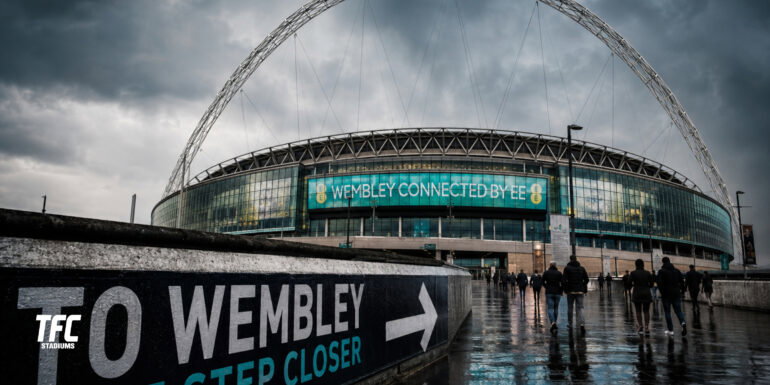
- England leaned on traditional grounds like Wembley, Goodison Park and Old Trafford.
- Stadiums were updated but no entirely new builds for the tournament.
1970 Mexico
- Estadio Azteca was already complete by 1966, so no new venues were required.
- Matches were held in existing large stadiums.
1974 West Germany
- The Olympic Stadium in Munich was a standout, built for the 1972 Olympics but repurposed for the World Cup.
- Other Bundesliga stadiums were modernised.
1978 Argentina
- Monumental Stadium in Buenos Aires hosted the final after major refurbishment.
- New stadiums included Estadio Mario Alberto Kempes in Córdoba.
1982 Spain
- Spain’s tournament relied on existing La Liga venues.
- Renovations were extensive, particularly at Camp Nou and Santiago Bernabéu.
1986 Mexico
- No new builds, reusing 1970 venues with improvements.
- Azteca again took centre stage.
1990 Italy
- Massive investment across the country.
- New builds included Stadio delle Alpi in Turin and Stadio San Nicola in Bari.
- Both later struggled with usage, with Stadio delle Alpi eventually demolished.
1994 USA
- No new builds.
- Matches were staged in vast existing stadiums like the Rose Bowl and Giants Stadium.
1998 France
- Stade de France, Paris was constructed as a new national stadium.
- It remains heavily used for football and rugby, one of the most successful World Cup legacies.
2002 Japan and South Korea
- Dozens of new stadiums across both nations.
- Japan’s Sapporo Dome and South Korea’s Seoul World Cup Stadium were standout builds.
- Some venues became underused after the tournament.
2006 Germany
- Germany focused on renovation with a few new builds.
- Allianz Arena, Munich was the crown jewel, becoming one of football’s most iconic stadiums.
2010 South Africa
- Several new builds including Soccer City (FNB Stadium) in Johannesburg and Cape Town Stadium.
- The calabash-shaped Soccer City became an instant symbol, though Cape Town Stadium has struggled for tenants.
2014 Brazil
- Twelve stadiums either built or completely rebuilt.
- Arena Corinthians, São Paulo and Arena da Amazônia, Manaus were most notable.
- The latter became a controversial white elephant with little long-term use.
2018 Russia
- New stadiums across the country including Saint Petersburg Stadium and Kazan Arena.
- Luzhniki Stadium in Moscow was fully renovated.
- Some venues have struggled to find regular crowds outside the World Cup.
2022 Qatar
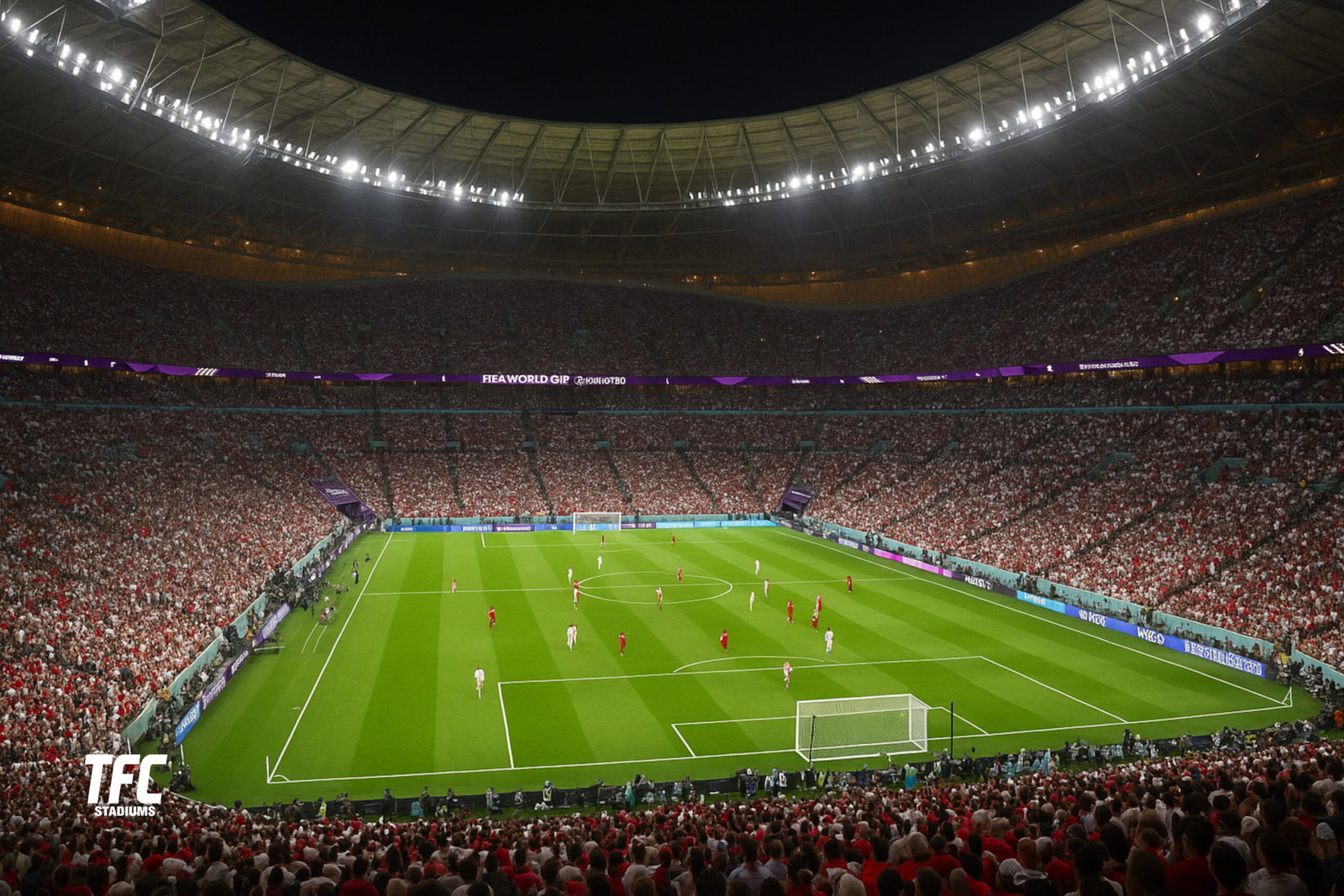
- Entirely new stadium projects, including Lusail Stadium, the final’s venue.
- Advanced cooling technology was used, but long-term sustainability remains uncertain.
- Some arenas are being downsized or dismantled for future use.
Legacy
The story of World Cup stadiums reflects the tension between national pride and practical football needs. Stade de France, Allianz Arena, and Maracanã show how a tournament can leave behind lasting cultural landmarks. Arena da Amazônia and Stadio delle Alpi remind us that short-term spectacle often comes at a long-term cost. Every host hopes their stadiums will become temples of football, but history shows that ambition is not always enough.
About the Author