A Stadium That Carries More Than Games
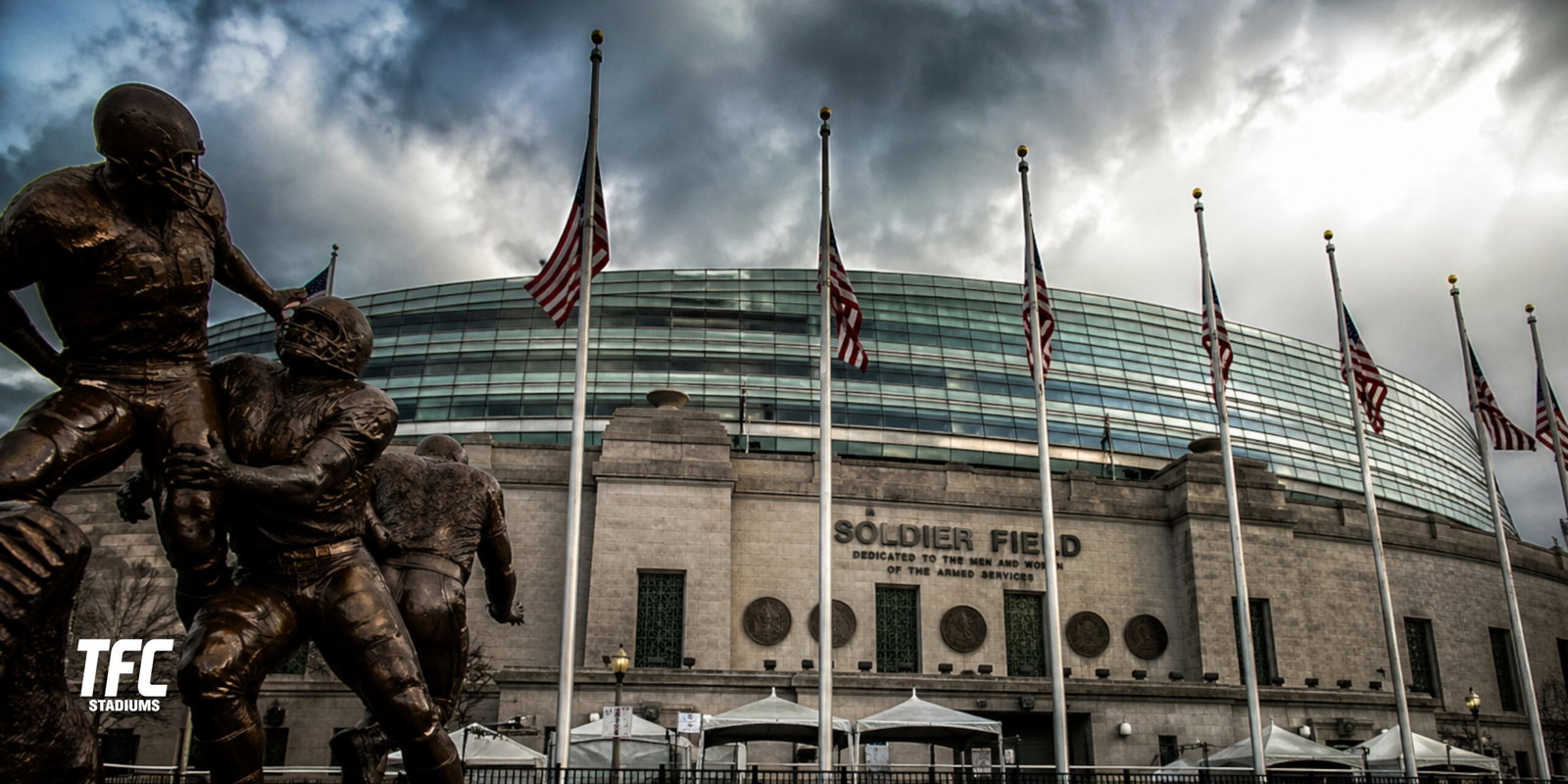
Soldier Field is one of those NFL stadiums that give meaning to the Sport. It sits on the lakefront like a piece of civic pride that refuses to age quietly. Opened in 1924 and rebuilt in 2003, it blends neoclassical columns with a spaceship dropped in the middle. Some people love it, some people think it looks like a USB stick. Both groups keep showing up.
For the Chicago Bears, the building is part home, part headache. It holds history, but it also limits revenue compared to newer NFL venues. That tension sits at the heart of every conversation about the team’s future.
The Business Problem No One Can Ignore
NFL stadiums are not just about seats and sightlines anymore. They are economic engines. Luxury suites, naming rights, year-round events, and surrounding development all matter as much as touchdowns.
Soldier Field lags behind in a few key areas:
- Capacity sits around 61,500, which is small by NFL standards
- Limited premium suites compared to newer stadiums
- Restricted ability to expand due to its landmark status and lakefront location
- Fewer opportunities for large-scale commercial development nearby
Compare that to modern venues that feel more like entertainment districts than stadiums, and the gap becomes obvious. Teams like the Los Angeles Rams turned SoFi Stadium into a multi-billion dollar ecosystem. Chicago is still working with a fixed footprint and a lot of political red tape.
In simple terms, the Bears are leaving money on the table, and in the NFL, that is basically a sin.
Arlington Heights, The Move That Would Not Go Away
For a while, it looked like the Bears were ready to pack up and head to the suburbs. The Arlington Heights site, a former racetrack, offered something Soldier Field cannot, space.
Space means:
- A larger stadium footprint
- Surrounding retail, hotels, and entertainment
- Control over revenue streams
- A chance to design a stadium without compromise
The plan hit friction. Property taxes, infrastructure costs, and political pushback slowed things down. What started as a bold move began to feel like a long negotiation with no clear end.
Still, the idea has not disappeared. It is sitting there, like a half-finished playbook, waiting for the right moment.
Renovation Talk, Can Soldier Field Be Saved
Chicago officials have floated renovation ideas that would keep the Bears downtown. The pitch is simple, modernise the stadium, increase capacity, and upgrade amenities while keeping the lakefront location intact.
Sounds good on paper. The reality is trickier.
Renovation limits include:
- Structural constraints from the existing design
- Preservation rules tied to its landmark status
- Costs that approach new stadium territory without matching long-term revenue potential
You can renovate a house, but at some point you are still dealing with the original foundation. That is the dilemma here.
Fan Loyalty Versus Practical Reality
This is where it gets emotional. Soldier Field is woven into Chicago’s identity. Moving the team risks losing something that cannot be measured in spreadsheets.
But fans also want:
- Better facilities
- Easier access
- A more comfortable game-day experience
Cold truth, nostalgia does not fund roster upgrades. Revenue does. If a new stadium adds millions annually, that money tends to find its way onto the field in one form or another.
Still, there is a line. Move too far from the city, and you risk turning a historic franchise into just another suburban attraction.
The NFL Context, Falling Behind Is Not Neutral
Around the league, teams are upgrading fast. New stadiums are bigger, smarter, and designed for year-round use. They host concerts, college games, even international events.
Standing still is not neutral, it is falling behind.
The Bears sit in one of the largest markets in the league. From a business perspective, they should be leading, not trying to catch up.
What Happens Next
The most likely outcome is not a dramatic overnight move. It is a slow grind of negotiations, proposals, and political theatre.
Three realistic paths:
- Stay at Soldier Field with a major renovation
- Move to Arlington Heights with a fully private development push
- Find a hybrid solution that keeps ties to the city while expanding revenue elsewhere
Each option comes with trade-offs. None of them will make everyone happy.
TFC Takeaway
The Bears are at a fork in the road. One path leans into history, the other leans into modern economics. Both have consequences.
If you strip away the politics and sentiment, the question becomes simple. Do the Bears want to preserve a landmark, or build something that matches the scale of the modern NFL?
Somewhere in Chicago, that decision is being debated in boardrooms and city offices. Meanwhile, fans just want wins, a warm seat in December would not hurt either.
And if you ask me, if the hot dog is still good and the defence still hits hard, people will show up. Stadium or not.
About the Author