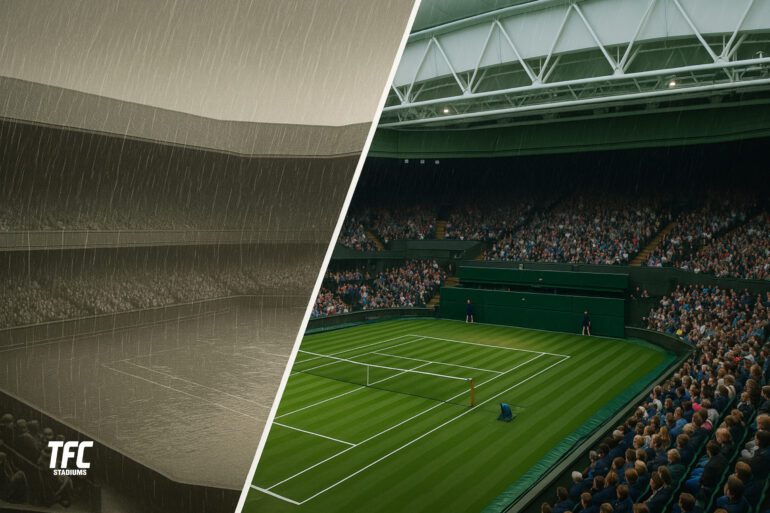
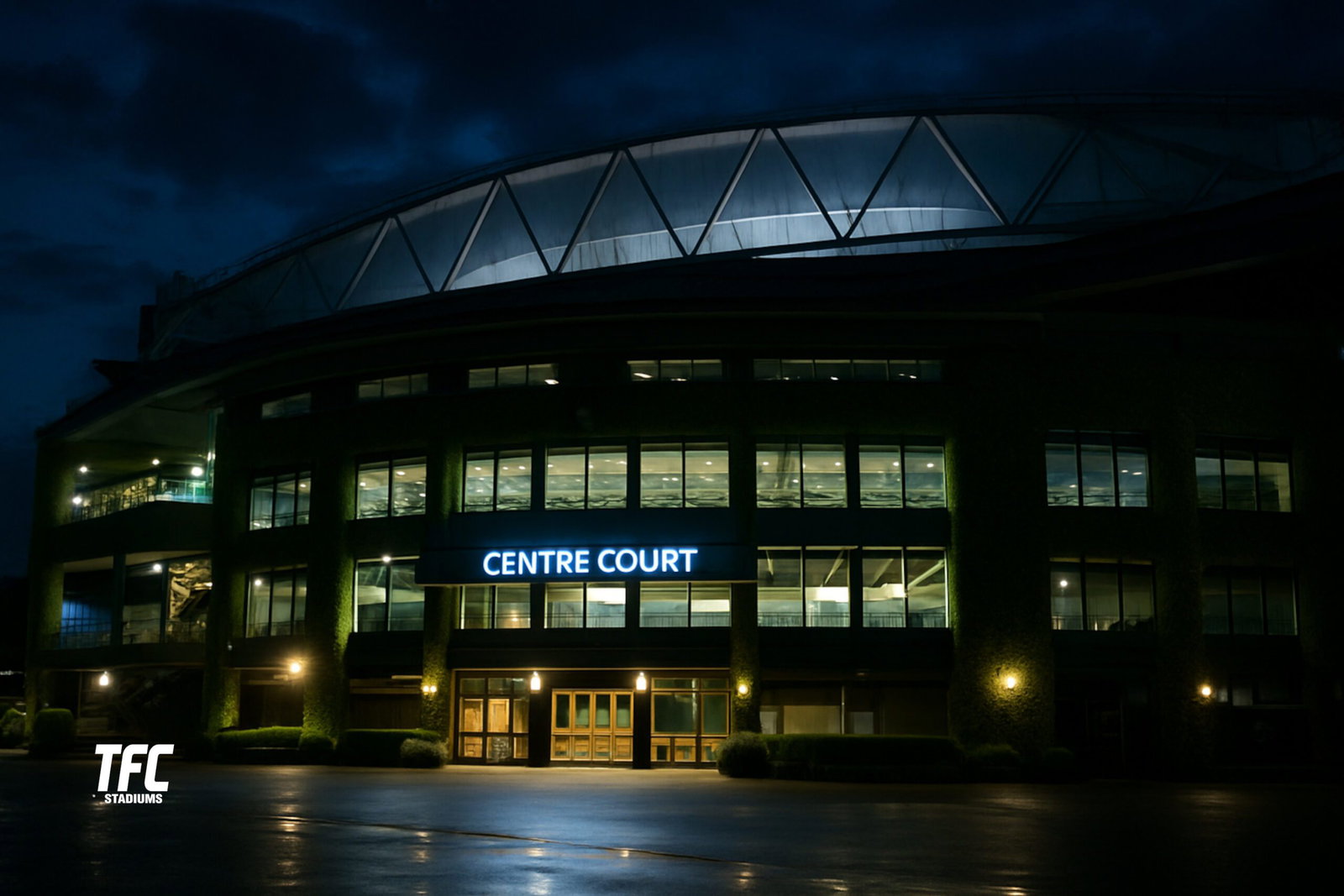
Wimbledon’s Centre Court has always carried a certain aura. With its ivy-clad walls, royal box, and hushed reverence from the crowd, it stands as the most iconic tennis arena in the world. But in recent years, a new atmosphere has taken hold. As the sun sets and the lights come up, Centre Court becomes something else entirely. Night sessions at Wimbledon have added a fresh kind of drama, one shaped by tension, shadow, and spectacle.
The Shift to Evening Play
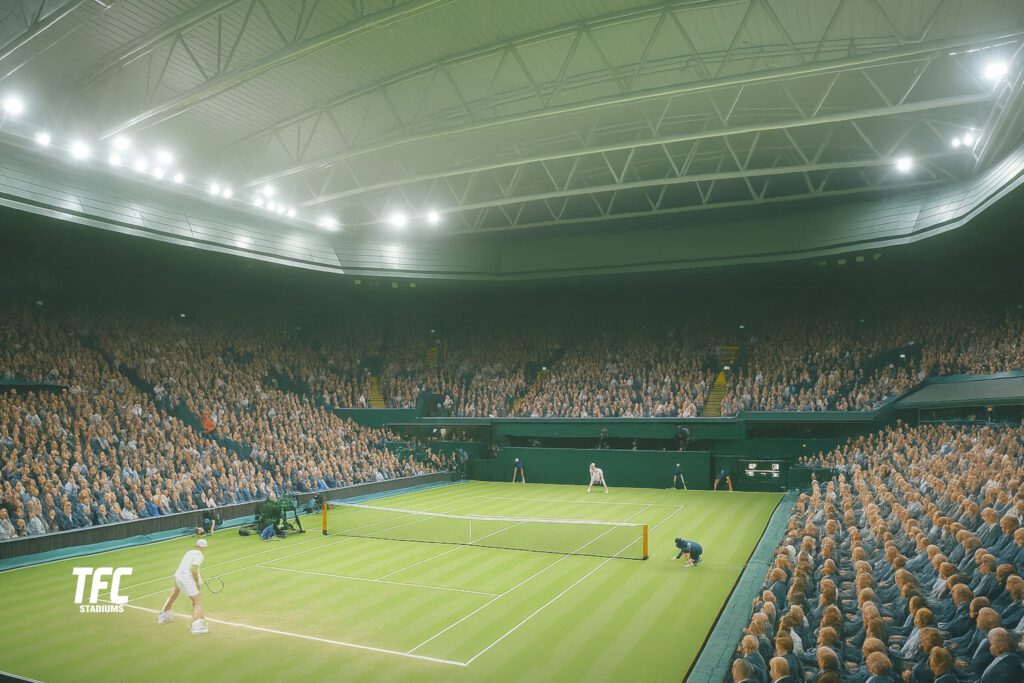
Traditionally, play at Wimbledon has been governed by the British summer’s daylight hours. That changed with the completion of the retractable roof in 2009 and the addition of floodlights. These upgrades allowed matches to continue long into the evening, ensuring the completion of high-profile contests even in fading light. What began as a contingency has since become a feature.
Night sessions were never officially marketed in the way the US Open or Australian Open have embraced them. Yet the allure has grown organically. Television audiences have swelled, and fans in the stadium speak of an atmosphere that feels more intense and emotionally charged.
Atmosphere Under the Lights
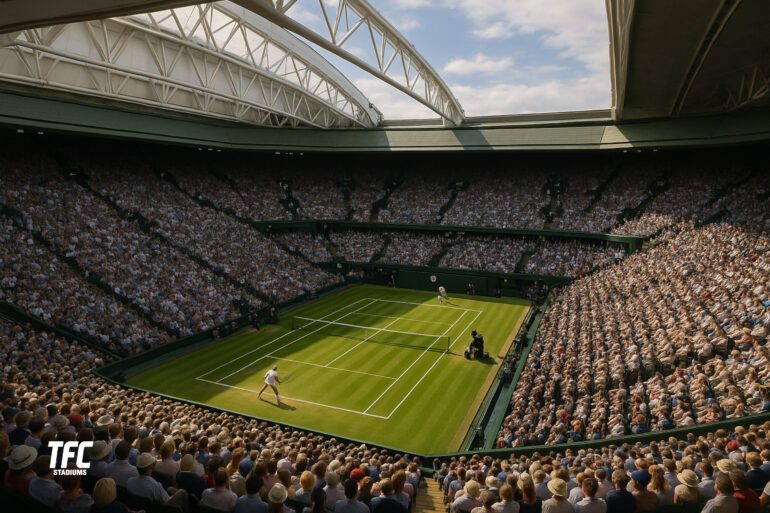
What makes Centre Court at night so different? Part of it is visual. The green of the grass appears darker, the players are cast in sharp relief under focused lighting, and the crowd, though still polite, seems more restless. There is a cinematic quality to the scene.
The sounds shift too. With the roof closed, the court becomes a chamber. Cheers echo more sharply, gasps feel amplified, and every ball strike reverberates. Matches played under these conditions have taken on a heightened emotional tone. Think of Andy Murray’s late finishes or Novak Djokovic’s tense duels—suddenly the court feels like a crucible.
Scheduling and Controversy
Despite the appeal, night play has sparked debate. Some players have voiced concern over late finishes disrupting routines. Matches that stretch past 10pm, while rare, can compromise recovery times and preparation for future rounds. Others argue that it adds a physical and mental edge that tests the best.
Wimbledon organisers have also been cautious. Unlike other Grand Slams, Wimbledon remains a day-focused tournament at its core. There are no separate night tickets or planned evening-only sessions. This deliberate restraint preserves the tradition, while still allowing for flexibility when the schedule demands it.
Memorable Moments After Dark
Several matches have already cemented the legacy of Centre Court at night. Rafael Nadal’s epic with Juan Martín del Potro in 2018, or the gripping 2022 quarter-final between Novak Djokovic and Jannik Sinner, were shaped by the late hour. The lighting, the closed roof, the escalating pressure—all contributed to performances that felt elevated.
It’s not just about the tennis. The spectacle under the lights has begun to take on cultural significance. Wimbledon at night carries an aura more commonly associated with stadium concerts or theatre. There is tension, drama, and, occasionally, catharsis.
Tradition Meets Modernity
Wimbledon’s charm has always come from its sense of continuity. But Centre Court at night represents a quiet evolution. The drama doesn’t replace the traditions of strawberries, grass courts, and white attire—it complements them. In an age when the sport is competing with streaming platforms, global time zones, and shifting fan habits, night sessions give Wimbledon a new rhythm.
This is not a reinvention, but a subtle expansion of what makes Wimbledon unique. The daytime prestige remains. But under the lights, something else comes alive: tennis as theatre, drama in slow burn, and Centre Court as a stage where legends are cast not in sunshine, but in shadow.
About the Author