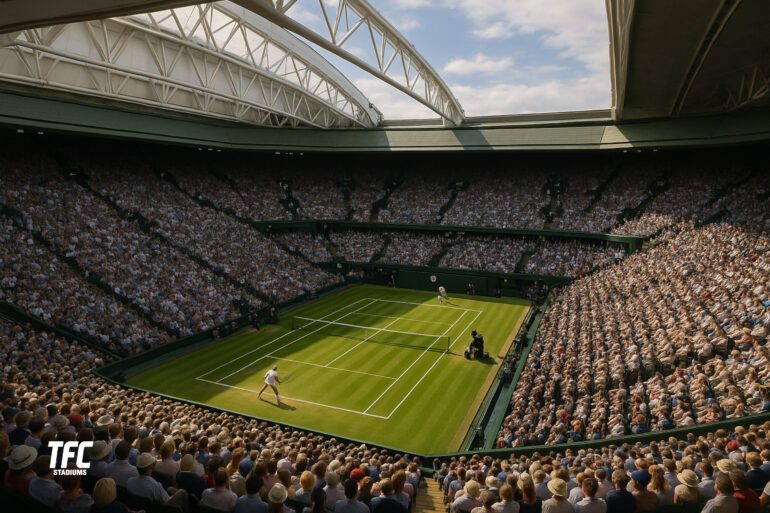
Wimbledon is more than just a tennis tournament. It has grown into a global symbol of prestige, tradition, and British sporting identity. While its roots lie firmly in the manicured grass of Centre Court, its influence stretches far beyond the baseline, touching cinema, fashion, advertising, and even music. This article explores how Wimbledon has left its mark on popular culture and continues to shape the way the world views tennis.
Wimbledon in Film and Television

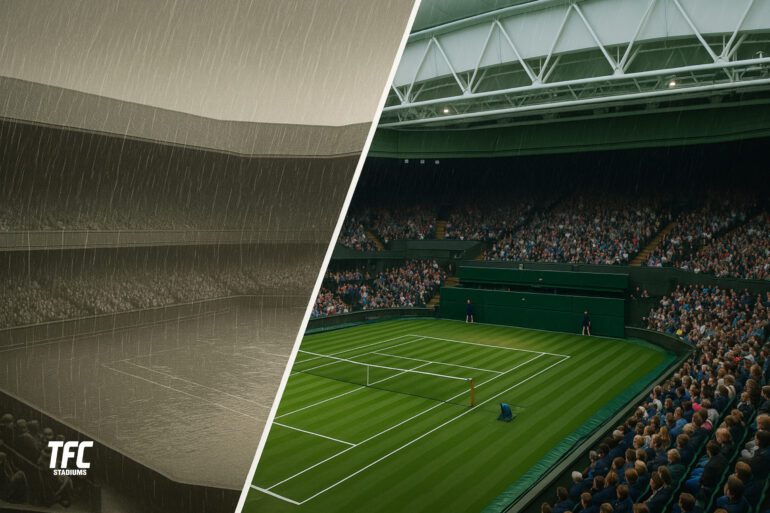
Few sporting events lend themselves to cinematic portrayal as naturally as Wimbledon. The tournament’s traditions, rain delays, strawberries and cream, and iconic white dress code make for a distinct setting.
- “Wimbledon” (2004) starring Paul Bettany and Kirsten Dunst was a romantic comedy that used the tournament as both backdrop and plot engine. While not a critical success, it captured a certain cultural fascination with the tournament’s elite mystique.
- Wimbledon has also featured in various British television series such as The Crown and Absolutely Fabulous, where it serves as a shorthand for class, summer, and national pride.
- Broadcasts themselves have become iconic. The BBC’s long-standing coverage, often accompanied by David Attenborough’s early nature shorts or Sue Barker’s commentary, is as much a summer staple as the matches themselves.
Music, Style, and Celebrity
Wimbledon has always attracted a particular kind of glamour. From Grace Kelly and Elizabeth Taylor in the Royal Box to Beyoncé and David Beckham in more recent years, celebrity presence has helped elevate the tournament beyond the realm of sport.
- Artists like Drake and Jay-Z have name-dropped Wimbledon in lyrics, while British indie bands often allude to it as a cultural marker.
- The tournament’s strict all-white dress code has also become a fashion reference point. Designers like Ralph Lauren, who has outfitted Wimbledon officials since 2006, have used the occasion to blend sport and classic style. Tennis whites have influenced summer collections and high-street fashion alike.
Advertising and Brand Power
Wimbledon’s image has become highly marketable. Brands are eager to be associated with its sense of class, discipline, and history.
- Rolex, Evian, Jaguar, and Pimm’s are among the most prominent sponsors, each aligning their identity with Wimbledon’s tradition and refinement.
- Campaigns often lean on the emotional resonance of Wimbledon moments, from Andy Murray’s 2013 victory to Federer’s dominance, tapping into shared nostalgia and aspiration.
- The tournament’s minimalist aesthetic and premium feel also make it distinct from louder, more commercialised events in the sporting calendar.
Memorable Moments that Transcended Sport
Several key moments at Wimbledon have broken through the boundaries of tennis fandom and entered broader cultural consciousness.
- Björn Borg’s cool silence, John McEnroe’s “You cannot be serious,” and Serena Williams’ dominance have each become cultural shorthand for their eras.
- Andy Murray’s emotional loss in 2012, followed by his triumph a year later, resonated deeply with the British public, blending national identity with individual perseverance.
- The 2010 Isner vs Mahut match, which lasted over 11 hours, became a talking point far beyond the tennis world, spawning sketches, tributes, and even museum exhibits.
A Symbol of British Summer
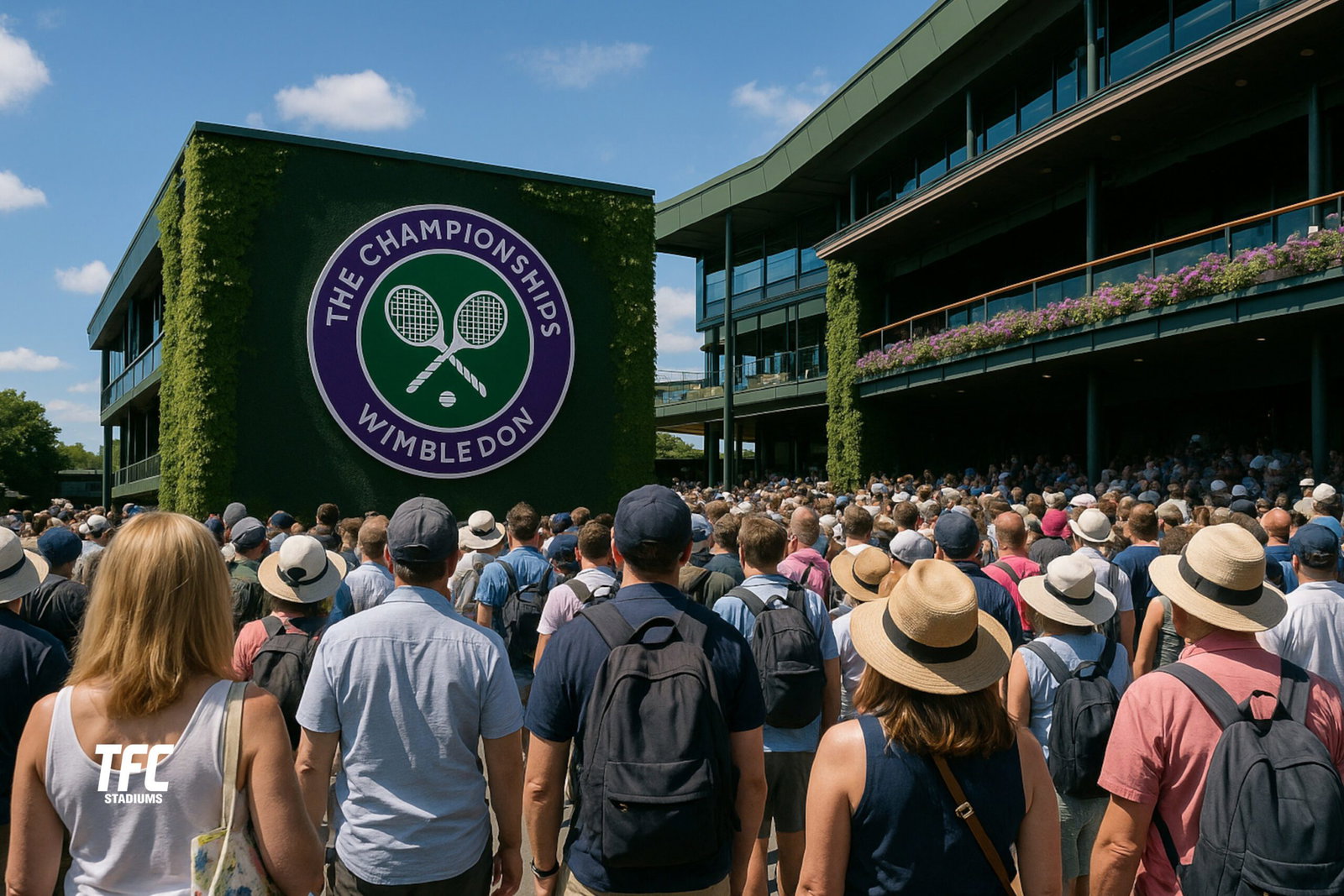
Wimbledon is a ritual. Its fixed place in the calendar, the strawberries, the queue, the occasional drizzle, and the global media attention make it a pillar of British summer. For many, it is as essential as Glastonbury, the Proms, or Test cricket at Lord’s.
This cultural embeddedness ensures that Wimbledon remains more than a sports event. It is a living part of the British psyche and a recognisable global brand. Whether you’re a lifelong tennis fan or just tuning in for the final, it’s almost impossible not to feel its presence.
Conclusion
Wimbledon has transcended its origins to become an enduring cultural icon. It is a place where tradition meets spectacle, where history is written with every rally, and where sport, fashion, celebrity, and storytelling all converge. Its role in popular culture continues to evolve, but its identity remains unmistakable: timeless, elegant, and unmistakably British.
About the Author