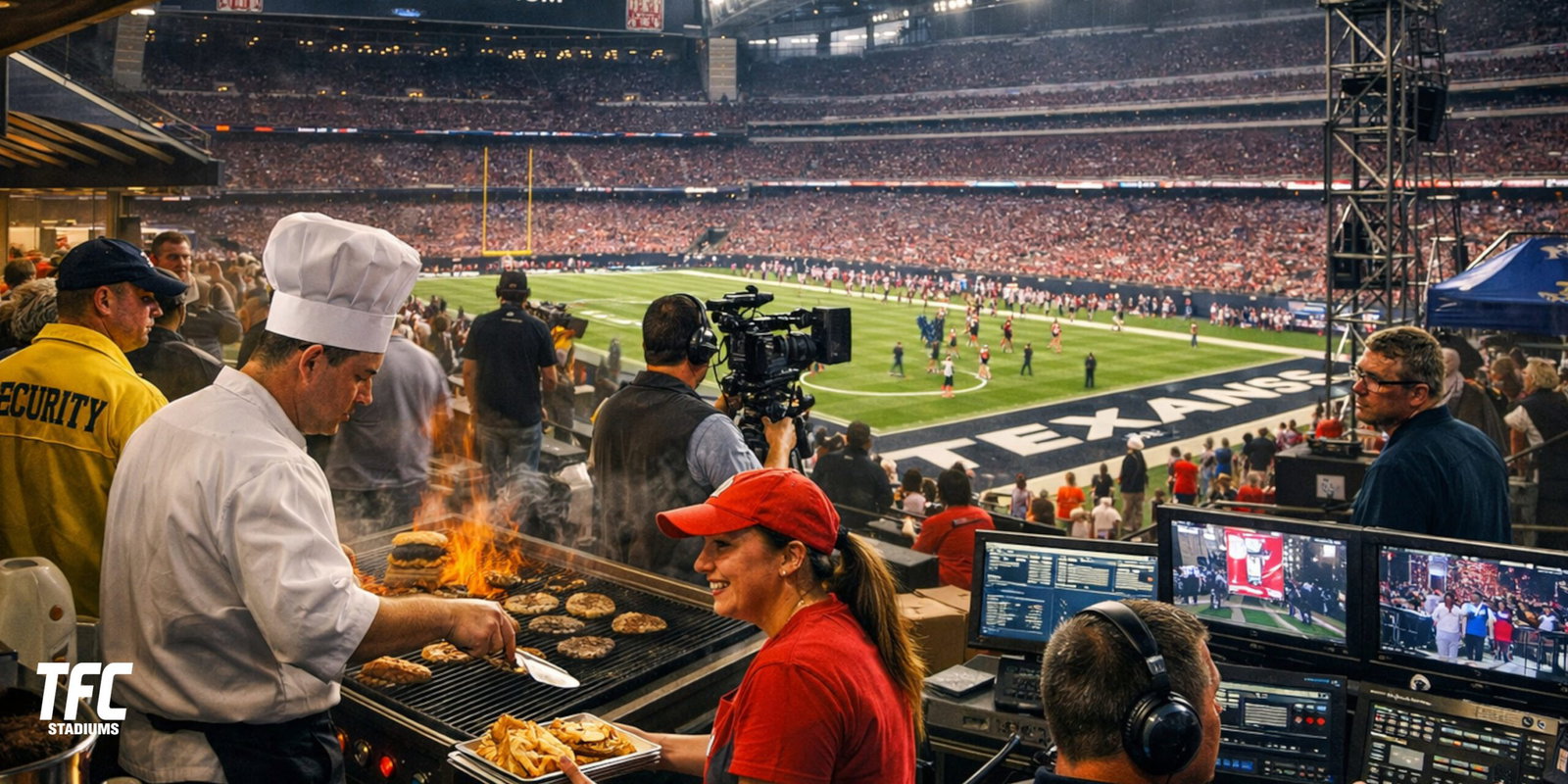
NRG Stadium does not just host games. It quietly runs a small economy. On Sundays it feels like a football cathedral. The rest of the week it behaves more like a logistics hub, an events factory, and occasionally a very large air conditioned village. From concession stands to corporate offices, the stadium and the wider NRG Park complex support thousands of jobs, many of them invisible until you stop and count the moving parts.
This is not a puff piece. Big stadiums promise jobs. Some deliver more than others. NRG Stadium sits closer to the honest end of that spectrum, mostly because it is rarely idle.
Game Day and Event Staffing
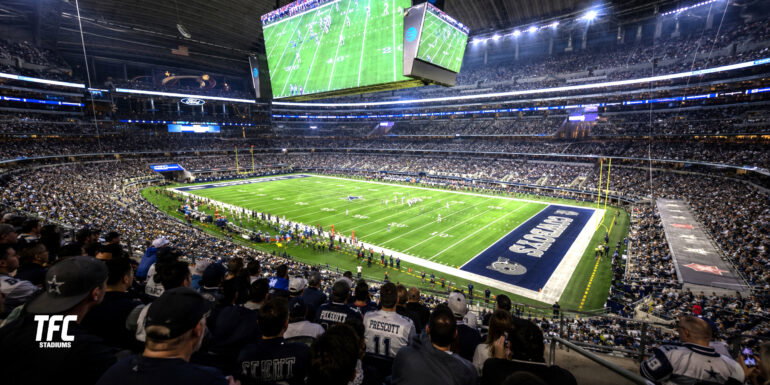
Start with the obvious. Every NFL game brings a small army to work, many on part time or event contracts. Ushers, ticket scanners, security staff, parking attendants, cleaners, medics, broadcast crews, caterers. If you have ever wondered how 70,000 people manage to enter, eat, drink, shout, spill beer, and leave without the place collapsing into chaos, the answer is labour.
On a typical Houston Texans home game, several thousand people are working inside and around the stadium. Some are seasonal. Some work nearly every major event across the year. For many locals, especially students and second income households, this is flexible work that fits around real life. It is not glamorous, but it pays bills and keeps the lights on.
Full Time Operations and Management Roles
Away from the noise, NRG Stadium supports a core workforce that keeps the building alive year round. Facilities management, grounds and turf specialists, IT teams, booking and events staff, marketing, finance, human resources, compliance, and operations managers.
This is where the stadium stops being a sports venue and starts looking like a mid sized corporation that happens to have a retractable roof. These roles tend to be stable, salaried, and locally based. They also scale up during major events like playoffs, international matches, or large conventions.
Stadiums that sit empty most of the year struggle to justify this layer. NRG Park does not have that problem.
Concessions, Catering, and Hospitality
Food is where job numbers quietly explode. Concessions are labour heavy by design. Bars, kitchens, mobile vendors, premium lounges, and hospitality suites all require staff before, during, and after events.
Beyond matchdays, NRG Stadium hosts concerts, rodeos, conventions, and private functions. Each one pulls in catering crews, hospitality managers, chefs, service staff, and logistics teams. The Houston Livestock Show and Rodeo alone supports a huge temporary workforce, turning the complex into something closer to a small town with deep fryers.
This is not Michelin star territory. It is volume. Volume creates shifts. Shifts create jobs.
Security, Safety, and Event Services
Modern stadiums run on risk management as much as sport. NRG Stadium employs or contracts security teams, surveillance operators, emergency response staff, crowd control specialists, and coordination roles that link into city police and fire services.
These jobs have grown over time, not shrunk. As events become larger and more complex, the staffing requirements increase. It is not just about stopping trouble. It is about preventing it, planning for it, and reacting quickly when something goes wrong. That means trained people, not just high visibility jackets.
Indirect Jobs and the Local Economy
Here is where the numbers become harder to pin down but more interesting. Hotels, bars, restaurants, transport services, merchandise suppliers, cleaning contractors, staging companies, and temporary labour agencies all benefit from the stadium’s event calendar.
NRG Stadium does not sit in isolation. It feeds work into the surrounding area and across Houston. When major events roll in, so do out of town visitors, and they spend money in places that are not owned by the stadium. Those jobs count too, even if they never appear on a press release.
This is the multiplier effect cities like to talk about. Sometimes it is exaggerated. In this case, it is very real.
Construction, Upgrades, and Long Term Investment
Stadiums are never finished. NRG Stadium has gone through multiple renovation cycles, technology upgrades, and infrastructure improvements. Each one brings construction jobs, engineering contracts, specialist trades, and consultancy work.
These are not permanent roles, but they are recurring. Big venues age in public. That forces investment. Investment creates work. It is not flashy, but it is steady.
The Bigger Picture
NRG Stadium does not magically fix employment issues. No stadium does. What it does offer is scale, consistency, and variety. Entry level event work sits alongside skilled technical roles and long term management careers. Some people stay for a season. Others build a decade long working life around the venue.
From a jobs perspective, that balance matters. It spreads opportunity rather than concentrating it in one narrow band.
And yes, if you are wondering, all of this exists because people really like watching football indoors in Houston heat.
About the Author