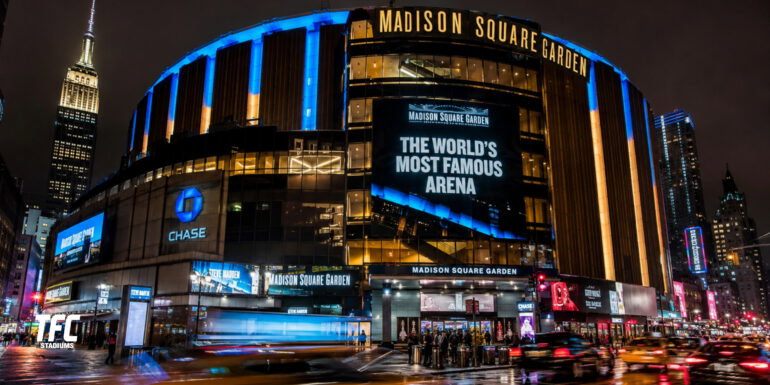
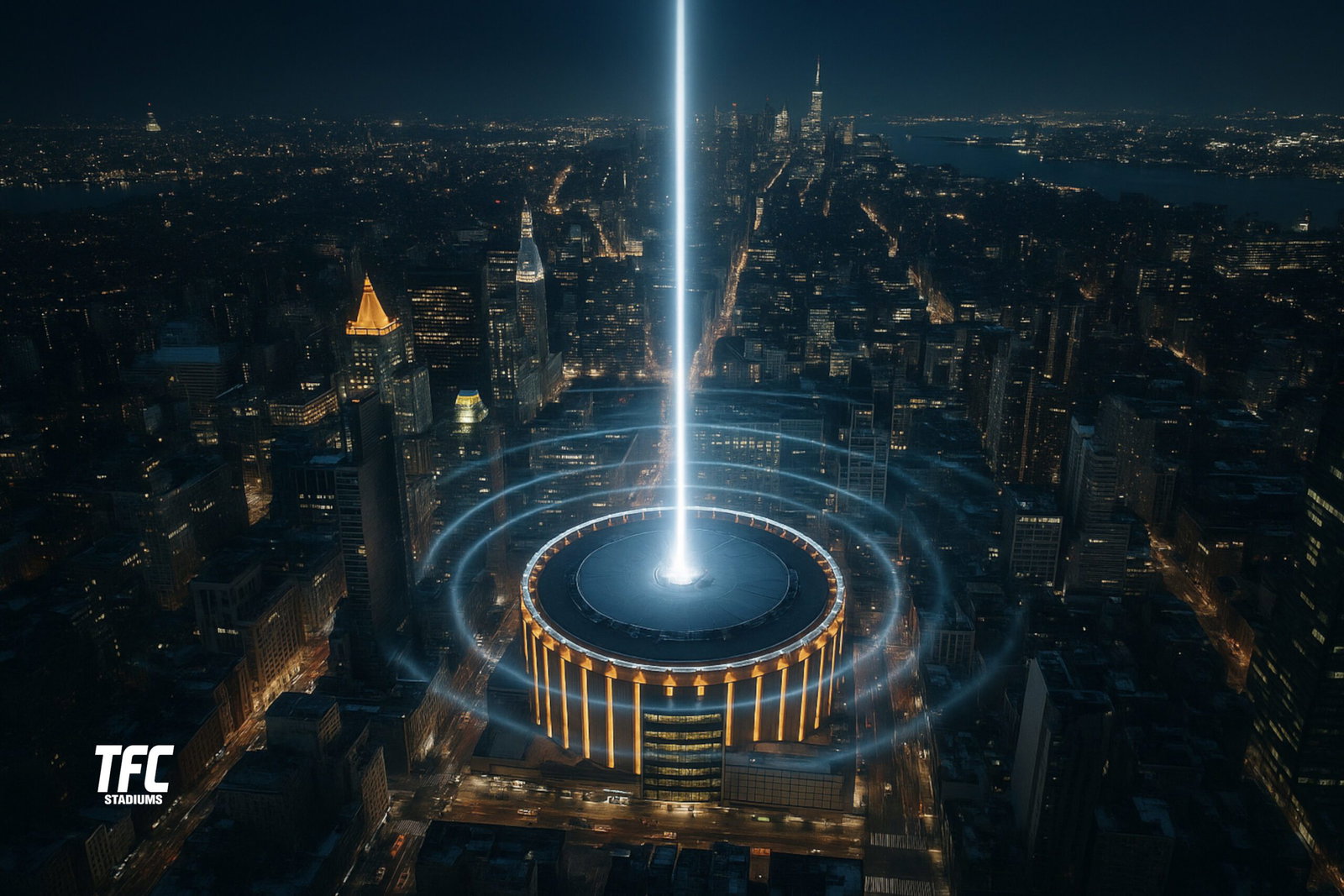
Madison Square Garden is not just an arena. It is an institution woven into the fabric of New York City and American culture at large. Known as “The World’s Most Famous Arena,” it holds a unique status as both a sporting cathedral and a global stage for music, politics, and spectacle. But what exactly gives Madison Square Garden its legendary pull?
A Prime Midtown Location
Situated in the heart of Manhattan above Penn Station, Madison Square Garden’s location alone adds to its gravity. For visitors, it is one of the most accessible venues in the world, connected to multiple subway lines and rail networks. Its centrality in the city makes it a landmark that transcends borough lines and tourist routes, firmly embedded in the daily rhythms of New York life.
Historical Continuity Across Four Gardens
The current Madison Square Garden is the fourth iteration, with roots dating back to 1879. Each version of the Garden has mirrored the evolution of the city and the nation. The original was an open-air arena on Madison Avenue. The third Garden, designed by the renowned architect Stanford White, introduced luxury and style into the equation. The present-day Garden opened in 1968 and remains a marvel of engineering, suspended above an active train station.
This continuity offers a sense of legacy. The Garden is not a relic but a living entity, changing with the times while retaining a strong sense of identity.
A Home for Sporting Drama
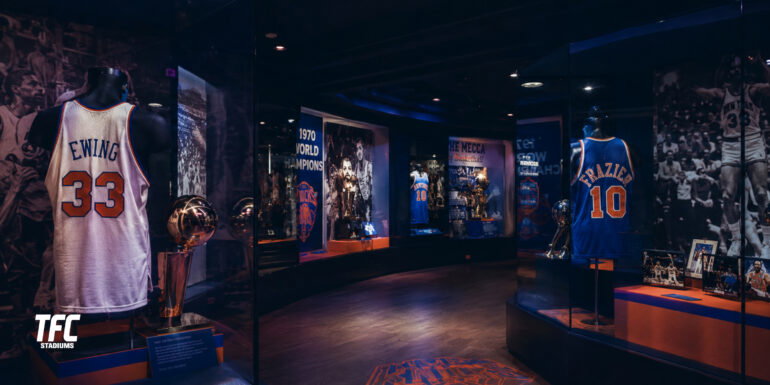
Few venues can claim the kind of sporting history MSG boasts. It is the long-time home of the New York Knicks and New York Rangers, franchises with deeply loyal fanbases. But the real magnetism comes from the events that have transcended sport.
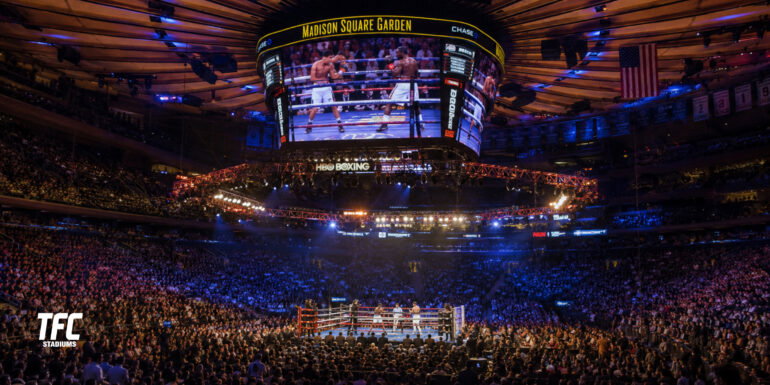
Boxing legends from Muhammad Ali to Joe Frazier etched their names into Garden history with fights that defined eras. The arena was central to the golden age of boxing and continues to attract major bouts. College basketball, too, finds a hallowed ground here, with the Big East Tournament and various NCAA showdowns giving rise to unforgettable moments.
A Stage for Music and Message
The Garden’s acoustics and atmosphere have made it a favourite among performers. Everyone from Elvis Presley to Led Zeppelin, Madonna, Jay-Z, and Billy Joel has played here. Joel, in fact, holds a residency that has become a fixture in New York’s cultural calendar.
MSG has also served as a platform for global messages. From John Lennon’s last major performance to benefit concerts like “The Concert for Bangladesh” and the 12-12-12 Hurricane Sandy relief show, the arena has been a site where entertainment intersects with social and political causes.
Unmatched Atmosphere
The layout of MSG places the audience right on top of the action. With steep seating and a tight bowl, the intensity during a playoff game or sold-out concert is unrivalled. It feels close, personal, and heightened in a way few modern mega-venues can replicate.
A Symbol of New York Identity
To play the Garden is to be validated in New York. For athletes, musicians, and public figures, performing at Madison Square Garden is a rite of passage. It is where reputations are cemented and legends are made. The crowd is demanding, the spotlight unforgiving, and the rewards enormous.
Cultural Appearances and References
From film to literature to fashion, MSG is repeatedly referenced as a symbol of prestige and urban energy. It has appeared in movies like Highlander, Creed, and Spider-Man: No Way Home, and has been the setting for countless television moments. That familiarity reinforces its place in global consciousness even for those who have never set foot inside.
The TFC Stadiums Takeaway
Madison Square Garden stands at the crossroads of legacy and spectacle. It is not simply iconic because of its architecture or age, but because of the moments it has hosted and the atmosphere it cultivates. Its influence stretches far beyond New York, touching everything from music and sports to politics and identity. In a city of constant change, the Garden remains a fixed point where the exceptional happens.
About the Author