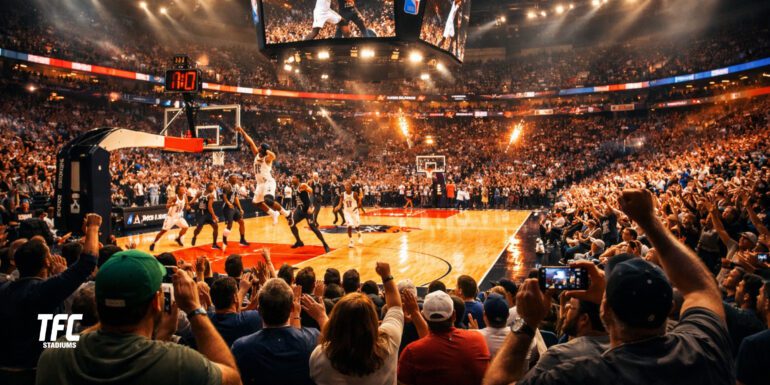
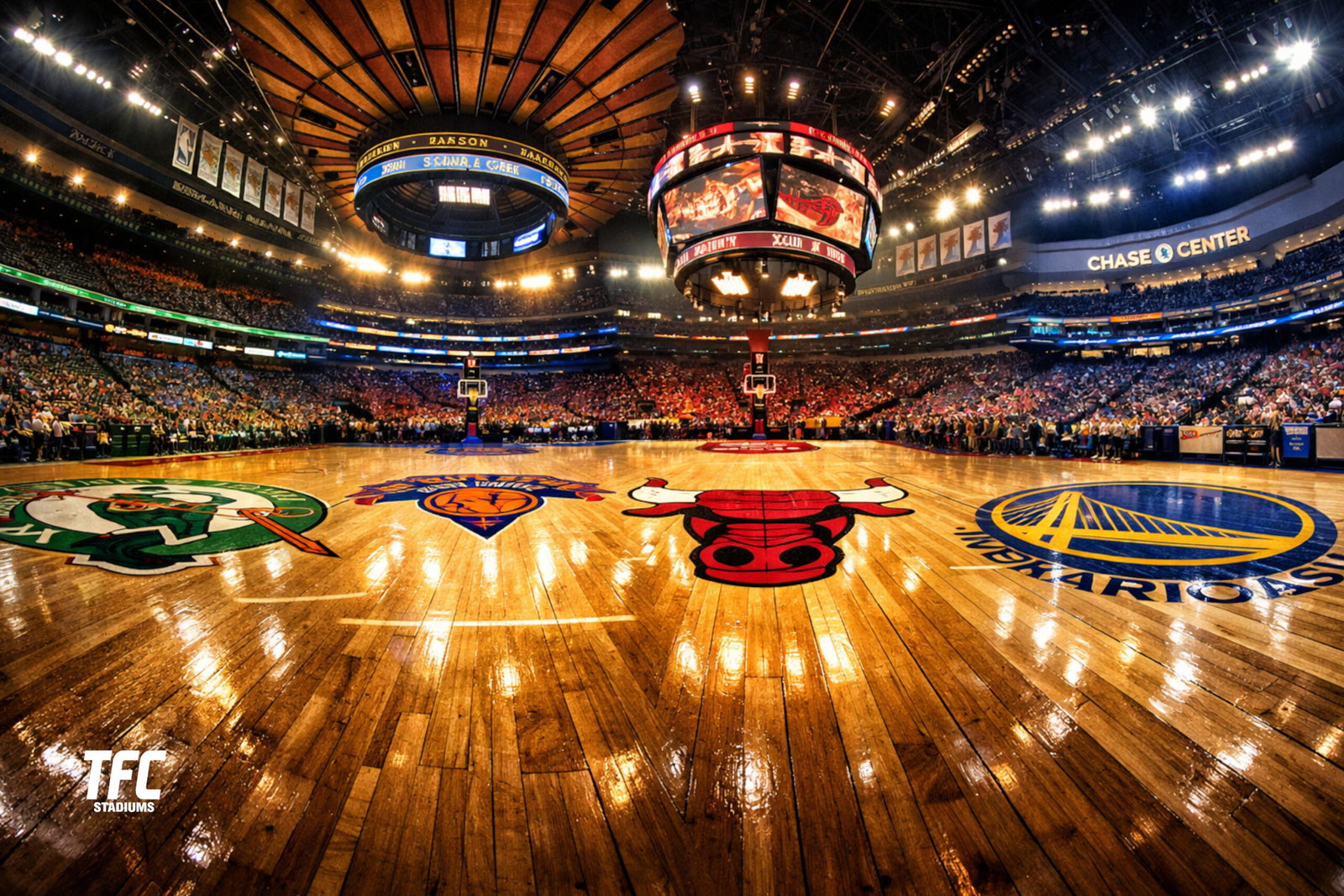
Some NBA courts feel like rented floors with good lighting. Others feel like they have a memory. You can sense it when the ball hits the wood and the sound carries. These are the places where the league learned how to walk, then learned how to fly. They are not just venues. They are witnesses.
I have watched plenty of games where the court looked perfect and felt empty. The arenas below are the opposite. The paint has stories. The baselines have seen things. If courts could talk, these ones would never shut up.
TD Garden, Boston
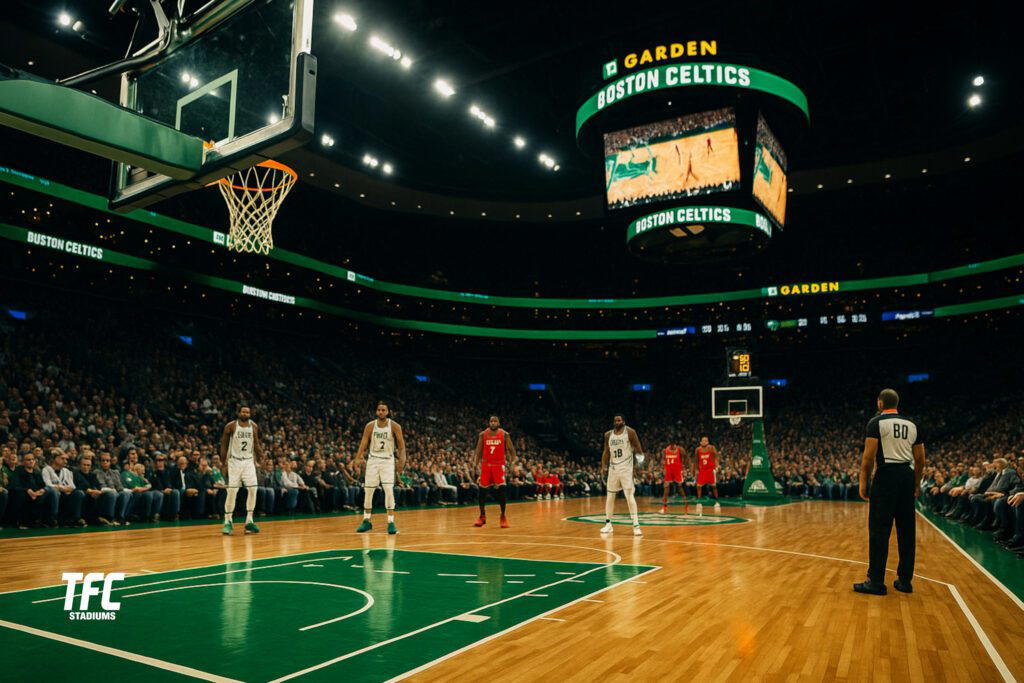
The parquet floor is not just branding, it is a warning. Step onto this court and you are walking on layers of arrogance, banners, and unshakeable belief. While the building itself is younger than most of the legends attached to it, the court carries the DNA of the old Boston Garden like a family heirloom.
This is where defence became religion and rings were treated like annual tradition. The court does not flatter you. It exposes you. Visiting players still talk about the light, the angles, the noise, and how it feels slightly hostile even during warm-ups. That is not nostalgia. That is design, culture, and attitude baked into wood.
Home of the Boston Celtics, and still one of the few places where history feels like an active defender.
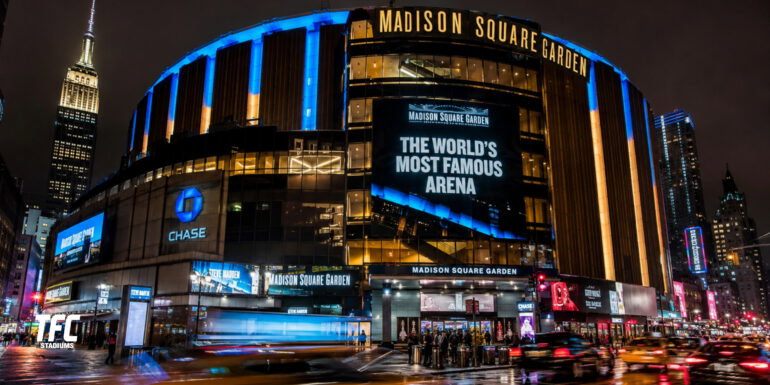
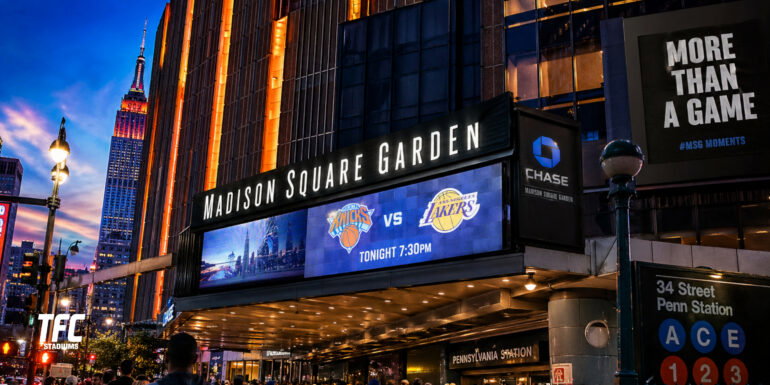
Madison Square Garden, New York
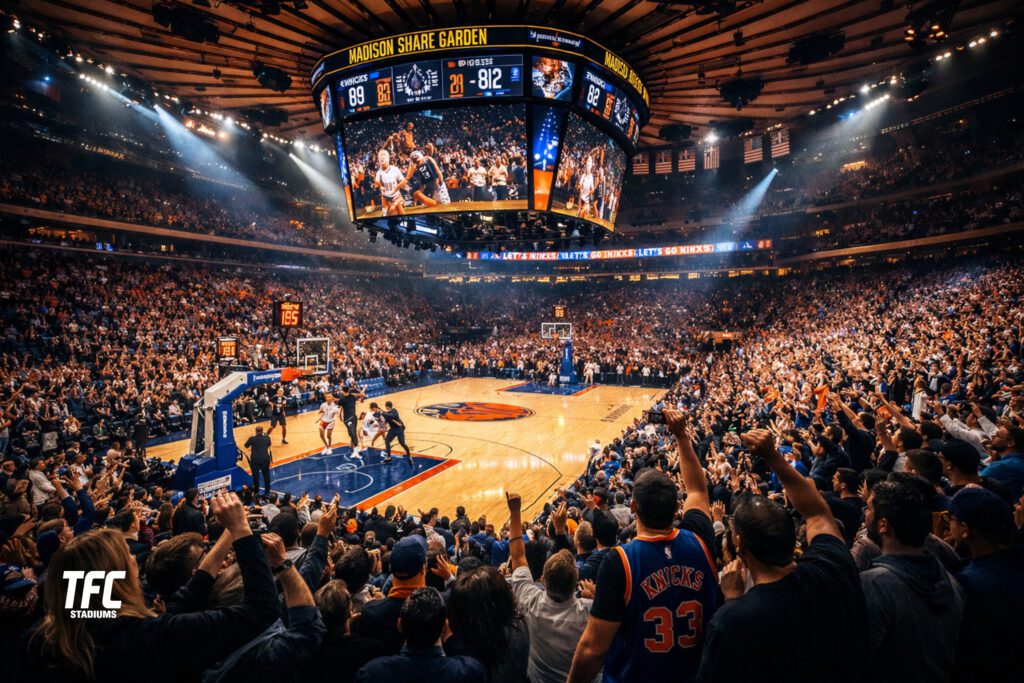
Madison Square Garden is basketball theatre. The court itself is plain by modern standards, no gimmicks, no visual screaming, and that is exactly the point. Everything that happens here matters more because the room demands it.
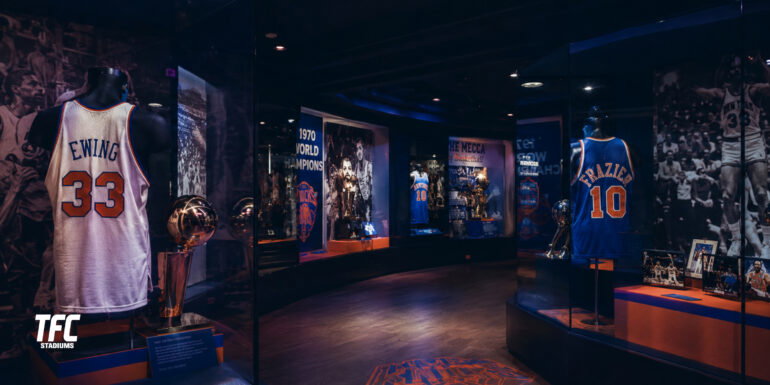
This floor has hosted miracles, meltdowns, and career-defining nights from players who understood the assignment. Others shrank. The rim seems tighter in crunch time, and that is not physics, that is pressure.
The New York Knicks have not always given the Garden what it deserves, but the court keeps the receipts. When a big game lands here, it still feels like basketball has reported to its headquarters.
Crypto.com Arena, Los Angeles

Call it what you want, Staples lives here. The court has seen more champagne, confetti, and controlled chaos than most franchises see in a lifetime. This is Showtime territory, where fast breaks were art and stars were expected to glow, not hide.
The lighting matters. The crowd matters. The court itself is part of the performance, framed to make moments look bigger, brighter, and permanent. When the Los Angeles Lakers are good, this floor becomes a stage. When they are bad, it becomes brutally honest.
Either way, the court remembers everything.
United Center, Chicago

Some courts live off atmosphere. This one lives off legacy. The United Center floor is still haunted, and Chicago is fine with that. You do not walk onto this court without thinking about banners, introductions, and a certain number 23.
The layout is straightforward, almost blunt. No distractions, no tricks. That works because the stories do the heavy lifting. Even visiting players who grew up long after the dynasty years still feel the weight when they step inside.
Home of the Chicago Bulls, and still a place where history does not fade quietly.
Chase Center, San Francisco
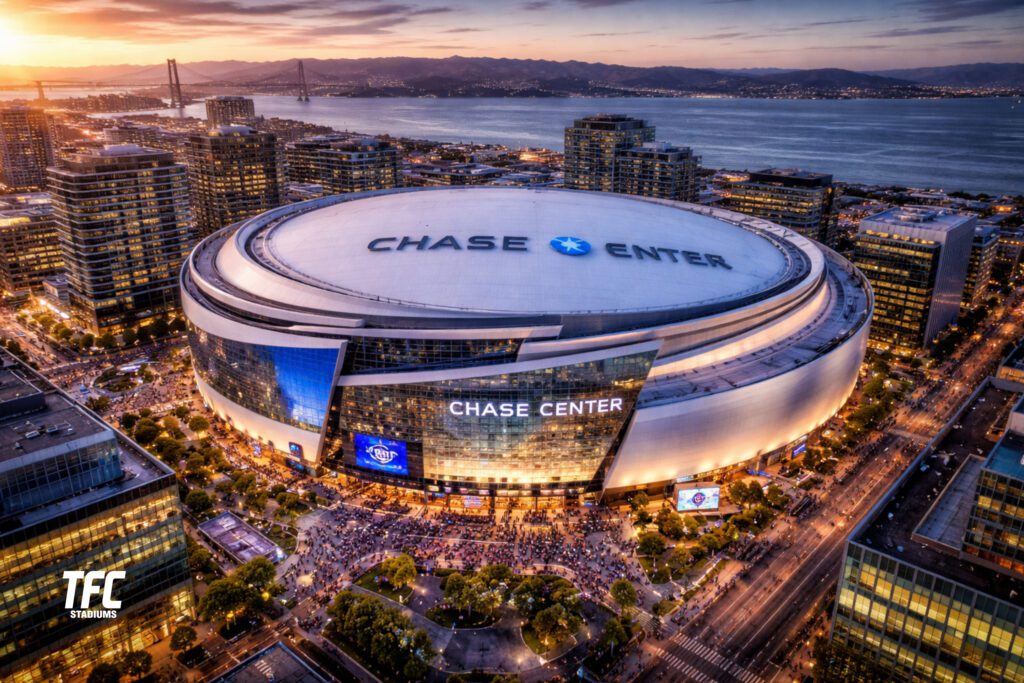
This is the newest court on the list, and that is not a mistake. History is not just about age, it is about impact. Chase Center has already hosted a basketball revolution, and the court reflects that identity.
Spacing feels different here. Sightlines are clean. The floor looks built for movement, shooting, and organised chaos. It fits a team that changed how the game is played and forced everyone else to keep up.
The Golden State Warriors may have left Oracle behind, but the history followed them across the bay and settled in quickly.
TFC Takeaway
Historic courts are not museums. They are workplaces where expectations linger. Players feel it when they miss a free throw or hit a dagger. Fans feel it when the building goes quiet or explodes. You cannot manufacture that with LED ribbons and luxury lounges.
Some arenas will look better on Instagram. These courts feel better in memory.
About the Author