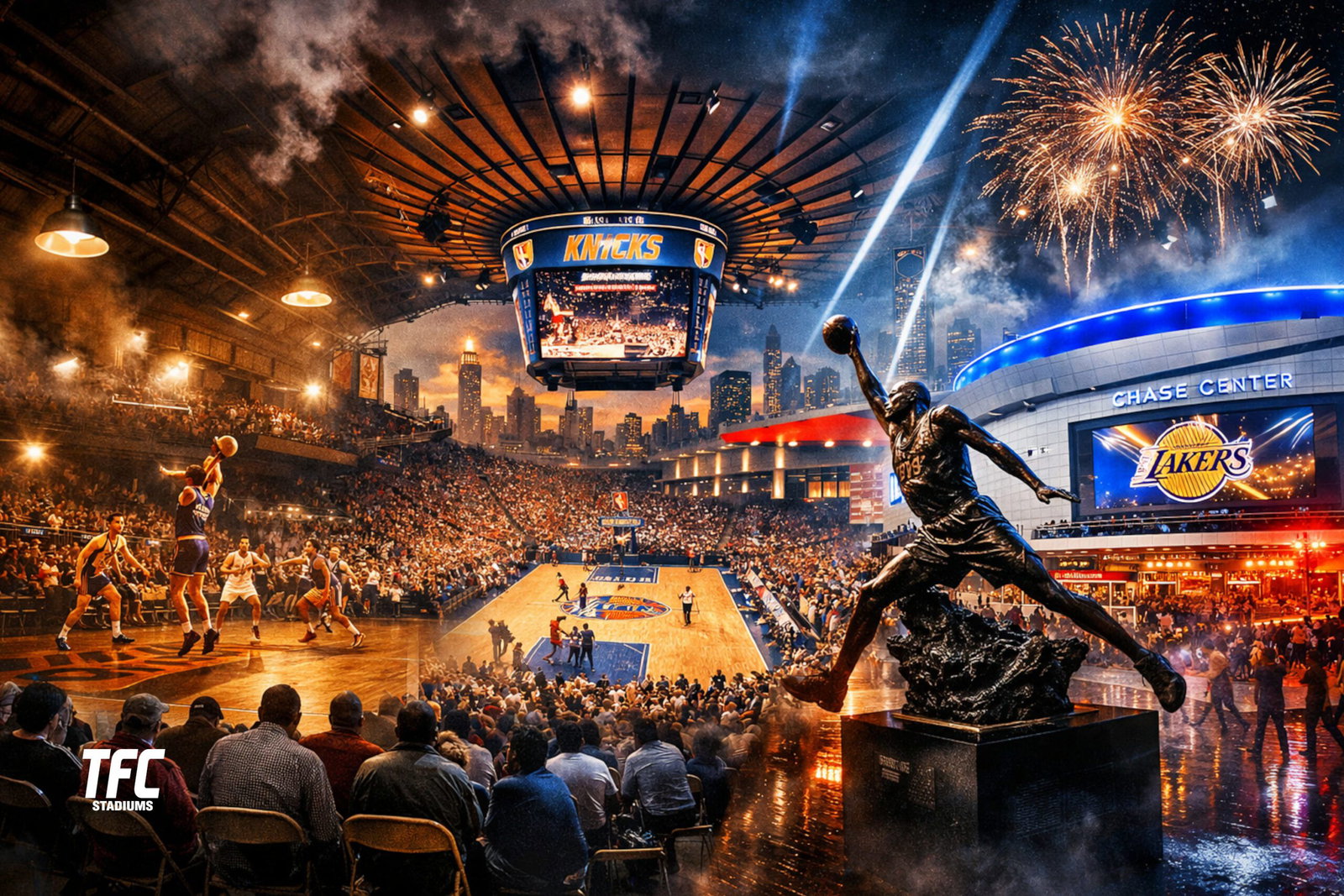
NBA arenas have always been more than roofs and seats. They are mood setters, pressure cookers, civic monuments, and sometimes architectural mood swings. From smoke filled barns with folding chairs to billion dollar entertainment districts with Michelin level food options, the league’s buildings track the sport’s evolution almost as cleanly as the rule book.
Rick Dalton here. Longtime watcher, occasional ranter, and someone who still thinks certain arenas were louder before they got Wi-Fi.
The Barnstorming Years, 1940s to early 1960s
The NBA’s earliest homes were borrowed spaces. Hockey rinks, armories, civic auditoriums, and fairgrounds did the job. Comfort was optional. Sightlines were negotiable. Atmosphere was guaranteed.
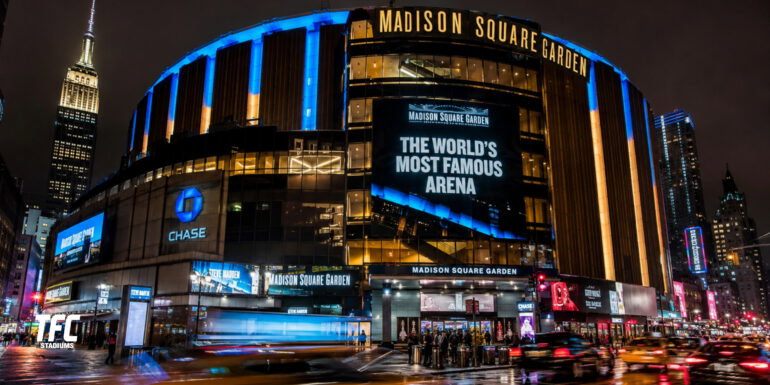
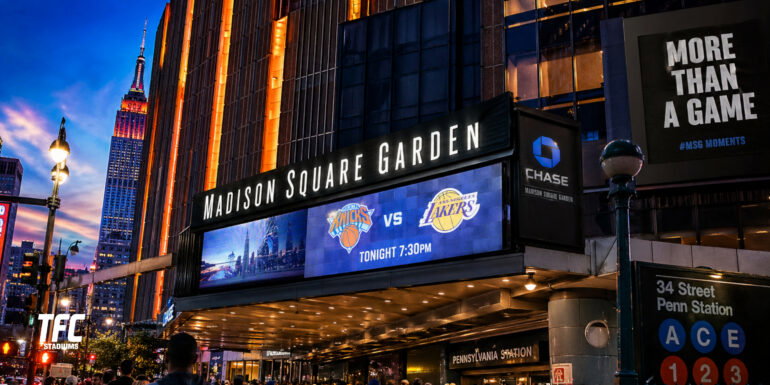
Madison Square Garden stood apart even then. Multiple versions came and went, but the idea stayed fixed. Basketball in Manhattan belonged on a grand stage, even if the locker rooms felt like converted broom closets.
Boston’s original Garden leaned into chaos. Heat rose, tempers followed, and visiting teams rarely left in a good mood. The court felt close, the crowd closer, and referees aged about five years per quarter.
These arenas were imperfect, loud, and personal. Nobody talked about premium seating. Everyone talked about survival.
Purpose Built Basketball, 1960s to 1970s
As the league stabilised, cities started building with basketball in mind. Capacity increased. Sightlines improved. Parking existed, which felt revolutionary at the time.
The Forum changed expectations. Circular, dramatic, and unapologetically glamorous, it matched the Lakers’ growing sense of theatre. Purple and gold made sense here. The building understood the assignment.
Elsewhere, multipurpose arenas ruled. Basketball shared space with hockey, concerts, and monster trucks. Floors changed overnight. Ice lurked beneath the hardwood. It was not elegant, but it worked.
The Icon Factories, 1980s to 1990s
This was the era of identity arenas. Buildings that became inseparable from the teams that played inside them.
United Center arrived like a statement. Bigger, louder, and built to hold noise the way a storm holds rain. The Michael Jordan years would have been iconic anywhere, but this place amplified them. The pregame introductions alone deserve their own documentary.
In New York, the rebuilt Madison Square Garden leaned fully into its myth. Bad Knicks teams still felt important. Good ones felt seismic. No other arena could make a Tuesday night in February feel like an event.
Luxury boxes appeared. Corporate money followed. Purists complained. Owners smiled.
The Entertainment Palace Era, 2000s to 2010s
Arenas stopped pretending they were just for basketball. They became destinations.
Crypto.com Arena, formerly Staples Center, was the blueprint. Shared tenants, immaculate presentation, and an unspoken rule that something famous might be sitting courtside. Championships stacked up, banners multiplied, and the place learned how to host everything without losing its basketball edge.
Scoreboards grew absurd. Sound systems shook rib cages. Concourse food stopped being an endurance test. The game was still the point, but the experience expanded outward.
Modern Arenas and the Tech Arms Race, 2020s
Today’s arenas are smarter than some coaching staffs. Apps guide you to your seat. Replays hit your phone before the whistle finishes echoing.
Chase Center represents the current peak. High design, immaculate sightlines, and pricing that reminds you this is professional sports, not a public service. The atmosphere depends on the night, but the building itself never misses.
Sustainability matters now. So does flexibility. Arenas are designed to morph instantly from playoff cauldron to concert hall. Basketball remains the heart, but the business beats constantly around it.
What Arenas Still Get Right, and Wrong
The best arenas still do the same thing the old barns did. They make players uncomfortable and fans feel involved. You cannot fake energy. You can only contain it or lose it.
What sometimes slips away is edge. Too many distractions, too much polish, and the building forgets to be hostile. Great arenas should welcome fans and annoy opponents. Both are possible.
The Throughline
Every NBA era leaves its fingerprints on its arenas. The league’s growth, its stars, its money, and its mood all show up in concrete and steel.
From drafty auditoriums to glass wrapped landmarks, the buildings tell the same story as the league itself. Louder. Richer. Smarter. Occasionally softer. Still chasing the perfect balance between spectacle and sweat.
Somewhere out there, a fan is arguing that the old place was better. They are probably not wrong. They are also probably standing in a very nice new arena while saying it.
About the Author