This World Cup is doing things differently, mostly because it has no choice. When you spread a tournament across three countries and more than a dozen mega-stadiums, you are not aiming for subtlety. You are aiming for scale, logistics, and the kind of infrastructure that can handle 80,000 people looking for nachos at the same time. From NFL palaces to historic football cathedrals, the stadium lineup alone explains why this tournament already feels like an event before a ball is kicked.
A World Cup built for scale, not symmetry
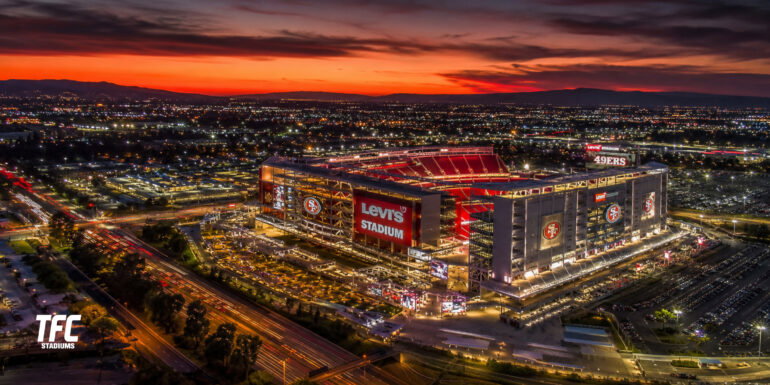
The 2026 tournament uses 16 stadiums across the United States, Mexico, and Canada. That is more than any World Cup before it, and it shows in the design philosophy. These are not compact, single-purpose football grounds. Many are multi-sport arenas built for American football, concerts, WrestleMania, and whatever else fits the calendar.
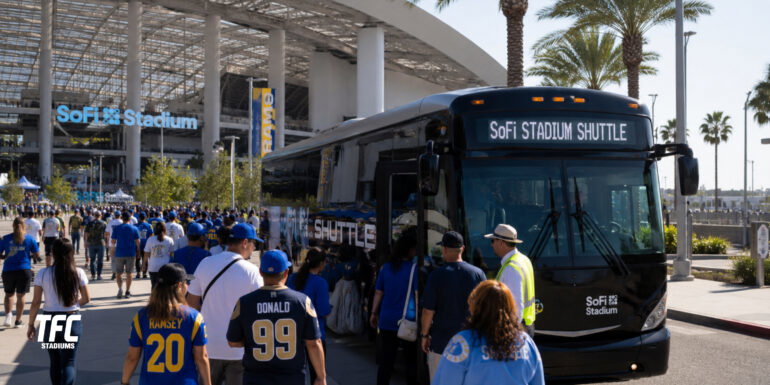
Venues like SoFi Stadium and AT&T Stadium regularly host crowds that would swallow older World Cup grounds whole. Sightlines are steeper, concourses are wider, and the beer queues are longer but faster. It feels less like a traditional World Cup and more like football stepping into a Super Bowl environment for a month.
Retractable roofs, climate control, and weather proof football
One of the quiet revolutions of 2026 is how many matches will be played indoors or under retractable roofs. Dallas, Houston, Atlanta, and Los Angeles all remove weather from the equation. No sideways rain, no oppressive heat waves, no last-minute pitch covers dragged out like a panic response.
For players, it means consistency. For broadcasters, it means cleaner visuals. For fans, it means fewer ponchos and more cold drinks. Purists will grumble, but nobody complains when the game kicks off on time and the pitch looks pristine.
Altitude still matters, especially in Mexico
Not everything is climate controlled. Mexico’s venues remind everyone that geography still has a vote. Estadio Azteca sits over 2,200 metres above sea level, and it still asks hard questions of visiting teams.
This is the third World Cup Azteca will host, which feels almost unfair in historical terms. The stadium has seen Pelé lift a trophy, Maradona bend reality, and now it gets one more act. Modern upgrades have not softened the altitude, and they never will.
Bigger screens, louder sound, more theatre
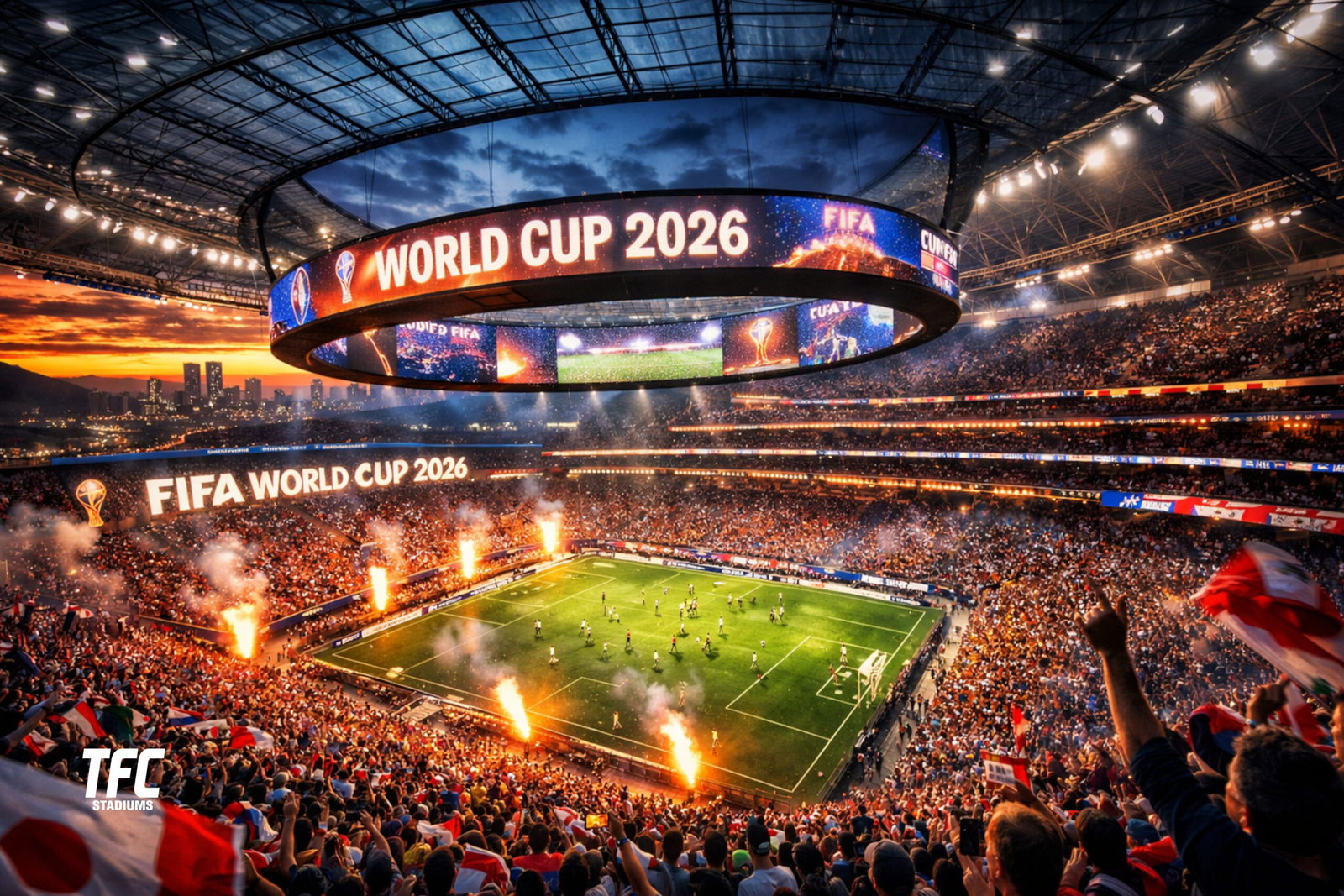
NFL stadiums are built for spectacle, and the World Cup will borrow that energy. Expect wraparound video boards, end-zone screens the size of apartment blocks, and audio systems designed to shake ribs.
This changes how matches feel inside the ground. Replays are instant and unavoidable. Goal celebrations are amplified, literally. Even neutral games are unlikely to feel quiet, because these buildings are not designed for silence.
Natural grass in stadiums that usually hate it
One of the trickiest parts of the 2026 setup is grass. Many U.S. venues normally use artificial turf, which is not allowed for the World Cup. That means temporary natural grass systems, grown elsewhere and installed like a touring rock band.
FIFA has done this before, but never at this scale. It is expensive, technical, and slightly nerve-wracking. When it works, nobody notices. When it does not, everyone notices immediately. Grounds crews will be the unsung heroes of this tournament.
Travel distances that would make older tournaments dizzy
A matchday in 2026 might involve a flight longer than some European club seasons. The distances between Vancouver, Miami, Los Angeles, and Mexico City are enormous. Teams will not be hopping on a coach and checking into the same hotel chain every round.
This affects preparation, recovery, and squad rotation. Depth will matter. Sports science will matter. Managers who understand logistics may quietly gain an edge while everyone else argues about formations.
Legacy stadiums versus modern giants
What makes this World Cup interesting is the contrast. Some venues feel like museums of football history. Others feel like luxury malls that happen to contain a pitch.
That contrast mirrors the tournament itself. Tradition meets modern scale. Romance meets logistics. Somewhere between a classic World Cup and a global entertainment product, the 2026 edition is trying to be both at once.
Where to buy tickets for the 2026 World Cup
For fans, the most important question is always the same, how do I actually get in?
The primary and safest route is through FIFA’s official ticketing platform, which releases tickets in phases. These usually include random draws, first-come sales, and later resale options managed directly by FIFA.
Hospitality packages are sold through official partners and come with premium seating, food, and a lighter hit to your patience, though not to your wallet.
Secondary resale markets will exist, because they always do, but prices fluctuate wildly and buyer protection varies. If you want certainty, official channels are boring but reliable. Think of them as the sensible midfield option rather than the risky through ball.
Final thoughts from Rick Dalton
This is not a delicate World Cup. It is loud, oversized, and unapologetically modern. The stadiums tell that story better than any slogan ever could. Some fans will miss intimacy. Others will love the comfort, the screens, and the sense that every match is an event.
Personally, I am curious to see how football behaves when dropped into buildings designed for Sunday night kickoffs and halftime fireworks. If nothing else, the stadiums guarantee one thing. Nobody will accuse the 2026 World Cup of thinking small.
About the Author