The Galactic Reputation of Las Vegas’ Crown Jewel
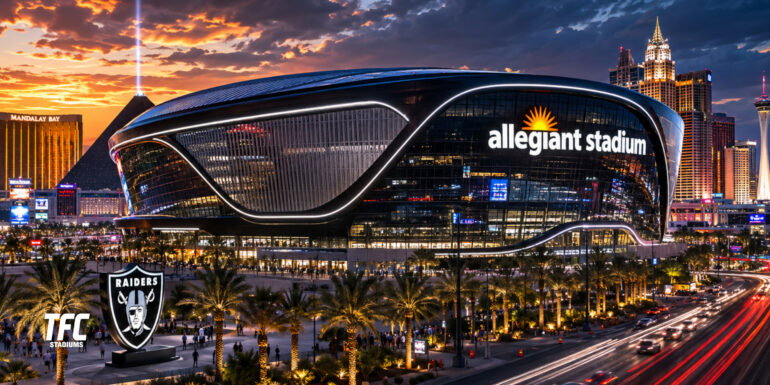
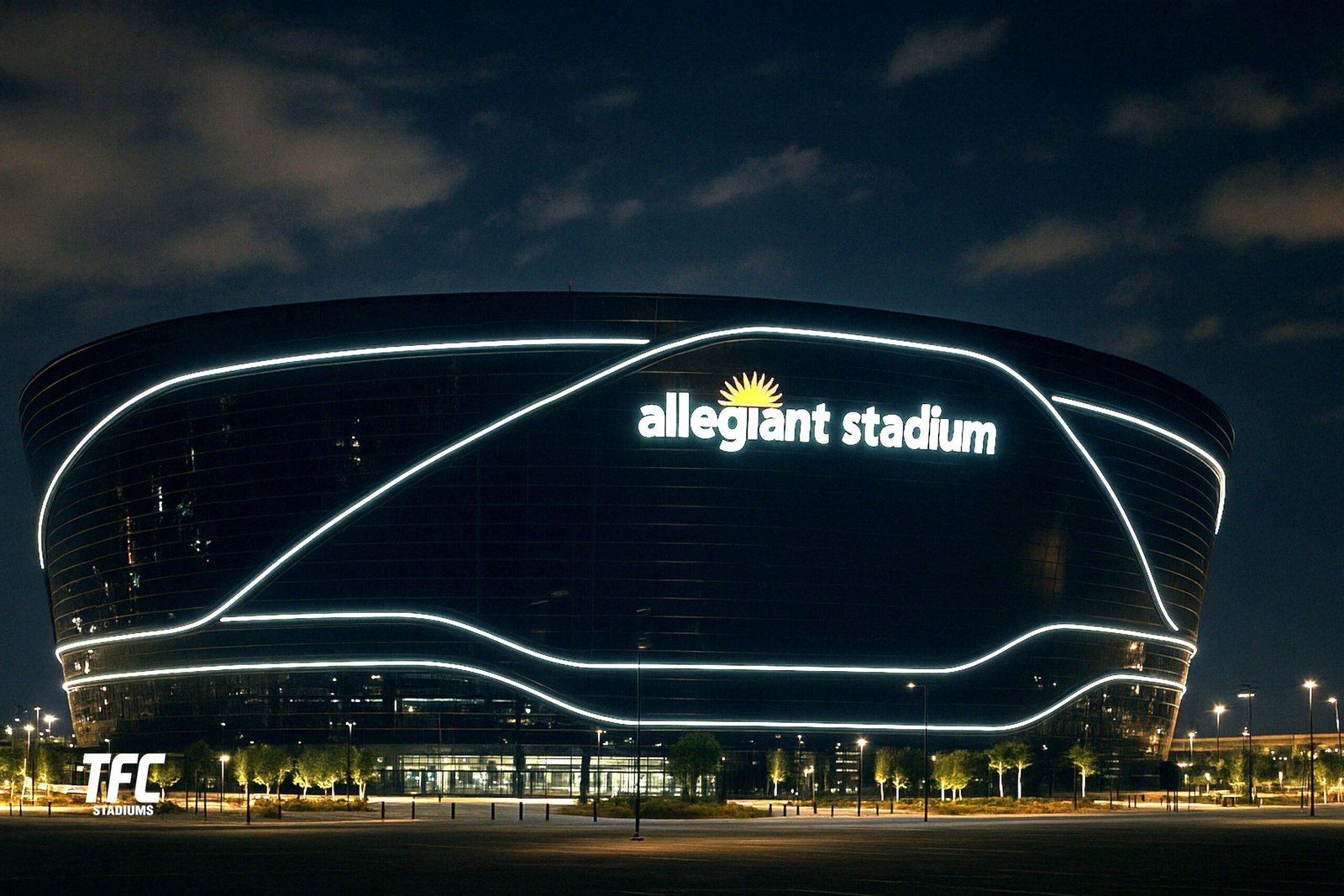
When you pull up to Allegiant Stadium, just off the I-15, the first thing that hits you isn’t the desert heat. It’s that glossy black monolith glaring back like it’s ready to vaporise Alderaan. The stadium doesn’t just host football games, it looms, sleek, reflective, and ominous enough to make even Darth Vader nod in approval.
Nicknamed “The Death Star,” the home of the Las Vegas Raiders has embraced that title like it was part of the original design brief. The comparison isn’t subtle. It’s bold, cinematic, and perfectly Raider.
A Design Straight Out of Sci-Fi
Allegiant Stadium’s dark exterior, smooth contours, and glowing panels make it look less like a sports venue and more like a space weapon parked on the Strip. The building’s tinted glass façade wraps around the structure like the hull of an intergalactic cruiser.
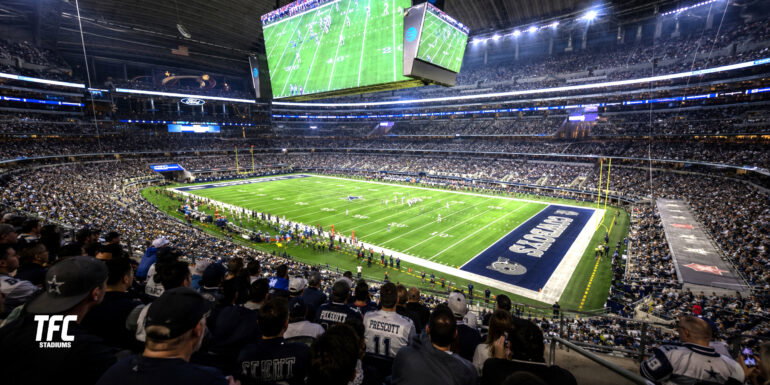
Inside, the effect continues. Jet-black seats, silver accents, and lighting that shifts from moody to menacing turn Sunday football into something closer to a Star Wars set piece. Even the retractable field tray, which rolls the natural grass outside for sunlight, looks suspiciously like the kind of moving floor panels where Stormtroopers might march out to a John Williams score.
The Raiders and the Dark Side of Football
The “Death Star” nickname didn’t come from a marketing committee. It came from none other than Mark Davis, the team’s owner. During the stadium’s unveiling, Davis looked at the futuristic structure and said it “looks like the Death Star.” And honestly, it stuck faster than a fumble recovery in overtime.
For a team with a legacy built on intimidation and rebellion, the moniker fits perfectly. The Raiders have always embraced the villain role. Silver and black uniforms, pirate logo, fanbase that looks ready for a Mad Max reboot, calling their stadium the Death Star just made sense.
Raiders Fans Took the Nickname and Ran With It
Once the nickname hit the public, Raider Nation didn’t hesitate. Fans showed up in full Darth Vader gear, waving lightsabers painted black and silver. Tailgates started looking like costume conventions with a side of brisket. The nickname became part of the culture, a badge of honour that turned every home game into a Star Wars-style standoff between good and evil, depending on which team you support.
Even the in-stadium lighting and sound design play into the theme. When the Raiders run out of the tunnel, with the lights dimmed and the music booming, it feels like a launch sequence. The vibe is pure intimidation, wrapped in a billion-dollar shell.
A Stadium Built for the Empire
Allegiant Stadium cost nearly $2 billion to build, and it shows. With its black mirror exterior, premium lounges, and 65,000-seat interior, it’s the NFL’s most dramatic venue, and maybe the most photogenic.
But beyond the flash, it’s got substance. The venue’s advanced tech includes a translucent roof that filters desert sunlight, powerful air conditioning that can chill a Tatooine afternoon, and sound systems that make every hit echo like a laser blast.
It’s not just a stadium. It’s a statement: the Raiders have landed, and they’re not asking for permission.
So Why the Death Star?
Because it’s not just about design. It’s about identity. The Raiders have always thrived as outsiders, the bad guys who show up to ruin your nice little football Sunday. Allegiant Stadium embodies that. It’s sleek, dark, expensive, and unapologetically bold. It’s everything the Raiders have ever been, multiplied by Vegas glitz and dropped into the desert like a spacecraft.
As Mark Davis himself said, “The Death Star will be where our opponents’ dreams come to die.” Dramatic? Sure. But in Vegas, subtlety is for losers.
About the Author