When the Minnesota Vikings traded the open-air frostbite of the Metrodome for the glass cathedral that is U.S. Bank Stadium, they didn’t just get a football venue. They built a shimmering, Scandinavian spaceship parked on the banks of the Mississippi, where sunlight floods the field like a spotlight on a team still haunted by NFC Championship ghosts.
A Stadium That Lets You See the Sky
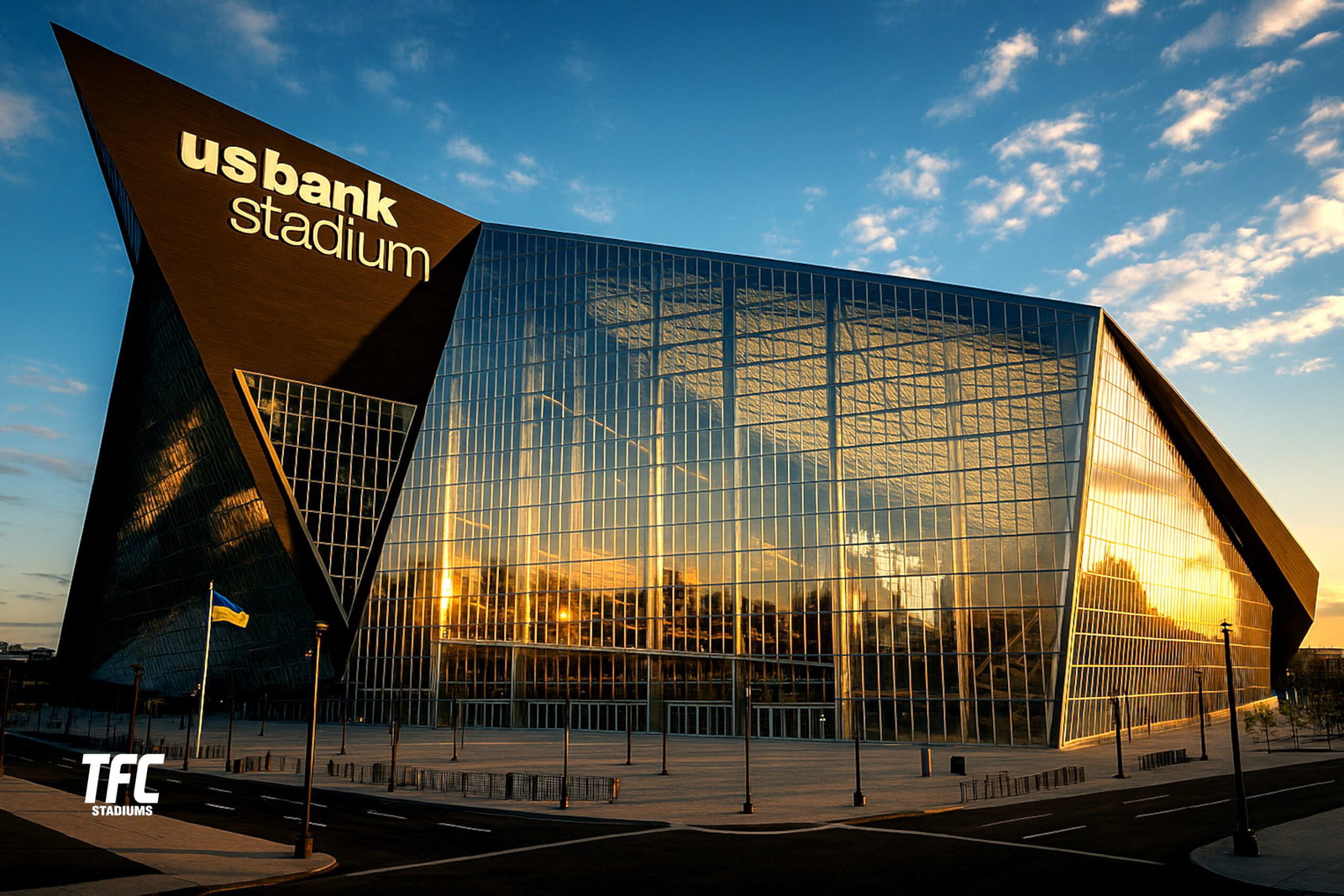
U.S. Bank Stadium isn’t your typical NFL dome. Most indoor stadiums feel like you’re watching football in a giant cereal box. This one feels different. The translucent ETFE roof and towering glass walls let in real daylight, which is rare in a sport that’s usually played under floodlights or freezing clouds. From inside, you can see the Minneapolis skyline framed like a screensaver, and the players actually look like they belong on Earth.
That 200,000-square-foot glass wall system, by the way, isn’t just for show. It was designed to mimic the feel of an outdoor game without subjecting fans to temperatures that would make a polar bear reach for a hoodie. The architects called it “a new kind of indoor-outdoor experience.” Fans called it “finally warm enough to drink beer without wearing gloves.”
More Than Just a Pretty Face
It’s easy to think of the glass walls as the stadium’s Instagram filter, but they’re an engineering feat. The panels are made from a special material called Bird-Safe Glass, created after environmental groups pointed out that the original design was basically a bird blender. Early estimates had thousands of birds colliding with the reflective panels, mistaking the sky for open flight paths.
The fix wasn’t cheap, but it worked. Tiny dotted patterns in the new glass help birds spot the walls, keeping the Vikings’ home from turning into an accidental avian graveyard. It’s one of those rare moments where aesthetics, technology, and nature all found common ground.
The Feel on Game Day
When sunlight pours through the glass, it changes everything. The crowd feels closer. The field glows. And when the Vikings take the field in those deep purple jerseys, the light cuts through the space in a way that makes the whole scene look cinematic. It’s not just a game, it’s a show.
There’s also the psychological twist. Visiting teams often talk about how disorienting it can be to play in a “dome” that doesn’t feel like one. You see the skyline, you feel the light, and for a moment you forget you’re indoors. It’s like fighting in a greenhouse that happens to seat 66,000 people.
A Clear Reflection of Minnesota
The design fits the city perfectly. Minneapolis isn’t flashy by nature, but it’s quietly progressive, innovative, and stubbornly functional. The stadium’s glass façade reflects that attitude. It’s bold but practical. Expensive but purposeful. It lets the cold in visually, but not physically.
On snowy days, the exterior looks like a glacier carved by a Viking axe. On sunny days, it gleams like a promise that this franchise will one day finally lift a Lombardi Trophy under that translucent roof. (No guarantees, though. The NFC is still cruel.)
Legacy and Lessons
U.S. Bank Stadium set a new standard for how modern arenas can balance technology, sustainability, and fan comfort. Other teams have since borrowed ideas, from its natural lighting approach to its community-focused architecture. It proved that a football cathedral doesn’t have to feel like a bunker.
For Minnesota, it’s more than a home field. It’s a statement that even in a city known for its winters, you can build something that feels alive and full of light.
About the Author