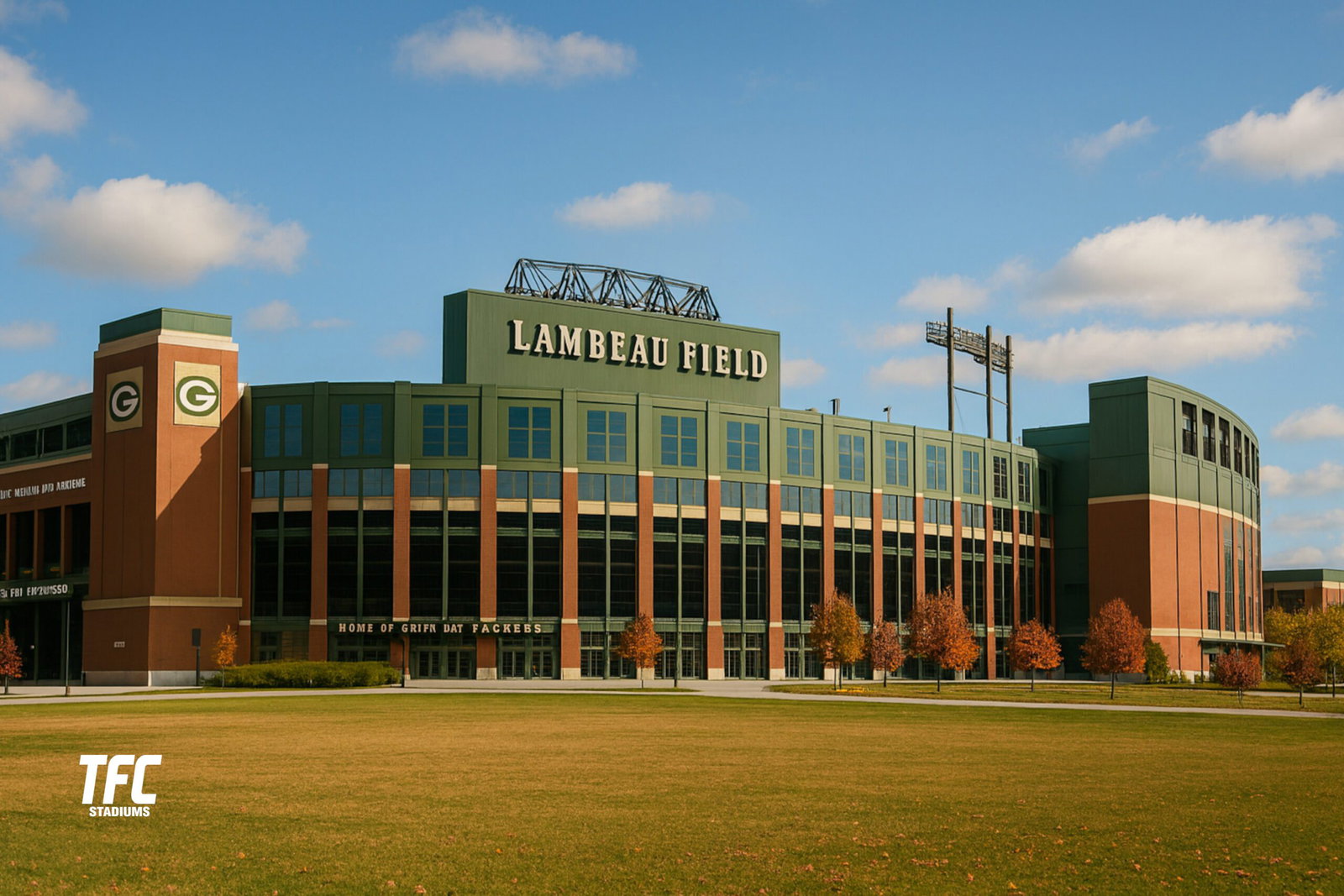
Lambeau Field is more than the home of the Green Bay Packers. It is a landmark that embodies the city’s traditions, pride, and sense of belonging. Since its opening in 1957, the stadium has shaped Green Bay’s cultural fabric and transformed the city into one of the most recognisable names in professional sport.
Origins and Community Ownership
When City Stadium (as it was first known) opened in 1957, it marked the start of a new era for the Packers. Later renamed Lambeau Field in honour of Curly Lambeau, the team’s founder, it quickly became an icon of professional football.
- Unique ownership model: The Packers are the only publicly owned franchise in the NFL, with over 500,000 shareholders. This model places Lambeau Field at the centre of a rare civic arrangement where the community has a tangible stake in the team.
- Civic pride: Unlike other NFL franchises tied to wealthy private owners, Green Bay’s stadium feels directly connected to the city’s people, reinforcing a sense of shared responsibility and identity.
Cultural Traditions and Symbolism
Lambeau Field has cultivated traditions that extend far beyond the pitch.
- The Lambeau Leap: First performed in 1993, this celebratory jump into the stands is now an enduring ritual that symbolises the connection between players and fans.
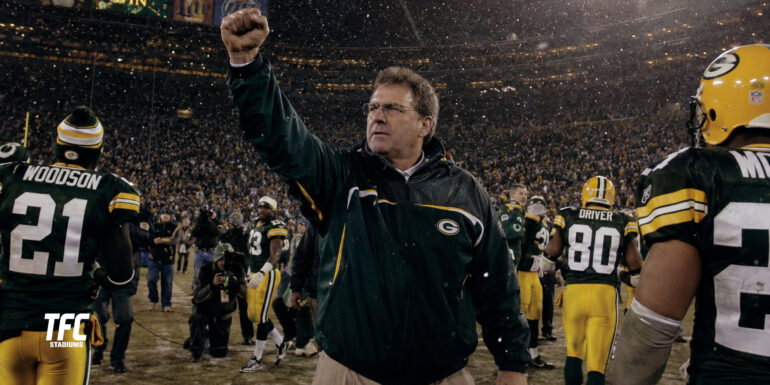
- The Frozen Tundra: Harsh Wisconsin winters forged Lambeau’s reputation as one of the toughest places to play. Cold-weather playoff games, including the legendary “Ice Bowl” in 1967, cemented its status in NFL folklore.
- Tailgating culture: Game days turn the area surrounding the stadium into a communal festival. Families, friends, and visitors gather in a tradition that mixes sport with celebration, reinforcing the social role of the stadium.
Economic and Tourism Impact
The influence of Lambeau Field extends to Green Bay’s economy, tourism, and reputation.
- Matchday impact: Each home game draws more than 70,000 visitors, many from outside Wisconsin. Hotels, bars, restaurants, and retail stores see major boosts.
- Year-round activity: Beyond football, Lambeau Field is used for weddings, conferences, concerts, and tours. The Packers Hall of Fame and Atrium make it a tourist destination even in the off-season.
- City profile: Without the stadium, Green Bay might remain a relatively quiet midwestern city. With Lambeau, it has an international presence, bringing visibility that few cities of its size can claim.
Social and Emotional Significance
Lambeau Field is a shared cultural anchor in Green Bay.
- Generational ties: Season tickets are often passed down through families, linking grandparents, parents, and children in shared traditions.
- Community gatherings: The stadium is a site of collective memory. From Sunday games to community events, it strengthens bonds among residents.
- Symbol of belonging: For those who leave Green Bay, Lambeau remains a touchstone of identity, representing home, pride, and tradition.
Renovations and Modern Relevance
Though historic, Lambeau Field has not stood still.
- Renovations: Significant upgrades, including luxury suites, expanded seating, and improved facilities, ensure it meets modern standards while preserving its heritage.
- Preservation of tradition: Unlike some NFL teams that replace ageing stadiums with entirely new structures, the Packers have kept Lambeau relevant by blending modernisation with tradition.
- Future role: As the NFL grows globally, Lambeau Field’s balance of history and innovation keeps it one of the league’s most recognisable venues.
Legacy in Sport and Beyond
Lambeau Field is more than just a sports stadium. It has become a national landmark, a symbol of American football, and an example of how sport can shape civic identity. It represents resilience, unity, and the enduring bond between a city and its team.
About the Author