How Madrid’s Icon Stacks Up Against the Largest Stadiums on Earth
There is something slightly deceptive about the Santiago Bernabéu Stadium. It feels enormous when you are inside it, the stands steep, the noise tightly packed, the pitch almost theatrical in its presentation. Yet on paper, it is not the biggest stadium in the world, not even close.
That contrast is where things get interesting. Size is only one way to measure a stadium. Presence, design, and atmosphere often tell a different story. The Bernabéu sits right at that intersection.
The Numbers at a Glance
Before getting carried away with romance, it helps to ground things in hard figures.
| Stadium | Location | Capacity | Primary Use |
|---|---|---|---|
| Rungrado 1st of May Stadium | Pyongyang | 114,000 | Football, mass events |
| Michigan Stadium | Michigan | 107,600+ | American football |
| Melbourne Cricket Ground | Melbourne | 100,000 | Cricket, AFL |
| Camp Nou | Barcelona | ~99,000 (renovation ongoing) | Football |
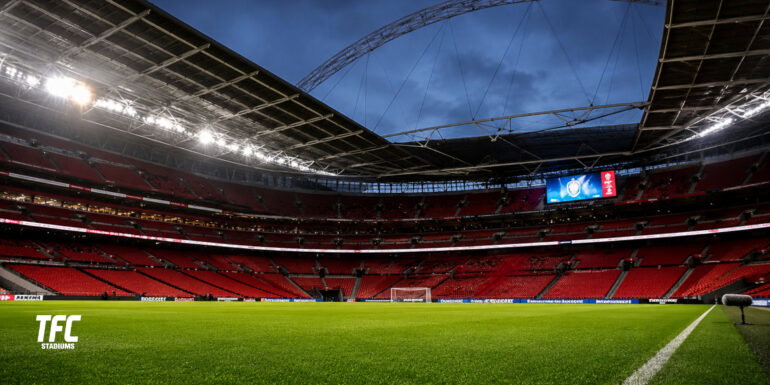
| Wembley Stadium | London | 90,000 | Football, events |
| Santiago Bernabéu Stadium | Madrid | ~85,000 | Football |
The Bernabéu lands comfortably below the very largest arenas. It is not trying to compete with a 100,000 seat bowl. That is not its game.
What the Bernabéu Does Differently
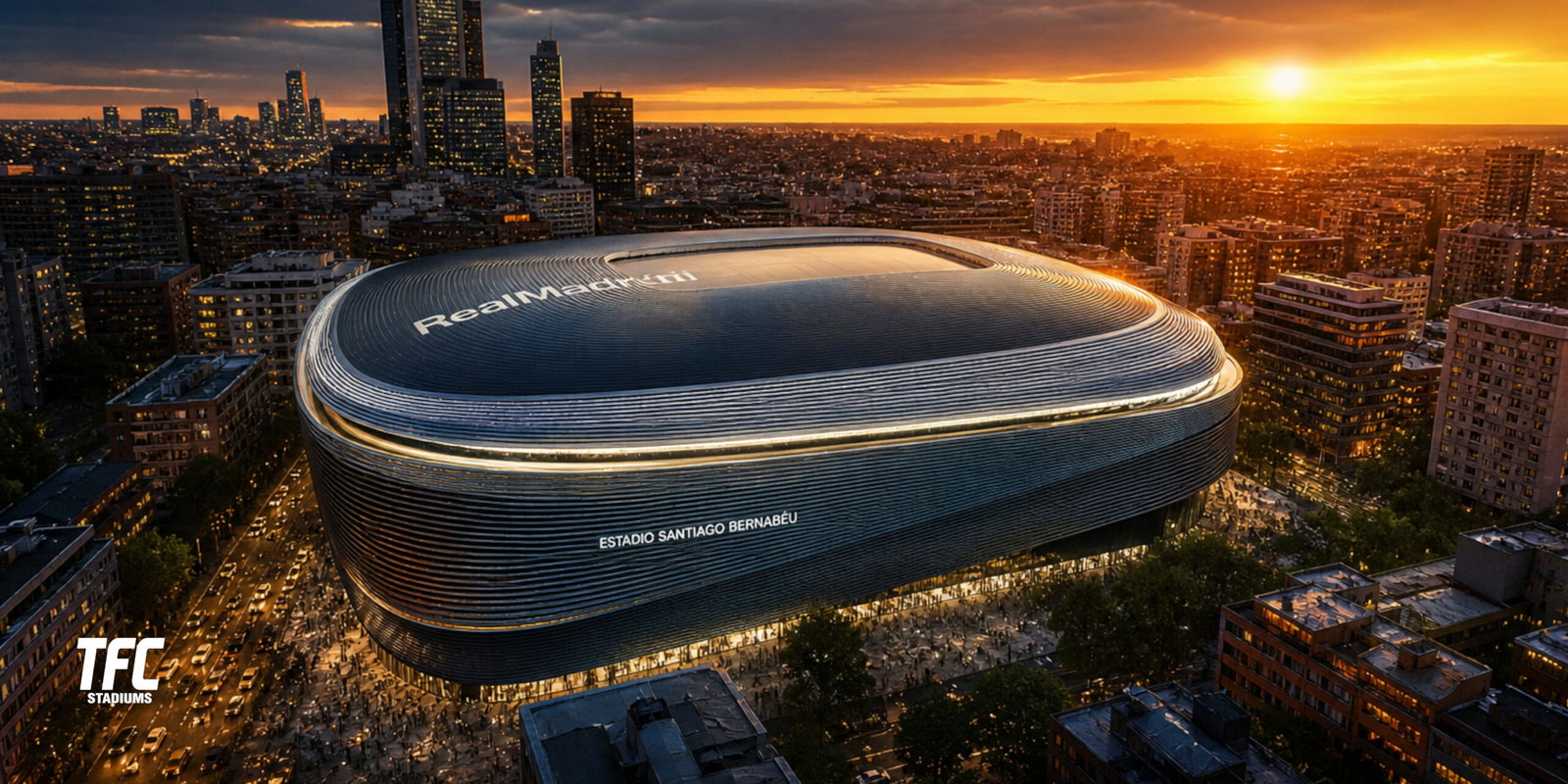
Recent redevelopment has shifted the Bernabéu into a different category entirely. It is less a stadium now, more a piece of engineered theatre.
Key features shaping its identity:
- Retractable roof that seals in sound and weather
- 360 degree video halo that dominates the visual field
- Steep vertical seating, bringing fans closer to the pitch
- Retractable pitch system allowing non football events
This is where raw capacity starts to feel like a blunt instrument. A 110,000 seat stadium can feel oddly quiet if the sound escapes. The Bernabéu, when closed and full, feels compressed, almost pressurised.
Capacity vs Atmosphere
The temptation is to assume bigger equals louder. That is not always true.
Take Michigan Stadium. It is vast, famously called “The Big House,” yet its bowl shape allows noise to drift upward rather than rebound inward. The result can feel surprisingly subdued for its size.
Compare that with the Bernabéu:
- Steeper stands concentrate sound
- Roof traps and reflects noise
- Sightlines keep fans visually engaged
The difference is subtle but important. One is expansive, the other is intense. If you are a visiting team, intensity is usually the one you notice first.
European Rivals: A More Direct Comparison
Against European competition, the Bernabéu’s position becomes clearer.
- Camp Nou prioritises scale, a vast open bowl with sheer numbers on its side
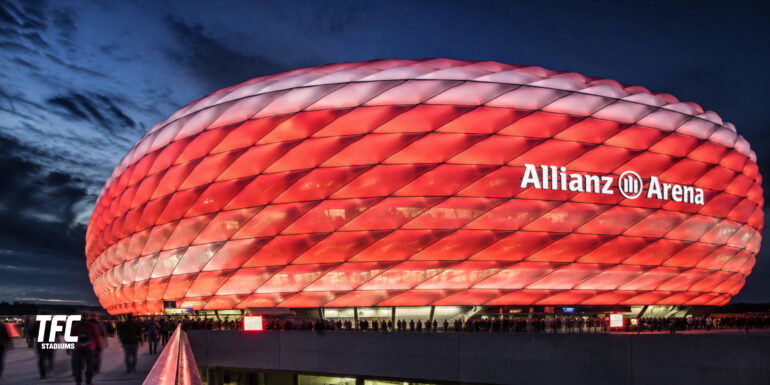
- Wembley Stadium blends size with national spectacle, though less intimate
- Signal Iduna Park trades capacity for one of the most concentrated atmospheres in football
- San Siro offers vertical drama, though ageing infrastructure shows
The Bernabéu now sits somewhere between these extremes. It has enough capacity to feel grand, but enough architectural control to feel immediate.
The Economics of Size
There is a practical side to all this.
Larger stadiums generate more ticket revenue, but only if they can be filled consistently. A 110,000 seat venue looks impressive until there are empty blocks visible on television.
Real Madrid’s approach with the Bernabéu leans toward flexibility:
- Premium seating and hospitality drive revenue per seat
- Multi use design keeps the stadium active year round
- Events beyond football expand income streams
In simple terms, it earns more per seat rather than chasing the highest possible number of seats.
Global Context: Not Just Football
Many of the world’s largest stadiums are not built primarily for football in the European sense.
- Rungrado 1st of May Stadium hosts mass performances as much as sport
- Melbourne Cricket Ground is shaped for cricket and Australian rules football
- Salt Lake Stadium historically relied on huge crowds for domestic matches
The Bernabéu, by contrast, is purpose built for elite club football and increasingly for high value global events. It is narrower in purpose, but arguably sharper in execution.
Takeaway
The Bernabéu is not the biggest stadium in the world, and it does not pretend to be. What it offers instead is control, intensity, and a sense of occasion that larger venues sometimes dilute.
There is a quiet confidence in that approach. Real Madrid could have chased a six figure capacity. Instead, they built something that feels full even before kickoff, and formidable once the roof closes.
In the end, size tells you how many people are inside. It does not tell you how it feels to be there. That is where the Bernabéu makes its case.
About the Author