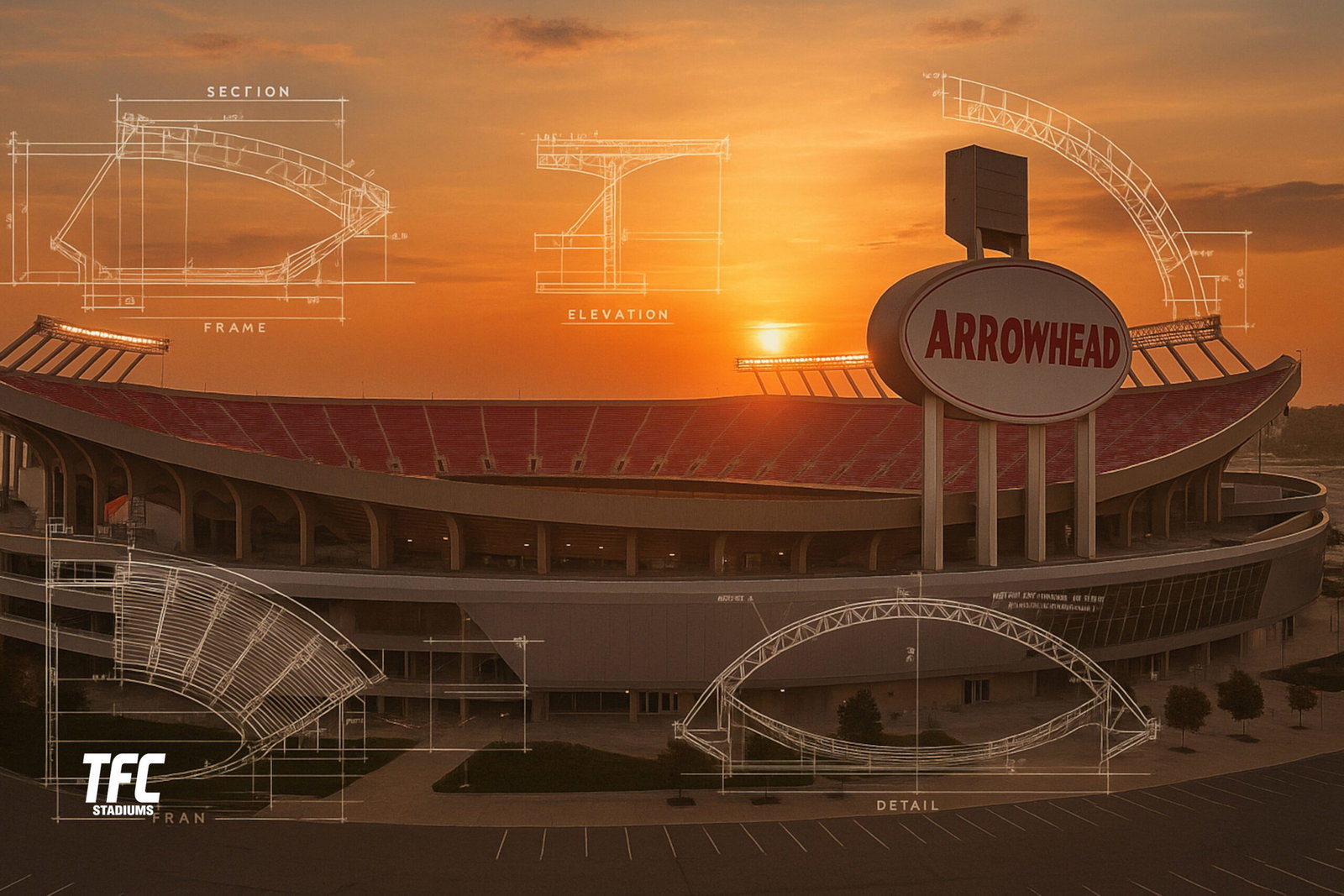
Few stadiums have achieved the mythical status of Arrowhead Stadium in Kansas City. Known for its thundering acoustics, bold architecture, and timeless design, Arrowhead has stood as a symbol of ingenuity since opening in 1972. It is not just a home for the Chiefs but a masterclass in engineering foresight that continues to influence modern stadium construction.
Vision and Design Innovation
When Arrowhead was conceived, the idea of separating football and baseball facilities was almost unheard of. Most American cities leaned toward multipurpose complexes. Architect Charles Deaton and structural engineer Jack Boyle proposed something radical for the time, creating a dedicated football stadium alongside the adjacent Kauffman Stadium for baseball.
This separation allowed for sharper sightlines, better field dimensions, and acoustics designed specifically for football. It also gave Arrowhead its distinctive circular bowl shape, which later became a model for single-use stadium design.
Structural Engineering and Materials
Arrowhead’s structure was engineered to balance durability with a clean, modern aesthetic. The main bowl was cast using pre-stressed concrete sections, allowing for efficient load distribution and faster construction. The cantilevered upper decks extend dramatically over the lower stands, providing excellent views without obstructing columns.
Key innovations included:
- Precast Concrete Segments: Reduced construction time and improved strength consistency.
- Cantilever Design: Maximised sightlines while maintaining stadium capacity.
- Radial Symmetry: Created even acoustic distribution and structural stability.
This blend of engineering practicality and creative design resulted in a venue that has aged gracefully, needing only targeted renovations rather than complete overhauls.
Acoustic Engineering: The Roar Factor
Arrowhead’s reputation as the loudest outdoor stadium in the world is not accidental. Engineers exploited the geometry of the bowl to reflect and concentrate sound back toward the field. The circular design, combined with steep seating angles, traps noise and amplifies crowd energy.
A few of the acoustic considerations include:
- Tight Bowl Geometry: Keeps sound within the structure.
- Steep Upper Deck: Directs vocal energy downward.
- Concrete Reflectivity: Enhances echo and resonance.
The result is a venue where even 70,000 fans can sound like twice that number, creating an intimidating experience for visiting teams and a defining feature of Kansas City’s sporting identity.
Renovations and Modern Enhancements
Between 2007 and 2010, Arrowhead underwent a major renovation that respected its original design while bringing it into the modern era. Engineers strengthened structural elements, updated seismic reinforcements, and introduced modern amenities.
Key upgrades included:
- Expanded concourses and improved accessibility.
- Enhanced drainage and turf systems.
- Updated audio-visual systems, including high-definition video boards.
- Reinforced infrastructure for heavier equipment and increased fan load.
Despite the updates, the stadium retained its mid-century architectural spirit. The renovation team prioritised structural preservation, ensuring Arrowhead remained an engineering landmark rather than a relic.
Legacy and Influence
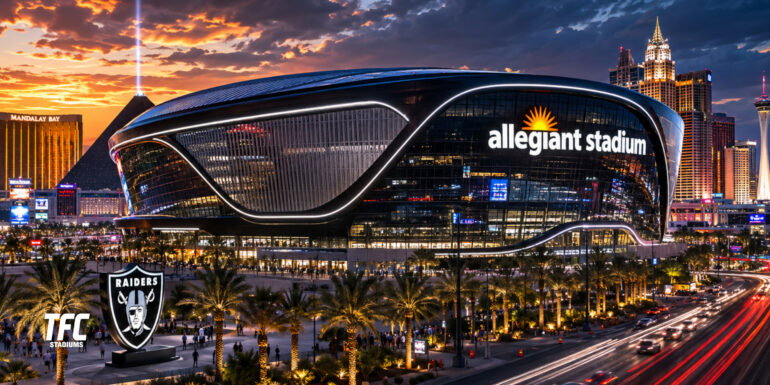
Arrowhead’s influence stretches far beyond Missouri. It helped inspire future stadium designs that prioritised sport-specific architecture and acoustics, from Seattle’s Lumen Field to Las Vegas’ Allegiant Stadium. Its success demonstrated that engineering foresight could extend a stadium’s lifespan well beyond industry norms.
Today, over fifty years later, Arrowhead remains one of the most recognisable and respected sports venues in the world. It is a living case study in how strong engineering principles, when paired with visionary design, can create a structure that endures generations.
TFC Takeaway
Arrowhead Stadium’s genius lies not in flashy modernity but in the clever simplicity of its engineering. Every curve, beam, and echo was meticulously calculated. It is a place where architecture meets atmosphere, and where the roar of Kansas City is as much a product of engineering as it is of passion.
About the Author